Introductıon to Economıcs II (ENG) - Tüm Sorular
Ünite 1
Soru 1
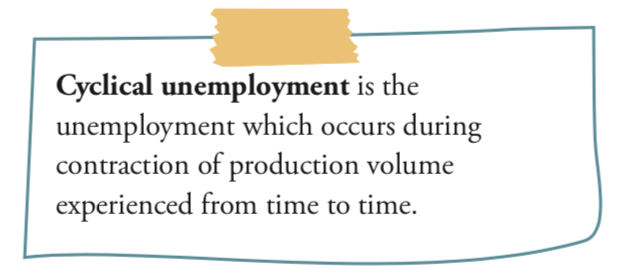
What term is used for the unemployment which occurs during contraction of production volume experienced from time to time?
Seçenekler
A
Unemployment rate
B
Cyclical unemployment
C
Structural unemployment
D
Inflation
E
Unemployment
Açıklama:
Cyclical unemployment is the unemployment caused by the recessions occasionally occurred in economic life and it is the unemployment which occurs during contraction of production volume experienced from time to time. The corect answer is "B".
Soru 2
What indicates the weighted average of all goods and services in an economy within a period of time?
Seçenekler
A
General price level
B
Inflation
C
Hyperinflation
D
Production growth rate
E
Total production
Açıklama:
General price level is the index value of weighted average of goods’ prices in a specified period of time. The correct answer is "A".
Soru 3
How can total production be defined?
Seçenekler
A
It is the total quantity of goods and services produced in an economy in a specified period of time.
B
It is the increase in production capacity of an economy.
C
It is the short term fluctuations in production volume.
D
It is the period in which total production decreases.
E
It is the period in which total production increases.
Açıklama:
Total production is the total of all goods and services produced in an economy for a given period of time. The correct answer is "A".
Soru 4
Which of the following is not one of the effects of the amount of money in an economy?
Seçenekler
A
General price level
B
Interest rate
C
Exchange rate
D
Unemployment
E
Business cycle
Açıklama:
Today many economists accept that the amount of money in an economy affects general price level, interest rate and exchange rate as well as its effects on unemployment and production. The correct answer is "E".
Soru 5
Which of the following groups are the ones that macroeconomics focuses on?
I. Households
II. Businesses
III. Government
IV. Other countries
I. Households
II. Businesses
III. Government
IV. Other countries
Seçenekler
A
I, II, III
B
II, III, IV
C
I, II, IV
D
I, III, IV
E
I, II, III, IV
Açıklama:
Macroeconomics focuses on behaviors of four groups in an economy: Households and businesses (private sector), government (public sector) and other countries (international sector). These four groups are in mutual relations with each other. The correct answer is "E".
Soru 6
What is the measurement system of economic activities realized in an economy in a specific period of time?
Seçenekler
A
Gross domestic product
B
National income accounting
C
Intermediate goods
D
Value added
E
Final goods and services
Açıklama:
National income accounting is the measurement system of economic activities
realized in an economy in a specific period of time. The correct answer is "B".
realized in an economy in a specific period of time. The correct answer is "B".
Soru 7
Which of the followings are the features of GDP? I. It includes all final goods and services produced in the economy. II. Some goods and services not being marketed are not included into GDP. III. The transactions which are completely financial are not included into GDP. IV. Second hand sales of goods are not taken into account in GDP calculation.
Seçenekler
A
I, II, III
B
I, II, IV
C
I, III, IV
D
II, III, IV
E
I, II, III, IV
Açıklama:
The features of GDP are: It includes all final goods and services produced in the economy.Some goods and services not being marketed are not included into GDP. The transactions which are completely financial are not included into GDP. Second hand sales of goods are not taken into account in GDP calculation. The correct answer is "E".
Soru 8
In terms of income formation, how is GDP calculated?
Seçenekler
A
GDP = Wage + Interest + Profit + Rent + Direct Taxes + Amortizations
B
GDP = Wage + Interest + Profit + Rent + Amortizations
C
GDP = Wage + Interest + Profit + Rent + Indirect Taxes + Amortizations
D
GDP = Interest + Profit + Rent + Indirect Taxes + Amortizations
E
GDP = Wage + Interest + Profit + Rent + Indirect Taxes
Açıklama:
In terms of income formation, GDP is calculated as follows:
GDP = Wage + Interest + Profit + Rent + Indirect Taxes + Amortizations.
The correct answer is "C".
GDP = Wage + Interest + Profit + Rent + Indirect Taxes + Amortizations.
The correct answer is "C".
Soru 9
What term is used for the value of production with current market prices?
Seçenekler
A
Real GDP
B
Price index
C
Disposable income
D
Nominal GDP
E
Personal income
Açıklama:
Nominal GDP is the value of production with current market prices. The correct answer is "D".
Soru 10
Which of the following is not one of the restrictions in using GDP?
Seçenekler
A
GDP value does not provide any information about how much population created this value.
B
GDP value does not take the leisure time into account.
C
GDP value considers improvement in the quality of produced goods.
D
GDP value does not supply any information about the formation and distribution of production.
E
GDP value does not include informal economic activities in the country.
Açıklama:
GDP value does not provide any information about how much population created this value, does not take the leisure time into account, does not consider improvement in the quality of produced goods, does not supply any information about the formation and distribution of production and finally does not include informal economic activities in the country. The correct answer is "C".
Soru 11
Which of the following correctly completes this sentence?
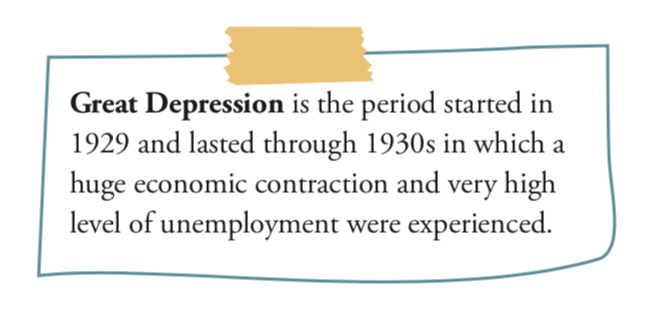
" ........................ is the period started in 1929 and lasted through 1930s in which a huge economic contraction and very high level of unemployment were experienced. "
" ........................ is the period started in 1929 and lasted through 1930s in which a huge economic contraction and very high level of unemployment were experienced. "
Seçenekler
A
Great Depression
B
Total production
C
Macroeconomics
D
The equilibrium
E
The national economy
Açıklama:
Great Depression is the period started in 1929 and lasted through 1930s in which a huge economic contraction and very high level of unemployment were experienced. Doğru yanıt " A " dır.
Soru 12
Which of the following is the correct definition of this sentence?
" ............................. is the unemployment which occurs during contraction of production volume experienced from time to time. "
" ............................. is the unemployment which occurs during contraction of production volume experienced from time to time. "
Seçenekler
A
Employment
B
Cyclical unemployment
C
Structural unemployment
D
Unemployment rate
E
Employment level
Açıklama:
Cyclical unemployment is the unemployment which occurs during contraction of production volume experienced from time to time. Doğru yanıt " B " dir.
Soru 13
Which of the following correctly defines this sentence?
" .................................. is the index value of weighted average of goods’ prices in a specified period of time. "
" .................................. is the index value of weighted average of goods’ prices in a specified period of time. "
Seçenekler
A
Inflation
B
Hyperinflation
C
General price level
D
Unemployment types
E
Agricultural production
Açıklama:
General price level is the index value of weighted average of goods’ prices in a specified period of time. Doğru yanıt " C " dir.
Soru 14
Which of the following is the answer to this sentence?
" .................................. is the short term fluctuations in production volume. "
" .................................. is the short term fluctuations in production volume. "
Seçenekler
A
Total production
B
Economic growth
C
Contraction
D
Business cycle
E
Recovery
Açıklama:
Business cycle is the short term fluctuations in production volume. Doğru yanıt " D " dir.
Soru 15
Which one of the following definitions is the correct one for the sentence below?
" ........................... is the decisions related to taxes that government collects and expenditures that government makes. "
" ........................... is the decisions related to taxes that government collects and expenditures that government makes. "
Seçenekler
A
Monetary policy
B
Supply side policies
C
Business cycle
D
Recovery
E
Fiscal policy
Açıklama:
Fiscal policy is the decisions related to taxes that government collects and expenditures that government makes. Doğru yanıt " E " dir.
Soru 16
Which of the following is the correct completion for " Supply Side Policies "?
Seçenekler
A
They are the policies to increase production instead of increasing aggregate demand.
B
They are the measures that the central bank takes to control the quantity of
money in the economy.
money in the economy.
C
They are the decisions related to taxes that government collects and expenditures that government makes.
D
They are the payments that government and firms make to households without having in return for good, service or labor.
E
They spend their earnings for goods and services produced by businesses and pay taxes.
Açıklama:
Supply side policies are the policies to increase production instead of increasing aggregate demand. Doğru yanıt " A " dır.
Soru 17
Which of the following is the definition of the sentence below?
" Measuring the activities forming the income in a country is called as ................ ? "
" Measuring the activities forming the income in a country is called as ................ ? "
Seçenekler
A
purchasing goods and services
B
national income accounting
C
transaction in the economy
D
intermediate goods
E
gross domestic product
Açıklama:
Measuring the activities forming the income in a country is called as national income accounting. Doğru yanıt " B " dir.
Soru 18
Which of the following is the correct definition of the sentence below?
" ..................... are the total of spending made by businesses and government for new machinery and equipment (including stock changes) and households for new buildings. "
" ..................... are the total of spending made by businesses and government for new machinery and equipment (including stock changes) and households for new buildings. "
Seçenekler
A
Consumption expenditures
B
Government expenditures
C
Investment expenditures
D
National expenditures
E
Total expenditures
Açıklama:
Investment expenditures are the total of spending made by businesses and government for new machinery and equipment (including stock changes) and
households for new buildings. Doğru yanıt " C " dir.
households for new buildings. Doğru yanıt " C " dir.
Soru 19
Which of the following is the definition of the sentence below?
" ....................... is the ratio of the value of a basket of goods and services with current prices to the value of the same basket with the base year’s prices. "
" ....................... is the ratio of the value of a basket of goods and services with current prices to the value of the same basket with the base year’s prices. "
Seçenekler
A
Disposable income
B
Nominal GDP
C
Current price
D
Price index
E
Real GDP
Açıklama:
Price index is the ratio of the value of a basket of goods and services with current prices to the value of the same basket with the base year’s prices. Doğru yanıt " D " dir.
Soru 20
Which of the following correctly completes the definition below?
" Per capita national income ........................................................... . "
" Per capita national income ........................................................... . "
Seçenekler
A
......................... is the value of production with current market prices.
B
.................. is the usable income obtained by subtracting direct taxes from
personal income.
personal income.
C
..................... is the companies, consumers and government somehow
polluting water resources and the atmosphere.
polluting water resources and the atmosphere.
D
.................... is the value of production with the base year’s prices.
E
.................. is calculated by dividing the Dollar value of national income to population and used as a wealth indicator.
Açıklama:
Per capita national income is calculated by dividing the Dollar value of national income to population and used as a wealth indicator. Doğru yanıt " E " dir.
Soru 21
When did the Great Depression start?
Seçenekler
A
1923
B
1925
C
1927
D
1929
E
1931
Açıklama:
Great Depression is the period started in 1929.
Soru 22
who is the author of the book the general theory of employment interest and money?
Seçenekler
A
J.Maynard Keynes
B
Mark Twain
C
Adam Smith
D
Milton Friedman
E
Stanley Fischer
Açıklama:
One of the most important studies of economic history is General Theory of Employment, Interest and Money written by John Maynard Keynes in 1936.
Soru 23
............ is the continuous increases experienced in general price level.
Which of the following correctly completes that sentence above?
Which of the following correctly completes that sentence above?
Seçenekler
A
General price level
B
Hyperinflation
C
Inflation
D
Deflation
E
Stagflation
Açıklama:
"Inflation" is the continuous increases experienced in general price level.
Soru 24
Which of the following examples match with the definition of macroeconomics?
Seçenekler
A
The increase in automobile production in Turkey.
B
The economic growth in Turkey.
C
The increase of bread prices in İstanbul.
D
The food prices went higher in winter in Turkey.
E
The income of an average family stayed the same in Ordu.
Açıklama:
Macroeconomic analysis deals with how macro variables of a national economy affect each other and how they are determined when the economy tends to achieve equilibrium. The equilibrium mentioned here is naturally not regarded as the only one good’s market, rather with the national economy as a whole.
Macroeconomic analysis deals with how macro variables of a national economy affect each other. Therefore, the correct choice is B.
Macroeconomic analysis deals with how macro variables of a national economy affect each other. Therefore, the correct choice is B.
Soru 25
What is the period called, which started in 1929 and lasted through 1930s, in which a huge economic contraction and very high level of unemployment were experienced?
Seçenekler
A
World War II
B
Gross Domestic Product
C
The Great Depression
D
Cyclical Unemployment
E
Per Capita National Income
Açıklama:
Economists started to discuss the topics about macroeconomics as a result of economic events during Great Depression in 1930s. During 1920's, people could easily find a job, earnings significantly increased and prices were relatively stable. However, by the end of 1929, things changed. There were 1.5 million unemployed people in the USA in 1929 but in 1933, the figure folded ten times and reached 13 million unemployed people. On the other hand, while the US economy was producing goods and services worth of 103 billion dollars in 1929, the figure decreased 55 billion dollars in 1933. As a result of stock market crash in October 1929, individual wealth of billions of dollars were lost.
The economic events during 1930s is called the Great Depression. Therefore, the correct choice is C.
The economic events during 1930s is called the Great Depression. Therefore, the correct choice is C.
Soru 26
I.Unemployment rate
II. Inflation rate
III. Output growth rate
IV. Interest rate
which of the above are basic indicators related to health of an economy?
II. Inflation rate
III. Output growth rate
IV. Interest rate
which of the above are basic indicators related to health of an economy?
Seçenekler
A
Only I
B
Only II
C
I and II
D
I, II and III
E
I, II and IV
Açıklama:
There are three basic indicators related to health of an economy, thus within the field of macroeconomics: Unemployment rate, inflation rate and output growth rate.
Soru 27
..........is the unemployment caused by the recessions occasionally occurred in economic life.
Which of the following correctly completes that sentence above?
Which of the following correctly completes that sentence above?
Seçenekler
A
Voluntary unemployment
B
Structural unemployment
C
Technological unemployment
D
Youth unemployment
E
Cyclical unemployment
Açıklama:
Cyclical unemployment
Soru 28
which of following is the mainly three tools for the government to affect the macro economy?
Seçenekler
A
Employment policy, monetary policy and supply-side policies
B
Fiscal policy, monetary policy and supply-side policies
C
Fiscal policy, monetary policy and demand-side policies
D
Monetary policy, banking policy and demand-side policies
E
Industrial policy, monetary policy and demand-side policies
Açıklama:
There are mainly three tools for the government to affect the macro economy: Fiscal policy, monetary policy and supply-side policies.
Soru 29
Which of the following is not related to focuses on behaviors of groups in an economy
Seçenekler
A
Households
B
Businesses
C
Bureaucracy
D
Government
E
Other countries
Açıklama:
Macroeconomics focuses on behaviors of four groups in an economy: Households and businesses (private sector), government (public sector) and other countries (international sector).
Soru 30
I.In terms of the total value of goods and services produced
II. In terms of the income obtained in return for producing goods and services
III.In terms of expenditures can be calculated
IV. In terms of the expenditures made for goods and services produced.
What are the correct order of the gross domestic product (GDP) can be calculated listed above?
II. In terms of the income obtained in return for producing goods and services
III.In terms of expenditures can be calculated
IV. In terms of the expenditures made for goods and services produced.
What are the correct order of the gross domestic product (GDP) can be calculated listed above?
Seçenekler
A
Only I
B
Only II
C
II and III
D
I, II and III
E
I, II and IV
Açıklama:
According to summarized three different aspects of GDP, it can be calculated in three different ways:
• In terms of the total value of goods and services produced,
• In terms of the income obtained in return for producing goods and services,
• In terms of the expenditures made for goods and services produced.
• In terms of the total value of goods and services produced,
• In terms of the income obtained in return for producing goods and services,
• In terms of the expenditures made for goods and services produced.
Soru 31
Which of the following is NOT correct according to Keynes’ approach?
Seçenekler
A
Keynes strongly defended the idea that the employment was determined by prices and wages.
B
Keynes developed the opinion that the aggregate demand for goods and services produced in the economy was the main factor determining the employment
C
The state may get involved in economy to prevent the decrease of employment.
D
Government should intervene to economy by supporting the aggregate demand.
E
The state needs to interfere in economy by means of supporting to prevent the decrease of production.
Açıklama:
Keynes refused the idea that the employment was determined by prices and wages as put forward by classical models and developed the opinion that the aggregate demand for goods and services produced in the economy was the main factor determining the employment.
He also stated that when private sector’s spending is insufficient, in order to prevent a reduction in output and employment, government should intervene to economy by supporting the aggregate demand.
Keynes’ approach can be summarized that the state needs to interfere in economy by means of supporting to prevent the decrease of production and employment in a period of inadequacy of special sector demands.
Keynes didn't defend but refused the idea that the employment was determined by prices and wages. Therefore, the correct choice is A.
He also stated that when private sector’s spending is insufficient, in order to prevent a reduction in output and employment, government should intervene to economy by supporting the aggregate demand.
Keynes’ approach can be summarized that the state needs to interfere in economy by means of supporting to prevent the decrease of production and employment in a period of inadequacy of special sector demands.
Keynes didn't defend but refused the idea that the employment was determined by prices and wages. Therefore, the correct choice is A.
Soru 32
Which of the following three basic indicators are related to health of an economy?
Seçenekler
A
General price level - Employment Rate - Private Consumption
B
Economic Growth - General Price Level - Output Growth Rate
C
Unemployment Rate - Gross Domestic Product - Government Consumption
D
Inflation Rate - Output Growth Rate - Unemployment Rate
E
Government Consumption - Private Consumption - Output Growth Rate
Açıklama:
There are three basic indicators related to health of an economy, thus within the field of macroeconomics: Unemployment rate, inflation rate and output growth rate. Each government should watch these indicators carefully. On the other hand, since these indicators closely affect our daily life, a large part of the society cares about them and also policies affecting them, especially the ones for controlling the unemployment and inflation rates at reasonable levels and enhancing the volume of production.
Unemployment rate, inflation rate and output growth rate are the three basic indicators related to health of an economy. Therefore, the correct choice is D.
Unemployment rate, inflation rate and output growth rate are the three basic indicators related to health of an economy. Therefore, the correct choice is D.
Soru 33
Which of the following terms define the index value of weighted average of goods’ prices in a specified period of time?
Seçenekler
A
Production Growth Rate
B
Economic Growth
C
Inflation
D
Hyperinflation
E
General Price Level
Açıklama:
General price level theoretically indicates the weighted average of all goods and services in an economy within a period of time. General price level is specified with an index. For this purpose, firstly any year’s price level is taken as a basis and indicated as 100. Then, subsequent years’ levels are calculated according to this 100 value.
General price level is the index value of weighted average of goods’ prices in a specified period of time. Therefore, the correct choice is E.
General price level is the index value of weighted average of goods’ prices in a specified period of time. Therefore, the correct choice is E.
Soru 34
Which of the following defines expansionary fiscal policy?
Seçenekler
A
Government rise the taxes and/or decrease expenditures to lower the inflation rate.
B
Government should stay neutral in all cases.
C
Government shouldn't be spending the collected taxes to help private sector.
D
Government should use collected taxes for paying pensions.
E
Government decrease taxes and/or rise expenditures to avoid the economic recession.
Açıklama:
According to Keynes’ basic opinion, fiscal policy can be used to stabilize the fluctuations in production and employment. Government should decrease taxes and/or rise expenditures to avoid the economic recession (expansionary fiscal policy). On the contrary, in an inflationary period, government should rise the taxes and/or decrease expenditures to lower the inflation rate (contractionary fiscal policy).
If any government decrease taxes and/or rise expenditures to avoid the economic recession, that basically means expansionary fiscal policy. Therefore, the correct choice is E.
If any government decrease taxes and/or rise expenditures to avoid the economic recession, that basically means expansionary fiscal policy. Therefore, the correct choice is E.
Soru 35
Which of the following is NOT one of the four groups that macroeconomics focuses on its behaviour in an economy?
Seçenekler
A
Supply side policies
B
Other countries (international sector)
C
Government (public sector)
D
Households (private sector)
E
Businesses (private sector)
Açıklama:
Macroeconomics focuses on behaviours of four groups in an economy: Households and businesses (private sector), government (public sector) and other countries (international sector). These four groups are in mutual relations with each other in various ways. Many of these relations include or at least are related with obtaining income and making expenditure.
Macroeconomics focuses on behaviours of four groups in an economy: Households and businesses (private sector), government (public sector) and other countries (international sector). Therefore, the correct choice is A.
Macroeconomics focuses on behaviours of four groups in an economy: Households and businesses (private sector), government (public sector) and other countries (international sector). Therefore, the correct choice is A.
Soru 36
....... is the ratio of the value of a basket of goods and services with current prices to the value of the same basket with the base year’s prices.
Which of the following correctly completes that sentence above?
Which of the following correctly completes that sentence above?
Seçenekler
A
Producer price index
B
Real index
C
Consumer price index
D
Price index
E
Real index
Açıklama:
Price index is the ratio of the value of a basket of goods and services with current prices to the value of the same basket with the base year’s prices
Soru 37
Which of the following is the term for defining the total value of all final goods and services produced and expressed with market prices in a specific period of time?
Seçenekler
A
National Income Accounting
B
Gross Domestic Product
C
Circular Flow Diagram
D
Intermediate Goods
E
Value Added
Açıklama:
Total market value of finished (final) goods and services produced in a period of time in an economy is called the gross domestic product (GDP) and this is the most widely used concept to evaluate the country’s general economic performance.
Gross domestic product is the total value of all final goods and services produced and expressed with market prices in a specific period of time. Therefore, the correct choice is B
Gross domestic product is the total value of all final goods and services produced and expressed with market prices in a specific period of time. Therefore, the correct choice is B
Soru 38
Which of the following is the best option to complete the sentence below?
'The total of spending which is directly made by people for goods and services to satisfy their daily needs is called ____________ .'
'The total of spending which is directly made by people for goods and services to satisfy their daily needs is called ____________ .'
Seçenekler
A
government expenditures
B
investment expenditures
C
consumption expenditures
D
net export
E
national income
Açıklama:
Consumption expenditures and consist of expenditures paid for goods and services which may directly meet the daily needs. Consumption expenditures can be categorized as expenditures for durable consumer goods, non-durable goods and services.
Consumption expenditures are the total of spending which is directly made by people for goods and services to satisfy their daily needs. Therefore, the correct choice is C.
Consumption expenditures are the total of spending which is directly made by people for goods and services to satisfy their daily needs. Therefore, the correct choice is C.
Soru 39
Which of the following is NOT one of the unfavourable points in usage of GDP and the concepts based on it which is crucial for national income analysis?
Seçenekler
A
GDP and other income concepts based on it still make sense even if the population of the country in question is unknown.
B
GDP and other income concepts exclude the most valuable activity for an individual: leisure.
C
Illegal activities are not included into GDP calculations unless they are ‘acquitted’ by being introduced into legal system.
D
GDP and other income concepts do not take the quality changes of produced goods into account.
E
Some social costs originated from production of goods and services such as the damage on the environment due to the factories is not reflected on GDP.
Açıklama:
GDP and other income concepts based on it do not make sense if the population of the country in question is unknown. GDP and other income concepts exclude the most valuable activity for an individual: leisure. GDP and other income concepts do not take the quality changes of produced goods into account. An improvement of produced good’s quality is not reflected in GDP calculations if improvement is not reflected in their prices. GDP and other income concepts don’t provide detailed information about the combination and distribution of income created in the country. GDP and other income concepts do not reflect some social costs originated from production of goods and services. There are many activities need to be added to GDP in principle but not included actually. For example, illegal activities are not included into GDP calculations unless they are ‘acquitted’ by being introduced into legal system.
GDP and other income concepts based on it do not make sense if the population of the country in question is unknown. Therefore, the correct choice is A.
GDP and other income concepts based on it do not make sense if the population of the country in question is unknown. Therefore, the correct choice is A.
Soru 40
Which of the following is not necessary to be used per capita national income figures?
Seçenekler
A
The figures calculated with national currency is stated with a common monetary measure
B
GDP and other income concepts exclude the most valuable activity for an individual: leisure
C
GDP and other income concepts do not take the quality changes of produced goods into account
D
GDP and other income concepts do reflect some social costs originated from production of goods and services
E
GDP and other income concepts don’t provide detailed information about the combination and distribution of income created in the country
Açıklama:
To compare the people’s wealth levels living in various countries, per capita national income figures are used. For this purpose, the figures calculated with national
currency firstly is stated with a common monetary measure. Second, GDP and other income concepts exclude the most valuable activity for an individual: leisure. Third, GDP and other income concepts do not take the quality changes of produced goods into account. Fourth, GDP and other income concepts do not reflect some social costs originated from production of goods and services. Fifth, GDP and other income concepts do not reflect some social costs originated from production of goods and services. Sixth, there are many activities need to be added to GDP in principle but not included actually. Therefore, (d) has incorrect because indicated that GDP and other income concepts do reflect some social costs originated from production of goods and services instead of GDP and other income concepts do not reflect some social costs originated from production of goods and services.
currency firstly is stated with a common monetary measure. Second, GDP and other income concepts exclude the most valuable activity for an individual: leisure. Third, GDP and other income concepts do not take the quality changes of produced goods into account. Fourth, GDP and other income concepts do not reflect some social costs originated from production of goods and services. Fifth, GDP and other income concepts do not reflect some social costs originated from production of goods and services. Sixth, there are many activities need to be added to GDP in principle but not included actually. Therefore, (d) has incorrect because indicated that GDP and other income concepts do reflect some social costs originated from production of goods and services instead of GDP and other income concepts do not reflect some social costs originated from production of goods and services.
Soru 41
What is the period whichstarted in 1929 and lasted through 1930s in which a huge economic contraction and very high level of unemployment were experienced called?
Seçenekler
A
Great recession
B
Great depression
C
Great transformation
D
Great contraction
E
Great depreciation
Açıklama:
If your answer is incorrect, review “BIRTH OF MACROECONOMICS AND ITS FIELD OF INTEREST”.
Soru 42
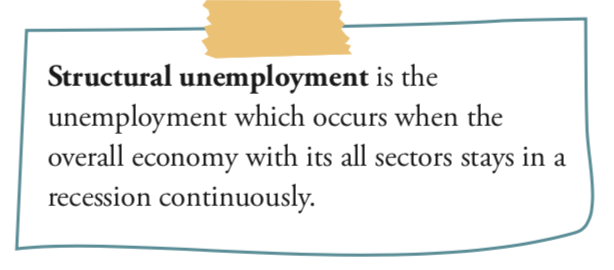
What is the type of unemployment which occurs when the overall economy with its all sectors stays in a recession continuously?
Seçenekler
A
Structural unemployment
B
Frictional unemployment
C
Natural rate of unemployment
D
Concealed unemployment
E
Hidden unemployment
Açıklama:
If your answer is incorrect, review “Basic Concerns of Macroeconomics”.
Soru 43
What is the type of unemployment caused by the recessions occasionally occurred in economic life called?
Seçenekler
A
Structural unemployment
B
Cyclical unemployment
C
Frictional unemployment
D
Non-inflationary unemployment
E
Disguised unemployment
Açıklama:
If your answer is incorrect, review “Basic Concerns of Macroeconomics”.
Soru 44
What is the general increase in all prices in the economy called?
Seçenekler
A
Unemployment
B
Inflation
C
Economic growth
D
Contraction
E
Depression
Açıklama:
If your answer is incorrect, review “Basic Concerns of Macroeconomics”.
Inflation is the continuous increases experienced in general price level. Inflation is the general increase in all prices in the economy. However, it is necessary to separate the increase of a single good’s price from the increase of all goods’ prices (general price level). As you remember from microeconomics, the price of a single good may change due to fluctuations of that good’s supply and demand. If there is an increase in a single good’s price, it is not correct to consider this as inflation. If the prices of most of the goods and services in an economy (namely average price level) increase, then inflation occurs.
Inflation is the continuous increases experienced in general price level. Inflation is the general increase in all prices in the economy. However, it is necessary to separate the increase of a single good’s price from the increase of all goods’ prices (general price level). As you remember from microeconomics, the price of a single good may change due to fluctuations of that good’s supply and demand. If there is an increase in a single good’s price, it is not correct to consider this as inflation. If the prices of most of the goods and services in an economy (namely average price level) increase, then inflation occurs.
Soru 45
What is the short term fluctuations in production volume called?
Seçenekler
A
Economic growth
B
Business cycle
C
Inflation rate
D
Cyclical unemployment
E
Transfer payments
Açıklama:
If your answer is incorrect, review “Basic Concerns of Macroeconomics”.
All countries face with short term performance fluctuations in the economy instead of realizing steady and rapid growth rates. In other words, while production capacity rises sometimes, at other times it decreases. These fluctuations in the form of rises and decreases in production are known as business cycle.
All countries face with short term performance fluctuations in the economy instead of realizing steady and rapid growth rates. In other words, while production capacity rises sometimes, at other times it decreases. These fluctuations in the form of rises and decreases in production are known as business cycle.
Soru 46
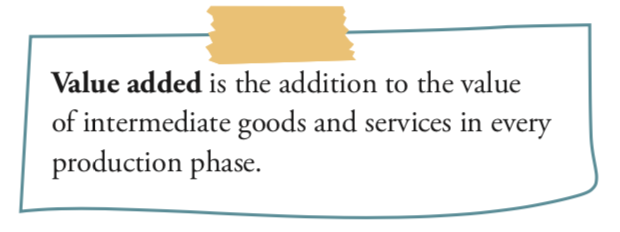
What is the addition to the value of intermediate goods and services in every production phase called?
Seçenekler
A
Intermediate goods
B
Value added
C
Structural unemployment
D
Total production
E
Transfer payments
Açıklama:
If your answer is incorrect, review “National Income Accounts”.
Soru 47
What are the goods and services that are used to produce another good and service called
Seçenekler
A
Advanced goods
B
Intermetidate good
C
Basic goods
D
Nonrefundable goods
E
Giffen goods
Açıklama:
If your answer is incorrect, review “National Income Accounts”.
Soru 48
Macroeconomic analysis deals with how macro variables of a .............. economy affect each other and how they are determined when the economy tends to achieve ...................
To make the above statement correct, which of the followings should fill the blanks?
To make the above statement correct, which of the followings should fill the blanks?
Seçenekler
A
regional; equilibrium
B
regional; disequilibrium
C
national; equilibrium
D
national; disequilibrium
E
monetary; growth
Açıklama:
We consider, in macroeconomics, not only the supply of and demand for bread in a particular market, but the supply of and demand for all goods and services produced in the economy; not only the price of bread but the average price of all products in the economy; not only the consumption of a single person or family, but the overall consumption of all the people or families in the economy; not only the investment of a single automobile factory, but investments of all businesses in the economy as a whole. Macroeconomics is not only interested in the determinants of these large scale variables, but also mutual relationships among them and the meaning of changes they display in time. In other words, macroeconomic analysis deals with how macro variables of a national economy affect each other and how they are determined when the economy tends to achieve equilibrium. The equilibrium mentioned here is naturally not regarded as the only one good’s market, rather with the national economy as a whole.
Soru 49
I. Unemployment rate
II. Exchange rate
III. output growth rate.
Which of the above items are included in three basic indicators related to health of an economy?
II. Exchange rate
III. output growth rate.
Which of the above items are included in three basic indicators related to health of an economy?
Seçenekler
A
I
B
II
C
III
D
I and III
E
I ve II
Açıklama:
There are three basic indicators related to health of an economy, thus within the field of macroeconomics: Unemployment rate, inflation rate and output growth rate. Each government should watch these indicators carefully. On the other hand, since these indicators closely affect our daily life, a large part of the society cares about them and also policies affecting them, especially the ones for controlling the unemployment and inflation rates at reasonable levels and enhancing the volume of production. However, while lower unemployment, lower inflation and rapid production growth rates are clear targets, it is not always possible to achieve them at the same time.
Soru 50
What is the term we use for "the total of all goods and services produced in an economy for a given period of time"?
Seçenekler
A
total production
B
GDP
C
average cost
D
productivity
E
growth
Açıklama:
Production Growth Rate: One of the basic indicators used in assessing the performance of an economy and the general economic conditions in a country is the country’s total production, more correctly the rate of change of this quantity according to the previous period. Total production is the total of all goods and services produced in an economy for a given period of time. The rise in the capacity of economy to produce goods and services is called as economic growth. On the other hand, economic growth can be defined as expansion of production possibilities of a country. In this case, economic growth can be considered as outward shift of the country’s production possibilities frontier.
Soru 51
In the circular flow diagram, government obtains income by collecting .......... from businesses and households and spends it by purchasing goods and services from ..............., making wage, ................ and transfer payments to households.
To make the above statement correct, which of the following should fill the blanks?
To make the above statement correct, which of the following should fill the blanks?
Seçenekler
A
prices; households; interest payment
B
taxes; households; loan payment
C
subsidies; government; rent
D
taxes; businesses; interest payment
E
prices; businesses; taxes
Açıklama:
Now let’s review this circular flow diagram step by step. Households work for businesses and government, and in turn, earn wages. These wages are not the only revenue which households can earn from businesses and government. In addition to wages, households can earn interest, dividend and rent income from businesses as well. On the other hand, households can earn income in the form of interest and transfer payment from government. Households spend their earnings for goods and services produced by businesses and pay taxes. Businesses obtain income by selling goods and services to households and government and spend their income by paying wage, interest and dividend to households and taxes to government. Similarly, government obtains income by collecting taxes from businesses and households and spends it by purchasing goods and services from businesses, making wage, interest and transfer payments to households. Finally, while households spend their earnings partially to buy goods and services produced by other countries (import expenditures),households of other countries buy goods and services produced by domestic businesses (export income).
Soru 52
I. Interest income
II. Dividends
III. Sales
According to Circular Flow of Goods and Services Model, which of the above item(s) are included as an income source for households?
II. Dividends
III. Sales
According to Circular Flow of Goods and Services Model, which of the above item(s) are included as an income source for households?
Seçenekler
A
I
B
I and II
C
III
D
I and III
E
I, II, III
Açıklama:
Households work for businesses and government, and in turn, earn wages. These wages are not the only revenue which households can earn from businesses and government. In addition to wages, households can earn interest, dividend and rent income from businesses as well. On the other hand, households can earn income in the form of interest and transfer payment from government. Households spend their earnings for goods and services produced by businesses and pay taxes.
Soru 53
What is the term used for "some goods and services used to produce other goods and services"?
Seçenekler
A
GDP
B
Value addition
C
Final goods
D
Consumption
E
Intermediate goods
Açıklama:
In GDP definition provided above, some features and technical terms should be clarified. First of all, we must avoid double counting so that the same product should not be included twice in calculation of GDP. Some goods and services, called as intermediate goods, are used to produce other goods and services in the economy. If this kind of goods and services are included into GDP, we count them twice. If all production phases of a product from manufacturing to finished product are included into national income accounts, the final total of GDP will be higher than the actual one. Therefore, it is required to find and sum up the net value added to GDP as a result of production of each businesses.
Soru 54
GDP = C + I + G + EX .........
To make the above equation correct, what is missing?
To make the above equation correct, what is missing?
Seçenekler
A
- Taxes
B
+ Indirect Taxes
C
- Imports
D
+ Amortization
E
+ Transfer payments
Açıklama:
The total of consumption, investment, government and net export expenditures specified above will provide us with GDP. It may be better to formulize this definition of GDP as we will use it in the next chapters frequently. By indicating consumption expenditures with C, investment expenditures with I, government expenditures with G, export income with EX and import expenditures with IM, GDP can be stated with the following formula: GDP = C + I + G + (EX - IM)
Soru 55
Direct Taxes: 30
Indirect taxes: 60
Personal income: 120
According to data above, what is disposable income? Calculate.
Indirect taxes: 60
Personal income: 120
According to data above, what is disposable income? Calculate.
Seçenekler
A
90
B
210
C
60
D
180
E
150
Açıklama:
Economic agents in a country directly pay certain amount of their personal income to government as tax. This payment made according to individual’s own statement without any mediator is called direct tax. Most common example of direct taxes is income tax. The remaining part after subtracting direct taxes from personal income is called disposable income. In other words, disposable income is the final income amount which individuals can spend for their personal purposes. ( Personal income in the question is 120 and direct taxes 30, it means that 120 - 30 = 90 is the disposable income)
Soru 56
While nominal GDP expressed with ........... prices reflects the effect of price changes, real GDP expressed with ........... prices doesn’t reflect the price changes as its expressed with the prices of base year.
To make the statement above correct, which of the followings should be used?
To make the statement above correct, which of the followings should be used?
Seçenekler
A
current; current
B
current; fixed
C
fixed; fixed
D
fixed; current
E
real; real
Açıklama:
It became a tradition to express GDP both with current prices and constant prices. GDP value calculated using fixed prices are called the real GDP or GDP at constant prices. Real GDP value is the GDP value after eliminating the effect of price changes as explained above. Namely, while nominal GDP expressed with current prices reflects the effect of price changes, real GDP expressed with fixed prices doesn’t reflect the price changes as its expressed with the prices of base year. Therefore, if increases in GDP will be used as a wealth indicator, real value should be used since nominal values do not make much sense, especially in high inflation periods
Soru 57
wage earnings + interest earnings + profit earnings + rent earnings = ?
Seçenekler
A
national income
B
amortization
C
personal income
D
per capita income
E
production
Açıklama:
The total of wage, interest, profit and rent earnings obtained as a result of joining the production activities is the total of revenues obtained. As we will discuss in detail later, the total of revenues obtained by production factors in a country is called the national income. For companies, since paid indirect taxes (like sales tax, value added tax, production tax) and amortization (depriciation) reserved for capital assets used in production process are also considered as cost payments, as paid indirect taxes (sales tax, value added tax, production tax etc.) and amortization (depreciation) reserved for capital assets joined to production activities are also considered as costs, adding indirect taxes and amortizations to national income will provide us with GDP.
Soru 58
If the real GDP value for a country is 350 million TL and the price index for the same year is 137, what is the value of nominal GDP?
Seçenekler
A
350 million TL
B
439,7 million TL
C
137 million TL
D
479,5 million TL
E
555,5 million TL
Açıklama:
If your answer is incorrect, review “Price Changes and GDP”.
350*(137/100)=479,5
350*(137/100)=479,5
Soru 59
If the real GDP value for a country is 87 million TL and the price index for the same year is 397, what is the value of nominal GDP?
Seçenekler
A
357,35 million TL
B
344,39 million TL
C
347,53 million TL
D
347,35 million TL
E
345,39 million TL
Açıklama:
If your answer is incorrect, review “Price Changes and GDP”.
87millionTL * (397/100) = 345,39 million TL
87millionTL * (397/100) = 345,39 million TL
Soru 60
What is the name of the the payments that government and firms make to households without having in return for good, service or labor?
Seçenekler
A
Wage
B
Salary
C
Transfer payments
D
Total production
E
Unemployment rate
Açıklama:
If your answer is incorrect, review “Basic Components of Macroeconomics”.
Soru 61
What are the main determinants of employment in the Classical model?
Seçenekler
A
Aggregate demand and supply
B
Prices and wages
C
Interest rate and investment
D
Money supply and demand
E
Exchange rate and trade volume
Açıklama:
In the Classical model prices and wages are the main factors that explain the level of employment.
Soru 62
In the Keynesian theory, what is the main determinant of employment level?
Seçenekler
A
Aggregate demand
B
Labor demand
C
Money demand
D
Foreign Exchange demand
E
Import demand
Açıklama:
Keynesian theory states that aggregate demand is the principle factor in the determination of employment level.
Soru 63
Which of the following is used to represent the general price level in an economy?
Seçenekler
A
Representative good's price
B
Production costs
C
Price index
D
Wages
E
Value of currency
Açıklama:
Price indices are used to convert nominal figures to real ones, therefore price indices are used to indicate the average price level in the economy.
Soru 64
Which of the following curve represents economic growth when it shifts outward?
Seçenekler
A
Marginal utility
B
Marginal cost
C
Total profit
D
Production possibilities frontier
E
Individual demand for a good
Açıklama:
Since the production possibiblity frontier shows the efficient output quantities for an economy, outward shifting of this curve indicates production of more output meaning economic growth.
Soru 65
In which of the following bussiness cycle phases economic growth rate reaches its maximum?
Seçenekler
A
Peak
B
Through
C
Contraction
D
Recession
E
Stagnation
Açıklama:
A peak period is a business cycle phase in which the economic growth rate is at maximum.
Soru 66
Which of the following represents an expansionary fiscal policy?
Seçenekler
A
Decrease in taxes and government expenditures
B
Increase in taxes and government expenditures
C
Increase in taxes and decrease in government expenditures
D
Decrease in taxes and increase in government expenditures
E
No change in taxes and government expenditures
Açıklama:
Expansionary fiscal policy means changes in fiscal policy tools to increase income. So, decreasing taxes and increasing government expenditures together raise the income level.
Soru 67
Which of the following represents an expenditure of residents to purchase goods and services produced by the residents of other countries?
Seçenekler
A
Investment
B
Transfer payment
C
Saving
D
Taxes
E
Import
Açıklama:
Import is the expenditure of residents of a country on goods and services produced in other countries.
Soru 68
Which of the following is obtained if we subtract the value of intermediate goods from the value of production?
Seçenekler
A
Profit
B
Value added
C
Total cost
D
Intermediate value
E
Final value
Açıklama:
Value added equals value of production - value of intermediate goods used in the production process.
Soru 69
What is the term used to describe the total income earned by the factors of production in an economy?
Seçenekler
A
Net income
B
Gross income
C
National income
D
Complementary income
E
Substituable income
Açıklama:
National income is the total of revenues that production factors gain in the production process.
Soru 70
Which of the following is used as an indicator for wealth in terms U.S. Dollar?
Seçenekler
A
Gross domestic product
B
Gross natonal product
C
Per capita national income
D
Net national product
E
Disposible income
Açıklama:
In international comparasions, dollar value of per capita national income is generally used as indicator for wealth of an economy.
Soru 71
Which of the following refers to the definition of 'continuous increases experienced in general price level'?
Seçenekler
A
Stagnation
B
Inflation
C
Deflation
D
Structutal unemployment
E
Cyclical unemployment
Açıklama:
Inflation is the continuous increases experienced in general price level. The answer is B.
Soru 72
Which of the following refers to the period in which total production decreases?
Seçenekler
A
Recovery
B
Growth
C
Production
D
Contraction
E
Business cycle
Açıklama:
Contraction is the period in which total production decreases.
Soru 73
Which of the following referes to the measures that the central bank takes to control the quantity of money in the economy?
Seçenekler
A
Independent policies
B
Demand side policies
C
Supply side policy
D
Fiscal policy
E
Monetary policy
Açıklama:
Monetary policy is the measures that the central bank takes to control the quantity of money in the economy. The answer is E.
Soru 74
Which of the following resfers to the payments that government and firms make to households without having in return for good and service or labor?
Seçenekler
A
Exports
B
Imports
C
Tax payments
D
Transfer payments
E
Goods and services purchasing
Açıklama:
Transfer payments are the payments that government and firms make to households without having in return for good, service
or labor. The answer is D.
or labor. The answer is D.
Soru 75
Which of the following refers to the measurement system of economic activities realized in an economy in a specific period of time?
Seçenekler
A
National income accounting
B
Gross domestic product
C
Value added
D
Net domestic product
E
Intermediate goods
Açıklama:
National income accounting is the measurement system of economic activities realized in an economy in a specific period of time. The asnwer is A.
Soru 76
Which of the following refers to the total value of all final goods and services produced and expressed with market prices in a specific period of time?
Seçenekler
A
National income accounting
B
Gross domestic product
C
Net domestic product
D
Net transfers
E
Goods and services purchase
Açıklama:
Gross domestic product is the total value of all final (finished) goods and services produced and expressed with market prices in a specific period of time. The answer is B.
Soru 77
Which of the following refers to the total value of final goods and services produced by national production factors?
Seçenekler
A
Gross domestic product
B
Net domestic product
C
Gross national product
D
Net national product
E
Value added
Açıklama:
Gross national product is the total value of final goods and services produced by national production factors. The answer is C.
Soru 78
Which of the following refers to the total of spending which is directly made by people for goods and sevices to satisfy their daily needs?
Seçenekler
A
Investment expenditures
B
National income
C
Domestic income
D
Consumption expenditures
E
Tax expenditures
Açıklama:
Consumption expenditures are the total of spending which is directly made by people for goods and services to satisfy their daily
needs. The answer is D.
needs. The answer is D.
Soru 79
Which of the following refers to the equaiton for gross domestic product (GDP)?
Seçenekler
A
GDP = C + I + G + (EX)
B
GDP = C + I + G + (IM)
C
GDP = C + I + G + (EX - IM)
D
GDP = C + I + G + (IM - EX)
E
GDP = C + I + G
Açıklama:
GDP = C + I + G + (EX - IM)
The total of consumption, investment, government and net export expenditures specified above will provide us with GDP. The asnwer is C.
The total of consumption, investment, government and net export expenditures specified above will provide us with GDP. The asnwer is C.
Soru 80
Which of the following refers to the value of produciton with current market prices?
Seçenekler
A
Real GDP
B
Nominal GDP
C
Disposable income
D
Price index
E
Value added
Açıklama:
The GDP value calculated with current prices in markets is called
GDP at current prices or nominal GDP. The answer is B.
GDP at current prices or nominal GDP. The answer is B.
Soru 81
What is the primary determinant of employment in the Keynesian model?
Seçenekler
A
Prices
B
Wages
C
Aggregate demand
D
Aggregate supply
E
Profit
Açıklama:
Keynes refused the idea that the employment was determined by prices and wages as put forward by classical models and developed the opinion that the aggregate demand for goods and services produced in the economy was the main factor determining the employment.
Aggregate demand is the primary determinant of employment in the Keynesian model.
Aggregate demand is the primary determinant of employment in the Keynesian model.
Soru 82
What is the most critical economic agent to effect on economic activity in the Keynesian model?
Seçenekler
A
Households
B
Firms
C
Government
D
Central bank
E
Banks
Açıklama:
When the private sector’s spending is insufficient, to prevent a reduction in output and employment, the government should effect on the economy by supporting the aggregate demand.
The government is the most critical economic agent to effect on economic activity in the Keynesian model.
The government is the most critical economic agent to effect on economic activity in the Keynesian model.
Soru 83
What is the unemployment caused by the recessions occasionally occurred in economic activity?
Seçenekler
A
Cyclical unemployment
B
Structural unemployment
C
Seasonal unemployment
D
Frictional unemployment
E
Voluntary unemployment
Açıklama:
Cyclical unemployment is the unemployment caused by the recessions occasionally occurred in economic life.
Cyclical unemployment is the unemployment caused by the recessions that occasionally occurred in economic activity.
Cyclical unemployment is the unemployment caused by the recessions that occasionally occurred in economic activity.
Soru 84
What is unemployment, which is partial and temporary, and occurs when changing location and occupation?
Seçenekler
A
Structural unemployment
B
Seasonal unemployment
C
Frictional unemployment
D
Cyclical unemployment
E
Voluntary unemployöent
Açıklama:
The unemployment type having the least negative effect is frictional (incidental) unemployment which is partial and temporary, and occurs when changing location and occupation.
Frictional unemployment is unemployment, which is partial and temporary, and occurs when changing location and occupation.
Frictional unemployment is unemployment, which is partial and temporary, and occurs when changing location and occupation.
Soru 85
Which of the following is not affected by the amount of money in the economy?
Seçenekler
A
General price level
B
Interest rate
C
Exchange rate
D
Production
E
Capital flow
Açıklama:
Today many economists accept that the amount of money in an economy affects general price level, interest rate, and exchange rate as well as its effects on unemployment and production.
Capital flows are not affected by the amount of money in an economy.
Capital flows are not affected by the amount of money in an economy.
Soru 86
Which of the following is not a component of income GDP?
Seçenekler
A
Wage
B
Interest
C
Profit
D
Rent
E
Direct taxes
Açıklama:
In terms of income formation, GDP is calculated as follows:
GDP = Wage + Interest + Profit + Rent + Indirect Taxes + Amortizations.
Direct taxes are not a component of income GDP.
GDP = Wage + Interest + Profit + Rent + Indirect Taxes + Amortizations.
Direct taxes are not a component of income GDP.
Soru 87
Which of the following is not a component of expenditures to calculate GDP?
Seçenekler
A
Consumption
B
Investment
C
Government
D
Net export
E
Capital flows
Açıklama:
By indicating consumption expenditures with C, investment expenditures with I, government expenditures with G, export income with EX and import expenditures with IM, GDP can be stated with the following formula:
GDP = C + I + G + (EX - IM)
Capital flows are not a component of expenditures to calculate GDP.
GDP = C + I + G + (EX - IM)
Capital flows are not a component of expenditures to calculate GDP.
Soru 88
While GDP is calculated in terms of expenditures; ......... investments are taken into account rather than net investments.
Seçenekler
A
Private
B
Equipment
C
Machinery
D
Gross
E
Total
Açıklama:
While GDP is calculated in terms of expenditures; gross investments are taken into account rather than net investments.
Soru 89
..... taxes are taxes paid when a good or service is purchased.
Seçenekler
A
Direct
B
Indirect
C
Capital gain
D
Proportional
E
Property
Açıklama:
Indirect taxes are taxes paid when a good or service is purchased.
Soru 90
........ ......... is the usable income obtained by subtracting direct taxes from personal income.
Seçenekler
A
Net income
B
Current income
C
Nominal income
D
Real income
E
Disposable income
Açıklama:
Disposable income is the usable income obtained by subtracting direct taxes from personal income.
Soru 91
- Unemployment
- inflation
- output growth
- Interest
Which of the above rates represent the basic indicators of the health of an economy?
Seçenekler
A
I, II, IV
B
II, III, IV
C
I, II, III
D
II, III, IV
E
I, II, III, IV
Açıklama:
Basic Concerns of Macroeconomics
There are three basic indicators related to health of an economy, thus within the field of macroeconomics: Unemployment rate, inflation rate and output growth rate. Each government should watch these indicators carefully. On the other hand, since these indicators closely affect our daily life, a large part of the society cares about them and also policies affecting them, especially the ones for controlling the unemployment and inflation rates at reasonable levels and enhancing the volume of production. However, while lower unemployment, lower inflation and rapid production growth rates are clear targets, it is not always possible to achieve them at the same time.
There are three basic indicators related to health of an economy, thus within the field of macroeconomics: Unemployment rate, inflation rate and output growth rate. Each government should watch these indicators carefully. On the other hand, since these indicators closely affect our daily life, a large part of the society cares about them and also policies affecting them, especially the ones for controlling the unemployment and inflation rates at reasonable levels and enhancing the volume of production. However, while lower unemployment, lower inflation and rapid production growth rates are clear targets, it is not always possible to achieve them at the same time.
Soru 92
Which of the following statement correctly defines cyclical unemployment?
Seçenekler
A
It is the unemployment caused by the recessions,
B
It is common in agricultural countries,
C
It is the result of switching to a capital-intensive technique in a region where a labor-intensive production method has been implemented for a long time,
D
It occurs in periods when the economy with its whole sectors stays in a stagnation permanently,
E
Occurs when changing location and occupation.
Açıklama:
Basic Concerns of Macroeconomics
The unemployment type having the least negative effect is frictional (incidental) unemployment which is partial and temporary, and occurs when changing location and occupation. Most typical temporary but widespread unemployment types are cyclical and seasonal unemployment. Cyclical unemployment is the unemployment caused by the recessions occasionally occurred in economic life. In agricultural countries, most common type is seasonal unemployment. Two unemployment types which are partial but permanent are known as regional or sectoral unemployment and technological unemployment. As becoming not favorable anymore, a region or a sector faces with a contraction in production, thus causes unemployment. Switching to a capital-intensive technique in a region where a labor-intensive production method has been implemented for a long time makes the labor used unnecessary and this causes technological unemployment. Structural problems and long-lasting recessions cause both widespread and permanent types of unemployment. In periods when the economy with its whole sectors stays in a stagnation permanently, the structural unemployment occurs. When a developed economy is in economic recession, various reasons may cause many people to lose their jobs and income. This is the kind of unemployment as a result of permanent economic recession.
The unemployment type having the least negative effect is frictional (incidental) unemployment which is partial and temporary, and occurs when changing location and occupation. Most typical temporary but widespread unemployment types are cyclical and seasonal unemployment. Cyclical unemployment is the unemployment caused by the recessions occasionally occurred in economic life. In agricultural countries, most common type is seasonal unemployment. Two unemployment types which are partial but permanent are known as regional or sectoral unemployment and technological unemployment. As becoming not favorable anymore, a region or a sector faces with a contraction in production, thus causes unemployment. Switching to a capital-intensive technique in a region where a labor-intensive production method has been implemented for a long time makes the labor used unnecessary and this causes technological unemployment. Structural problems and long-lasting recessions cause both widespread and permanent types of unemployment. In periods when the economy with its whole sectors stays in a stagnation permanently, the structural unemployment occurs. When a developed economy is in economic recession, various reasons may cause many people to lose their jobs and income. This is the kind of unemployment as a result of permanent economic recession.
Soru 93
Which of the following statement correctly defines the technological unemployment?
Seçenekler
A
It is the unemployment caused by the recessions,
B
It is common in agricultural countries,
C
Occurs when changing location and occupation.
D
It is the result of switching to a capital-intensive technique in a region where a labor-intensive production method has been implemented for a long time,
E
It occurs in periods when the economy with its whole sectors stays in a stagnation permanently,
Açıklama:
Basic Concerns of Macroeconomics
The unemployment type having the least negative effect is frictional (incidental) unemployment which is partial and temporary, and occurs when changing location and occupation. Most typical temporary but widespread unemployment types are cyclical and seasonal unemployment. Cyclical unemployment is the unemployment caused by the recessions occasionally occurred in economic life. In agricultural countries, most common type is seasonal unemployment. Two unemployment types which are partial but permanent are known as regional or sectoral unemployment and technological unemployment. As becoming not favorable anymore, a region or a sector faces with a contraction in production, thus causes unemployment. Switching to a capital-intensive technique in a region where a labor-intensive production method has been implemented for a long time makes the labor used unnecessary and this causes technological unemployment. Structural problems and long-lasting recessions cause both widespread and permanent types of unemployment. In periods when the economy with its whole sectors stays in a stagnation permanently, the structural unemployment occurs. When a developed economy is in economic recession, various reasons may cause many people to lose their jobs and income. This is the kind of unemployment as a result of permanent economic recession.
The unemployment type having the least negative effect is frictional (incidental) unemployment which is partial and temporary, and occurs when changing location and occupation. Most typical temporary but widespread unemployment types are cyclical and seasonal unemployment. Cyclical unemployment is the unemployment caused by the recessions occasionally occurred in economic life. In agricultural countries, most common type is seasonal unemployment. Two unemployment types which are partial but permanent are known as regional or sectoral unemployment and technological unemployment. As becoming not favorable anymore, a region or a sector faces with a contraction in production, thus causes unemployment. Switching to a capital-intensive technique in a region where a labor-intensive production method has been implemented for a long time makes the labor used unnecessary and this causes technological unemployment. Structural problems and long-lasting recessions cause both widespread and permanent types of unemployment. In periods when the economy with its whole sectors stays in a stagnation permanently, the structural unemployment occurs. When a developed economy is in economic recession, various reasons may cause many people to lose their jobs and income. This is the kind of unemployment as a result of permanent economic recession.
Soru 94
Which of the following statement correctly defines inflation?
Seçenekler
A
Inflation is the increase in single good’s price in the economy.
B
Inflation is the general (continuous) increase in all prices in the economy,
C
Inflation is the increase in all services’ prices in the economy.
D
Inflation is the increase in all imported goods prices in the economy.
E
Inflation is the increase in exchange rates in the economy.
Açıklama:
Basic Concerns of Macroeconomics-Inflation
As widely seen in written and visual media, everybody has an idea about inflation more or less. Inflation is the general increase in all prices in the economy. However, it is necessary to separate the increase of a single good’s price from the increase of all goods’ prices (general price level). As you remember from microeconomics, the price of a single good may change due to fluctuations of that good’s supply and demand. If there is an increase in a single good’s price, it is not correct to consider this as inflation. If the prices of most of the goods and services in an economy (namely average price level) increase, then inflation occurs.
As widely seen in written and visual media, everybody has an idea about inflation more or less. Inflation is the general increase in all prices in the economy. However, it is necessary to separate the increase of a single good’s price from the increase of all goods’ prices (general price level). As you remember from microeconomics, the price of a single good may change due to fluctuations of that good’s supply and demand. If there is an increase in a single good’s price, it is not correct to consider this as inflation. If the prices of most of the goods and services in an economy (namely average price level) increase, then inflation occurs.
Soru 95
Which of the following statement correctly defines economic growth?
Seçenekler
A
It is the total of all goods and services produced in an economy for a given period of time,
B
It is the increase in total employment of the labor in an economy,
C
It is the growth of energy use in an economy for a given period of time,
D
Inward shift of the country’s production possibilities frontier.
E
The rise in the capacity of economy to produce goods and services
Açıklama:
Basic Concerns of Macroeconomics-Production Growth Rate:
One of the basic indicators used in assessing the performance of an economy and the general economic conditions in a country is the country’s total production, more correctly the rate of change of this quantity according to the previous period. Total production is the total of all goods and services produced in an economy for a given period of time. The rise in the capacity of economy to produce goods and services is called as economic growth. On the other hand, economic growth can be defined as expansion of production possibilities of a country. In this case, economic growth can be considered as outward shift of the country’s production possibilities frontier.
One of the basic indicators used in assessing the performance of an economy and the general economic conditions in a country is the country’s total production, more correctly the rate of change of this quantity according to the previous period. Total production is the total of all goods and services produced in an economy for a given period of time. The rise in the capacity of economy to produce goods and services is called as economic growth. On the other hand, economic growth can be defined as expansion of production possibilities of a country. In this case, economic growth can be considered as outward shift of the country’s production possibilities frontier.
Soru 96
Which of the following statement is correct about the fiscal policy?
Seçenekler
A
It is the decisions related to taxes that government collects and expenditures that government makes,
B
It is the measures that the central bank takes to control the quantity of money in the economy,
C
It is the decisions related to taxes that government collects,
D
It is the decisions related to expenditures that government makes,
E
It is the decisions related to taxes that government collects and money supply that circulates in the economy,
Açıklama:
Fiscal Policy
One of the government’s tools to affect the economy is to collect taxes and to make expenditures, i.e. fiscal policy. A government collects taxes from households and businesses and uses these funds in a changing scale from producing weapons to building parks, from paying pensions to building highways. The scale and composition of these taxes and expenditures have a significant effect on the economy.
One of the government’s tools to affect the economy is to collect taxes and to make expenditures, i.e. fiscal policy. A government collects taxes from households and businesses and uses these funds in a changing scale from producing weapons to building parks, from paying pensions to building highways. The scale and composition of these taxes and expenditures have a significant effect on the economy.
Soru 97
Which of the following statement is correct about the monetary policy?
Seçenekler
A
It is the decisions related to taxes that government collects and expenditures that government makes,
B
It is the measures that the central bank takes to control the quantity of money in the economy,
C
It is the decisions related to taxes that government collects,
D
It is the decisions related to expenditures that government makes,
E
It is the decisions related to taxes that government collects and money supply that circulates in the economy,
Açıklama:
Monetary Policy
A government can affect the quantity of money in the economy via the central bank. One of the most discussed topics in macroeconomic theory is the role of monetary policy for ensuring economic stability and affecting the economic conditions. However, today many economists accept that the amount of money in an economy affects general price level, interest rate and exchange rate as well as its effects on unemployment and production. The points discussed are related with how the effects of monetary policy emerge and what the magnitudes of these effects are.
A government can affect the quantity of money in the economy via the central bank. One of the most discussed topics in macroeconomic theory is the role of monetary policy for ensuring economic stability and affecting the economic conditions. However, today many economists accept that the amount of money in an economy affects general price level, interest rate and exchange rate as well as its effects on unemployment and production. The points discussed are related with how the effects of monetary policy emerge and what the magnitudes of these effects are.
Soru 98
I. Product approach
II. Income Approach
III. Expenditure Approach
IV. Final Good Approach
Which of the above-mentioned methods are used in the calculation of GDP?
II. Income Approach
III. Expenditure Approach
IV. Final Good Approach
Which of the above-mentioned methods are used in the calculation of GDP?
Seçenekler
A
Only I and II
B
Only I and III
C
II, III and IV
D
I, II, and III
E
I, II, III, and IV
Açıklama:
Calculating the GDP
There are three appearances of gross domestic product as income created, earned and spent. These different approaches to GDP are like looking at the same object from different sides; however, eventually defined object is the same. As we mentioned in previous topic, while GDP indicates the monetary value of all goods and services produced in a period of time, it also indicates the total of wage, interest, profit and rent earnings paid for production factors participated to production of these goods and services. On the other hand, considering the earned income is somehow spent, total expenditures in an economy should be equal to the value of created production. According to summarized three different aspects of GDP, it can be calculated in three different ways:
Calculating the GDP
There are three appearances of gross domestic product as income created, earned and spent. These different approaches to GDP are like looking at the same object from different sides; however, eventually defined object is the same. As we mentioned in previous topic, while GDP indicates the monetary value of all goods and services produced in a period of time, it also indicates the total of wage, interest, profit and rent earnings paid for production factors participated to production of these goods and services. On the other hand, considering the earned income is somehow spent, total expenditures in an economy should be equal to the value of created production. According to summarized three different aspects of GDP, it can be calculated in three different ways:
There are three appearances of gross domestic product as income created, earned and spent. These different approaches to GDP are like looking at the same object from different sides; however, eventually defined object is the same. As we mentioned in previous topic, while GDP indicates the monetary value of all goods and services produced in a period of time, it also indicates the total of wage, interest, profit and rent earnings paid for production factors participated to production of these goods and services. On the other hand, considering the earned income is somehow spent, total expenditures in an economy should be equal to the value of created production. According to summarized three different aspects of GDP, it can be calculated in three different ways:
- In terms of the total value of goods and services produced,
- In terms of the income obtained in return for pro
Calculating the GDP
There are three appearances of gross domestic product as income created, earned and spent. These different approaches to GDP are like looking at the same object from different sides; however, eventually defined object is the same. As we mentioned in previous topic, while GDP indicates the monetary value of all goods and services produced in a period of time, it also indicates the total of wage, interest, profit and rent earnings paid for production factors participated to production of these goods and services. On the other hand, considering the earned income is somehow spent, total expenditures in an economy should be equal to the value of created production. According to summarized three different aspects of GDP, it can be calculated in three different ways:
- In terms of the total value of goods and services produced,
- In terms of the income obtained in return for producing goods and services,
- In terms of the expenditures made for goods and services produced. When calculating GDP considering production sectors, each sector’s value added is measured and then summed up. These production sectors include agriculture, industry, transportation, telecommunication, trade and government services etc.
Soru 99
Which of the statement is correct about the consumption expenditures?
Seçenekler
A
expenditures paid for only goods which may directly meet the daily needs,
B
expenditures paid for only services which may directly meet the daily needs,
C
expenditures paid for goods and services which may directly meet the daily needs,
D
expenditures of businesses and government for new equipment, tools and buildings, increase in stocks and expenditures of individuals for building new houses,
E
expenditures of individuals for building new houses and purchase of new cars.
Açıklama:
Consumption expenditures
The consumption expenditures consist of expenditures paid for goods and services which may directly meet the daily needs. Consumption expenditures can be categorized as expenditures for durable consumer goods, nondurable goods and services. In this sense, for example, your food and clothing expenditures, money you have paid for gasoline for your car and for dishwashing machine, repair payment for waterworks of your house are consumption expenditures.
The consumption expenditures consist of expenditures paid for goods and services which may directly meet the daily needs. Consumption expenditures can be categorized as expenditures for durable consumer goods, nondurable goods and services. In this sense, for example, your food and clothing expenditures, money you have paid for gasoline for your car and for dishwashing machine, repair payment for waterworks of your house are consumption expenditures.
Soru 100
Which of the statement is correct about the investment expenditures?
Seçenekler
A
expenditures paid for goods and services which may directly meet the daily needs,
B
expenditures of businesses and government for new equipment, tools and buildings, increase in stocks and expenditures of individuals for building new houses,
C
expenditures of only businesses and government for new equipment, tools and buildings,
D
expenditures of only individuals for building new houses,
E
expenditures of only businesses for new equipment, tools and buildings,
Açıklama:
Investment expenditures
Investment expenditures consists of expenditures of businesses and government for new equipment, tools and buildings, increase in stocks and expenditures of individuals for building new houses. However, the investment amount calculated by this way can be considered as gross investment. A part of current factory and equipment used in production period of this calculation are worn (i.e., amortization is the issue). Therefore, in order to calculate net investment amount in the country, amortizations should be subtracted from gross investment amount. The obtained net investment value is a very useful measure indicating how much the capital assets in the country increased. If net investments are positive, due to increase in capital stock, productive capacity will rise. If net investments are negative, due to decrease in capital stock, productive capacity will decrease.
Investment expenditures consists of expenditures of businesses and government for new equipment, tools and buildings, increase in stocks and expenditures of individuals for building new houses. However, the investment amount calculated by this way can be considered as gross investment. A part of current factory and equipment used in production period of this calculation are worn (i.e., amortization is the issue). Therefore, in order to calculate net investment amount in the country, amortizations should be subtracted from gross investment amount. The obtained net investment value is a very useful measure indicating how much the capital assets in the country increased. If net investments are positive, due to increase in capital stock, productive capacity will rise. If net investments are negative, due to decrease in capital stock, productive capacity will decrease.
Soru 101
Which of the following is the definition of unemployment that occurs during contraction of production volume?
Seçenekler
A
Seasonal unemployment
B
Cyclical unemployment
C
Structural unemployment
D
Regional unemployment
E
Technological unemployment
Açıklama:
Basic Concerns of Macroeconomics
Cyclical unemployment is the unemployment that occurs during contraction of production volume experienced from time to time.
Cyclical unemployment is the unemployment that occurs during contraction of production volume experienced from time to time.
Soru 102
Which of the following is the definition of unemployment that occurs when the overall economy with its all sectors stays in a recession continuously?
Seçenekler
A
Structural unemployment
B
Cyclical unemployment
C
Seasonal unemployment
D
Technological unemployment
E
Regional unemployment
Açıklama:
Basic Concerns of Macroeconomics
Structural unemployment is the unemployment that occurs when the overall economy with its all sectors stays in a recession continuously.
Structural unemployment is the unemployment that occurs when the overall economy with its all sectors stays in a recession continuously.
Soru 103
What is the most common type of unemployment in agricultural economies?
Seçenekler
A
Seasonal unemployment
B
Cyclical unemployment
C
Structural unemployment
D
Technological unemployment
E
Regional unemployment
Açıklama:
Basic Concerns of Macroeconomics
In agricultural countries, the most common type is seasonal unemployment.
In agricultural countries, the most common type is seasonal unemployment.
Soru 104
Which of the following does indicate the index value of the weighted average of goods’ prices in a specified period of time?
Seçenekler
A
Wage
B
Aggregate demand
C
General price level
D
Productivity
E
Quantity of Money
Açıklama:
Basic Concerns of Macroeconomics
General price level theoretically indicates the weighted average of all goods and services in an economy within a period of time.
General price level theoretically indicates the weighted average of all goods and services in an economy within a period of time.
Soru 105
Which of the following does define the continuous increases experienced in the general price level?
Seçenekler
A
Deflation
B
Economic Growth
C
Inflation
D
Productivity increase
E
Stagflation
Açıklama:
Basic Concerns of Macroeconomics
Inflation is the continuous increase experienced in the general price level.
Inflation is the continuous increase experienced in the general price level.
Soru 106
Which of the following can be considered as a monetary policy measure?
Seçenekler
A
Central bank’s decision to affect the quantity of money in the economy
B
Decreasing government expenditures
C
Rising government expenditures
D
Reducing the income tax rate from 20% to 15% by the government
E
Increasing the income tax rate from 20% to 15% by the government
Açıklama:
Government and Macroeconomy
Monetary policy is the measures that the central bank takes to control the quantity of money in the economy.
Monetary policy is the measures that the central bank takes to control the quantity of money in the economy.
Soru 107
Which of the following is the measurement system of economic activities realized in an economy in a specific period of time?
Seçenekler
A
National income accounting
B
Gross domestic product
C
Value added
D
Total expenditures
E
Personal income
Açıklama:
National Income Accounts
National income accounting is the measurement system of economic activities realized in an economy in a specific period of time.
National income accounting is the measurement system of economic activities realized in an economy in a specific period of time.
Soru 108
Which of the following is the value of production with current market prices?
Seçenekler
A
Per capita Gross Domestic Product
B
Real Gross Domestic Product
C
Disposable Gross Domestic Product
D
Nominal Gross Domestic Product
E
Technical Gross Domestic Product
Açıklama:
Price Changes and the GDP
Nominal GDP is the value of production with current market prices.
Nominal GDP is the value of production with current market prices.
Soru 109
Which of the following is the value of production with the base year’s prices?
Seçenekler
A
Per capita Gross Domestic Product
B
Real Gross Domestic Product
C
Disposable Gross Domestic Product
D
Nominal Gross Domestic Product
E
Technical Gross Domestic Product
Açıklama:
Price Changes and the GDP
Real Gross Domestic Product is the value of production with the base year’s prices.
Real Gross Domestic Product is the value of production with the base year’s prices.
Soru 110
Which of the following is calculated by dividing the Dollar value of national income to population and used as a wealth indicator?
Seçenekler
A
Per capita Gross Domestic Product
B
Real Gross Domestic Product
C
Disposable Gross Domestic Product
D
Nominal Gross Domestic Product
E
Technical Gross Domestic Product
Açıklama:
Limitations of GDP Usage
Per capita national income is calculated by dividing the Dollar value of national income to population and used as a wealth indicator.
Per capita national income is calculated by dividing the Dollar value of national income to population and used as a wealth indicator.
Ünite 2
Soru 1
What refers to the relationship between income level and saving?
Seçenekler
A
Saving function
B
Negative saving
C
Autonomous consumption
D
Marginal propensity to save
E
Average propensity to consume
Açıklama:
Saving function is the relationship between income level and saving.
Soru 2
What refers to the part of the expenditure that exceeds the income?
Seçenekler
A
Autonomous consumption
B
Negative saving
C
Saving function
D
Marginal propensity to consume
E
Marginal propensity to save
Açıklama:
Negative saving is the part of the expenditure that exceeds the income.
Soru 3
What refers to the portion of consumption expenditures that is independent of income?
Seçenekler
A
Saving function
B
Negative saving
C
Autonomous consumption
D
Marginal propensity to save
E
Marginal propensity to consume
Açıklama:
Autonomous consumption is the portion of consumption expenditures that is independent of income.
Soru 4
What refers to the ratio of consumption change to income change?
Seçenekler
A
Average propensity to consume
B
Average propensity to save
C
Disposable income
D
Marginal propensity to consume
E
Marginal propensity to save
Açıklama:
Marginal propensity to consume is the ratio of consumption change to income change.
Soru 5
What refers to the ratio of the saving change to the income change?
Seçenekler
A
Autonomous saving
B
Average propensity to save
C
Average propensity to consume
D
Marginal propensity to consume
E
Marginal propensity to save
Açıklama:
Marginal propensity to save is the ratio of the saving change to the income change:
Soru 6
What refers to the ratio of consumption expenditures to income?
Seçenekler
A
Average propensity to consume
B
Average propensity to save
C
Marginal propensity yo save
D
Marginal propensity to consume
E
Autonomous consumption
Açıklama:
Average propensity to consume is the ratio of consumption expenditures to income.
Soru 7
What refers to the ratio of savings to income?
Seçenekler
A
Marginal propensity to save
B
Average propensity to save
C
Marginal propensity to consume
D
Average propensity to consume
E
Autonomous consumption
Açıklama:
Average propensity to save is the ratio of savings to income.
Soru 8
What refers to the monetary value of all assets that households have?
Seçenekler
A
Expectations
B
Disposable income
C
Wealth
D
Demographic factors
E
Marginal propensity to save
Açıklama:
Wealth is the monetary value of all assets that households have
Soru 9
What refers to the amount of goods and services produced in the home country and sold to other countries?
Seçenekler
A
Export
B
Import
C
Marginal propensity to import
D
Interest rate
E
Capacity utilization
Açıklama:
Export is the amount of goods and services produced in the home country and sold to other countries.
Soru 10
What refers to the ratio of change in import to change in income?
Seçenekler
A
Average propensity to save
B
Marginal propensity to consume
C
Average propensity to consume
D
Marginal propensity to save
E
Marginal propensity to import
Açıklama:
Marginal propensity to import is the ratio of change in import to change in income.
Soru 11
"Consumption function refers to......."
Which of the following appropriately completes the sentence above?
Which of the following appropriately completes the sentence above?
Seçenekler
A
unemployment and idle production capacity in the economy
B
the positive linear relationship between income and consumption expenditures
C
the level of production determined by demand
D
the level of total production in the country in flexible periods
E
the consumption expenditures to be made in a given period
Açıklama:
The main factor determining the consumption expenditures to be made in a given period is the income level. Along with the increase in income, the desire and purchasing power of households to make consumption expenditures also increases. This linear and positive relationship between income and consumption expenditures is called consumption function
Soru 12
Which of the following is not true about "consumption function"?
Seçenekler
A
The consumption function is the most important component of the modern
macroeconomic theory.
macroeconomic theory.
B
Consumption function is widely used by economists to foresee the behavior of economic agents
C
Consumption function is widely used by economists to predict an economy’s progress
D
It is useful to work on a consumption function to examine the relationship
between income level and consumption expenditures
between income level and consumption expenditures
E
The consumption function was most importantly used in financial components of ancient economies
Açıklama:
The consumption function is the most important component of the modern macroeconomic theory. The consumption function is widely used by economists to predict an economy’s progress and the behavior of economic agents. In order to examine the relationship between income level and consumption expenditures in detail, it would be useful to work on a consumption function.
Soru 13
" Negative saving happens when.........."
Which of the following most appropriately completes the sentence above?
Which of the following most appropriately completes the sentence above?
Seçenekler
A
there is a part of the consumption expenditures that are not related to income and expenditure of a family members
B
the portion of consumption expenditures is independent of income of a household for long years
C
a household spends more than its income, it has to cover the excess of expenditures by borrowing or using the savings made before
D
there is not any relationship between income level and saving of a household in spite of all efforts
E
the part of the expenditure is more than the income of a person after spending earned money
Açıklama:
If a household spends more than its income, it has to cover the excess of expenditures by borrowing or using the savings made before. This is called negative saving.
Soru 14
"Marginal propensity to consume..............."
Which of the following most appropriately completes the sentence above?
Which of the following most appropriately completes the sentence above?
Seçenekler
A
is the portion of income that is spent for consumption
B
is a concept of how much consumption will change when income changes.
C
is the portion of consumption expenditures that is dependent on expenditure
D
is the ratio of consumption change to income change.
E
is the portion of consumption expenditures that is independent of income.
Açıklama:
The marginal propensity to consume is a concept of how much consumption will change when income changes. Similarly, marginal propensity to save (MPS) reveals the relationship between the income change and the saving change and is calculated as the ratio of the saving change to the income change:
Soru 15
Which of the following is not one of the factors that affect consumption expenditures?
Seçenekler
A
Authonomy
B
Disposable income
C
Wealth
D
Expectations
E
Demographic factors
Açıklama:
The factors that affect consumption expenditures are; Disposable Income, Wealth, Expectations ve Demographic Factors.
Soru 16
"Autonomous investments refer to................." Which of the following most appropriately completes the sentence above?
Seçenekler
A
the level of investment expenditures
B
the cost of borrowing funds
C
a sign showing that sales are not as good as expected
D
an increase in the size of the population
E
the factor that determines the level of investment
Açıklama:
Autonomous investments refer to the level of investment expenditures which is
determined independently from income.
determined independently from income.
Soru 17
"Planned inventory investment..................."
Which of the following most appropriately completes the sentence above?
Which of the following most appropriately completes the sentence above?
Seçenekler
A
is the aim of a company to make profit from investing
B
is the planned change in stocks
C
is one of the main driving forces behind a new investment
D
is the cost of borrowing funds
E
is the unplanned change in stocks
Açıklama:
A firm’s inadequate stock operation can lead to a reduction in sales and loss of revenue. For this reason, the investment made by this firm is a planned inventory investment - that is, a stock change. Planned inventory investment is the planned change in stocks.
Soru 18
Which of the following cannot be claimed to be a factor that determines the export volume of a country?
Seçenekler
A
Income levels
B
Preferences
C
Prices of similar goods
D
Limitations put by coutries
E
Gold prices
Açıklama:
The sale of goods and services produced in a country to other countries is called export. There are a number of factors that determine the export volume of a country. These include income levels, preferences and prices of similar goods in other countries. Limitations that governments put on international trade and the exchange rates can also affect the export volume
Soru 19
Which of the following is not one of the factors that affect the expected the profitability of investments?
Seçenekler
A
Laws to be enacted in the future
B
Entry of new firms into the market
C
Political instability in the country
D
General economic conditions
E
Tax advantages provided by the government
Açıklama:
There are a number of factors that affect the expected profitability of investments. These include, for example, entry of new firms into the market, political instability in the country, newly enacted laws, taxes or tax advantages provided by the government and general economic conditions in
the world.
the world.
Soru 20
Which of the following is true about the relationship between "current capacity" and "capital goods production"?
Seçenekler
A
When the current capacity is used at a higher rate, it puts pressure on the increase of capital goods production
B
When the fact that the current capacity cannot be measured, the pressure
on the increase of capital goods production is always very high
on the increase of capital goods production is always very high
C
When the current capacity is not used at a higher rate, it will put pressure
on the expansion of productive capacity
on the expansion of productive capacity
D
When the capacity utilization rate is low, capital good production will also tend to increase.
E
The expansion of productive capacity has nothing to do with the current capacity of a firm
Açıklama:
If a firm intensively uses the capital stock that it owns, it will want to add that stock. However, if part of the current capital stock is idle, the firm does not tend to make any increase in the capital stock it owns. When we look at the economy as a whole, the fact that the current capacity is used at a higher rate will put pressure on the increase of capital goods production and the expansion of productive capacity. On the other hand, when the capacity utilization rate is low (that is, the number of plants and equipment that are idle in the economy increases), investment expenditures will also tend to decrease.
Soru 21
I. Consumption of goods and services
II. Saving money
III. Paying taxes
IV. Transfer expenditures
what are the correct income expenditures of households listed above?
II. Saving money
III. Paying taxes
IV. Transfer expenditures
what are the correct income expenditures of households listed above?
Seçenekler
A
Only I
B
Only II
C
I and II
D
I, II and III
E
I, II and IV
Açıklama:
Households use the income they earn in three different ways. They can spend their income for the consumption of goods and services, saving money and paying taxes. Then (d) shows correct answer.
Soru 22
If a household spends more than its income, it has to cover the excess of expenditures by borrowing or using
the savings made before.
what means the definition that above mentioned?
the savings made before.
what means the definition that above mentioned?
Seçenekler
A
Positive saving
B
Negative saving
C
Excess of expenditures
D
Consumption function
E
Autonomous consumption
Açıklama:
If a household spends more than its income, it has to cover the excess of expenditures by borrowing or using the savings made before. This is called negative saving.
Soru 23
Which of the following refers to refers to the positive linear relationship between income and consumption expenditures?
Seçenekler
A
Saving function
B
Autonomous consumption
C
Marginal propensity to consume
D
Consumption function
E
Negative saving
Açıklama:
Consumption function refers to refers to the positive linear relationship between income and consumption expenditures. Accordingly, the correct answer is D.
Soru 24
Which of the following is not related with principal factors that affect consumption expenditures?
Seçenekler
A
Disposable income
B
Wealth
C
Expectations
D
Demographic factors
E
Profits
Açıklama:
Principal factors that affect consumption expenditures: Disposable income, wealth, expectations and demographic factors. (e) profits is wrong.
Soru 25
Which of the following means the part of the expenditure that exceeds the income?
Seçenekler
A
Saving function
B
Marginal propensity to consume
C
Consumption function
D
Marginal propensity to save
E
Negative saving
Açıklama:
Negative saving refers to the part of the expenditure that exceeds the income. Accordingly, the correct answer is E.
Soru 26
Which of the following shows the relationship between income level and saving?
Seçenekler
A
Negative saving
B
Autonomous consumption
C
Saving function
D
Marginal propensity to save
E
Disposable income
Açıklama:
The relationship between income level and saving is known as saving function. Accordingly, the correct answer is C.
Soru 27
Which of the following is the ratio of the saving change to the income change?
Seçenekler
A
Autonomous consumption
B
Marginal propensity to save
C
Negative saving
D
Marginal propensity to consume
E
Disposable income
Açıklama:
The ratio of the saving change to the income change is known as marginal propensity to save. Accordingly, the correct answer is B.
Soru 28
Which of the following refers to is the monetary value of all assets that households have?
Seçenekler
A
Wealth
B
Disposable income
C
Negative saving
D
Autonomous investment
E
Interest rate
Açıklama:
Wealth refers to is the monetary value of all assets that households have. Accordingly, the correct answer is A.
Soru 29
Which of the following(s) can be considered to be among the factors influential on consumption expenditures?
I. Disposable income
II. Wealth
III. Expectations
IV. Demographic factors
I. Disposable income
II. Wealth
III. Expectations
IV. Demographic factors
Seçenekler
A
Only I and III
B
Only II and III
C
Only I, III and IV
D
Only I, II and IV
E
I, II, III and IV
Açıklama:
The factors influential on consumption expenditures include Disposable income, Wealth, Expectations and Demographic factors. Accordingly, the correct answer is E.
Soru 30
Which of the following is not related with factors that affect planned investments?
Seçenekler
A
Interest rate
B
Unemployment rate
C
Technological change
D
Cost of capital goods
E
Expected profit
Açıklama:
factors that affect planned investments: Interest rate, Technological change, Cost of capital goods, Capacity utilization and Expected profit. Then (b) Unemployment rate is wrong.
Soru 31
Which of the following refers to the level of investment expenditures which is
determined independent of income?
determined independent of income?
Seçenekler
A
Disposable income
B
Negative saving
C
Autonomous investments
D
Average propensity to save
E
Marginal propensity to comsume
Açıklama:
Autonomous investments refer to the level of investment expenditures which is
determined independent of income. Accordingly, the correct answer is C.
determined independent of income. Accordingly, the correct answer is C.
Soru 32
Which of the following is known as the cost of borrowing funds?
Seçenekler
A
Interest rate
B
Planned inventory investment
C
Expected profit
D
Cost of capital goods
E
Capacity utilization
Açıklama:
The cost of borrowing funds refers to interest rate. Accordingly, the correct answer is A.
Soru 33
which is following is not factors that determine the export volume of a country?
Seçenekler
A
Income levels
B
Preferences
C
Prices of similar goods in other countries
D
Growth rate
E
The exchange rates
Açıklama:
There are a number of factors that determine the export volume of a country. These include income levels, preferences and prices of similar goods in other
countries. Limitations that governments put on international trade and the exchange rates can also affect the export volume. Then (d) is wrong answer.
countries. Limitations that governments put on international trade and the exchange rates can also affect the export volume. Then (d) is wrong answer.
Soru 34
Which of the following refers to the sale of goods and services produced in a
country to other countries?
country to other countries?
Seçenekler
A
Import
B
Export
C
Marginal propensity to import
D
Interest rate
E
Capacity utilization
Açıklama:
Export refers to the sale of goods and services produced in a country to other countries. Accordingly, the correct answer is B.
Soru 35
Which of the following(s) is/are components of aggregate expenditures?
I. Consumption
II. Investment
III. Government expenditure
IV. Net export
I. Consumption
II. Investment
III. Government expenditure
IV. Net export
Seçenekler
A
Only I and II
B
Only III and IV
C
Only I, III and IV
D
Only II and IV
E
I, II, III and IV
Açıklama:
Aggregate expenditures include Consumption, Investment, Government expenditure and Net export. Accordingly, the correct answer is E.
Soru 36
According the macroeconomic equilibrium concept,............play a key role for the determination of production and income level of a country.
Which of the following correctly completes that sentence above?
Which of the following correctly completes that sentence above?
Seçenekler
A
Aggregate expenditures
B
Investment expenditures
C
Public expenditures
D
Interest expenditures
E
consumption expenditures
Açıklama:
According the macroeconomic equilibrium concept, aggregate expenditures play a key role for the determination of production and income level of a country.
Soru 37
which is following does not determine amount of imports of a country?
Seçenekler
A
Restrictions imposed on international commercial activities
B
Exchange rates
C
Financial and administrative affairs
D
The income level of the home country
E
Preferences
Açıklama:
The amount of imports is also determined by preferences, restrictions imposed on international commercial activities and exchange rates. However, the income level of the home
country is also important here. Then (c) is wrong answer.
country is also important here. Then (c) is wrong answer.
Soru 38
If net exports have a negative value, which is following can be realizing in the country?
Seçenekler
A
The country has a surplus in foreign trade
B
The country has a equilibrium in foreign trade
C
The country (her) import volume is less than her export volume
D
The country has budget deficit
E
The country will have foreign trade deficit
Açıklama:
If net exports have a negative value, the country will have foreign trade deficit. Then (e) is correct answer.
Soru 39
Which of the following is explaining that Keynes's proposed model during the Great Depression?
Seçenekler
A
It concerned with determining the level of income and production instead of determining the price level and unemployment problem
B
It concerned with determining the price level and inflation problem instead of determining the level of income and production
C
It concerned with determining the level of income and production instead of determining the price level and inflation problem
D
It concerned with determining the level of import and export instead of determining the price level and inflation problem
E
It concerned with determining the level of income and demand instead of determining the price level and inflation problem.
Açıklama:
Keynes’s proposed model during the Great Depression is a valid model because of the presence of higher unemployment and idle capacity in the economy. In other words, Keynes is concerned with determining the level of income and production instead of determining the price level and inflation problem.
Soru 40
...........is widely used by economists to predict an economy’s progress and the behavior of economic agents.
Which of the following correctly completes that sentence above?
Which of the following correctly completes that sentence above?
Seçenekler
A
Production function
B
Consumption function
C
Utility function
D
Export function
E
Import function
Açıklama:
Consumption function is widely used by economists to predict an economy’s progress and the behavior of economic agents.
Soru 41
I. The assumption that prices are constant means that the level of total production in the country is infinitely flexible.
II. The portion of income that is not consumed can be defined as savings.
III. Consumption function refers to the positive linear relationship between income and
consumption expenditures.
Which of the sentence(s) above is/are correct?
II. The portion of income that is not consumed can be defined as savings.
III. Consumption function refers to the positive linear relationship between income and
consumption expenditures.
Which of the sentence(s) above is/are correct?
Seçenekler
A
Only I
B
I and II
C
II and III
D
I and III
E
I, II and III
Açıklama:
The assumption that prices are constant means that the level of total production in the country is infinitely flexible. The portion of income that is not consumed can be defined as savings. Consumption function refers to the positive linear relationship between income and consumption expenditures.
Soru 42
What is the relationship between income level and saving?
Seçenekler
A
Consumption function
B
Saving function
C
Negative saving
D
Autonomous consumption
E
Marginal propensity to consume
Açıklama:
Saving function is the relationship between income level and saving.
Soru 43
What is the part of the expenditure that exceeds the income?
Seçenekler
A
Consumption function
B
Saving function
C
Negative saving
D
Autonomous consumption
E
Marginal propensity to consume
Açıklama:
Negative saving is the part of the expenditure that exceeds the income.
Soru 44
What is marginal propensity to consume?
Seçenekler
A
The ratio of consumption change to income change.
B
The portion of consumption expenditures that is independent of income.
C
The relationship between income level and saving.
D
The part of the expenditure that exceeds the income.
E
The positive linear relationship between income and consumption expenditures
Açıklama:
Marginal propensity to consume is the ratio of consumption change to income
change.
change.
Soru 45
What is s the ratio of savings to income?
Seçenekler
A
Average propensity to save
B
Average propensity to consume
C
Is the ratio of the saving change to the income change
D
Marginal propensity to consume
E
Autonomous saving
Açıklama:
Average propensity to save is the ratio of savings to income.
Soru 46
If average propensity to consume is 0.85, what is the average propensity to saving?
Seçenekler
A
0.85
B
0.80
C
1.15
D
0.15
E
1.85
Açıklama:
If average propensity to consume is 0.85, the average propensity to saving becomes 0.15. Because the sum of the average propensity to consume and average propensity to saving is always 1.
Soru 47
I. Disposable income
II. Wealth
III. Expectations
Which of the factor(s) above is/are among the factors that affect consumption expenditures?
II. Wealth
III. Expectations
Which of the factor(s) above is/are among the factors that affect consumption expenditures?
Seçenekler
A
Only I
B
I and II
C
II and III
D
I and III
E
I, II and III
Açıklama:
The factors that influence the consumption decisions of households are disposable income, wealth, expectations and demographic factors.
Soru 48
If the marginal propensity to consume is 0.7, what is the marginal propensity to saving?
Seçenekler
A
0.9
B
1.7
C
0.7
D
0.3
E
1.3
Açıklama:
The sum of the marginal propensity to consume and the marginal propensity to saving is always 1. Therefore, marginal propensity to saving is 1-(0.7)=0.3.
Soru 49
I. Wealth is the monetary value of all assets that households have.
II. Autonomous investments refer to the level of investment expenditures which is
determined independent of income.
III. The interest rate is the cost of borrowing funds.
Which of the sentence(s) above is/are correct?
II. Autonomous investments refer to the level of investment expenditures which is
determined independent of income.
III. The interest rate is the cost of borrowing funds.
Which of the sentence(s) above is/are correct?
Seçenekler
A
Only I
B
I and II
C
II and III
D
I and III
E
I, II and III
Açıklama:
Wealth is the monetary value of all assets that households have. Autonomous investments refer to the level of investment expenditures which is determined independent of income. The interest rate is the cost of borrowing funds. All the information is correct.
Soru 50
I. Interest rate
II. Expected profit
III. Technology
Which of the elements above are among the factors determining the investments?
II. Expected profit
III. Technology
Which of the elements above are among the factors determining the investments?
Seçenekler
A
Only I
B
I and II
C
II and III
D
I and III
E
I, II and III
Açıklama:
The factors determine the investments are interest rate, expected profit, technology, cost of capital goods, capacity utilization.
Soru 51
What is the part of the expenditure that exceeds the income?
Seçenekler
A
Disposable income
B
Autonomous consumption
C
Negative savings
D
Autonomous investments
E
Consumer durables
Açıklama:
If your answer is incorrect, review “Consumption and Saving”.
Soru 52
According to the following figure, how much is the amount of autonomous consumption expenditure to be realized?
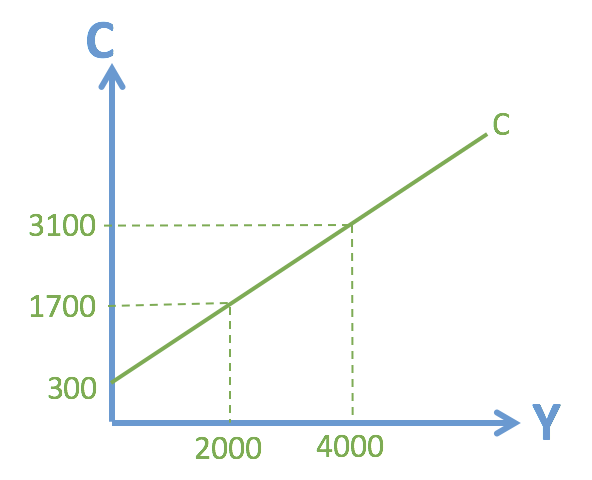
Seçenekler
A
300
B
400
C
1400
D
1700
E
3100
Açıklama:
If your answer is incorrect, review “Consumption and Saving”.
The part of the consumption expenditure, which is independent of income, is called autonomous consumption. In the given figure this corresponds to the consumption ash the point where Y=0 which is 300.
The part of the consumption expenditure, which is independent of income, is called autonomous consumption. In the given figure this corresponds to the consumption ash the point where Y=0 which is 300.
Soru 53
According to the following figure, what is the value of the marginal propensity to consume?
Seçenekler
A
0.3
B
0.5
C
0.7
D
0.9
E
1.1
Açıklama:
If your answer is incorrect, review “Consumption and Saving”.
The relationship between the change in income and the change in consumption is called marginal propensity to consume (MPC) and is defined as the ratio of consumption change to income change. Hence
MPC = (3100-1700) / (4000-2000) = 0.7
The relationship between the change in income and the change in consumption is called marginal propensity to consume (MPC) and is defined as the ratio of consumption change to income change. Hence
MPC = (3100-1700) / (4000-2000) = 0.7
Soru 54
According to the following figure, how much is the amount of autonomous consumption expenditure to be realized?
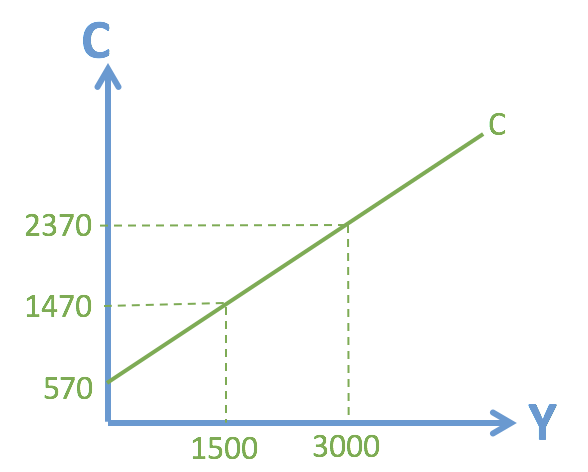
Seçenekler
A
300
B
435
C
570
D
645
E
760
Açıklama:
If your answer is incorrect, review “Consumption and Saving”.
The part of the consumption expenditure, which is independent of income, is called autonomous consumption. In the given figure this corresponds to the consumption ash the point where Y=0 which is 570.
The part of the consumption expenditure, which is independent of income, is called autonomous consumption. In the given figure this corresponds to the consumption ash the point where Y=0 which is 570.
Soru 55
According to the following figure, what is the value of the marginal propensity to save?
Seçenekler
A
0.2
B
0.4
C
0.6
D
0.8
E
0.9
Açıklama:
If your answer is incorrect, review “Consumption and Saving”.
The relationship between the change in income and the change in consumption is called marginal propensity to consume (MPC) and is defined as the ratio of consumption change to income change. Hence
MPC = (2370-1470) / (3000-1500) = 0.6
Similarly, marginal propensity to save (MPS) reveals the relationship between the income change and the saving change and is calculated as the ratio of the saving change to the income change. Furthermore the sum of marginal propensity to consume and marginal propensity to save has to be equal to 1 since the income that is earned must be consumed or saved. Hence
MPS = 1 - MPC = 1 - 0.6= 0.4
The relationship between the change in income and the change in consumption is called marginal propensity to consume (MPC) and is defined as the ratio of consumption change to income change. Hence
MPC = (2370-1470) / (3000-1500) = 0.6
Similarly, marginal propensity to save (MPS) reveals the relationship between the income change and the saving change and is calculated as the ratio of the saving change to the income change. Furthermore the sum of marginal propensity to consume and marginal propensity to save has to be equal to 1 since the income that is earned must be consumed or saved. Hence
MPS = 1 - MPC = 1 - 0.6= 0.4
Soru 56
For the given model below where the income (Y) is equal to the sum of consumption (C) and savings (S):
Y = C+ S,
under which condition marginal propensity to save is equal to the marginal propensity to consume?
Y = C+ S,
under which condition marginal propensity to save is equal to the marginal propensity to consume?
Seçenekler
A
Average propensity to save is greater than 100 and marginal propensity to save less than 0.4.
B
Margina propensity save is grater or equal to 0.9.
C
Elasticity of marginal propensity to save is less than average propensity to consume.
D
Average propensity toa save is less than marginal propensity to consume.
E
Marginal propensity to consume is 0.5.
Açıklama:
If your answer is incorrect, review “Marginal Propensity to Consume and Marginal Propensity to Save”.
Marginal propensity to consume (MPC) is the ratio of consumption change to income change. Marginal propensity to save (MPS) is the ratio of the saving change to the income change. Additionally the sum of marginal propensity to consume and marginal propensity to save has to be equal to 1 since the income that is earned must be consumed or saved:
MPC + MPS = 1
Therefore MPS=MPC when marginal propensity to consume is 0.5.
Marginal propensity to consume (MPC) is the ratio of consumption change to income change. Marginal propensity to save (MPS) is the ratio of the saving change to the income change. Additionally the sum of marginal propensity to consume and marginal propensity to save has to be equal to 1 since the income that is earned must be consumed or saved:
MPC + MPS = 1
Therefore MPS=MPC when marginal propensity to consume is 0.5.
Soru 57
What is the positive linear relationship between income and consumption expenditures called?
Seçenekler
A
Consumption function
B
Negative saving
C
Autonomous consumption
D
Disposable Income
E
Interest rate
Açıklama:
If your answer is incorrect, review “Consumption and Saving”.
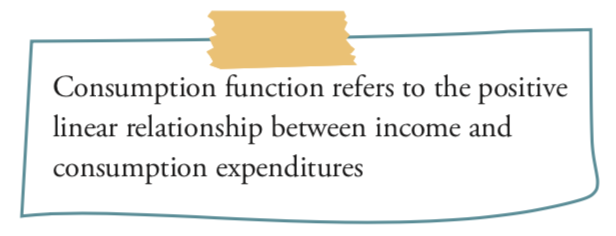
Soru 58
If the income is 7500 TL, the consumption expenditure is 5775 TL, what is the value of the average propensity to save?
Seçenekler
A
0.05
B
0.11
C
0.23
D
0.59
E
0.77
Açıklama:
If your answer is incorrect, review “Marginal Propensity to Consume and Marginal Propensity to Save”.
APC =5775/7500 = 0.77. Since “APS = 1 - APC”, it can be easily calculated as APS = 0.23
APC =5775/7500 = 0.77. Since “APS = 1 - APC”, it can be easily calculated as APS = 0.23
Soru 59
Which one below is not one of the principal factors that affect consumption expenditures?
Seçenekler
A
Disposable income
B
Technological change
C
Wealth
D
Demographic factors
E
Expectations
Açıklama:
If your answer is incorrect, review “Factors that Effect Consumption Expenditures”.
Technological change is not one of the principal factors that affect consumption expenditures.
Technological change is not one of the principal factors that affect consumption expenditures.
Soru 60
Which is one of the factors that affect planned investments?
Seçenekler
A
Expectations
B
Capacity utilization
C
Wealth
D
Demographic factors
E
Disposable income
Açıklama:
If your answer is incorrect, review “Factors Determining Investments”.
If a firm intensively uses the capital stock that it owns, it will want to add that stock. Thus capacity utilization is one of the factors that affect planned investments.
If a firm intensively uses the capital stock that it owns, it will want to add that stock. Thus capacity utilization is one of the factors that affect planned investments.
Soru 61
I. Consumption
II. Saving
III. Wages
Which of the above is (are) included in three ways of using of household's earned income?
II. Saving
III. Wages
Which of the above is (are) included in three ways of using of household's earned income?
Seçenekler
A
III
B
I
C
II
D
I and II
E
I and III
Açıklama:
Households use the income they earn in three different ways. They can spend their income for the consumption of goods and services, saving money and paying taxes. If we consider that the tax, which will be included in the model later, is not the case at this stage, the income (Y) will be equal to the sum of consumption (C) and savings (S): Y = C + S
Soru 62
The part of consumption expenditure, which is independent of income, is called ............ consumption.
Which of the following should fill the blank above?
Which of the following should fill the blank above?
Seçenekler
A
saving
B
autonomous
C
negative
D
profitable
E
increasing
Açıklama:
Note that even if the income level is zero, consumption expenditures are positive. This shows that there is a part of the consumption expenditures that is not related to income. This part of the consumption expenditure, which is independent of income, is called autonomous consumption.
Soru 63
"The linear and ……… relationship between income and consumption expenditures is called consumption function."
Which of the following correctly completes the above statement?
Which of the following correctly completes the above statement?
Seçenekler
A
Reverse
B
Negative
C
Positive
D
Infinite
E
Homogenous
Açıklama:
The relationship between two variables is positive in terms of consumption function.
Soru 64
What is the meaning of intersection point of 45 degree line and consumption function?
Seçenekler
A
Y = S
B
C = S
C
Y = C
D
Y = c + S
E
Y = 0
Açıklama:
When Y = C, consumption function and 45 degree line intesect.
Soru 65
When does negative saving occur in the economy?
Seçenekler
A
C > Y
B
C = 0
C
Y = C
D
Y > C
E
C = S
Açıklama:
If the society consumes more than its income, negative savaing is present in the economy.
Soru 66
I. Change in consumption
II. Change in income
III. Change in government expenditures
To calculate marginal propensity to consume, which of the following correctly specifies the changes listed above?
II. Change in income
III. Change in government expenditures
To calculate marginal propensity to consume, which of the following correctly specifies the changes listed above?
Seçenekler
A
I and II
B
I and III
C
II and III
D
I, II and III
E
Only III
Açıklama:
Marginal propensity to consume is the ratio od changes in consumption to change in income.
Soru 67
If we draw investment function as autonomous, which of the following should be placed in the horizontal axis?
Seçenekler
A
Expected profit
B
Capacity utilization
C
Technological change
D
Income
E
Interest rate
Açıklama:
If investments are autonomous, it means they are independent of income.
Soru 68
"Unplanned inventory investment is the unplanned change in ………".
Which of the following correctly completes the above statement?
Which of the following correctly completes the above statement?
Seçenekler
A
Profits
B
Capital goods
C
Capacity utilization
D
Stocks
E
Consumption expenditures
Açıklama:
Unplanned inventory investment includes the unplanned change in stocks.
Soru 69
Which of the following represents an increase in the government expenditure?
Seçenekler
A
Upward parallel shift
B
Downward parallel shift
C
Leftward parallel shift
D
Rightward parallel shift
E
Downward steepening shift
Açıklama:
Upward shift of the government expenditure function shows an increase in government expenditures.
Soru 70
" ………… is the ratio of change in import to change in income."
Which of the following correctly completes the above statement?
Which of the following correctly completes the above statement?
Seçenekler
A
Average propensity to import
B
Marginal propensity to import
C
Average propensity of foreign trade
D
Marginal propensity of foreign trade
E
Average propensity to export
Açıklama:
Margianl propensity to import is the ratio of change in import to change in income.
Soru 71
What is the slope of the net export function?
Seçenekler
A
Zero
B
Negative
C
Positive
D
Infinite
E
Undefinite
Açıklama:
Net export function has a negative slope.
Soru 72
Which of the following is not a component of aggregate expenditure function?
Seçenekler
A
Reserves
B
Investment
C
Government expenditures
D
Consumption
E
Net export
Açıklama:
Aggregate expenditure is the sum of consumption, investment, government and net export expenditures.
Soru 73
Which of the following refers to the positive linear relationship between income and consumption expenditures?
Seçenekler
A
Production function
B
Consumption function
C
Income function
D
Investment function
E
Government expenditure function
Açıklama:
Consumption funciton refers to the positive linear relationship between income and consumption expenditures. Answer is B.
Soru 74
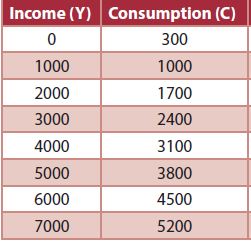 According to the table above, when the income is 3000 TL and the consumption expenditures are 2400 TL, which of the following is equal to the savings?
Seçenekler
A
400
B
500
C
-500
D
600
E
-600
Açıklama:
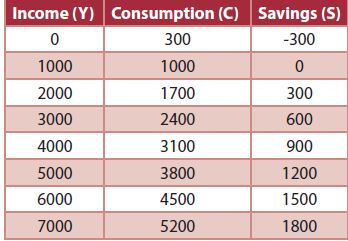 Savings are 600 when Y=3000 and C=2400, from the equation Y=C+S. Answer is D.
Soru 75
Which of the following refers to the portion of consumption expenditures that is independent of income?
Seçenekler
A
Disposable income
B
Fixed cost
C
Variable cost
D
Autonomous consumption
E
Autonomous investment
Açıklama:
Autonomous consumption is the portion of consumption expenditures that is
independent of income. Answer is D.
independent of income. Answer is D.
Soru 76
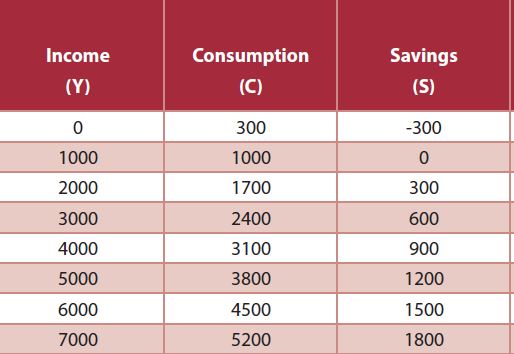 According to the table above, which of the following is equal to the marginal propensity to consume (MPC) when income is 4000 TL and consumption is 3100 TL and savings is 900 TL?
Seçenekler
A
0.3
B
0.4
C
0.5
D
0.6
E
0.7
Açıklama:

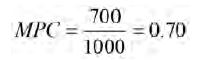 Answer is E.
Soru 77
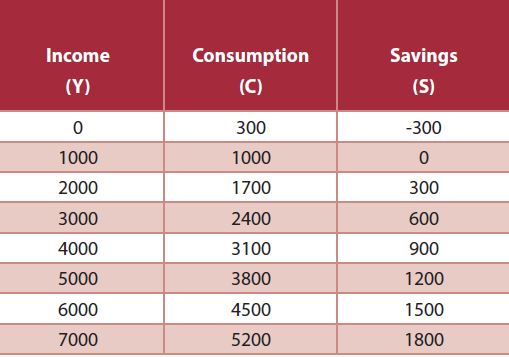 According to the table above, which of the following is equal to the marginal propensity to save (MPS) when income is 6000 TL, consumption is 4500 TL and savings is 1500 TL?
Seçenekler
A
0.3
B
0.4
C
0.5
D
0.6
E
0.7
Açıklama:
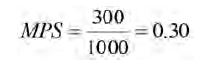
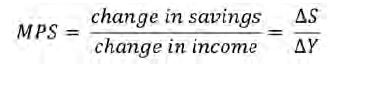 Answer is A.
Soru 78
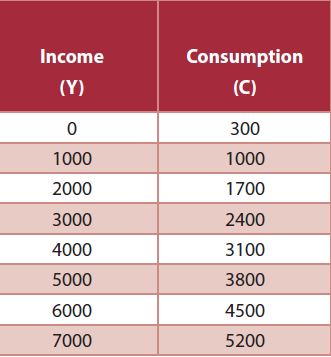 If income level is 2000 TL and consumption is 1700 TL, which of the following is equal to the marginal propensity to save (MPS)?
Seçenekler
A
0.1
B
0.2
C
0.3
D
0.4
E
0.5
Açıklama:
In this case, MPC =700/1000=0.7. Since MPC+MPS=1, MPS=1-MPC=1-0.7=0.3
Answer is C.
Answer is C.
Soru 79
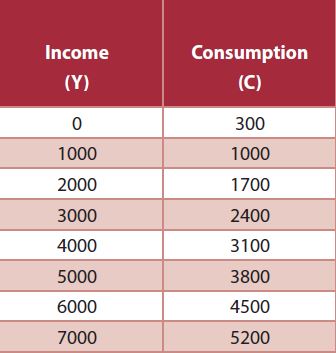 According to the table above, which of the following is equal to the average propensity to save (APS) when income is 2000 TL and consumption is 1700 TL?
Seçenekler
A
0.10
B
0.15
C
0.20
D
0.25
E
0.30
Açıklama:
ın this case, the average propensity to consume (APC) is C/Y=1700/2000= 0.85. Since APC +APS=1, APS=1.0.85=0.15
Answer is B.
Answer is B.
Soru 80
Assume that there is an increase in wealth, which of the following would be the result of this change?
Seçenekler
A
A parallel shift to the left in the consumption function
B
A parallel shift to the right in the consumption function
C
A parallel shift to the right in the investment function
D
A parallel shift to the left in the investment function
E
A parallel shift to the left in the government expenditure function
Açıklama:
When the wealth of households increases, the available resources that can be allocated for spending increase, too. As a result, the amount of consumption expenditure at each income level will increase. this means that there will be a parallel shift to the right in the consumption funciton. Answer is B.
Soru 81
Which of the following can be the possible result of the increase in expectations of consumers about that there will be a stagnation in the economy?
Seçenekler
A
A leftward shift in the saving function
B
A rightward shift in the investment function
C
A leftward shift in the consumption function
D
A rightward shift in the consumption function
E
A rightward shift in the income function
Açıklama:
If consumers expect a stagnation in the economy, they expect that they will lose their jobs or their working hours will be reduced. In this case, they will reduce their consumption expenditures and therefore they will save more. Answer is C.
Soru 82
When the interest rate increases, which of the following would you expect to occur?
Seçenekler
A
Investment expenditures will increase
B
Investment expenditures will decrease
C
Consumption expenditures will increase
D
Planned inventory investment will increase
E
Unplanned inventory investment will increase
Açıklama:
If the cost of borrowing, i.e., interest rate, increases, fewer investment projects will become profitable. Accordingly, when the interest rate increases, investment expenditures will decrease. Answer is B.
Soru 83
Lets suppose that autonomous consumption increases. Then which of the followings is (are) true?
I. Consumption function shifts parallelly
II. Consumption function's slope will change
III. Saving function shifts parallelly
I. Consumption function shifts parallelly
II. Consumption function's slope will change
III. Saving function shifts parallelly
Seçenekler
A
I
B
I and II
C
I and III
D
II
E
I, II and III
Açıklama:
Notice that the changes in the autonomous components parallelly shift the consumption and saving functions up or down.
Soru 84
When the capacity utilization rate is ........., investment expenditures will also tend to ..............
Fill in the blanks above respectively.
Fill in the blanks above respectively.
Seçenekler
A
constant; constant
B
low; decrease
C
constant; decrease
D
low; increase
E
decrease; increase
Açıklama:
If a firm intensively uses the capital stock that it owns, it will want to add that stock. However, if part of the current capital stock is idle, the firm does not tend to make any increase in the capital stock it owns. When we look at the economy as a whole, the fact that the current capacity is used at a higher rate will put pressure on the increase of capital goods production and the expansion of productive capacity. On the other hand, when the capacity utilization rate is low (that is, the amount of plants and equipment that are idle in the economy increases), investment expenditures will also tend to decrease.
Soru 85
Suppose C = 100
I = 150
G = 50 and
AE = 500,
then what should be NX ?
I = 150
G = 50 and
AE = 500,
then what should be NX ?
Seçenekler
A
200
B
150
C
- 150
D
50
E
600
Açıklama:
The aggregate expenditure function is obtained by summing up each of the planned expenditure functions described above. Aggregate expenditures (AE) are composed of consumption (C), investment (I), government expenditure (G) and net export (NX):
AE = C + I + G + NX
AE = C + I + G + NX
Soru 86
| Y | C | I | G | NX |
| 1000 | 250 | 300 | 200 | 250 |
| 2000 | 500 | 300 | 200 | 0 |
| 3000 | 750 | 300 | 200 | - 250 |
Seçenekler
A
0,25
B
0,1
C
0,6
D
0,8
E
0,05
Açıklama:
MPC = change in consumption / change in income
Soru 87
Y | C | I | G | NX |
1000 | 250 | 300 | 200 | 250 |
2000 | 500 | 300 | 200 | 0 |
3000 | 750 | 300 | 200 | - 250 |
According to data given at the table above, what is the value of the marginal propensity to save (MPS)?
Seçenekler
A
0,1
B
0,25
C
0,9
D
0,95
E
0,75
Açıklama:
MPS is defined as: ΔS / ΔY
Where: ΔS is the change in saving, and ΔY is the change in income.
We know that the income is either consumed or saved: Y = C+S
When we arrange the terms above we get: S=Y−C
We can calculate Savings (S) at different income levels:
At Y = 1000, consumption is = 250: S = Y-C = 1000-250 = 750
At Y = 2000: consumption is = 500: S = Y-C = 2000-500 = 1500
At Y = 3000: consumption is = 750: S = Y-C = 3000-750 = 2250
Calculate MPS:
Use two different levels of income (say, from Y = 1000 to Y = 2000):
ΔS = 1500-750 = 750
ΔY = 2000−1000 = 1000
MPS = 750 / 1000 = 0.75
Double-check from Y = 2000 to Y = 3000:
ΔS = 2250 - 1500 = 750
ΔY= 3000-2000 = 1000
MPS = 750/1000 = 0.75
The correct answer is E.
Where: ΔS is the change in saving, and ΔY is the change in income.
We know that the income is either consumed or saved: Y = C+S
When we arrange the terms above we get: S=Y−C
We can calculate Savings (S) at different income levels:
At Y = 1000, consumption is = 250: S = Y-C = 1000-250 = 750
At Y = 2000: consumption is = 500: S = Y-C = 2000-500 = 1500
At Y = 3000: consumption is = 750: S = Y-C = 3000-750 = 2250
Calculate MPS:
Use two different levels of income (say, from Y = 1000 to Y = 2000):
ΔS = 1500-750 = 750
ΔY = 2000−1000 = 1000
MPS = 750 / 1000 = 0.75
Double-check from Y = 2000 to Y = 3000:
ΔS = 2250 - 1500 = 750
ΔY= 3000-2000 = 1000
MPS = 750/1000 = 0.75
The correct answer is E.
Soru 88
| Y | C | I | G | NX |
| 1000 | 250 | 300 | 200 | 250 |
| 2000 | 500 | 300 | 200 | 0 |
| 3000 | 750 | 300 | 200 | - 250 |
Seçenekler
A
1
B
0,5
C
0,15
D
0,25
E
0,8
Açıklama:
MPI = change in import / change in income
Soru 89
When the cost of borrowing, i.e., interest rate, ............ fewer investment projects will become profitable.
Fill in the blank above.
Fill in the blank above.
Seçenekler
A
stays constant
B
has no power on
C
increases
D
decreases
E
is stagnant
Açıklama:
Interest Rate: The investment objective of a firm is to be able to obtain profit from this investment. For this reason, the higher the expected profitability of the investments is, the higher the investment amount will be. The main factor determining whether an investment is profitable is the interest rate. Interest rate can be defined as the cost of borrowing funds. A large part of the investment expenditures made by the enterprises is covered by borrowing. If the cost of borrowing, i.e., interest rate, increases, fewer investment projects will become profitable. Accordingly, when the interest rate increases, investment expenditures will decrease and when the interest rate falls, investments will increase
Soru 90
What is the term used for "level of investment expenditures which is determined independent of income"?
Seçenekler
A
independent economy
B
savings
C
national interest rate
D
autonomous investments
E
independent consumption
Açıklama:
Autonomous investments refer to the level of investment expenditures which is determined independent of income.
Soru 91
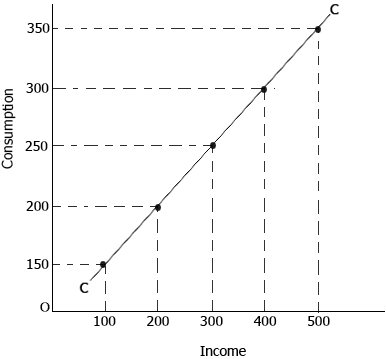 According to the figure, how much is the amount of autonomous consumption expenditure to be realized?
Seçenekler
A
100
B
150
C
200
D
250
E
300
Açıklama:
The consumption expenditure, which is independent of income, is called autonomous consumption.
Autonomous consumption is equal to 150.
Autonomous consumption is equal to 150.
Soru 92
Which of the following is the marginal propensity to consume for the consumption function in the figure?Seçenekler
A
0.50
B
0.60
C
0.70
D
0.80
E
085
Açıklama:
This relationship between the change in income and the change in consumption is called marginal propensity to consume (MPC) and is defined as the ratio of consumption change to income change: 50/100=0.50
When there is a 100 TL change in income, the consumption changes 50 TL.
When there is a 100 TL change in income, the consumption changes 50 TL.
Soru 93
How should the marginal propensity to save in the saving function obtained according to the consumption function in the figure?Seçenekler
A
0.25
B
0.30
C
0.40
D
0.50
E
0.60
Açıklama:
The sum of marginal propensity to consume and marginal propensity to save has to be equal to 1 since the income that is earned must be consumed or saved: MPC + MPS = 1
For the consumption function, MPC is 0.50. Because of this equation MPS+MPC=1, MPS is 0.50.
For the consumption function, MPC is 0.50. Because of this equation MPS+MPC=1, MPS is 0.50.
Soru 94
The estimated consumption function for an economy is C=800+0.83Y. Which of the following is a marginal propensity to save for this economy?
Seçenekler
A
13
B
15
C
17
D
43
E
83
Açıklama:
The sum of marginal propensity to consume and marginal propensity to save has to be equal to 1 since the income that is earned must be consumed or saved: MPC + MPS = 1
MPC+MPS=1.
So MPS=1-MPC.
MPS=1-0.83=0.17
MPC+MPS=1.
So MPS=1-MPC.
MPS=1-0.83=0.17
Soru 95
Which of the following will affect consumption negatively?
Seçenekler
A
increase in current income
B
increase in wealth
C
increase in pessimistic expectations
D
increase in optimistic expectations
E
increase in transfer payments
Açıklama:
Pessimistic expectations about the future of the economy increase precautionary savings.
The consumption is negatively affected by an increase in pessimistic expectations.
The consumption is negatively affected by an increase in pessimistic expectations.
Soru 96
when the capacity utilization rate is ....., investment expenditures tend to decrease.
Seçenekler
A
high
B
low
C
full
D
stable
E
constant
Açıklama:
Low capacity utilization rate means that the amount of plants and equipment that are idle in the economy. Because of that investment expenditures will also tend to decrease.
When the capacity utilization rate is low, investment expenditures will also tend to decrease.
When the capacity utilization rate is low, investment expenditures will also tend to decrease.
Soru 97
As the price of capital goods increases, the ................ for investment will decrease.
Seçenekler
A
expected income
B
expected return
C
expected profit
D
expected sales
E
expected costs
Açıklama:
As the price of capital goods increases, the expected profitability of the investment will decrease
As the price of capital goods increases, the expected profit for investment will decrease.
As the price of capital goods increases, the expected profit for investment will decrease.
Soru 98
The main factor determining whether an investment is profitable is ................
Seçenekler
A
sales
B
profit
C
interest rate
D
exchange rate
E
expectations
Açıklama:
The interest rate can be defined as the cost of borrowing funds. A large part of the investment expenditures made by the enterprises is covered by borrowing. If the cost of borrowing, i.e., interest rate, increases, fewer investment projects will become profitable.
The main factor determining whether an investment is profitable is the interest rate.
The main factor determining whether an investment is profitable is the interest rate.
Soru 99
When there is an increase of 1500 TL in average income, the import raise as 225 TL. What is marginal propensity to consume for this economy?
Seçenekler
A
% 12.5
B
% 15
C
% 18
D
% 20
E
% 22.5
Açıklama:
The marginal propensity to import (MPI) is the ratio of the change in import to change in income.
225/1500=0.15=%15
225/1500=0.15=%15
Soru 100
The slope of the AE curve for a closed economy different from the slope of the AE curve for an open economy because of ..........
Seçenekler
A
savings
B
goverment purchases
C
taxes
D
export
E
import
Açıklama:
Because of import in an economy, some part of income consumes for the imported goods and services. It means that domestic production will be negatively affected and decreases.
The slope of the AE curve for a closed economy different from the slope of the AE curve for an open economy because of import.
The slope of the AE curve for a closed economy different from the slope of the AE curve for an open economy because of import.
Soru 101
What kind of relationship exist between income and consumption expenditures?
Seçenekler
A
A non-linear and positive relationship between income and consumption expenditures,
B
A linear and negative relationship between income and consumption expenditures,
C
A linear and positive relationship between income and consumption expenditures,
D
A non-linear and negative relationship between income and consumption expenditures,
E
Only a linear relationship between income and consumption expenditures.
Açıklama:
CONSUMPTION AND SAVING
Households use the income they earn in three different ways. They can spend their income for the consumption of goods and services, saving money and paying taxes. If we consider that the tax, which will be included in the model later, is not the case at this stage, the income (Y) will be equal to the sum of consumption (C) and savings (S):
Y = C + S
Therefore, the portion of income that is not consumed can be defined as savings. It is not possible to distinguish between the factors that encourage consumption and those that encourage savings, which we are interested in.
The main factor determining the consumption expenditures to be made in a given period is the income level. Along with the increase in income, the desire and purchasing power of households to make consumption expenditures also increases. This linear and positive relationship between income and consumption expenditures is called consumption function.
Households use the income they earn in three different ways. They can spend their income for the consumption of goods and services, saving money and paying taxes. If we consider that the tax, which will be included in the model later, is not the case at this stage, the income (Y) will be equal to the sum of consumption (C) and savings (S):
Y = C + S
Therefore, the portion of income that is not consumed can be defined as savings. It is not possible to distinguish between the factors that encourage consumption and those that encourage savings, which we are interested in.
The main factor determining the consumption expenditures to be made in a given period is the income level. Along with the increase in income, the desire and purchasing power of households to make consumption expenditures also increases. This linear and positive relationship between income and consumption expenditures is called consumption function.
Soru 102
What is the consumption function and what is the sign of it?
Seçenekler
A
Positive relationship between income and saving is called consumption function.
B
Consumption function refers to the positive linear relationship between income and consumption expenditures
C
Negative relationship between income and consumption expenditures is called consumption function.
D
Positive relationship between saving and consumption expenditures is called consumption function.
E
Positive relationship between interest rate and consumption expenditures is called consumption function.
Açıklama:
CONSUMPTION AND SAVING
Households use the income they earn in three different ways. They can spend their income for the consumption of goods and services, saving money and paying taxes. If we consider that the tax, which will be included in the model later, is not the case at this stage, the income (Y) will be equal to the sum of consumption (C) and savings (S):
Y = C + S
Therefore, the portion of income that is not consumed can be defined as savings. It is not possible to distinguish between the factors that encourage consumption and those that encourage savings, which we are interested in.
The main factor determining the consumption expenditures to be made in a given period is the income level. Along with the increase in income, the desire and purchasing power of households to make consumption expenditures also increases. This linear and positive relationship between income and consumption expenditures is called consumption function.
Households use the income they earn in three different ways. They can spend their income for the consumption of goods and services, saving money and paying taxes. If we consider that the tax, which will be included in the model later, is not the case at this stage, the income (Y) will be equal to the sum of consumption (C) and savings (S):
Y = C + S
Therefore, the portion of income that is not consumed can be defined as savings. It is not possible to distinguish between the factors that encourage consumption and those that encourage savings, which we are interested in.
The main factor determining the consumption expenditures to be made in a given period is the income level. Along with the increase in income, the desire and purchasing power of households to make consumption expenditures also increases. This linear and positive relationship between income and consumption expenditures is called consumption function.
Soru 103
Which of the following statement is correct about the Marginal propensity to consume?
Seçenekler
A
Marginal propensity to consume is the ratio of consumption change to income change.
B
Marginal propensity to consume is the ratio of consumption to income.
C
Marginal propensity to consume is the ratio of average consumption to average income.
D
Marginal propensity to consume is the ratio of income change to consumption change.
E
Marginal propensity to consume is the ratio of consumption change to saving change.
Açıklama:
Marginal Propensity to Consume and Marginal Propensity to Save
Consumption expenditures are composed of the sum of autonomous consumption and consumption expenditures related to the income (induced consumption). As we discussed above, an increase in the level of income also increases consumption expenditures related to income. This relationship between the change in income and the change in consumption is called marginal propensity to consume (MPC) and is defined as the ratio of consumption change to income change:
MPC = Change in consumption / Change in Income
Consumption expenditures are composed of the sum of autonomous consumption and consumption expenditures related to the income (induced consumption). As we discussed above, an increase in the level of income also increases consumption expenditures related to income. This relationship between the change in income and the change in consumption is called marginal propensity to consume (MPC) and is defined as the ratio of consumption change to income change:
MPC = Change in consumption / Change in Income
Soru 104
The sum of marginal propensity to consume and marginal propensity to save has to be equal to which value?
Seçenekler
A
the sum of marginal propensity to consume and marginal propensity to save has to be equal to 0,
B
the sum of marginal propensity to consume and marginal propensity to save has to be between 0 and 1,
C
the sum of marginal propensity to consume and marginal propensity to save has to be between -1 and 0,
D
the sum of marginal propensity to consume and marginal propensity to save has to be equal to -1,
E
the sum of marginal propensity to consume and marginal propensity to save has to be equal to 1.
Açıklama:
Marginal Propensity to Consume and Marginal Propensity to Save
Consumption expenditures are composed of the sum of autonomous consumption and consumption expenditures related to the income (induced consumption). As we discussed above, an increase in the level of income also increases consumption expenditures related to income. This relationship between the change in income and the change in consumption is called marginal propensity to consume (MPC) and is defined as the ratio of consumption change to income change:
MPC = Change in consumption / Change in Income
On the other hand, the sum of marginal propensity to consume and marginal propensity to save has to be equal to 1 since the income that is earned must be consumed or saved: MPC + MPS = 1
Consumption expenditures are composed of the sum of autonomous consumption and consumption expenditures related to the income (induced consumption). As we discussed above, an increase in the level of income also increases consumption expenditures related to income. This relationship between the change in income and the change in consumption is called marginal propensity to consume (MPC) and is defined as the ratio of consumption change to income change:
MPC = Change in consumption / Change in Income
On the other hand, the sum of marginal propensity to consume and marginal propensity to save has to be equal to 1 since the income that is earned must be consumed or saved: MPC + MPS = 1
Soru 105
How the slope of the consumption function is defined and if it steeper what it indicates?
Seçenekler
A
Average propensity to consume is the slope of the consumption function and the steeper the function is, the higher the slope will be.
B
Marginal cost is the slope of the consumption function and the steeper the function is, the higher the slope will be.
C
Marginal propensity to consume is the slope of the consumption function and the steeper the function is, the lower the slope will be.
D
Marginal propensity to consume is the slope of the consumption function and the steeper the function is, the higher the slope will be.
E
Marginal propensity to consume is the slope of the consumption function and the steeper the function is, the infinite the slope will be.
Açıklama:
Marginal Propensity to Consume and Marginal Propensity to Save Marginal propensity to consume is the slope of the consumption function and marginal propensity to save is the slope of the saving function. From your Introduction to Economics-I course, remember that the steeper the function is, the higher the slope will be. For example, starting from the same autonomous expenditure level, from two different consumption functions, the steeper one will have a higher slope. Therefore, the MPC, this consumption function represents will be higher relative to the other one.
Soru 106
Which of the fallowing factor is not listed among the factors that affect consumption expenditures?
Seçenekler
A
Inflation,
B
Disposable Income,
C
Wealth,
D
Expectations,
E
Demographic Factors (population)
Açıklama:
Factors that Effect Consumption Expenditures
There are different factors that influence the consumption decisions of households. Some of these factors are not related to income. Changes in factors that affect consumption other than income are changes in autonomous consumption. In this case the consumption function shifts downward or upward as a whole. Now we can turn to principal factors that affect consumption expenditures.
Disposable Income,
Wealth: Wealth is the value of all assets that households have. These include houses, automobiles, bank accounts, stocks and all kinds of assets such as income expected to be obtained in the future. When the wealth of households increases, the available resources that can be allocated for spending increase, too. As a result, the amount of consumption expenditure at each income level will increase.
Expectations: Another important factor for determining consumption is the expectations about future income, prices and wealth. For example, if consumers expect a stagnation in the economy, they expect that they will lose their jobs or their working hours will be reduced. In this case, they will reduce their consumption expenditures and therefore they will save more.
Demographic Factors: When the other factors effecting consumption are assumed to be constant, an increase in population will increase consumption expenditures. Here, both the increase in the number of people in the country and the changes in the age composition of the population have an effect on the consumption expenditures. While the size of the population affects the location of the consumption function, the age composition of the population has an effect on the slope of the consumption function. Other factors being constant, an increase in the size of population leads to an increase in autonomous consumption, and therefore the consumption function shifts upward. Considering the age composition of the population, it is known that the young population spends more on durable consumption goods and therefore the young population has a higher marginal propensity to consume than the elderly population. Since the slope of consumption function is measured by MPC, the rising share of the young people in total population will make consumption function steeper.
There are different factors that influence the consumption decisions of households. Some of these factors are not related to income. Changes in factors that affect consumption other than income are changes in autonomous consumption. In this case the consumption function shifts downward or upward as a whole. Now we can turn to principal factors that affect consumption expenditures.
Disposable Income,
Wealth: Wealth is the value of all assets that households have. These include houses, automobiles, bank accounts, stocks and all kinds of assets such as income expected to be obtained in the future. When the wealth of households increases, the available resources that can be allocated for spending increase, too. As a result, the amount of consumption expenditure at each income level will increase.
Expectations: Another important factor for determining consumption is the expectations about future income, prices and wealth. For example, if consumers expect a stagnation in the economy, they expect that they will lose their jobs or their working hours will be reduced. In this case, they will reduce their consumption expenditures and therefore they will save more.
Demographic Factors: When the other factors effecting consumption are assumed to be constant, an increase in population will increase consumption expenditures. Here, both the increase in the number of people in the country and the changes in the age composition of the population have an effect on the consumption expenditures. While the size of the population affects the location of the consumption function, the age composition of the population has an effect on the slope of the consumption function. Other factors being constant, an increase in the size of population leads to an increase in autonomous consumption, and therefore the consumption function shifts upward. Considering the age composition of the population, it is known that the young population spends more on durable consumption goods and therefore the young population has a higher marginal propensity to consume than the elderly population. Since the slope of consumption function is measured by MPC, the rising share of the young people in total population will make consumption function steeper.
Soru 107
What kind of expenses incurred by firms are considered as the Investment expenditures?
Seçenekler
A
The Investment expenditures cover the expenses in capital goods and cars.
B
The Investment expenditures cover the expenses in capital goods and purchase of T-Bills.
C
The Investment expenditures cover the expenses in capital goods and inventories.
D
The Investment expenditures cover the expenses in capital goods and financial assets.
E
The Investment expenditures cover the expenses in financial assets.
Açıklama:
INVESTMENTS
Investment expenditures cover the expenses incurred by firms in capital goods and inventories. Among the aggregate expenditures, investments are the most volatile one.
Investment expenditures cover the expenses incurred by firms in capital goods and inventories. Among the aggregate expenditures, investments are the most volatile one.
Soru 108
Which of the following factor is not among the factors determining investments?
Seçenekler
A
Interest Rate,
B
Past Profit,
C
Technological Change,
D
Cost of Capital Goods,
E
Capacity Utilization,
Açıklama:
Factors Determining Investments
We have already stated that investment expenditures are made up of expenditures of firms on capital goods and stocks. Capital goods are the equipment they need to carry out production activities and the buildings that firms have. Stocks are composed of final unsold goods. Stocks may be planned or unplanned. For example, a tire firm will start to have enough winter tires in stock from the autumn to meet the winter tire demand which is expected to intensify in the winter months. Otherwise, the firm’s inadequate stock operation can lead to a reduction in sales and loss of revenue. For this reason, the investment made by this firm is a planned inventory investment - that is, a stock change. If the firm wants to keep as few unsold winter tires as possible in its stocks until the month of February, and there are still unsold winter tires in February when it comes, this is an unplanned inventory investment. Unplanned stock changes can be regarded as a sign showing that sales are not as good as expected and that there is too much production in the previous period.
Both types of inventory investments or stock changes are considered investment. However, only planned investments, together with other planned expenditures, are effective in determining the level of equilibrium production in an economy. Unplanned investments and undesirable stock changes do not have any impact on the equilibrium level of income. For this reason, economists are interested in factors that affect planned investments.
Interest Rate: The investment objective of a firm is to be able to obtain profit from this investment. For this reason, the higher the expected profitability of the investments is, the higher the investment amount will be. The main factor determining whether an investment is profitable is the interest rate. Interest rate can be defined as the cost of borrowing funds. A large part of the investment expenditures made by the enterprises is covered by borrowing. If the cost of borrowing, i.e., interest rate, increases, fewer investment projects will become profitable. Accordingly, when the interest rate increases, investment expenditures will decrease and when the interest rate falls, investments will increase.
Expected Profit: We have stated that firms are aiming for profit from investing. It is clear that the profit to be gained from an investment that a firm will realize is not certain. For this reason, in order to determine the appropriate amount of investment, firms use economic analyzing techniques to estimate the cost of the investment and the revenue to be obtained from that investment. For this reason, the factor that determines the amount of investment is the expected profitability of investment. There are a number of factors that affect the expected profitability of investments. These include, for example, entry of new firms into the market, political instability in the country, newly enacted laws, taxes or tax advantages provided by the government and general economic conditions in the world.
Technological Change: One of the main driving forces behind new investments is technological change. Realizing the production of a new product or using a new production technology can be extremely important in terms of staying within the industry. Technology is important for companies as it increases productivity at each stage in production processes. The use of technology also contributes to a reduction in production costs.
Cost of Capital Goods: Another factor that affects investment expenditures is the cost of capital goods. As the price of capital goods increases, the expected profitability of the investment will decrease and a contraction in investment volume will occur. One of the factors that cause rapid change in the cost of capital goods is the government’s tax policy. The investment incentives provided by the government (i.e., the tax deduction of the cost of the investment) will affect the cost as well as the amount of investment. In this sense, a reduction in the cost of the investment will result in an increase in investment expenditures.
Capacity Utilization: If a firm intensively uses the capital stock that it owns, it will want to add that stock. However, if part of the current capital stock is idle, the firm does not tend to make any increase in the capital stock it owns. When we look at the economy as a whole, the fact that the current capacity is used at a higher rate will put pressure on the increase of capital goods production and the expansion of productive capacity. On the other hand, when the capacity utilization rate is low (that is, the amount of plants and equipment that are idle in the economy increases), investment expenditures will also tend to decrease.
We have already stated that investment expenditures are made up of expenditures of firms on capital goods and stocks. Capital goods are the equipment they need to carry out production activities and the buildings that firms have. Stocks are composed of final unsold goods. Stocks may be planned or unplanned. For example, a tire firm will start to have enough winter tires in stock from the autumn to meet the winter tire demand which is expected to intensify in the winter months. Otherwise, the firm’s inadequate stock operation can lead to a reduction in sales and loss of revenue. For this reason, the investment made by this firm is a planned inventory investment - that is, a stock change. If the firm wants to keep as few unsold winter tires as possible in its stocks until the month of February, and there are still unsold winter tires in February when it comes, this is an unplanned inventory investment. Unplanned stock changes can be regarded as a sign showing that sales are not as good as expected and that there is too much production in the previous period.
Both types of inventory investments or stock changes are considered investment. However, only planned investments, together with other planned expenditures, are effective in determining the level of equilibrium production in an economy. Unplanned investments and undesirable stock changes do not have any impact on the equilibrium level of income. For this reason, economists are interested in factors that affect planned investments.
Interest Rate: The investment objective of a firm is to be able to obtain profit from this investment. For this reason, the higher the expected profitability of the investments is, the higher the investment amount will be. The main factor determining whether an investment is profitable is the interest rate. Interest rate can be defined as the cost of borrowing funds. A large part of the investment expenditures made by the enterprises is covered by borrowing. If the cost of borrowing, i.e., interest rate, increases, fewer investment projects will become profitable. Accordingly, when the interest rate increases, investment expenditures will decrease and when the interest rate falls, investments will increase.
Expected Profit: We have stated that firms are aiming for profit from investing. It is clear that the profit to be gained from an investment that a firm will realize is not certain. For this reason, in order to determine the appropriate amount of investment, firms use economic analyzing techniques to estimate the cost of the investment and the revenue to be obtained from that investment. For this reason, the factor that determines the amount of investment is the expected profitability of investment. There are a number of factors that affect the expected profitability of investments. These include, for example, entry of new firms into the market, political instability in the country, newly enacted laws, taxes or tax advantages provided by the government and general economic conditions in the world.
Technological Change: One of the main driving forces behind new investments is technological change. Realizing the production of a new product or using a new production technology can be extremely important in terms of staying within the industry. Technology is important for companies as it increases productivity at each stage in production processes. The use of technology also contributes to a reduction in production costs.
Cost of Capital Goods: Another factor that affects investment expenditures is the cost of capital goods. As the price of capital goods increases, the expected profitability of the investment will decrease and a contraction in investment volume will occur. One of the factors that cause rapid change in the cost of capital goods is the government’s tax policy. The investment incentives provided by the government (i.e., the tax deduction of the cost of the investment) will affect the cost as well as the amount of investment. In this sense, a reduction in the cost of the investment will result in an increase in investment expenditures.
Capacity Utilization: If a firm intensively uses the capital stock that it owns, it will want to add that stock. However, if part of the current capital stock is idle, the firm does not tend to make any increase in the capital stock it owns. When we look at the economy as a whole, the fact that the current capacity is used at a higher rate will put pressure on the increase of capital goods production and the expansion of productive capacity. On the other hand, when the capacity utilization rate is low (that is, the amount of plants and equipment that are idle in the economy increases), investment expenditures will also tend to decrease.
Soru 109
Net export function will not shift (move up or down) depending on changes in which of the following factor?
Seçenekler
A
income levels,
B
prices of similar goods,
C
preferences of other countries,
D
changes in imports or exports of the country,
E
foreign exchange rates.
Açıklama:
Net Export Function
In your textbook, the last column of Table 2.3 contains the net export values defined as the difference between exports and imports. Remember that we assumed export amount as autonomous (independent from domestic income) and imports increase depending on the increase in income. For this reason, the net export volume will decrease as income increases. Given this tendency of net export it is possible to draw the net export function (NX) as in Figure 2.6. This tendency of the net export function, which shows a decreasing sloping pattern, is actually equal to the marginal propensity to import.
Another feature of the net export function is that it is the only component that can have a negative value in aggregate expenditures. We have already mentioned that the negative net export value can emerge in cases where the import volume of the home country exceeds her export volume.
Net export function will move up or down depending on changes in income levels, prices of similar goods, preferences of other countries, restrictions imposed by governments on international trade and foreign exchange rates. For example, an increase in the income of other countries causes an increase in the export volume of the home country and by raising the net export volume, it shifts the net export function upward.
In your textbook, the last column of Table 2.3 contains the net export values defined as the difference between exports and imports. Remember that we assumed export amount as autonomous (independent from domestic income) and imports increase depending on the increase in income. For this reason, the net export volume will decrease as income increases. Given this tendency of net export it is possible to draw the net export function (NX) as in Figure 2.6. This tendency of the net export function, which shows a decreasing sloping pattern, is actually equal to the marginal propensity to import.
Another feature of the net export function is that it is the only component that can have a negative value in aggregate expenditures. We have already mentioned that the negative net export value can emerge in cases where the import volume of the home country exceeds her export volume.
Net export function will move up or down depending on changes in income levels, prices of similar goods, preferences of other countries, restrictions imposed by governments on international trade and foreign exchange rates. For example, an increase in the income of other countries causes an increase in the export volume of the home country and by raising the net export volume, it shifts the net export function upward.
Soru 110
What is the reason that the slope of the aggregate expenditure function (AE) is smaller than the slope of the functions C, C + I and C + I + G?
Seçenekler
A
The reason is that the net export function has a positive slope.
B
The reason is that the consumption function has a negative slope.
C
The reason is that the investment function has a negative slope.
D
The reason is that the government expenditures are autonomous.
E
The reason is that the net export function has a negative slope.
Açıklama:
AGGREGATE EXPENDITURE FUNCTION
The aggregate expenditure function is obtained by summing up each of the planned expenditure functions described above. Aggregate expenditures (AE) are composed of consumption (C), investment (I), government expenditure (G) and net export (NX): AE = C + I + G + NX
The aggregate expenditure function (AE) can also be obtained graphically with the vertical aggregation of individual expenditure functions. If we first draw the consumption function (C) and add the 500 TL planned autonomous investments at each level of income, we obtain the C + I curve. Then if we add 700 TL planned government expenditures at each level of income, we get the C + I + G curve. Finally, by adding the net export function that will be realized at each level of income, the C + I + G + NX curve or the AE function is attained.
When we carefully examine the figure, we see that the functions C, C + I and C + I + G are parallel to each other. This indicates that all of the mentioned functions have the same slope, which is equal to the marginal propensity to consume. That is why I and G are autonomous in the model. On the other hand, the slope of the AE function is smaller than the slope of the other functions. The reason is that the net export function has a negative slope. When we add the NX function to the C + I + G function, the slope of the aggregate expenditure function decreases. For this reason, the AE function is more horizontal than the C + I + G function.
The aggregate expenditure function is obtained by summing up each of the planned expenditure functions described above. Aggregate expenditures (AE) are composed of consumption (C), investment (I), government expenditure (G) and net export (NX): AE = C + I + G + NX
The aggregate expenditure function (AE) can also be obtained graphically with the vertical aggregation of individual expenditure functions. If we first draw the consumption function (C) and add the 500 TL planned autonomous investments at each level of income, we obtain the C + I curve. Then if we add 700 TL planned government expenditures at each level of income, we get the C + I + G curve. Finally, by adding the net export function that will be realized at each level of income, the C + I + G + NX curve or the AE function is attained.
When we carefully examine the figure, we see that the functions C, C + I and C + I + G are parallel to each other. This indicates that all of the mentioned functions have the same slope, which is equal to the marginal propensity to consume. That is why I and G are autonomous in the model. On the other hand, the slope of the AE function is smaller than the slope of the other functions. The reason is that the net export function has a negative slope. When we add the NX function to the C + I + G function, the slope of the aggregate expenditure function decreases. For this reason, the AE function is more horizontal than the C + I + G function.
Soru 111
Which of the following does refer to the positive linear relationship between income and consumption expenditures?
Seçenekler
A
Consumption function
B
Investment function
C
Government expentidure function
D
Exports expenditure function
E
Import expenditure function
Açıklama:
If your answer is incorrect, review “consumption and saving”.
Consumption function refers to the positive linear relationship between income and consumption expenditures
Consumption function refers to the positive linear relationship between income and consumption expenditures
Soru 112
Which of the following does refer to the relationship between income level and savings?
Seçenekler
A
Saving function
B
Consumption function
C
Investment function
D
Government expentidure function
E
Net Exports function
Açıklama:
If your answer is incorrect, review “consumption and saving”.
Saving function refers to the relationship between income level and savings
Saving function refers to the relationship between income level and savings
Soru 113
What is the marginal propensity to consumption where consumption expenditures increase by 700 TL in return for increase of every 1,000 TL in income?
Seçenekler
A
0.40
B
0.50
C
0.60
D
0.70
E
0.80
Açıklama:
If your answer is incorrect, review “Marginal Propensity to Consume and Marginal Propensity to Save”
Marginal propensity to consumption is 0.70 where consumption expenditures increase by 700 TL in return for increase of every 1,000 TL in income
Marginal propensity to consumption is 0.70 where consumption expenditures increase by 700 TL in return for increase of every 1,000 TL in income
Soru 114
In a model where marginal propensity to consume is calculated to be 0.70, what is the marginal propensity to save?
Seçenekler
A
0.20
B
0.25
C
0.30
D
0.35
E
0.40
Açıklama:
If your answer is incorrect, review “Marginal Propensity to Consume and Marginal Propensity to Save”
In a model where marginal propensity to consume is calculated to be 0.70, the marginal propensity to save is 0.30
In a model where marginal propensity to consume is calculated to be 0.70, the marginal propensity to save is 0.30
Soru 115
Which of the following does refer to the ratio of consumption expenditures to income?
Seçenekler
A
Average propensity to consume
B
Average propensity to save
C
Marginal propensity to consume
D
Marginal propensity to save
E
Marginal propensity to Expenditures
Açıklama:
If your answer is incorrect, review “Average Propensity to Consume and Average Propensity to Save”
Average propensity to consume is the following does refer to the ratio of consumption expenditures to income
Average propensity to consume is the following does refer to the ratio of consumption expenditures to income
Soru 116
Which of the following does refer to the is the ratio of savings to income?
Seçenekler
A
Average propensity to consume
B
Average propensity to save
C
Marginal propensity to consume
D
Marginal propensity to save
E
Marginal propensity to Expenditures
Açıklama:
If your answer is incorrect, review “Average Propensity to Consume and Average Propensity to Save”
Average propensity to save is the ratio of savings to income
Average propensity to save is the ratio of savings to income
Soru 117
Which of the following does refer to the ratio of change in import to change in income?
Seçenekler
A
Marginal propensity to import
B
Average propensity to consume
C
Average propensity to save
D
Marginal propensity to consume
E
Marginal propensity to save
Açıklama:
If your answer is incorrect, review “import”
Marginal propensity to import is the ratio of change in import to change in income
Marginal propensity to import is the ratio of change in import to change in income
Soru 118
How does an increase in consumption affect the aggregate expenditure (AE) function?
Seçenekler
A
An upward movement along the AE function
B
A downward movement along the AE function
C
An upward shift of the AE function as a whole
D
A downward shift of the AE function as a whole
E
No effect on the AE function
Açıklama:
If your answer is incorrect, review “Aggregate Expenditure Function”.
An increase in consumption shifts upwards the aggregate expenditure (AE) function as a whole
An increase in consumption shifts upwards the aggregate expenditure (AE) function as a whole
Soru 119
Which of the following is the reason for drawing the C +G function parallel to the C + I + G function?
Seçenekler
A
Increase in consumption depending on GDP
B
Low autonomous consumption expenditures
C
Negative effect of interest rate on investments
D
Existence of autonomous investment expenditures
E
Positive effect of income on government spending
Açıklama:
If your answer is incorrect, review “Aggregate Expenditure Function”.
Existence of autonomous investment expenditures is the reason for drawing the C +G function parallel to the C + I + G function
Existence of autonomous investment expenditures is the reason for drawing the C +G function parallel to the C + I + G function
Soru 120
What is the value of marginal propensity to import when income and import values are 100/20 for the year 2018 and 120/25for the year 2019?
Seçenekler
A
0.05
B
0.10
C
0.15
D
0.20
E
0.25
Açıklama:
0.25 is the value of marginal propensity to import when income and import values are 100/20 for the year 2018 and 120/25for the year 2019
If your answer is incorrect, review “Import”.
If your answer is incorrect, review “Import”.
Ünite 3
Soru 1
In the Classical model, the economy is always at full employment. What is the mechanism behind this assumption?
Seçenekler
A
Firms
B
Excess demand
C
Low demand
D
Imperfect competitive markets
E
Perfect competitive markets
Açıklama:
Please take a look at "Equilibrium in Classical Model" on page 55.
In the equilibrium approach of the Classical model, thanks to the smooth operation of the market mechanism, the economy is in constant balance, that is, at full employment. In here, markets have perfect competition characteristics.
In the equilibrium approach of the Classical model, thanks to the smooth operation of the market mechanism, the economy is in constant balance, that is, at full employment. In here, markets have perfect competition characteristics.
Soru 2
According to Say's Law, what is the starting point for contionus realization of employment?
Seçenekler
A
Increase in income
B
Increase in production
C
Increase in consumption
D
Increase in investment
E
Increase in taxes
Açıklama:
Please take a loot at "Equilibrium in Classical Model" on page 55.
According to this law, a certain amount of income is generated as a result of the production of goods and services.
The starting point is increase in production.
According to this law, a certain amount of income is generated as a result of the production of goods and services.
The starting point is increase in production.
Soru 3
Which of the following factors causes the failure of Say's Law?
Seçenekler
A
more saving
B
more export
C
more investment
D
more production
E
more productivity
Açıklama:
Please take a look at the "Equilibrium in Classical Model" on page 56.
If the production factors want to save money rather, an spend a portion of their income, then the all return from productions of the firms will not be expended. Therefore, the quantity demanded for goods and services will be lower than the quantity produced.
In case of production or supply surplus, firms will decrease their production and start to lay their workers. This means that the economy diverges from the level of full employment.
If the production factors want to save money rather, an spend a portion of their income, then the all return from productions of the firms will not be expended. Therefore, the quantity demanded for goods and services will be lower than the quantity produced.
In case of production or supply surplus, firms will decrease their production and start to lay their workers. This means that the economy diverges from the level of full employment.
Soru 4
According to Classical economists, ................. is the key variable to provide saving-investment equality.
Seçenekler
A
price level
B
type of market
C
saving rate
D
interest rate
E
profit rate
Açıklama:
Please take a look at "Equilibrium in Classical Model" on page 56.
When households decide to save a portion of their income, how will the necessary expenditure to be made ensure the complete purchase of the economy’s production?
The Classics’ answer to this question is that savings of the production factors are invested by the firms. Such a reduction in expenditure resulting from savings will be offset by investments. What is important here is how the savings will be equal to investments.
According to Classical economists, interest rate is the key variable to provide this equality.
When households decide to save a portion of their income, how will the necessary expenditure to be made ensure the complete purchase of the economy’s production?
The Classics’ answer to this question is that savings of the production factors are invested by the firms. Such a reduction in expenditure resulting from savings will be offset by investments. What is important here is how the savings will be equal to investments.
According to Classical economists, interest rate is the key variable to provide this equality.
Soru 5
In Classical model, the interest rate is determined ........................
Seçenekler
A
by banking system.
B
by central bank.
C
on money market.
D
on loanable funds market.
E
by borrowing rate.
Açıklama:
Please take a look at "Equilibrium in Classical Model".
According to Classical economists, interest rate is the key variable to provide saving-investment equality. This interest rate, which is determined on the loanable funds market, will change so as to ensure that the funds provided as a result of savings are equal to the funds requested for investments. End of this process, equilibrium interest rate rises in the market and the amount invested will be equal to the amount saved.
According to Classical economists, interest rate is the key variable to provide saving-investment equality. This interest rate, which is determined on the loanable funds market, will change so as to ensure that the funds provided as a result of savings are equal to the funds requested for investments. End of this process, equilibrium interest rate rises in the market and the amount invested will be equal to the amount saved.
Soru 6
According to the Keynesian model, why is equilibrium income not always at full employment?
Seçenekler
A
Due to price mechanism.
B
Due to market structure.
C
Due to saving-investment inequality.
D
Due to import.
E
Due to flexible prices.
Açıklama:
Please take a look at "Equilibrium in Keynesian Model" on page 56.
According to Keynesian model, one reason why equilibrium income is not always at full employment level is that investment and saving equality cannot always be provided as Classics argue.
According to Keynesian model, one reason why equilibrium income is not always at full employment level is that investment and saving equality cannot always be provided as Classics argue.
Soru 7
In the Keynesian model, what happens if planned expenditures are greater than current income?
Seçenekler
A
Aggregate expenditures fall.
B
Production increases.
C
Stocks increase.
D
Income decreases.
E
Price level decreases.
Açıklama:
Please take a look at "Expenditures and income" on page 58.
When the planned expenditure is greater than the value of current production, production will increase to meet the demand for goods and services. The fact that aggregate expenditures are greater than GDP means that more than the amount of goods and services currently produced in the economy is planned to purchase. To meet this demand, firms sell goods and services that they have produced in the past and are waiting in stock.
In other words, if the planned expenditures are greater than GDP, firms’ stocks decrease. The change in stocks compensates the planned expenditure exceeding the GDP. Thus, actual expenditures, including unplanned changes in stocks, are equalized to GDP. Decreasing stocks will cause firms to increase their production
When the planned expenditure is greater than the value of current production, production will increase to meet the demand for goods and services. The fact that aggregate expenditures are greater than GDP means that more than the amount of goods and services currently produced in the economy is planned to purchase. To meet this demand, firms sell goods and services that they have produced in the past and are waiting in stock.
In other words, if the planned expenditures are greater than GDP, firms’ stocks decrease. The change in stocks compensates the planned expenditure exceeding the GDP. Thus, actual expenditures, including unplanned changes in stocks, are equalized to GDP. Decreasing stocks will cause firms to increase their production
Soru 8
In an economy, the marginal propensity to save (MPS) is 0.30 and the marginal propensity to import (MPI) is 0.20;
then, the multiplier is equal to ......
then, the multiplier is equal to ......
Seçenekler
A
1.25
B
1.5
C
1.1
D
2
E
1.75
Açıklama:
Please take a look at examples on page 67.
Multiplier = 1 / (MPS+MPI)
In here, 1 / (0.40+0.10) = 2
Multiplier = 1 / (MPS+MPI)
In here, 1 / (0.40+0.10) = 2
Soru 9
In a closed econony, the value of multiplier is 2. What is marginal propensity to consume (MPC)?
Seçenekler
A
0.25
B
0.50
C
0.75
D
1.25
E
1.75
Açıklama:
Please take a look at examples on page 67.
For a closed economy, Multiplier = 1 / (1-MPC).
In here, 1 / (1-MPC) = 2 ;
1-MPC=0.50 ; MPC=0.50
For a closed economy, Multiplier = 1 / (1-MPC).
In here, 1 / (1-MPC) = 2 ;
1-MPC=0.50 ; MPC=0.50
Soru 10
If an increase of 30 billion TL in government expenditures causes an income increase of 45 billion TL in the economy, what is the value of multiplier?
Seçenekler
A
1.25
B
1.5
C
1.75
D
2
E
2.25
Açıklama:
Please take a look at examples on page 68.
30 x Multiplier =45 ;
Multiplier = 1.5
30 x Multiplier =45 ;
Multiplier = 1.5
Soru 11
When did the Great Depression occur?
Seçenekler
A
1920s
B
1930s
C
1940s
D
1950
E
1960s
Açıklama:
The views of the classical model which guarantee full employment equilibrium were began to be questioned as a result of the long-term economic stagnation and the associated high unemployment during Great Depression that occurred in the 1930s.
Soru 12
Keynes links the deviations from full employment to the inadequacy of --------------------- in the economy. Which term best completes the gap in the sentence?
Seçenekler
A
sales expectations
B
production capacity
C
aggregate expenditures
D
loanable funds
E
interest rate
Açıklama:
Keynes links the deviations from full employment to the inadequacy of aggregate expenditures in the economy.
Soru 13
"------------------------- refers to the amount of goods and services that are desired to be produced in the economy." Which term best completes the gap in this sentence?
Seçenekler
A
Aggregate supply
B
Aggregate expenditure
C
Equilibrium level
D
Aggregate demand
E
Production capacity
Açıklama:
Aggregate supply refers to the amount of goods and services that are desired to be produced in the economy.
Soru 14
"When the planned expenditure is ......................... the value of current production, production will increase to meet the demand for goods and services." Which term best completes the gap in this sentence?
Seçenekler
A
lower than
B
close to
C
the same as
D
greater than
E
similar to
Açıklama:
When the planned expenditure is greater than the value of current production, production will increase to meet the demand for goods and services.
Soru 15
What is the revenue that government transfers from households to itself called?
Seçenekler
A
Savings
B
Expenditures
C
Income
D
Imports
E
Taxes
Açıklama:
Taxes lead to compulsory reductions in consumption expenditures. In other words, taxes show the revenue that government transfers from households to itself.
Soru 16
"If the injections are greater than the ________________, the planned aggregate expenditures will also be greater than current income." Which term best completes the gap in this sentence?
Seçenekler
A
savings
B
leakages
C
autonomous components
D
imports
E
taxes
Açıklama:
If the injections are greater than the leakages, the planned aggregate expenditures will also be greater than current income.
Soru 17
What happens when the households decide to increase their savings without a change in income level?
Seçenekler
A
Injection
B
Leakage
C
Twin deficits
D
Budget deficit
E
Saving paradox
Açıklama:
When the households decide to increase their savings without a change in income level, interesting contradiction called as saving paradox will arise.
Soru 18
"Increasing savings in the economy will cause total spending and income to decrease as long as it does not turn into ________________." Which term best completes the gap in this sentence?
Seçenekler
A
investment
B
injection
C
leakage
D
deficit
E
employment
Açıklama:
Increasing savings in the economy will cause total spending and income to decrease as long as it does not turn into investment.
Soru 19
"The _____________ is a coefficient that can give us to opportunity to calculate how much income will change when there is a shift in aggregate expenditures, stemming from the change in autonomous expenditures." Which term best completes the gap in this sentence?
Seçenekler
A
multiplier
B
marginal propensity
C
total leakage
D
total injection
E
algebraic derivation
Açıklama:
The multiplier is a coefficient that can give us to opportunity to calculate how much income will change when there is a shift in aggregate expenditures, stemming from the change in autonomous expenditures.
Soru 20
The multiplier value is always greater than what number?
Seçenekler
A
0
B
1
C
2
D
3
E
4
Açıklama:
The multiplier value is always greater than 1.
Soru 21
What does the following sentence mean? Choose the best one?
" ...., the quantity demanded for goods and services will be lower than the quantity produced. "
" ...., the quantity demanded for goods and services will be lower than the quantity produced. "
Seçenekler
A
This means that the economy diverges from the level of full employment.
B
This means that planned decisions are being made appropriately and that no changes are needed.
C
This means that the continuous realization of employment in the economy, based on Say’s Law, which states that “every supply creates its own demand”.
D
This means that the amount that the producers pay to the owners of the production factors has to be equal to the value of the goods and services produced.
E
This means that it is not the case that the aggregate expenditures are insufficient in terms of full employment level.
Açıklama:
There may be some economic events that cause the failure of Say’s Law. For example, if the production factors want to save money rather than spend a portion of their income, then the all return from productions of the firms will not be expended. Therefore, the quantity demanded for goods and services will be lower than the quantity produced. Doğru yanıt " A " dır.
Soru 22
Which of the following correctly completes the sentence below?
" British economist John Maynard Keynes argued that ................................. . "
" British economist John Maynard Keynes argued that ................................. . "
Seçenekler
A
" interest rate is the key variable to provide this equality. "
B
" the economic equilibrium, as put forward by Classical economists, does not mean that the level of full employment income is provided at the same time. "
C
" The Classics’ answer to this question is that savings of the production factors
are invested by the firms. "
are invested by the firms. "
D
" the prices of production factors will also fall due to the dynamics of perfect competition market. "
E
" it is also the point of equilibrium where full employment level is achieved in the labor market. "
Açıklama:
British economist John Maynard Keynes argued that the economic equilibrium, as put forward by Classical economists, does not mean that the level of full employment income is provided at the same time. According to Keynes, equilibrium income can be achieved at the level of underemployment or overemployment. Doğru yanıt " B " dir.
Soru 23
Which of the following defines the sentence below correctly?
" It Is the point on which there is no tendency to leave. "
" It Is the point on which there is no tendency to leave. "
Seçenekler
A
Income
B
Expenditure
C
Equilibrium
D
Production
E
Demand
Açıklama:
Equilibrium is the point on which there is no tendency to leave. Doğru yanıt " C " dir.
Soru 24
Which of the following is wrong?
Seçenekler
A
If the total expenditures are less than GDP, the entire goods and services produced in the economy will not be bought, and the stocks of the firms will start to increase.
B
The equilibrium level of the economy is the level of income-production where the planned expenditures are equal to GDP.
C
This means the production of goods and services is greater than the planned total spending.
D
The level of equilibrium income that emerges doesn't show the level of actual employment in that economy.
E
The actual expenditures in the economy are always equal to the income and the production. These expenditures include stock variables.
Açıklama:
Accordingly, the level of equilibrium income that emerges shows the level of actual employment in that economy. For this reason, the determination of economic equilibrium based on aggregate demand or aggregate expenditure in the Keynesian model will also form the framework of our analysis of equilibrium income in this section. Doğru yanıt " D " dir.
Soru 25
Which of the following is correct for the blank in the sentence below?
" ................ are used to denote reductions in autonomous components of aggregate expenditures. "
" ................ are used to denote reductions in autonomous components of aggregate expenditures. "
Seçenekler
A
Aggregate expenditures
B
Equilibrium GDP Level
C
Expenditures and Income
D
Unplanned stock
E
Leakages
Açıklama:
Leakages are used to denote reductions in autonomous components of aggregate expenditures. It is possible to mention three types of leakages from the income-expenditure flow: savings, taxes and imports for an open economy. Doğru yanıt " E " dir.
Soru 26
Which of the following is not correct?
Seçenekler
A
In an economy, there is a rule that investments are equal to savings, government expenditures are equal to taxes, and exports are equal to imports.
B
Another leakage arising from the income-expenditure flow is taxes.
C
Imports refer to expenditures made domestically for goods and services
manufactured abroad by foreigners.
manufactured abroad by foreigners.
D
In order to achieve equilibrium in the economy, the leakages from income - expenditure flow must be balanced by additions (i.e., injections) to this flow.
E
Exports represent the value of goods and services sold abroad.
Açıklama:
In an economy, there is no rule that investments are equal to savings, government expenditures are equal to taxes, and exports are equal to imports. In order for the equilibrium to be realized, the sum of the injections must be equal to the sum of the leakages. Accordingly, the equilibrium condition for an economy can be expressed as the sum of savings (S), taxes (T), and import (IM) should be equal to the sum of investments (I), government expenditures (G), and exports (EX). Doğru yanıt " A " dır.
Soru 27
Which of the following is correct for the sentence below?
" .................. is the reduction in the consumption expenditures and, therefore, income because of rising savings. "
" .................. is the reduction in the consumption expenditures and, therefore, income because of rising savings. "
Seçenekler
A
Twin deficits
B
Saving Paradox
C
Level of income
D
Households planning
E
Budget balance
Açıklama:
When the households decide to increase their savings without a change in income level, interesting contradiction called as saving paradox will arise. Saving Paradox is the reduction in the consumption expenditures and, therefore, income because of rising savings. Doğru yanıt " B " dir.
Soru 28
Which of the following is not correct?
Seçenekler
A
The point of equilibrium is that aggregate expenditures are equal to GDP.
B
The increase in autonomous expenditures creates additional expenditure in the economy, leading to a larger increase in GDP or equilibrium income.
C
The saving rate of households in undeveloped countries is high and, therefore, these savings are used more effectively to finance investment expenditures through well-functioning financial system.
D
The changes in the autonomous spending affect the level of equilibrium income.
E
The aggregate expenditures can affect toward increasing or decreasing.
Açıklama:
In most of the developing countries, households have low level of saving. Contrary, the saving rate of households in developed countries is high and, therefore, these savings are used more effectively to finance investment expenditures through well-functioning financial system. Doğru yanıt " C " dir.
Soru 29
Which of the following correctly doesn't define the concept of " Expenditure Multiplier "?
Seçenekler
A
The change in autonomous expenditure leads to an additional change in consumption expenditures.
B
The increase in income leads to a large increase in consumption.
C
The determinant of the size of the effect is marginal propensity to consume.
D
The increase in import spending will not be equal to the marginal propensity to import (MPI) multiplied by the income increase.
E
It doesn’t seem possible to make necessary calculations for every stage and add up these values.
Açıklama:
The multiplier is a coefficient that can give us to opportunity to calculate how much income will change when there is a shift in aggregate expenditures, stemming from the change in autonomous expenditures. The multiplier value is always greater than 1. The reason for this is that the change in autonomous expenditure leads to an additional change in consumption expenditures. Doğru yanıt " D " dir.
Soru 30
Which of the following correctly defines the sentence below?
" .............. is the level of income that will be attained in the economy if all the factors of production participate most effectively in production. "
" .............. is the level of income that will be attained in the economy if all the factors of production participate most effectively in production. "
Seçenekler
A
Algebraic Derivation of Multiplier
B
Expenditure Multiplier
C
Equilibrium Level of Income
D
Deflationary Gap
E
Full Employment Level of Income
Açıklama:
Full employment level of income is the level of income that will be attained in the economy if all the factors of production participate most effectively into the production. This level of income is called potential GDP. Doğru yanıt " E " dir.
Soru 31
Which of the following is not one of the premises of the Keynesian approach to economic equilibrium?
Seçenekler
A
Economic equilibrium means that the level of full employment is achieved at the same time.
B
The level of income depends on aggregate demand or aggregate expenditures.
C
The economy is not always be at full employment equilibrium because flexible prices and wages are not always valid.
D
Equilibrium income is not always at full employment level because investment and saving equality cannot always be provided.
E
Deviations from full employment result from the inadequacy of aggregate expenditures in the economy.
Açıklama:
The views of the classical model which guarantee full employment equilibrium started to be questioned as a result of the long-term economic stagnation and the associated high unemployment during Great Depression that occurred in the 1930s. The British economist John Maynard Keynes argued that the economic equilibrium, as put forward by Classical economists, does not mean that the level of full employment income is provided at the same time. According to Keynes, equilibrium income can be achieved at the level of underemployment or overemployment. What is important here is the level of aggregate demand.
The correct answer is A.
The correct answer is A.
Soru 32
Which of the following information about aggregate expenditure is true?
Seçenekler
A
The actual expenditures in the economy may sometimes be equal to the income and the production.
B
Aggregate expenditures (AE) are the sum of consumption expenditures (C), investment expenditures (I), government expenditures (G) and net exports (NX).
C
As long as the planned expenditures are equal to GDP, it will show a tendency to increase.
D
If the total expenditures are less than GDP, there will be an increase in the firm's production.
E
Equilibrium GDP level is the level at which planned aggregate expenditures are higher than the GDP.
Açıklama:
A - The actual expenditures in the economy are always equal to the income and the production.
B - Aggregate expenditures (AE) are the sum of consumption expenditures (C), investment expenditures (I), government expenditures (G) and net exports (NX).
C - As long as the planned expenditures are equal to GDP, it will not show a tendency to increase or decrease.
D - If the total expenditures are less than GDP, the entire goods and services produced in the economy will not be bought, and the stocks of the firms will start to increase. In this case, firms that cannot sell the goods and services they produce will reduce their production. This decrease in production will lead to a decline in income or GDP.
E - Equilibrium GDP level is the level at which planned aggregate expenditures are equal to the GDP.
The correct answer is B.
B - Aggregate expenditures (AE) are the sum of consumption expenditures (C), investment expenditures (I), government expenditures (G) and net exports (NX).
C - As long as the planned expenditures are equal to GDP, it will not show a tendency to increase or decrease.
D - If the total expenditures are less than GDP, the entire goods and services produced in the economy will not be bought, and the stocks of the firms will start to increase. In this case, firms that cannot sell the goods and services they produce will reduce their production. This decrease in production will lead to a decline in income or GDP.
E - Equilibrium GDP level is the level at which planned aggregate expenditures are equal to the GDP.
The correct answer is B.
Soru 33
In which of the following options, the three types of injections are given together?
Seçenekler
A
Savings-import-taxes
B
Taxes-expenditures-income
C
Import-export-investments
D
Investments-government expenditures-exports
E
Aggregate expenditures-savings-consumption
Açıklama:
In order to achieve equilibrium in the economy, the leakages from income - expenditure flow must be balanced by additions (i.e., injections) to this flow. There are three types of injections for income- expenditure model developed so far: investments, government expenditures, and exports for an open economy.
The correct answer is D.
The correct answer is D.
Soru 34
This type of leakage leads to compulsory reductions in consumption expenditures. In other words, it refers to the revenue that government transfers from households to itself. Therefore, the autonomous consumption expenditures will also decrease as the government collects this leakage. Such reduction in autonomous consumption, which is one of the autonomous components of aggregate expenditures, causes the equilibrium GDP level to decrease.
Which of the following concepts - a type of leakage - is defined in the above paragraph?
Which of the following concepts - a type of leakage - is defined in the above paragraph?
Seçenekler
A
Savings
B
Exports
C
Imports
D
Stock changes
E
Taxes
Açıklama:
A type of leakage arising from the income-expenditure flow is taxes. Taxes lead to compulsory reductions in consumption expenditures. In other words, taxes show the revenue that government transfers from households to itself. Therefore, the autonomous consumption expenditures will also decrease as the government collects these taxes. This reduction in autonomous consumption, which is one of the autonomous components of aggregate expenditures, causes the equilibrium GDP level to decrease.
The correct answer is E.
The correct answer is E.
Soru 35
Assume everybody receives 1,000 TL of income, and save 50% (500 TL) and spend the rest (500 TL). The amount spent supports demand for products, which in turn creates jobs, encourages entrepreneurship, and generates tax revenue for the government.
In the second scenario, assume everybody has decided to increase their saving from 500 to 750 TL without any increase in their income. This means a drop in the demand for goods and services. Businesses can't make a profit, and so they displace workers, which increases unemployment and lowers the tax revenue to the government. The unemployed people, now without an income, stop spending, which worsens the problem even more.
Which of the following terms is used to define this phenomenon?
In the second scenario, assume everybody has decided to increase their saving from 500 to 750 TL without any increase in their income. This means a drop in the demand for goods and services. Businesses can't make a profit, and so they displace workers, which increases unemployment and lowers the tax revenue to the government. The unemployed people, now without an income, stop spending, which worsens the problem even more.
Which of the following terms is used to define this phenomenon?
Seçenekler
A
Equilibrium change
B
Leakage and injection
C
Saving paradox
D
Twin deficits
E
Say's Law
Açıklama:
Saving paradox is the term used to define the case in the question. Saving paradox, in general terms, is the reduction in the consumption expenditures and, therefore, income because of rising savings.
The correct answer is C.
The correct answer is C.
Soru 36
Which of the following terms refers to the coefficient that is used to calculate how much income will change when there is a shift in aggregate expenditures, stemming from the change in autonomous expenditures?
Seçenekler
A
Expenditure multiplier
B
Saving paradox
C
Leakage
D
Injection
E
Expenditure flow
Açıklama:
The expenditure multiplier is a coefficient that can give us to opportunity to calculate how much income will change when there is a shift in aggregate expenditures, stemming from the change in autonomous expenditures.
The correct answer is A.
The correct answer is A.
Soru 37
Which of the following information about the expenditure multiplier is not true?
Seçenekler
A
The multiplier value is always greater than 1.
B
If the marginal propensity to consume is large, this increase in income leads to a large increase in consumption.
C
The increase in import spending will be equal to the marginal propensity to import (MPI) multiplied by the income increase.
D
The larger the leakages (in other terms, the lower the marginal propensity to consume), the smaller the value of the multiplier will be.
E
The smaller value of multiplier means that the income generating effect of the same amount initial expenditure increase will be large.
Açıklama:
The larger the leakages (in other terms, the lower the marginal propensity to consume), the smaller the value of the multiplier will be. The smaller value of multiplier means that the income generating effect of the same amount initial expenditure increase will also be small.
The correct answer is E.
The correct answer is E.
Soru 38
Which of the following terms refers to the level of income that will be attained in the economy if all the factors of production participate most effectively in production?
Seçenekler
A
Equilibrium point
B
Underemployment equilibrium level
C
Equilibrium at GDP level
D
Full employment level of income
E
Equilibrium level of income
Açıklama:
Full employment level of income is the level of income that will be attained in the economy if all the factors of production participate most effectively into the production. This level of income is called potential GDP.
The correct answer is D.
The correct answer is D.
Soru 39
Which of the following terms refers to the excess of expenditures when the economy is in equilibrium above the full employment level of income?
Seçenekler
A
Deflationary gap
B
Inflationary gap
C
Level of underemployment equilibrium
D
Equilibrium level of income
E
Saving paradox
Açıklama:
Inflationary gap is the excess of expenditures when the economy is in equilibrium above the full employment level of income.
The correct answer is B.
The correct answer is B.
Soru 40
Given that the nominal income is the multiplication of price level and production amount, what happens to price level when the amount of production stays constant?
Seçenekler
A
Remains below full employment level
B
Remains above full employment level
C
Does not change
D
Increases
E
Decreases
Açıklama:
An increase in the expenditures in an economy causes the income level to rise. This will take place in real terms up to full employment level and in nominal terms after full employment level. Once the economy reaches potential or full employment income level, it is not possible to increase production in the economy. If expenditures still go on to increase, only the nominal income may increase. Since the nominal income is the multiplication of price level and production amount, price level will increase as far as production amount stays constant.
The correct answer is D.
The correct answer is D.
Soru 41
Which of the following describes equilibrium in Classical Model?
Seçenekler
A
Equilibrium income can be achieved at the level of underemployment or overemployment
B
The level of income depends on aggregate demand or aggregate expenditures.
C
Firms give their production decisions according to the expected aggregate expenditure.
D
Full employment in the economy can be achieved by an adequate level of aggregate expenditure.
E
A certain amount of income is generated as a result of the production of goods and services.
Açıklama:
According to Say’s law, a certain amount of income is generated as a result of the production of goods and services. This income is used again to buy goods and services.
Soru 42
Which of the following is an effect of a failure of Say’s law if the production factors want to save money?
Seçenekler
A
The quantity demanded for goods and services will be higher than the quantity produced
B
All return from productions of the firms will be expended.
C
The economy diverges from the level of full employment.
D
Firms will decide to increase the number of their workers.
E
Firms will decide to increase their production.
Açıklama:
If the production factors want to save money rather than spend a portion of their income, then the all return from productions of the firms will not be expended. Therefore, the quantity demanded for goods and services will be lower than the quantity produced. In case of production or supply surplus, firms will decrease their production and start to lay their workers. This means that the economy diverges from the level of full employment.
Soru 43
Which of the following is the key factor for equilibrium income according to Keynes?
Seçenekler
A
Level of aggregate demand
B
level of price mechanism
C
level of full employment
D
level of expenditures
E
level of income
Açıklama:
According to Keynes, equilibrium income can be achieved at the level of underemployment or overemployment. What is important here is the level of aggregate demand.
Soru 44
Which of the following term means “the point on which there is no tendency to leave”?
Seçenekler
A
Saving paradox
B
Expenditure multiplier
C
Equilibrium
D
Leakage
E
Injection
Açıklama:
Equilibrium is the point on which there is no tendency to leave.
Soru 45
Which of the following term refers to the factor that cause autonomous components of aggregate expenditures to reduce?
Seçenekler
A
Saving paradox
B
Leakage
C
Injection
D
Stagflation
E
Inflation
Açıklama:
Leakages are the factors that cause autonomous components of aggregate expenditures to reduce.
Soru 46
Which of the following is needed to balance the leakages from income-expenditure flow?
Seçenekler
A
Value added tax
B
Income tax
C
Imports
D
Exports
E
Savings
Açıklama:
In order to achieve equilibrium in the economy, the leakages from income - expenditure flow must be balanced by additions (i.e., injections) to this flow. There are three types of injections for income- expenditure model developed so far: investments, government expenditures, and exports for an open economy.
Soru 47
Which of the following effect is achieved if the sum of leakages is equal to the sum of the injections?
Seçenekler
A
the planned aggregate expenditures will be greater than current income
B
the planned aggregate expenditures will be less than the current income.
C
the GDP will change in the direction of decrease.
D
the equilibrium level of GDP will be reached.
E
the GDP will change in the direction of increase.
Açıklama:
If the sum of leakages is equal to the sum of the injections, the GDP will not change and the equilibrium level of GDP will be reached.
Soru 48
Which of the following occurs when there is an increase in the autonomous expenditures?
Seçenekler
A
The increase in autonomous expenditures decreases the equilibrium level of GDP.
B
The increase in GDP will be more than the increase in autonomous spending.
C
The increase in autonomous expenditures leads to a small increase in GDP.
D
The increase in autonomous expenditures does not affect the equilibrium income.
E
There will be more boosting effect than the increase in autonomous expenditure.
Açıklama:
When we increase the autonomous expenditures, which vary independently from the income, we can also increase the equilibrium level of GDP. At this point, you can think that the increase in GDP will be equal to the increase in autonomous spending. However, this increase will have more boosting effect than the increase in autonomous expenditure. In other words, the increase in autonomous expenditures creates additional expenditure in the economy, leading to a larger increase in GDP or equilibrium income.
Soru 49
Which of the following term means the level of equilibrium income in which some of the production factors are idle?
Seçenekler
A
Underemployed equilibrium level
B
Full employment level of income
C
Inflationary gap
D
Deflationary gap
E
Saving paradox
Açıklama:
Underemployment Equilibrium Level is the level of equilibrium income in which some of the production factors are idle.
Soru 50
Which of the following occurs when the economy is in equilibrium below the full employment level of income?
Seçenekler
A
Inflationary gap
B
Deflationary gap
C
Saving paradox
D
Full employment level of income
E
Underemployed equilibrium level
Açıklama:
Deflationary Gap is the expenditure gap when the economy is in equilibrium below the full employment level of income.
Soru 51
Which of the following is called aggregate demand?
Seçenekler
A
Aggregate supply
B
Determination of equilibrium
C
Effective aggregate demand
D
Equals aggregate supply
E
Expanding facilities
Açıklama:
Aggregate demand is called effective aggregate demand.
Soru 52
Which of the following are types of leakages from the income-expenditure flow for an open economy?
Seçenekler
A
Savings, employment and exports
B
Savings, employment and imports
C
Savings, investments and exports
D
Savings, taxes and imports
E
Savings, investments and imports
Açıklama:
It is possible to mention three types of leakages from the income-expenditure flow: savings, taxes and imports for an open economy
Soru 53
In order for the equilibrium to be realized, the sum of the injections must be..........to the sum of the leakages.
Which of the following correctly completes that sentence above?
Which of the following correctly completes that sentence above?
Seçenekler
A
Failure
B
Insufficiency
C
Surplus
D
Deficit
E
Equal
Açıklama:
In order for the equilibrium to be realized, the sum of the injections must be equal to the sum of the leakages.
Soru 54
which of following is correct for most of the developing countries?
Seçenekler
A
Households have low level of saving
B
Households have high level of saving
C
Households have different level of income
D
Households have different level of consumption
E
Households have different level of production
Açıklama:
In most of the developing countries, households have low level of saving. Contrary, the saving rate in developed countries is high and, therefore, these savings are used more effectively to finance investment expenditures through well-functioning financial system.
Soru 55
.........tells us that an increase in autonomous spending has boosted the level of
equilibrium income.
Which of the following correctly completes that sentence above?
equilibrium income.
Which of the following correctly completes that sentence above?
Seçenekler
A
Descriptive analysis
B
Predictive analysis
C
Quantitative analysis
D
Multiplier analysis
E
Qualitative analysis
Açıklama:
Multiplier analysis tells us that an increase in autonomous spending has boosted the level of equilibrium income.
Soru 56
which of following is on the determination of economic equilibrium based in the Keynesian model?
Seçenekler
A
On aggregate expenditure function
B
On aggregate supply and aggregate demand
C
On determination of equilibrium income and expenditure
D
On aggregate production and aggregate expenditures
E
On aggregate demand or aggregate expenditure
Açıklama:
The determination of economic equilibrium based on aggregate demand or aggregate expenditure in the Keynesian model.
Soru 57
Aggregate supply and aggregate demand are equalized as..........equality is achieved at all points located on the 45° line we plot as aggregate supply line.
Which of the following correctly completes that sentence above?
Which of the following correctly completes that sentence above?
Seçenekler
A
production = income = spending
B
production = supply = spending
C
production = demand = spending
D
production = expenditure = spending
E
production = total utility = spending
Açıklama:
Aggregate supply and aggregate demand are equalized as production = income = spending equality is achieved at all points located on the 45° line we plot as aggregate line.
Soru 58
if the level of income increases, which of following are increase?
Seçenekler
A
Savings, taxes, and exports
B
Savings, taxes, and imports
C
Savings, taxes, and interest rate
D
Savings, taxes, and exchange rate
E
Savings, taxes, and exchange rate
Açıklama:
As the level of income increases, savings, taxes, and imports increase.
Soru 59
which of following is a useful tool for assessing the impact of changes in economic policies on the economy?
Seçenekler
A
Calculate
B
Propensity
C
Multiplier
D
Stimulate
E
Expenditure
Açıklama:
Multiplier is a useful tool for assessing the impact of changes in economic policies on the economy.
Soru 60
which of following is not one of Keynesian theory argues?
Seçenekler
A
The economy is not always be at full employment equilibrium
B
Flexible prices and wages are not always valid
C
The economy is always at or near the natural level of real GDP
D
Markets are moving away from fully competitive structure.
E
There are many factors that prevent wages and prices from being flexible
Açıklama:
The Keynesian theory argue that the economy is not always be at full employment equilibrium because flexible prices and wages are not always valid. According to this opinion, there are many factors that prevent wages and prices from being flexible. For this reason, markets are moving away from fully competitive structure. Then (c) is incorrect.
Soru 61
The Keynesian theory argue that the economy is not always be at full employment equilibrium because flexible ........... and ............ are not always valid.
Which of the following completes the blanks above correctly?
Which of the following completes the blanks above correctly?
Seçenekler
A
prices; wages
B
production; consumption
C
saving; investment
D
benefit; cost
E
import; export
Açıklama:
The Keynesian theory argue that the economy is not always be at full employment equilibrium because flexible prices and wages are not always valid. According to this opinion, there are many factors that prevent wages and prices from being flexible. For this reason, markets are moving away from fully competitive structure. In some sectors the existence of firms that do not want to reduce prices may be the case. Prices in these sectors can remain at the same level for a long time instead of falling when there is a fall in demand or expenditure. Because of the existence of strong labor unions and long term wage contracts, the same is also true in labor markets.
Soru 62
Which of the following is included in AE (aggregate expenditure) in open economy?
Seçenekler
A
savings
B
government expenditures
C
taxes
D
indirect taxes
E
donations
Açıklama:
Economic agents obtain the goods and services they demand by paying the cost, that is, by spending. If we rewrite our aggregate expenditure function for an open economy, we get: AE = C + I + G + NX
According to equation above, aggregate expenditures (AE) are the sum of consumption expenditures (C), investment expenditures (I), government expenditures (G) and net exports (NX). The aggregate expenditure function shows us the level of spending at each income level.
According to equation above, aggregate expenditures (AE) are the sum of consumption expenditures (C), investment expenditures (I), government expenditures (G) and net exports (NX). The aggregate expenditure function shows us the level of spending at each income level.
Soru 63
What is the term used for the negative difference between the actual GDP and the potential GDP in an economy?
Seçenekler
A
full employment
B
inflationary gap
C
deflationary gap
D
full consumption level
E
GNP
Açıklama:
The negative difference between the actual GDP and the potential GDP in an economy is the negative GDP gap or deflationary gap, which is the loss of production due to underemployment in that country. In such a situation where production factors do not participate into production, there is a possibility of increasing employment and income by increasing aggregate expenditures in the economy
Soru 64
In order for the equilibrium to be realized, the sum of the injections must be equal to the sum of the leakages.
S + ???? + IM = I + G + EX
Which of the following is missing at the equality above?
S + ???? + IM = I + G + EX
Which of the following is missing at the equality above?
Seçenekler
A
Production
B
Consumption
C
Saving
D
Taxes
E
Expenditures
Açıklama:
In an economy, there is no rule that investments are equal to savings, government expenditures are equal to taxes, and exports are equal to imports. In order for the equilibrium to be realized, the sum of the injections must be equal to the sum of the leakages. Accordingly, the equilibrium condition for an economy can be expressed as the sum of savings (S), taxes (T), and import (IM) should be equal to the sum of investments (I), government expenditures (G), and exports (EX) S + T + IM = I + G + EX
Soru 65
In an economy lets assume:
Savings (S) = 900; Taxes (T) = 0; Leakages = 1200;
IM (Import) =?
Savings (S) = 900; Taxes (T) = 0; Leakages = 1200;
IM (Import) =?
Seçenekler
A
2100
B
- 2100
C
- 900
D
450
E
300
Açıklama:
Leakages = (S+T+IM), Leakages are the factors that cause autonomous components of aggregate expenditures to reduce.
Injections = (I+G+EX), Injections are additions to income - expenditure flow
Injections = (I+G+EX), Injections are additions to income - expenditure flow
Soru 66
In an economy we have the following data:
Investment (I) = 400
Export (EX) = 200
Injections = 1000
then calculate government expenditures (G).
Investment (I) = 400
Export (EX) = 200
Injections = 1000
then calculate government expenditures (G).
Seçenekler
A
600
B
400
C
- 100
D
- 200
E
2000
Açıklama:
Leakages = (S+T+IM), Leakages are the factors that cause autonomous components of aggregate expenditures to reduce.
Injections = (I+G+EX), Injections are additions to income - expenditure flow
Injections = (I+G+EX), Injections are additions to income - expenditure flow
Soru 67
..................... is the reduction in the consumption expenditures and, therefore, income because of rising savings.
Which of the following will make the above statement correct?
Which of the following will make the above statement correct?
Seçenekler
A
saving paradox
B
Consumption boost
C
Income inefficiency
D
Income trap
E
Pushed investment
Açıklama:
When the households decide to increase their savings without a change in income level, interesting contradiction called as saving paradox will arise.
households planning to save more and consume less now, but save the same amount. This is a paradox indicating that increasing saving reduces consumption and, therefore, income; however, at this new income level savings are at the same level. When you consider the fact that savings are used to finance investments in the country, this result contradicts the widespread belief that savings are beneficial for the economy.
households planning to save more and consume less now, but save the same amount. This is a paradox indicating that increasing saving reduces consumption and, therefore, income; however, at this new income level savings are at the same level. When you consider the fact that savings are used to finance investments in the country, this result contradicts the widespread belief that savings are beneficial for the economy.
Soru 68
When the marginal propensity to consumption (MPC) is 0.75 and the marginal propensity to import (MPI) is 0.15, then calculate the expenditure multiplier.
Seçenekler
A
1.5
B
1
C
2.5
D
2
E
3.6
Açıklama:
Change in GDP = (1/(MPS + MPI)) x Change in G
MPS = 1 - MPC
Multiplier = 1/total leakages
Multiplier = 1/(MPS + MPI)
MPS = 1 - MPC
Multiplier = 1/total leakages
Multiplier = 1/(MPS + MPI)
Soru 69
When MPC is 0.70 and MPI is 0.10, government expenditures are increased by 500 units. Then how much will be the change in GDP?
Seçenekler
A
1000
B
500
C
1250
D
5000
E
2500
Açıklama:
Change in GDP = (1/(MPS + MPI)) x Change in G
MPS = 1 - MPC
Multiplier = 1/total leakages
Multiplier = 1/(MPS + MPI)
MPS = 1 - MPC
Multiplier = 1/total leakages
Multiplier = 1/(MPS + MPI)
Soru 70
Which of the following is one the terms used for full employment level of income?
Seçenekler
A
full power
B
potential GDP
C
full economy
D
underemployment
E
zero inflation
Açıklama:
Full employment level of income is the level of income that will be attained in the economy if all the factors of production participate most effectively into the production. This level of income is called potential GDP.
Soru 71
What is the excess of expenditures when the economy is in equilibrium above the full employment level of income?
Seçenekler
A
Inflationary gap
B
Leakages
C
Depreciations
D
Say's law
E
Excess demand
Açıklama:
If your answer is incorrect, review “Inflationary Gap.
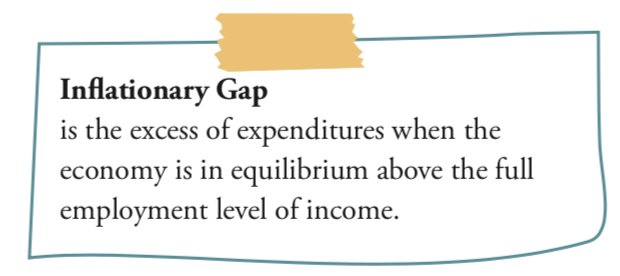
Soru 72
In an economy where the aggregate expenditure function is described as follows
AE = Co + MPC(Y) + Io + Go + EXo - IMo - MPI(Y),
What is the value of multiplier when the marginal propensity to import (MPI) and marginal propensity to consume (MPC) are 0.15 and 0.65, respectively?
AE = Co + MPC(Y) + Io + Go + EXo - IMo - MPI(Y),
What is the value of multiplier when the marginal propensity to import (MPI) and marginal propensity to consume (MPC) are 0.15 and 0.65, respectively?
Seçenekler
A
1.25
B
1.50
C
1.75
D
2.00
E
2.25
Açıklama:
If your answer is incorrect, review “Expenditure Multiplier”.
Multiplier is 1/(1-MPC+MPI) given the aggregate expenditure function in the question.
MPC=0.65, MPI=0.15
multiplier=1/(1-0.65+0.15)=2
Multiplier is 1/(1-MPC+MPI) given the aggregate expenditure function in the question.
MPC=0.65, MPI=0.15
multiplier=1/(1-0.65+0.15)=2
Soru 73
In an economy where the aggregate expenditure function is described as follows
AE = Co + cY + Io + Go + EXo - IM - imY,
what is the value of multiplier when the marginal propensity to import (MPI) and marginal propensity to consume (MPC) are 0.33 and 0.83, respectively?
AE = Co + cY + Io + Go + EXo - IM - imY,
what is the value of multiplier when the marginal propensity to import (MPI) and marginal propensity to consume (MPC) are 0.33 and 0.83, respectively?
Seçenekler
A
0.83
B
1.36
C
2.00
D
3.73
E
5.00
Açıklama:
If your answer is incorrect, review “Expenditure Multiplier”.
Multiplier is 1/(1-MPC-MPI) given the aggregate expenditure function in the question.
MPC=0.83, MPI=0.33
multiplier=1/(1-0.83+0.33)=2
Multiplier is 1/(1-MPC-MPI) given the aggregate expenditure function in the question.
MPC=0.83, MPI=0.33
multiplier=1/(1-0.83+0.33)=2
Soru 74
In an economy where the aggregate expenditure function is described as follows
AE = Co + cY + Io + Go + EXo - IM - imY,
what is the value of MPS when the multiplier is 5 and the marginal propensity to import (MPI) is 0.01?
AE = Co + cY + Io + Go + EXo - IM - imY,
what is the value of MPS when the multiplier is 5 and the marginal propensity to import (MPI) is 0.01?
Seçenekler
A
0.01
B
0.13
C
0.19
D
0.29
E
Multiplier is 1/(1-MPC-MPI)=1/(MPS-MPI) given the aggregate expenditure function in the question.
multiplier=5, MPI=0.01
multiplier=1/(MPS+0.01)=5
MPS=0.19
multiplier=5, MPI=0.01
multiplier=1/(MPS+0.01)=5
MPS=0.19
Açıklama:
If your answer is incorrect, review “Expenditure Multiplier”.
5.00
5.00
Soru 75
Given that an increase of 17 billion TL in government expenditures increases income increase by 42.5 billion TL, and the marginal propensity to import (MPI) is 0.25, what is the value of the propensity to consume (MPC) in the economy?
Seçenekler
A
0.15
B
0.85
C
1.35
D
1.95
E
2.05
Açıklama:
If your answer is incorrect, review “Expenditure Multiplier”.
The relationship between autonomous expenditures and income is
 where 1/(1-MPC-MPI)=1/(MPS-MPI) is the multiplier.
Y=42.5, A0=17 and MPI=0.25
42.5=1/(1-MPC-0.25)*17
MPC=0.85
The relationship between autonomous expenditures and income is
where 1/(1-MPC-MPI)=1/(MPS-MPI) is the multiplier.Y=42.5, A0=17 and MPI=0.25
42.5=1/(1-MPC-0.25)*17
MPC=0.85
Soru 76
What is the circumstance where the consumption expenditures are reduced due to rising savings are called?
Seçenekler
A
Feldstein-Horioka puzzle
B
Saving paradox
C
Dummy Trap
D
Say's Law
E
Equilibrium
Açıklama:
If your answer is incorrect, review “Saving Paradox”.
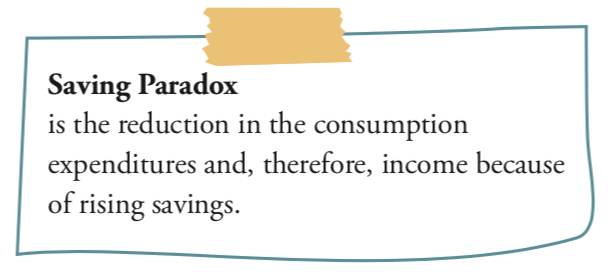
Soru 77
What can be said to be true about Equilibrium in Keynesian Model?
Seçenekler
A
Equilibrium income can be achieved at the level of underemployment or over employment.
B
The economy is in constant balance, that is, at full employment.
C
The model explains the continuous realization of employment in the economy, based on Say’s Law.
D
According to Keynesian economists, interest rate is the key variable to provide this equality.
E
Equilibrium interest rate rises in the market and the amount invested will be equal to the amount saved.
Açıklama:
John Maynard Keynes argued that the economic equilibrium, as put forward by Classical economists, does not mean that the level of full employment income is provided at the same time. According to Keynes, equilibrium income can be achieved at the level of underemployment or overemployment. What is important here is the level of aggregate demand. Full employment in the economy can be achieved by an adequate level of aggregate expenditure. The Keynesian theory argue that the economy is not always be at full employment equilibrium because flexible prices and wages are not always valid. Cevap A şıkkıdır.
Soru 78
What can be said to be true about Equilibrium in Classical Model?
Seçenekler
A
This interest rate will change so as to ensure that the funds provided as a result of savings are equal to the funds requested for investments.
B
The economic units that save and invest in the economy are generally different from each other.
C
The economy is not always at full employment equilibrium because flexible prices and wages are not always valid.
D
Full employment in the economy can be achieved by an adequate level of aggregate expenditure.
E
What is important here is the level of aggregate demand.
Açıklama:
In the equilibrium approach of the Classical model, thanks to the smooth operation of the market mechanism, the economy is in constant balance, that is, at full employment. The classical model explains the continuous realization of employment in the economy, based on Say’s Law. According to Classical economists, interest rate is the key variable to provide this equality. This interest rate, which is determined on the loanable funds market, will change so as to ensure that the funds provided as a result of savings are equal to the funds requested for investments. Cevap A şıkkıdır.
Soru 79
What are the factors that cause autonomous components of aggregate expenditures to reduce called?
Seçenekler
A
Factors of production
B
Say's law
C
Leakages
D
Inflation
E
Multiplier
Açıklama:
If your answer is incorrect, review “Leakages and Injections”.
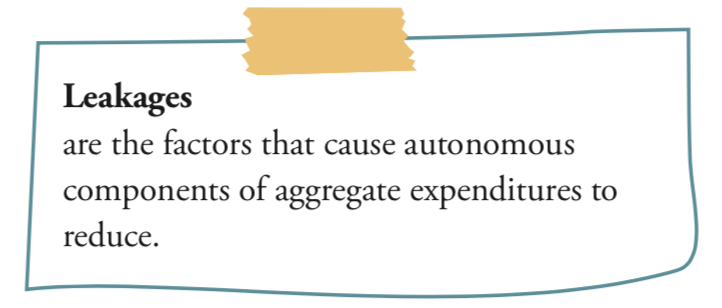
Soru 80
If an increase of 24 billion TL in government expenditures causes an income increase of 40.8 billion TL in the economy, what is the value of multiplier?
Seçenekler
A
0.96
B
1.70
C
1.96
D
2.00
E
2.03
Açıklama:
If your answer is incorrect, review “Expenditure Multiplier”.
40.8/24=1.7
40.8/24=1.7
Soru 81
Which of the following creates an injection in income-expenditure flow
Seçenekler
A
Savings
B
Value-added tax
C
Income taxes
D
Imports
E
Exports
Açıklama:
If your answer is incorrect, review “Leakages and Injections”.
There are three types of injections for income- expenditure model developed so far: investments, government expenditures, and exports for an open economy.
There are three types of injections for income- expenditure model developed so far: investments, government expenditures, and exports for an open economy.
Soru 82
In an economy where the aggregate expenditure function is described as follows
AE = Co + cY + Io + Go + EXo - IM - imY,
What is the value of multiplier when the marginal propensity to save (MPS) is 0.197541 and the marginal propensity to import (MPI) is 0.111111?
AE = Co + cY + Io + Go + EXo - IM - imY,
What is the value of multiplier when the marginal propensity to save (MPS) is 0.197541 and the marginal propensity to import (MPI) is 0.111111?
Seçenekler
A
3.24
B
4.25
C
4.32
D
4.50
E
5.01
Açıklama:
If your answer is incorrect, review “Expenditure Multiplier”.
1/(0.197541+0.111111)=3.24
1/(0.197541+0.111111)=3.24
Soru 83
"Determination of equilibrium level of income or expenditure is also the process of reaching a situation in which ……… and realized are the same."
What is the correct word that completes the above statement?
What is the correct word that completes the above statement?
Seçenekler
A
Forecasted
B
Planned
C
Created
D
Engaged
E
Required
Açıklama:
In the equilibrium planned and realized aggregates in total must be the same.
Soru 84
In the Classical theory, which of the following equates saving and investment in the economy?
Seçenekler
A
Interest rate
B
Price level
C
Exchange rate
D
Expenditure multiplier
E
Money supply
Açıklama:
Interest rate is the factor that ensures the saving and investment equality in the equilibrium.
Soru 85
According to Keynesian theory, which of the following is one of the factors that cause labor market to move away from the fully competitive structure?
Seçenekler
A
Unconditional preferences of economic agents
B
Flexibility of interest rate
C
Positively slopped aggregate demand curve
D
Endogenously determined money supply
E
Long term wage contracts
Açıklama:
The existence of long term wage contracts is one of the factors that prevent full competitive conditions to be present in labor market.
Soru 86
According to Keynesian theory, which of the following is the effective factor that determines the short-run equilibrium level of income?
Seçenekler
A
Money supply
B
Interest rate
C
Aggregate demand
D
Labor demand
E
Emploment level
Açıklama:
Aggregate demand is the main factor that determines the equilibrium level of income in the short-run.
Soru 87
Which of the following is not included in aggregate expenditures?
Seçenekler
A
Consumption
B
Investment
C
Government spending
D
Money supply
E
Net export
Açıklama:
Money supply is not a type of expenditure.
Soru 88
If there is an excess demand in the economy, which of the following describes the changes in stocks and production?
Seçenekler
A
Stocks decrease, production increases
B
Stocks and production decrease
C
Stocks and production increase
D
Stocks increase, production decreases
E
Stocks and productions do not change
Açıklama:
If there is an excess demand in the economy, stocks decrease while production increases.
Soru 89
In the equilibrium income determination model, which of the following also represents aggregate supply in the short-run?
Seçenekler
A
Aggregate expenditure function
B
Aggregate demand function
C
45 degree line
D
Money demand function
E
Investment function
Açıklama:
45 degree line also represents the aggregate supply in the short-run.
Soru 90
According to saving paradox concept, which of the following result do ocur in the economy if planned savings increase?
Seçenekler
A
Decrease in investment
B
Decrease in income
C
Decrease in interest rate
D
Increase in Money supply
E
Increase in price level
Açıklama:
In the saving paradox phonomenon, income level decreases as a result of increasing saving.
Soru 91
If the marginal propensity to save and import are 0,35 and 0,15, respectively, what is the value of expenditure multiplier?
Seçenekler
A
0,5
B
1
C
2
D
4
E
5
Açıklama:
Multiplier = 1/(0,35+0,15) = 2
Soru 92
"If the expenditure multiplier is 3, a 300 TL increase in government expenditures creates ……… TL increase in income."
What is the correct figüre that completes the above statement?
What is the correct figüre that completes the above statement?
Seçenekler
A
100 TL
B
600 TL
C
1000 TL
D
1200 TL
E
900 TL
Açıklama:
Change in income = multiplier x change in expenditures
Change in income = 3 x 300 = 900.
Change in income = 3 x 300 = 900.
Soru 93
Which of the following refers to the aggregate expenditure (AE) function for an open economy?
Seçenekler
A
AE= C+S+G+M
B
AE= C+S+G+X
C
AE= C+I+G+NX
D
AE= C+I+G+NM
E
AE= C+I+G
Açıklama:
If we rewrite our aggregate expenditure function for an open economy, we get:
AE = C + I + G + NX. According to equation, aggregate expenditures (AE) are the sum of consumption expenditures (C), investment expenditures (I), government expenditures (G) and net exports (NX).
AE = C + I + G + NX. According to equation, aggregate expenditures (AE) are the sum of consumption expenditures (C), investment expenditures (I), government expenditures (G) and net exports (NX).
Soru 94
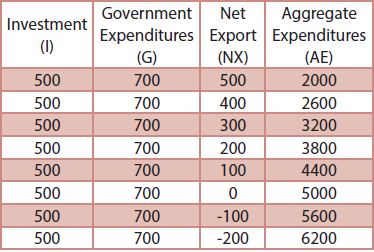 According to the above table, which of the following is equal to the consumption level when aggregate expenditures are 2600?
Seçenekler
A
1000
B
1700
C
2400
D
3100
E
3800
Açıklama:
AE=C+I+G+NX fpr an open economy. So from this equaiton we calculate consumption is equal to 1000 where AE is equal to 2600.
Soru 95
Which of the following is defined as a 'leakage'?
Seçenekler
A
Investments
B
Government expenditures
C
Savings
D
Exports
E
Subsidies
Açıklama:
Leakages are used to denote reductions in autonomous components of aggregate expenditures. It is possible to mention three types of leakages from the income-expenditure flow: savings, taxes and imports for an open economy.
Soru 96
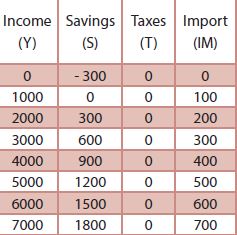 According to the above table, which of the following is equal to the level of total leakages at an income level of 4000?
Seçenekler
A
500
B
900
C
1300
D
1700
E
2100
Açıklama:
Since the total leakages is qeaul to S+T+IM, when income level is 4000, it is equal to 1300.
Soru 97
Assume that there is an income increase of 100 TL in the economy where MPC= 0.70 and MPI= 0.10. Which of the following gives us the consumption expenditures for domestically produced goods and services?
Seçenekler
A
30
B
40
C
50
D
60
E
70
Açıklama:
Considering above indicated values, if MPC is 0.70 and MPI is 0.10, we can calculate MPC - MPI = 0.70 - 0.10 = 0.60 for domestically produced goods and services. This shows us that 60 per cent of the change in the income will be spent on goods and services produced in the country. The income increase of 100 TL at the beginning rises the consumption expenditures for domestically produced goods and services by 60 TL (100 x 0.60).
Soru 98
Assume that there is an income increase of 100 TL in the economy where MPC= 0.70 and MPI= 0.10. Which of the following gives us the share of saving as a result of this income change?
Seçenekler
A
10
B
20
C
30
D
40
E
50
Açıklama:
Since marginal propensity to save is 0.30, 30 TL of 100 TL income increase is reserved for saving (100 x 0.30).
Soru 99
Assume that there is an income increase of 100 TL in the economy where MPC= 0.70 and MPI= 0.10. Which of the following gives us the share that will be spent on imported goods?
Seçenekler
A
10
B
20
C
30
D
40
E
50
Açıklama:
The income increase of 100 TL at the beginning rises the consumption expenditures for domestically produced goods and services by 60 TL (100 x 0.60). Since marginal propensity to save is 0.30, 30 TL of 100 TL income increase is reserved for saving (100 x 0.30). The remaining 10 TL is for imported goods (100 x 0.10).
Soru 100
Assume that there is an increase of 100 TL in the expenditure level in an economy where MPS=0.30 and MPI= 0.10. Which of the following is equal to the level of increase of GDP as a result of this increase in initial expenditure level?
Seçenekler
A
150
B
200
C
250
D
300
E
350
Açıklama:
Since multiplier= 1/(MPS+MPI)=1/ (0.3+0.1)= 1/0.4= 2.5
Based on this value, we find that 100 TL increase in the initial expenditure level leads to an increase of 2.5 times in GDP, that is, an increase of 250 TL (2.5 x 100).
Based on this value, we find that 100 TL increase in the initial expenditure level leads to an increase of 2.5 times in GDP, that is, an increase of 250 TL (2.5 x 100).
Soru 101
Assume that there is an increase in government spending of 400 TL in the economy. What would be the resulting increase in GDP as a result of this change?
Seçenekler
A
600
B
700
C
800
D
900
E
1000
Açıklama:
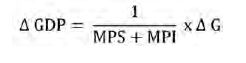 =1/(0.3+0.1)*400= 1000
This result shows us that the increase in autonomous expenditure of 400 TL will lead to an
income increase of 2.5 times and create a growth of 1000 TL in GDP.
Soru 102
Assume an economy in which MPS=0.35 and MPI=0.15. Which of the following is equal to the expenditure multiplier?
Seçenekler
A
0.5
B
1
C
1.5
D
2
E
2.5
Açıklama:
Since;

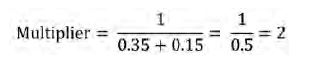
Soru 103
If the marginal propensity to consume (MPC) is 0.20 what is the multiplier equal to?
Seçenekler
A
1
B
1.25
C
1.50
D
1.75
E
2
Açıklama:
The multiplier by writing the same formula in terms of MPC as: Multiplier=1/(1-MPS)
If MPS=0.20 then the multiplier is equal to 1/(1-0.20) = 1/0.8 = 1.25
The answer is B.
If MPS=0.20 then the multiplier is equal to 1/(1-0.20) = 1/0.8 = 1.25
The answer is B.
Soru 104
What is the aggregate expenditure function for an open economy?
Seçenekler
A
C + S = C + I
B
AE = C + I + G + NX
C
AE = C + I + G
D
S = I
E
AE = C + I
Açıklama:
Economic agents obtain the goods and services they demand by paying the cost, that is, by spending. If we rewrite our aggregate expenditure function for an open economy, we get:
AE = C + I + G + NX
The answer is B.
AE = C + I + G + NX
The answer is B.
Soru 105
I. Leakages are used to denote reductions in autonomous components of aggregate expenditures.
II. Leakages for an open economy are investments, government expenditures, and exports.
III. Leakages for an open economy are savings, taxes, and import.
What can be said to be true about leakages?
II. Leakages for an open economy are investments, government expenditures, and exports.
III. Leakages for an open economy are savings, taxes, and import.
What can be said to be true about leakages?
Seçenekler
A
Only I
B
Only II
C
I and II
D
I and III
E
II and III
Açıklama:
Leakages are used to denote reductions in autonomous components of aggregate expenditures. It is possible to mention three types of leakages from the income-expenditure flow: savings, taxes and imports for an open economy.
The answer is D.
The answer is D.
Soru 106
I. The leakages from income-expenditure flow must be balanced by additions (i.e., injections) to this flow.
II. Injections for an open economy are investments, government expenditures, and exports.
III. Injections for an open economy are savings, taxes, and import.
What can be said to be true about injections?
II. Injections for an open economy are investments, government expenditures, and exports.
III. Injections for an open economy are savings, taxes, and import.
What can be said to be true about injections?
Seçenekler
A
Only I
B
Only II
C
I and II
D
I and III
E
II and III
Açıklama:
In order to achieve equilibrium in the economy, the leakages from income expenditure flow must
be balanced by additions (i.e., injections) to this flow. There are three types of injections for income expenditure model developed so far: investments, government expenditures, and exports for an open economy.
The answer is C.
be balanced by additions (i.e., injections) to this flow. There are three types of injections for income expenditure model developed so far: investments, government expenditures, and exports for an open economy.
The answer is C.
Soru 107
I. Saving Paradox is the reduction in the consumption expenditures and, therefore, income because of rising savings.
II. Increasing savings in the economy will cause total spending and income to decrease as long as it does not turn into investments.
III. In most of the developing countries, households have high level of saving.
What can be said to be true about the saving paradox?
II. Increasing savings in the economy will cause total spending and income to decrease as long as it does not turn into investments.
III. In most of the developing countries, households have high level of saving.
What can be said to be true about the saving paradox?
Seçenekler
A
Only I
B
Only II
C
I and II
D
I and III
E
II and III
Açıklama:
Saving Paradox is the reduction in the consumption expenditures and, therefore, income because of rising savings. Increasing savings in the economy will cause total spending and income to decrease as long as it does not turn into investments. In most of the developing countries, households have low level of saving. The answer is C.
Soru 108
I. Full Employment Level of Income is the level of income that will be attained in the economy if all the factors of production participate most effectively in production.
II. The equilibrium level of the economy, there are a vast number of similarities between Classical and Keynesian theory in the explanations .
III. Underemployment Equilibrium Level is the level of equilibrium income in which some of the production factors are idle.
What can be said to be about the full employment level of income?
II. The equilibrium level of the economy, there are a vast number of similarities between Classical and Keynesian theory in the explanations .
III. Underemployment Equilibrium Level is the level of equilibrium income in which some of the production factors are idle.
What can be said to be about the full employment level of income?
Seçenekler
A
Only I
B
Only II
C
I and II
D
I and III
E
II and III
Açıklama:
Full Employment Level of Income is the level of income that will be attained in the economy if all the factors of production participate most effectively in production. Underemployment Equilibrium Level is the level of equilibrium income in which some of the production factors are idle. The equilibrium level of the economy, we have revealed the differences between Classical and Keynesian theory in the explanations.
The answer is D.
The answer is D.
Soru 109
What can we say when the economy is in equilibrium below the full employment level of income?
Seçenekler
A
Equilibrium Level of Income
B
Inflationary Gap
C
Full Employment Level of Income
D
Underemployment Equilibrium Level
E
Deflationary gap
Açıklama:
Deflationary Gap Is the expenditure gap when the economy is in equilibrium below the full employment level of income.
The answer is E.
The answer is E.
Soru 110
If the government spending is increased by 250TL, and the marginal propensity to save (MPS) is 0.25 and the marginal propensity to import (MPI) is 0.25, what is the effect of this increase on the level of equilibrium GDP?
Seçenekler
A
100
B
200
C
300
D
400
E
500
Açıklama:
We can analyze the effect of the increase in government spending of 250 TL by using the
multiplier coefficient on the level of equilibrium GDP.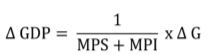
The marginal propensity to save (MPS) is 0.25 and the marginal propensity to import (MPI) is 0.25, the multiplier will be 2: Multiplier = 1/(0.25 + 0.25) = 2
ΔGDP = 2 * 250 = 500
multiplier coefficient on the level of equilibrium GDP.
The marginal propensity to save (MPS) is 0.25 and the marginal propensity to import (MPI) is 0.25, the multiplier will be 2: Multiplier = 1/(0.25 + 0.25) = 2
ΔGDP = 2 * 250 = 500
Soru 111
Which of the following is not true about the equilibrium approach of the Classical model?
Seçenekler
A
Thanks to the smooth operation of the market mechanism, the economy is in constant balance
B
The economy is at full employment according to the classical model
C
The classical model explains the continuous realization of employment in the economy based on Say’s Law.
D
Say’s Law states that every supply creates its own demand
E
A certain amount of income is not automatically generated as a result of the production of goods and services.
Açıklama:
In the equilibrium approach of the Classical model, thanks to the smooth operation of the market mechanism, the economy is in constant balance, that is, at full employment. The classical model explains the continuous realization of employment in the economy, based on Say’s Law, which states that “every supply creates its own demand”. According to this law, a certain amount of income is generated as a result of the production of goods and services.
Soru 112
Which of the following cannot be true about the "Keynesian theory"?
Seçenekler
A
The economy is not always at full employment equilibrium
B
The existence of firms that do want to reduce prices may be the case in almost all sectors
C
Flexible prices and wages are not always valid in the economy
D
There are many factors that prevent wages and prices from being flexible
E
Markets are moving away from the fully competitive structure
Açıklama:
The Keynesian theory argues that the economy is not always be at full employment equilibrium because flexible prices and wages are not always valid. According to this opinion, there are many factors that prevent wages and prices from being flexible. For this reason, markets are moving away from a fully competitive structure. In some sectors, the existence of firms that do not want to reduce prices may be the case
Soru 113
"Equilibrium GDP Level........."
Which of the following most appropriately completes the sentence above?
Which of the following most appropriately completes the sentence above?
Seçenekler
A
is the level at which planned aggregate expenditures are more than the GDP
B
is the least achieved point in the financial markets
C
is the maximum limit to be allocated to the developing economies
D
is the level at which planned aggregate expenditures are equal to GDP.
E
is the point on which there is no tendency to leave.
Açıklama:
Equilibrium GDP Level is the level at which planned aggregate expenditures are equal to GDP.
Soru 114
Which of the following is not true about the "types of leakages"?
Seçenekler
A
Leakages are the factors that cause autonomous components of aggregate expenditures to reduce.
B
The savings of the households cannot be borrowed by the financial system and used for financing investment expenditures of firms.
C
There are three types of leakages from the income-expenditure flow: savings, taxes and imports for an open economy
D
Saving is defined as an unspent part of income, households will spend less to increase their savings
E
Taxes lead to compulsory reductions in consumption expenditures.
Açıklama:
Leakages are used to denote reductions in autonomous components of aggregate expenditures. It is possible to mention three types of leakages from the income-expenditure flow: savings, taxes, and imports for an open economy. Let’s shortly review these concepts. Leakages are the factors that cause autonomous components of aggregate expenditures to reduce. Because saving is defined as an unspent part of income, households will spend less to increase their savings. Another leakage arising from the income-expenditure flow is taxes. Taxes lead to compulsory reductions in consumption expenditures. The savings realized by the households are the source of funds that can be borrowed by the financial system and used for financing investment expenditures of firms.
Soru 115
"Injections........"
Which of the following most appropriately completes the sentence above?
Which of the following most appropriately completes the sentence above?
Seçenekler
A
are additions to income-expenditure flow.
B
are the tax cuts in financial markets
C
are the financial aids provided to the relevant sector
D
are the sum of demands for pay increase
E
are the level of the increase in taxes
Açıklama:
Injections are additions to income-expenditure flow.
Soru 116
Which of the following is true about the "Saving Paradox"?
Seçenekler
A
Saving Paradox is the amount of consumption in a very limited time period because of rising savings.
B
Saving Paradox is the cut in the earning and, therefore, expenditure because of less savings.
C
Saving Paradox is the expected saving in the expenditures because of the need to spend.
D
Saving Paradox is the reduction in the consumption expenditures and, therefore, income because of rising savings.
E
Saving Paradox is the increase in consumption expenditures and, therefore, income because of decreasing savings.
Açıklama:
Saving Paradox is the reduction in the consumption expenditures and, therefore, income because of rising savings.
Soru 117
"The multiplier is a coefficient that can give us the opportunity to...................."
Which of the following most appropriately completes the sentence above?
Which of the following most appropriately completes the sentence above?
Seçenekler
A
encourage the increase in autonomous expenditures as well as additional
expenditure in the economy
expenditure in the economy
B
calculate how much income will change when there is a shift in aggregate expenditures
C
examine the effect of a change in autonomous transfer spending
D
have an equal chance in the amount multiplied by the marginal propensity to consume
E
make a prediction about how consumption rises when income rises.
Açıklama:
The multiplier is a coefficient that can give us to the opportunity to calculate how much income will change when there is a shift in aggregate expenditures, stemming from the change in autonomous expenditures. The multiplier value is always greater than 1. The reason for this is that the change in autonomous expenditure leads to an additional change in consumption expenditures
Soru 118
"Full employment level of income........."
Which of the following most appropriately completes the sentence above?
Which of the following most appropriately completes the sentence above?
Seçenekler
A
is the highest level of the workforce that could be obtained in the economy using all the factors of production
B
is the level of unemployment that is caused by the factors of production most effectively in the production stage
C
is the level of welfare that is felt in the economy by every single workforce under employment
D
is the level of income that will be attained in the economy if all the factors of production participate most effectively in production.
E
is the highest level of employment obtained in the economy if all employees are paid well above the average
Açıklama:
Full Employment Level of Income is the level of income that will be attained in the economy if all the factors of production participate most effectively in production.
Soru 119
"Deflationary Gap ..............."
Which of the following most appropriately completes the sentence above?
Which of the following most appropriately completes the sentence above?
Seçenekler
A
is the expenditure gap when the economy is in equilibrium below the full employment level of income.
B
is the distance to be covered in an economy when it needs to be in equilibrium below the full employment level
C
is the gap when the economy is in full employment and below the equilibrium level
D
is the earning gap in the economy when it is in equilibrium below the full employment level
E
is the saving gap when the economy is not in equilibrium below the full employment level
Açıklama:
Deflationary gap is the expenditure gap when the economy is in equilibrium below the full employment level of income.
Soru 120
"Inflationary Gap................"
Which of the following most appropriately completes the sentence above?
Which of the following most appropriately completes the sentence above?
Seçenekler
A
is the level of equilibrium saving in which some of the consumption factors are well above the average
B
is the level of equilibrium income in which some of the production factors are idle.
C
is the excess of expenditures when the economy is in equilibrium above the full employment level of income.
D
is the excess of employment when the economy is in equilibrium above the full
income level
income level
E
is the excess of savings when the economy is not in equilibrium above the full
employment level of income.
employment level of income.
Açıklama:
The inflationary gap is the excess of expenditures when the economy is in equilibrium above the full employment level of income.
Soru 121
In economics, the statement that says “every supply creates its own demand” is known as which law?
Seçenekler
A
Say’s law
B
Okun’s law
C
Iron law
D
The law of demand
E
The law of supply
Açıklama:
Equilibrium in Classical Model
In the equilibrium approach of the Classical model, thanks to the smooth operation of the market mechanism, the economy is in constant balance, that is, at full employment. The classical model explains the continuous realization of employment in the economy, based on Say’s Law, which states that “every supply creates its own demand”. According to this law, a certain amount of income is generated as a result of the production of goods and services. This income is used again to buy goods and services. Firms purchase or lease the resources required in the production process. They pay their owners in the form of fees, interest, rents, and profits. The amount that the producers pay to the owners of the production factors has to be equal to the value of the goods and services produced. Here, the production factor consumes all the income that the owners have gained and everything produced is sold. Thus, according to Say’s Law, every supply creates its own demand. It is not the case that the aggregate expenditures are insufficient in terms of full employment level. In some economies, when there is supply surplus or excess demand in some markets, the price mechanism is engaged and the market returns to the equilibrium level again. Therefore, the economy is in constant equilibrium.
In the equilibrium approach of the Classical model, thanks to the smooth operation of the market mechanism, the economy is in constant balance, that is, at full employment. The classical model explains the continuous realization of employment in the economy, based on Say’s Law, which states that “every supply creates its own demand”. According to this law, a certain amount of income is generated as a result of the production of goods and services. This income is used again to buy goods and services. Firms purchase or lease the resources required in the production process. They pay their owners in the form of fees, interest, rents, and profits. The amount that the producers pay to the owners of the production factors has to be equal to the value of the goods and services produced. Here, the production factor consumes all the income that the owners have gained and everything produced is sold. Thus, according to Say’s Law, every supply creates its own demand. It is not the case that the aggregate expenditures are insufficient in terms of full employment level. In some economies, when there is supply surplus or excess demand in some markets, the price mechanism is engaged and the market returns to the equilibrium level again. Therefore, the economy is in constant equilibrium.
Soru 122
According to the Classical Model, when households decide to save a portion of their income, how will the necessary expenditure to be made ensure the complete purchase of the economy’s production?
Seçenekler
A
The answer to this question is that savings of the production factors are consumed by the firms,
B
The answer to this question is that savings of the production factors are hoarded by the firms,
C
The answer to this question is that savings of the production factors are invested by the firms,
D
The answer to this question is that savings of the production factors are borrowed by the firms,
E
The answer to this question is that savings of the production factors are wasted by the firms,
Açıklama:
Equilibrium in Classical Model
When households decide to save a portion of their income, how will the necessary expenditure to be made ensure the complete purchase of the economy’s production? The Classics’ answer to this question is that savings of the production factors are invested by the firms. Such a reduction in expenditure resulting from savings will be offset by investments. What is important here is how the savings will be equal to investments. According to Classical economists, interest rate is the key variable to provide this equality. This interest rate, which is determined on the loanable funds market, will change so as to ensure that the funds provided as a result of savings are equal to the funds requested for investments. End of this process, equilibrium interest rate rises in the market and the amount invested will be equal to the amount saved.
When households decide to save a portion of their income, how will the necessary expenditure to be made ensure the complete purchase of the economy’s production? The Classics’ answer to this question is that savings of the production factors are invested by the firms. Such a reduction in expenditure resulting from savings will be offset by investments. What is important here is how the savings will be equal to investments. According to Classical economists, interest rate is the key variable to provide this equality. This interest rate, which is determined on the loanable funds market, will change so as to ensure that the funds provided as a result of savings are equal to the funds requested for investments. End of this process, equilibrium interest rate rises in the market and the amount invested will be equal to the amount saved.
Soru 123
According to Keynes, equilibrium income can be achieved at the level of underemployment or overemployment, and he asserts that the level of income depends on?
Seçenekler
A
inflation
B
aggregate supply,
C
aggregate monetary income,
D
aggregate demand or aggregate expenditures,
E
aggregate employment
Açıklama:
Equilibrium in Keynesian Model
The views of the classical model which guarantee full employment equilibrium were began to be questioned as a result of the long-term economic stagnation and the associated high unemployment during Great Depression that occurred in the 1930s. In order to solve this problem, British economist John Maynard Keynes argued that the economic equilibrium, as put forward by Classical economists, does not mean that the level of full employment income is provided at the same time. According to Keynes, equilibrium income can be achieved at the level of underemployment or overemployment. What is important here is the level of aggregate demand. Since it is difficult to change the production capacity that determines aggregate supply in the short term, the level of income depends on aggregate demand or aggregate expenditures. In other words, firms give their production decisions according to the expected aggregate expenditure or aggregate demand level. If the economic units plan to spend more, the sales expectations of the companies will increase and they will make more production. As it is seen, Keynes links the deviations from full employment to the inadequacy of aggregate expenditures in the economy. Accordingly, full employment in the economy can be achieved by an adequate level of aggregate expenditure. Then, Keynesian theory criticizes the views expressed by Classics on investment as a function of the interest rate and on wage-price elasticity. The Keynesian theory argue that the economy is not always be at full employment equilibrium because flexible prices and wages are not always valid. According to this opinion, there are many factors that prevent wages and prices from being flexible. For this reason, markets are moving away from fully competitive structure. In some sectors the existence of firms that do not want to reduce prices may be the case. Prices in these sectors can remain at the same level for a long time instead of falling when there is a fall in demand or expenditure. Because of the existence of strong labor unions and long-term wage contracts, the same is also true in labor markets. According to Keynesian model, one reason why equilibrium income is not always at full employment level is that investment and saving equality cannot always be provided as Classics argue. The reason for this is that the economic units that save and invest in the economy are generally different from each other. These economic units give savings and investment decisions for different reasons. For example, when savings for households occur as accumulation for future days, firms’ investment decisions are directed at expanding facilities or purchasing new capital goods to increase their profitability. In this case, it may not happen that savings at an income level that close to full employment equal investments. Savings can also lead to an increase in the amount of money held, rather than being used for financing investments. In this case, savings-investment equality will not be provided again.
The views of the classical model which guarantee full employment equilibrium were began to be questioned as a result of the long-term economic stagnation and the associated high unemployment during Great Depression that occurred in the 1930s. In order to solve this problem, British economist John Maynard Keynes argued that the economic equilibrium, as put forward by Classical economists, does not mean that the level of full employment income is provided at the same time. According to Keynes, equilibrium income can be achieved at the level of underemployment or overemployment. What is important here is the level of aggregate demand. Since it is difficult to change the production capacity that determines aggregate supply in the short term, the level of income depends on aggregate demand or aggregate expenditures. In other words, firms give their production decisions according to the expected aggregate expenditure or aggregate demand level. If the economic units plan to spend more, the sales expectations of the companies will increase and they will make more production. As it is seen, Keynes links the deviations from full employment to the inadequacy of aggregate expenditures in the economy. Accordingly, full employment in the economy can be achieved by an adequate level of aggregate expenditure. Then, Keynesian theory criticizes the views expressed by Classics on investment as a function of the interest rate and on wage-price elasticity. The Keynesian theory argue that the economy is not always be at full employment equilibrium because flexible prices and wages are not always valid. According to this opinion, there are many factors that prevent wages and prices from being flexible. For this reason, markets are moving away from fully competitive structure. In some sectors the existence of firms that do not want to reduce prices may be the case. Prices in these sectors can remain at the same level for a long time instead of falling when there is a fall in demand or expenditure. Because of the existence of strong labor unions and long-term wage contracts, the same is also true in labor markets. According to Keynesian model, one reason why equilibrium income is not always at full employment level is that investment and saving equality cannot always be provided as Classics argue. The reason for this is that the economic units that save and invest in the economy are generally different from each other. These economic units give savings and investment decisions for different reasons. For example, when savings for households occur as accumulation for future days, firms’ investment decisions are directed at expanding facilities or purchasing new capital goods to increase their profitability. In this case, it may not happen that savings at an income level that close to full employment equal investments. Savings can also lead to an increase in the amount of money held, rather than being used for financing investments. In this case, savings-investment equality will not be provided again.
Soru 124
The Keynesian theory argue that the economy is not always be at full employment equilibrium because………………..?
Seçenekler
A
of flexible prices and wages,
B
of only flexible prices,
C
of only flexible wages,
D
of flexible labor contracts,
E
flexible prices and wages are not always valid
Açıklama:
Equilibrium in Keynesian Model
The Keynesian theory argue that the economy is not always be at full employment equilibrium because flexible prices and wages are not always valid. According to this opinion, there are many factors that prevent wages and prices from being flexible. For this reason, markets are moving away from fully competitive structure. In some sectors the existence of firms that do not want to reduce prices may be the case. Prices in these sectors can remain at the same level for a long time instead of falling when there is a fall in demand or expenditure. Because of the existence of strong labor unions and long-term wage contracts, the same is also true in labor markets.
The Keynesian theory argue that the economy is not always be at full employment equilibrium because flexible prices and wages are not always valid. According to this opinion, there are many factors that prevent wages and prices from being flexible. For this reason, markets are moving away from fully competitive structure. In some sectors the existence of firms that do not want to reduce prices may be the case. Prices in these sectors can remain at the same level for a long time instead of falling when there is a fall in demand or expenditure. Because of the existence of strong labor unions and long-term wage contracts, the same is also true in labor markets.
Soru 125
According to Keynesian model, one reason why equilibrium income is not always at full employment level is that ……………………………..as Classics argue.
Seçenekler
A
investment and consumption equality cannot always be provided
B
investment and saving equality cannot always be provided
C
fixed investment and construction equality cannot always be provided
D
employment and saving equality cannot always be provided
E
rents and profits equality cannot always be provided
Açıklama:
Equilibrium in Keynesian Model
According to Keynesian model, one reason why equilibrium income is not always at full employment level is that investment and saving equality cannot always be provided as Classics argue. The reason for this is that the economic units that save and invest in the economy are generally different from each other. These economic units give savings and investment decisions for different reasons. For example, when savings for households occur as accumulation for future days, firms’ investment decisions are directed at expanding facilities or purchasing new capital goods to increase their profitability. In this case, it may not happen that savings at an income level that close to full employment equal investments. Savings can also lead to an increase in the amount of money held, rather than being used for financing investments. In this case, savings-investment equality will not be provided again.
According to Keynesian model, one reason why equilibrium income is not always at full employment level is that investment and saving equality cannot always be provided as Classics argue. The reason for this is that the economic units that save and invest in the economy are generally different from each other. These economic units give savings and investment decisions for different reasons. For example, when savings for households occur as accumulation for future days, firms’ investment decisions are directed at expanding facilities or purchasing new capital goods to increase their profitability. In this case, it may not happen that savings at an income level that close to full employment equal investments. Savings can also lead to an increase in the amount of money held, rather than being used for financing investments. In this case, savings-investment equality will not be provided again.
Soru 126
Which are the three types of leakages from the income-expenditure flow for an open economy?
Seçenekler
A
savings, rents and imports
B
savings, taxes and exports
C
savings, taxes and imports
D
investment, taxes and imports
E
savings, inflation and imports
Açıklama:
Leakages and Injections- Leakages
Leakages are used to denote reductions in autonomous components of aggregate expenditures. It is possible to mention three types of leakages from the income-expenditure flow: savings, taxes and imports for an open economy.
Leakages are used to denote reductions in autonomous components of aggregate expenditures. It is possible to mention three types of leakages from the income-expenditure flow: savings, taxes and imports for an open economy.
Soru 127
Which are the three types of additions (injections) from the income-expenditure flow for an open economy?
Seçenekler
A
investments, consumption, and exports
B
investments, government expenditures, and imports
C
consumption, government expenditures, and exports
D
investments, government expenditures, and exports
E
investments, imports, and exports
Açıklama:
Leakages and Injections- Injections
In order to achieve equilibrium in the economy, the leakages from income - expenditure flow must be balanced by additions (i.e., injections) to this flow. There are three types of injections for income-expenditure model developed so far: investments, government expenditures, and exports for an open economy.
In order to achieve equilibrium in the economy, the leakages from income - expenditure flow must be balanced by additions (i.e., injections) to this flow. There are three types of injections for income-expenditure model developed so far: investments, government expenditures, and exports for an open economy.
Soru 128
Why and how the saving paradox arises?
Seçenekler
A
Saving Paradox is the reduction in the consumption expenditures and investment because of rising savings.
B
Saving Paradox is the reduction in the consumption expenditures and increase in inflation because of rising savings.
C
Saving Paradox is the reduction in unemployment because of rising savings.
D
Saving Paradox is the reduction in the price level and, therefore, income because of rising savings.
E
Saving Paradox is the reduction in the consumption expenditures and, therefore, income because of rising savings.
Açıklama:
Saving Paradox
When the households decide to increase their savings without a change in income level, interesting contradiction called as saving paradox will arise. To understand this situation, we need to answer the question “What if households want to save more today in order to prepare for the difficult days in the future?” For instance, if planned savings of households increase, let’s say 400 TL at every level of income, the total leakages curve (S1 + T + IM) in Figure 3.4 shifts upward to S2 + T + IM position. Planning to increase savings also means planning less consumption at the same time. As a result of the decrease in consumption, aggregate expenditure, i.e., aggregate demand, will decrease. In this case, the decrease in aggregate expenditures leads to an increase in stocks. This increase in stocks will lead to production level of firms and income level to decrease.
Before the increase in savings, the level of equilibrium income was 5,000 TL, expressed by the point D1 where injections line intersects leakages line. Increase in savings shifted equilibrium point to D2 and the new level of equilibrium income is 4,000 TL. As you see, 400 TL increase in savings regarding their beginning values has resulted in a decrease of 1,000 TL in equilibrium income level. When Table 3.2 is considered, the original level of savings was 1,200 TL when equilibrium level of income was 5,000 TL. In the new equilibrium level of income at 4,000 TL, households again save the same amount (1,200 TL) with the beginning value. According to this result, households planning to save more and consume less now, but save the same amount. This is a paradox indicating that increasing saving reduces consumption and, therefore, income; however, at this new income level savings are at the same level. When you consider the fact that savings are used to finance investments in the country, this result contradicts the widespread belief that savings are beneficial for the economy.
Saving Paradox is the reduction in the consumption expenditures and, therefore, income because of rising savings.
When the households decide to increase their savings without a change in income level, interesting contradiction called as saving paradox will arise. To understand this situation, we need to answer the question “What if households want to save more today in order to prepare for the difficult days in the future?” For instance, if planned savings of households increase, let’s say 400 TL at every level of income, the total leakages curve (S1 + T + IM) in Figure 3.4 shifts upward to S2 + T + IM position. Planning to increase savings also means planning less consumption at the same time. As a result of the decrease in consumption, aggregate expenditure, i.e., aggregate demand, will decrease. In this case, the decrease in aggregate expenditures leads to an increase in stocks. This increase in stocks will lead to production level of firms and income level to decrease.
Before the increase in savings, the level of equilibrium income was 5,000 TL, expressed by the point D1 where injections line intersects leakages line. Increase in savings shifted equilibrium point to D2 and the new level of equilibrium income is 4,000 TL. As you see, 400 TL increase in savings regarding their beginning values has resulted in a decrease of 1,000 TL in equilibrium income level. When Table 3.2 is considered, the original level of savings was 1,200 TL when equilibrium level of income was 5,000 TL. In the new equilibrium level of income at 4,000 TL, households again save the same amount (1,200 TL) with the beginning value. According to this result, households planning to save more and consume less now, but save the same amount. This is a paradox indicating that increasing saving reduces consumption and, therefore, income; however, at this new income level savings are at the same level. When you consider the fact that savings are used to finance investments in the country, this result contradicts the widespread belief that savings are beneficial for the economy.
Saving Paradox is the reduction in the consumption expenditures and, therefore, income because of rising savings.
Soru 129
For an open economy, If the marginal propensity to save (MPS) is 0.35 and the marginal propensity to import (MPI) is 0.15, then the Expenditure Multiplier will be?
Seçenekler
A
2
B
1
C
0
D
-1
E
-2
Açıklama:
Expenditure Multiplier
The multiplier is a coefficient that can give us to opportunity to calculate how much income will change when there is a shift in aggregate expenditures, stemming from the change in autonomous expenditures. The multiplier value is always greater than 1. The reason for this is that the change in autonomous expenditure leads to an additional change in consumption expenditures. Here, the determinant of the size of the Equilibrium in the Economy effect is marginal propensity to consume. As you remember, the marginal propensity to consume gives us how consumption rises when income rises. For example, the primary effect of 1 unit increase in autonomous expenditure would be to increase production and income by 1 unit. If the marginal propensity to consume is large, this increase in income leads to a large increase in consumption. In this case the multiplier effect will also be large. If the marginal propensity to consume is small, this increase will lead to a low change in consumption. In this case, the multiplier effect will be small. Based on this value, we find that 100 TL increase in the initial expenditure level leads to an increase of 2.5 times in GDP, that is, an increase of 250 TL (2.5 x 100). If you remember our discussions on leakages and injections above, the rest of the income increase after separating leakages is devoted to domestically produced goods and services, and the ratio of this amount to income increases is measured by marginal propensity to consume (MPC). Therefore, we can also calculate the multiplier by writing the same formula in terms of MPC as:
Here we also get the same multiplier value when we write 0.60 instead of MPC:
Regarding the multiplier, whichever formula above we use, we reach the following conclusion: The larger the leakages (in other terms, the lower the marginal propensity to consume), the smaller the value of the multiplier will be. The smaller value of multiplier means that the income generating effect of the same amount initial expenditure increase will also be small. For example, when the marginal propensity to save (MPS) is 0.35 and the marginal propensity to import (MPI) is 0.15, the multiplier will be 2:
In this case, the expanding effect of the increase in spending on the economy will be smaller because a smaller portion of the income generated at each stage will be spent. If the multiplier is 2, the income increase effect on the economy will be 200 TL (2 x 100).
The multiplier is a coefficient that can give us to opportunity to calculate how much income will change when there is a shift in aggregate expenditures, stemming from the change in autonomous expenditures. The multiplier value is always greater than 1. The reason for this is that the change in autonomous expenditure leads to an additional change in consumption expenditures. Here, the determinant of the size of the Equilibrium in the Economy effect is marginal propensity to consume. As you remember, the marginal propensity to consume gives us how consumption rises when income rises. For example, the primary effect of 1 unit increase in autonomous expenditure would be to increase production and income by 1 unit. If the marginal propensity to consume is large, this increase in income leads to a large increase in consumption. In this case the multiplier effect will also be large. If the marginal propensity to consume is small, this increase will lead to a low change in consumption. In this case, the multiplier effect will be small. Based on this value, we find that 100 TL increase in the initial expenditure level leads to an increase of 2.5 times in GDP, that is, an increase of 250 TL (2.5 x 100). If you remember our discussions on leakages and injections above, the rest of the income increase after separating leakages is devoted to domestically produced goods and services, and the ratio of this amount to income increases is measured by marginal propensity to consume (MPC). Therefore, we can also calculate the multiplier by writing the same formula in terms of MPC as:
Here we also get the same multiplier value when we write 0.60 instead of MPC:
Regarding the multiplier, whichever formula above we use, we reach the following conclusion: The larger the leakages (in other terms, the lower the marginal propensity to consume), the smaller the value of the multiplier will be. The smaller value of multiplier means that the income generating effect of the same amount initial expenditure increase will also be small. For example, when the marginal propensity to save (MPS) is 0.35 and the marginal propensity to import (MPI) is 0.15, the multiplier will be 2:
In this case, the expanding effect of the increase in spending on the economy will be smaller because a smaller portion of the income generated at each stage will be spent. If the multiplier is 2, the income increase effect on the economy will be 200 TL (2 x 100).
Soru 130
For an open economy, If the Expenditure Multiplier is equal to 2,5, then how much an initial expenditure of 100 Tl will cause an increase in GDP?
Seçenekler
A
200
B
250
C
400
D
500
E
1000
Açıklama:
Expenditure Multiplier
The multiplier is a coefficient that can give us to opportunity to calculate how much income will change when there is a shift in aggregate expenditures, stemming from the change in autonomous expenditures. The multiplier value is always greater than 1. The reason for this is that the change in autonomous expenditure leads to an additional change in consumption expenditures. Here, the determinant of the size of the Equilibrium in the Economy effect is marginal propensity to consume. As you remember, the marginal propensity to consume gives us how consumption rises when income rises. For example, the primary effect of 1 unit increase in autonomous expenditure would be to increase production and income by 1 unit. If the marginal propensity to consume is large, this increase in income leads to a large increase in consumption. In this case the multiplier effect will also be large. If the marginal propensity to consume is small, this increase will lead to a low change in consumption. In this case, the multiplier effect will be small. Based on this value, we find that 100 TL increase in the initial expenditure level leads to an increase of 2.5 times in GDP, that is, an increase of 250 TL (2.5 x 100). If you remember our discussions on leakages and injections above, the rest of the income increase after separating leakages is devoted to domestically produced goods and services, and the ratio of this amount to income increases is measured by marginal propensity to consume (MPC). Therefore, we can also calculate the multiplier by writing the same formula in terms of MPC as:
Here we also get the same multiplier value when we write 0.60 instead of MPC:
Regarding the multiplier, whichever formula above we use, we reach the following conclusion: The larger the leakages (in other terms, the lower the marginal propensity to consume), the smaller the value of the multiplier will be. The smaller value of multiplier means that the income generating effect of the same amount initial expenditure increase will also be small. For example, when the marginal propensity to save (MPS) is 0.35 and the marginal propensity to import (MPI) is 0.15, the multiplier will be 2:
In this case, the expanding effect of the increase in spending on the economy will be smaller because a smaller portion of the income generated at each stage will be spent. If the multiplier is 2, the income increase effect on the economy will be 200 TL (2 x 100).
The multiplier is a coefficient that can give us to opportunity to calculate how much income will change when there is a shift in aggregate expenditures, stemming from the change in autonomous expenditures. The multiplier value is always greater than 1. The reason for this is that the change in autonomous expenditure leads to an additional change in consumption expenditures. Here, the determinant of the size of the Equilibrium in the Economy effect is marginal propensity to consume. As you remember, the marginal propensity to consume gives us how consumption rises when income rises. For example, the primary effect of 1 unit increase in autonomous expenditure would be to increase production and income by 1 unit. If the marginal propensity to consume is large, this increase in income leads to a large increase in consumption. In this case the multiplier effect will also be large. If the marginal propensity to consume is small, this increase will lead to a low change in consumption. In this case, the multiplier effect will be small. Based on this value, we find that 100 TL increase in the initial expenditure level leads to an increase of 2.5 times in GDP, that is, an increase of 250 TL (2.5 x 100). If you remember our discussions on leakages and injections above, the rest of the income increase after separating leakages is devoted to domestically produced goods and services, and the ratio of this amount to income increases is measured by marginal propensity to consume (MPC). Therefore, we can also calculate the multiplier by writing the same formula in terms of MPC as:
Here we also get the same multiplier value when we write 0.60 instead of MPC:
Regarding the multiplier, whichever formula above we use, we reach the following conclusion: The larger the leakages (in other terms, the lower the marginal propensity to consume), the smaller the value of the multiplier will be. The smaller value of multiplier means that the income generating effect of the same amount initial expenditure increase will also be small. For example, when the marginal propensity to save (MPS) is 0.35 and the marginal propensity to import (MPI) is 0.15, the multiplier will be 2:
In this case, the expanding effect of the increase in spending on the economy will be smaller because a smaller portion of the income generated at each stage will be spent. If the multiplier is 2, the income increase effect on the economy will be 200 TL (2 x 100).
Soru 131
In the Classical model, thanks to the smooth operation of the market mechanism, the economy is at .............. employment
Seçenekler
A
under
B
narrow
C
full
D
constrained
E
full-time
Açıklama:
In the equilibrium approach of the Classical model, thanks to the smooth operation of the market mechanism, the economy is in constant balance, that is, at full employment
In the Classical model, thanks to the smooth operation of the market mechanism, the economy is at full employment
In the Classical model, thanks to the smooth operation of the market mechanism, the economy is at full employment
Soru 132
If there is a problem that is related to savings in the mechanism of Say's Law, which of the following is the solution?
Seçenekler
A
consumption
B
investment
C
import
D
export
E
taxes
Açıklama:
The Classics’ answer to this question is that savings of the production factors are invested by the firms. Such a reduction in expenditure resulting from savings will be offset by investments.
Savings compensate for investment.
Savings compensate for investment.
Soru 133
According to Keynes, the level of production in the economy is determined by ...............
Seçenekler
A
aggregate production
B
interest rate
C
productivity
D
aggregate demand
E
investment
Açıklama:
According to Keynes, equilibrium income can be achieved at the level of underemployment or over employment. What is important here is the level of aggregate demand. Since it is difficult to change the production capacity that determines aggregate supply in the short term, the level of income depends on aggregate demand or aggregate expenditures.
According to Keynes, the level of production in the economy is determined by aggregate demand.
According to Keynes, the level of production in the economy is determined by aggregate demand.
Soru 134
The Keynesian theory argues that the economy is not always at full employment equilibrium because .......... prices and wages are not always valid.
Seçenekler
A
sticky
B
flexible
C
net
D
constant
E
efficient
Açıklama:
The Keynesian theory argues that the economy is not always at full employment equilibrium because flexible prices and wages are not always valid. According to this opinion, there are many factors that prevent wages and prices from being flexible.
Soru 135
Which of the following does not create leakage in income-expenditure flow in the open economy?
Seçenekler
A
an increase in saving
B
an increase in import
C
an increase in income tax
D
an increase in value-added tax
E
an increase in export
Açıklama:
For the open economy, an increase in saving, taxes, and import creates leakage in the expenditure flow.
An increase in export does not create leakage in income-expenditure flow in the open economy.
An increase in export does not create leakage in income-expenditure flow in the open economy.
Soru 136
Which of the following is not an injection into income-expenditure flow in an open economy?
Seçenekler
A
an increase in investment
B
an increase in government expenditures
C
an increase in export
D
a decrease in export
E
an increase in saving
Açıklama:
Exports can be regarded as the transfer of domestic expenditures made by foreigners to the domestic economy. Thus, these expenditures are added to the income-expenditure flow in the economy.
A decrease in export is not an injection into income-expenditure flow in an open economy.
A decrease in export is not an injection into income-expenditure flow in an open economy.
Soru 137
When the households decide to increase their savings without a change in income level, it causes .......
Seçenekler
A
an increase in income
B
a decrease in saving
C
a decrease in employment
D
an increase in investment
E
a decrease in income
Açıklama:
When the households decide to increase their savings without a change in income level, an interesting contradiction called saving paradox will arise. It causes a decrease in income.
When the households decide to increase their savings without a change in income level, it causes a decrease in income.
When the households decide to increase their savings without a change in income level, it causes a decrease in income.
Soru 138
What is the value of multiplier when the marginal propensity to import (MPI) and marginal propensity to save (MPS) are 0.30 and 0.20, respectively?
Seçenekler
A
2
B
2.25
C
2.5
D
3
E
4
Açıklama:
A detailed explanation can be found on page 69.
1/ [1-(MPC-MPI)]= 1/ [1-(0.7-0.2)]= 1/0.5=2
1/ [1-(MPC-MPI)]= 1/ [1-(0.7-0.2)]= 1/0.5=2
Soru 139
If an increase of 15 billion TL in planned investment causes an income increase of 45 billion TL in the economy, what is the value of multiplier?
Seçenekler
A
2
B
3
C
4
D
5
E
6
Açıklama:
For the multiplier, page 66-68 contains detailed information.
15 x 3 = 45
15 x 3 = 45
Soru 140
Under the closed economy assumption, if the value of the multiplier is 2.5, what is the value of the marginal propensity to save?
Seçenekler
A
0.20
B
0.25
C
0.30
D
0.40
E
0.50
Açıklama:
For the multiplier, pages 66-68 contains detailed information.
1 / 0.40 = 2.5
1 / 0.40 = 2.5
Soru 141
Which of the following is the point on which there is no tendency to leave?
Seçenekler
A
Equilibrium
B
Disequilibrium
C
Unemployment
D
Inflation
E
Deflation
Açıklama:
If your answer is incorrect, review “determination of equilibrium income level”.
Equilibrium is the point on which there is no tendency to leave
Equilibrium is the point on which there is no tendency to leave
Soru 142
Which of the following is the level at which planned aggregate expenditures are equal to GDP?
Seçenekler
A
Equilibrium GDP Level
B
Disequilibrium GDP Level
C
Nominal GDP Level
D
Real GDP Level
E
Increasing GDP Level
Açıklama:
If your answer is incorrect, review “Expenditures and Income”.
Equilibrium GDP Level is the level at which planned aggregate expenditures are equal to GDP
Equilibrium GDP Level is the level at which planned aggregate expenditures are equal to GDP
Soru 143
What does happen if planned expenditures are greater than the value of current production?
Seçenekler
A
Production will increase
B
Production will decrease
C
Price will increase
D
Price will decrease
E
Nothing will change
Açıklama:
If your answer is incorrect, review “Expenditures and Income”.
Production will increase if planned expenditures are greater than the value of current production
Production will increase if planned expenditures are greater than the value of current production
Soru 144
What does happen if planned expenditures are less than the value of current production?
Seçenekler
A
Production will increase
B
Production will decrease
C
Price will increase
D
Price will decrease
E
Nothing will change
Açıklama:
If your answer is incorrect, review “Expenditures and Income”.
Production will decrease if planned expenditures are less than the value of current production
Production will decrease if planned expenditures are less than the value of current production
Soru 145
Which of the following does create leakage in income-expenditure flow?
Seçenekler
A
Government expenditures
B
Exports
C
Transfers
D
Savings
E
Investment
Açıklama:
If your answer is incorrect, review “Expenditures and Income”.
Savings create a leakage in income-expenditure flow
Savings create a leakage in income-expenditure flow
Soru 146
Which of the following does create an injection in income-expenditure flow?
Seçenekler
A
Savings
B
Income taxes
C
Indirect taxes
D
Imports
E
Investments
Açıklama:
If your answer is incorrect, review “Leakages and Injections”.
Investments create an injection in income-expenditure flow
Investments create an injection in income-expenditure flow
Soru 147
What is the value of the expenditure multiplier when the marginal propensity to save (MPS) is 0.20 and the marginal propensity to import (MPI) is 0.05?
Seçenekler
A
1
B
2
C
3
D
4
E
5
Açıklama:
If your answer is incorrect, review “Expenditure Multiplier”.
4 is the value of the expenditure multiplier when the marginal propensity to save (MPS) is 0.20 and the marginal propensity to import (MPI) is 0.05
4 is the value of the expenditure multiplier when the marginal propensity to save (MPS) is 0.20 and the marginal propensity to import (MPI) is 0.05
Soru 148
What is the value of the multiplier when the marginal propensity to consume (MPC) is 0,80?
Seçenekler
A
1
B
2
C
3
D
4
E
5
Açıklama:
If your answer is incorrect, review “Expenditure Multiplier”.
5 is the value of the multiplier when the marginal propensity to consume (MPC) is 0,80
5 is the value of the multiplier when the marginal propensity to consume (MPC) is 0,80
Soru 149
Under the closed economy assumption, if the value of the multiplier is 5, what is the value of the marginal propensity to save?
Seçenekler
A
0.20
B
0.25
C
0.30
D
0.40
E
0.50
Açıklama:
If your answer is incorrect, review “Expenditure Multiplier”.
Under the closed economy assumption, if the value of the multiplier is 5, the value of the marginal propensity to save is 0.20
Under the closed economy assumption, if the value of the multiplier is 5, the value of the marginal propensity to save is 0.20
Soru 150
Which of the following arises in case of overemployment of production factors in the economy?
Seçenekler
A
Inflationary gap
B
Deflationary gap
C
Full employment
D
Stagflation
E
Recession
Açıklama:
If your answer is incorrect, review “Inflationary gap ”.
Inflationary gap arises in case of overemployment of production factors in the economy
Inflationary gap arises in case of overemployment of production factors in the economy
Soru 151
Which of the following situations may cause the failure of Say’s Law?
Seçenekler
A
If the production factor consumes all the income that the owners have gained.
B
When firms purchase or lease the resources required in the production process.
C
When an income is used again to buy goods and services.
D
If income is generated as a result of the production of goods and services.
E
If the production factors want to save money rather than spend.
Açıklama:
There may be some economic events that cause the failure of Say’s Law. For example, if the production factors want to save money rather than spend a portion of their income, then the all return from productions of the firms will not be expended. Therefore, the quantity demanded for goods and services will be lower than the quantity produced. In case of production or supply surplus, firms will decrease their production and start to lay their workers. This means that the economy diverges from the level of full employment. The. correct answer is E.
Soru 152
Which of the following statements is true according to Keynesian model?
Seçenekler
A
In case of supply surplus the price mechanism returns the market to the equilibrium level.
B
Every supply creates its own demand.
C
The economy is in constant balance, that is, at full employment.
D
Investment and saving equality can always be provided.
E
Equilibrium income can be achieved at the level of underemployment or overemployment.
Açıklama:
According to Keynes, equilibrium income can be achieved at the level of underemployment or overemployment. What is important here is the level of aggregate demand. Since it is difficult to change the production capacity that determines aggregate supply in the short term, the level of income depends on aggregate demand or aggregate expenditures. The correct answer is E.
Soru 153
When will the full employment level of income be attained in the economy?
Seçenekler
A
When households decide to spend more after an increase in income level.
B
When households decide to increase their savings without a change in income level.
C
If the excess of expenditures is fixed in equilibrium above the full employment level of income.
D
If all the factors of production participate most effectively into the production.
E
If the expenditure gap increases in equilibrium below the full employment level of income.
Açıklama:
Full employment level of income is the level of income that will be attained in the economy if all the factors of production participate most effectively into the production. This level of income is called potential GDP The correct answer is D.
Soru 154
What does equilibrium level of income in the economy mean?
Seçenekler
A
Aggregate supply is more than aggregate demand.
B
Aggregate supply is equal to total investments.
C
Aggregate demand decreases when the aggregate supply increases.
D
Aggregate supply and aggregate demand are equal to each other.
E
Aggregate supply and demand are equal total investments.
Açıklama:
Equilibrium level of income in the economy means that aggregate supply and aggregate demand are equal to each other. The correct answer is D.
Soru 155
Which of the following refers to the level of equilibrium income in which some of the production factors are idle?
Seçenekler
A
Deflationary Gap
B
Inflationary Gap
C
Underemployment Equilibrium Level
D
Saving Paradox
E
Full Employment Level of Income
Açıklama:
Underemployment Equilibrium Level is the level of equilibrium income in which some of the production factors are idle. The correct answer is C.
Soru 156
I. savings
II. taxes
III. spendings
VI. imports
Which of the following situations are considered as leakages?
II. taxes
III. spendings
VI. imports
Which of the following situations are considered as leakages?
Seçenekler
A
I. and II
B
II. and III.
C
III. and VI.
D
I., II., and III.
E
I., II., and VI.
Açıklama:
Leakages are used to denote reductions in autonomous components of aggregate expenditures. It is possible to mention three types of leakages from the income-expenditure flow: savings, taxes and imports for an open economy. Let’s shortly review these concepts. The correct answer is E.
Soru 157
Which of the following is a type of injection for income-expenditure model?
Seçenekler
A
Debts
B
Exports
C
Taxes
D
Savings
E
Imports
Açıklama:
There are three types of injections for income-expenditure model developed so far: investments, government expenditures, and exports for an open economy. The correct answer is B.
Soru 158
What is the reduction in the consumption expenditures and, therefore, income because of rising savings called?
Seçenekler
A
Deflationary gap
B
Saving paradox
C
Inflationary Gap
D
Leakage
E
Injection
Açıklama:
Saving Paradox is the reduction in the consumption expenditures and, therefore, income because of rising savings.
When the households decide to increase their savings without a change in income level, interesting contradiction called as saving paradox will arise. The correct answer is B.
When the households decide to increase their savings without a change in income level, interesting contradiction called as saving paradox will arise. The correct answer is B.
Soru 159
Which of the following refers to the excess of expenditures when the economy is in equilibrium above the full employment level of income?
Seçenekler
A
Inflationary gap
B
Deflationary gap
C
Underemployment equilibrium level
D
Leakage
E
Saving paradox
Açıklama:
Inflationary Gap is the excess of expenditures when the economy is in equilibrium above the full employment level of income. The correct answer is E.
Soru 160
What is the expenditure gap called when the economy is in equilibrium below the full employment level of income?
Seçenekler
A
Deflationary gap
B
Savings paradox
C
Injection
D
Leakage
E
Inflationary gap
Açıklama:
Deflationary Gap Is the expenditure gap when the economy is in equilibrium below the full employment level of income. The correct answer is A.
Ünite 4
Soru 1
Which of the following correctly completes the blank below?
" Mercantilism is the economic theory that ............................................. . "
" Mercantilism is the economic theory that ............................................. . "
Seçenekler
A
relates the wealth of a society and a government to precious metal stock of the country
B
all production factors don't belong to the governments.
C
provide with a significantly large area of intervention.
D
the government doesn't have a significant role in any economy.
E
they don't emphasize that the government may use its taxation.
Açıklama:
Mercantilism is the economic theory that relates the wealth of a society and a
government to precious metal stock of the country. Since getting strong and gaining reputation for a government depend on the surplus of precious metals, economic development is only possible by having low level of import and high level of export. This is the only way to increase precious metal stock that a country has. Doğru yanıt " A " dır.
government to precious metal stock of the country. Since getting strong and gaining reputation for a government depend on the surplus of precious metals, economic development is only possible by having low level of import and high level of export. This is the only way to increase precious metal stock that a country has. Doğru yanıt " A " dır.
Soru 2
Which of the following is correct for the concept of " Autonomous Tax " ?
Seçenekler
A
It is not under its direct control.
B
It is the part of total taxes that is independent of income.
C
It is necessary to separate the variables those under government’s direct control.
D
It solely depends on the level of income.
E
It is feasible to consider an economic unit spending without any income.
Açıklama:
Autonomous tax is the part of total taxes that is independent of income. Doğru yanıt " B " dir.
Soru 3
Which of the following is not related to the public expenditures?
Seçenekler
A
Total payments against purchase of goods and services made by all public bodies.
B
The sum of general budget and special budgets of all segments of public sector.
C
The government doesn't choose the direct purchasing of goods and services.
D
Public expenditures in broad sense are also called as economic public expenditures.
E
Public expenditure depends on the legal personality making the expenditure.
Açıklama:
In general, public expenditures in strict sense, refers to the expenditures by the budget of central government along with the expenditures by public administra-tions having special budgets. The approach of public expenditures in strict sense
became a commonly recognized approach. Doğru yanıt " C " dir.
became a commonly recognized approach. Doğru yanıt " C " dir.
Soru 4
Which of the following is not one of the " Transfer Expenditures " ?
Seçenekler
A
Economic Transfers,
B
Financial Transfers,
C
Social Transfers,
D
Autonomous Debts,
E
Debt Payments,
Açıklama:
Transfer expenditures can be divided into four groups:
• Economic Transfers: Transfers made by the government,
• Financial Transfers: Transfers to special budget institutions,
• Social Transfers: Transfers made by the state with the social purposes,
• Debt Payments: The expenses not paid in related fiscal year,
Doğru yanıt " D " dir.
• Economic Transfers: Transfers made by the government,
• Financial Transfers: Transfers to special budget institutions,
• Social Transfers: Transfers made by the state with the social purposes,
• Debt Payments: The expenses not paid in related fiscal year,
Doğru yanıt " D " dir.
Soru 5
Which of the following is correct for the concept of "Balanced Budget multiplier" ?
Seçenekler
A
It is necessary to emphasize several points in this calculation.
B
Net effect of public expenditure and tax changes on income cannot be calculated.
C
The multiplier effects shouldn't be sum up to see the case of these two changes.
D
The change in public expenditures affects aggregate expenditures directly.
E
It is the net multiplier with a value of 1 when government expenditures and taxes change in the same amount and direction.
Açıklama:
Balanced budget multiplier is the net multiplier with a value of 1 when government expenditures and taxes change in the same amount and direction. Doğru yanıt " E " dir.
Soru 6
Which of the following correctly completes the blank as a definition?
" ..................... is a branch of general economy policy ".
" ..................... is a branch of general economy policy ".
Seçenekler
A
Fiscal policy
B
Balanced budget
C
Tax multiplier
D
Equal amount
E
Policy change
Açıklama:
Fiscal policy is a branch of general economy policy. As known, if the tools used to realize the objectives of economic policy are related with public economy, any intervention is defined as fiscal policy. Fiscal policy is a discipline that has gained importance and grown fast since 1930s. Doğru yanıt " A " dır.
Soru 7
Which of the following correctly completes the sentence below?
" Expansionary fiscal policy ................................................. ".
" Expansionary fiscal policy ................................................. ".
Seçenekler
A
It is deemed as the origin of modern fiscal policy.
B
It is the fiscal policy that aims to raise aggregate expenditures by increasing government spending and/or reducing taxes.
C
It is the high inflation and high unemployment rates occurred at the same time.
D
It is the policy to decrease the aggregate expenditures.
E
It may decrease taxes that will cause income level to raise.
Açıklama:
Expansionary fiscal policy is the fiscal policy that aims to raise aggregate expenditures by increasing government spending and/or reducing taxes. Doğru yanıt " B " dir.
Soru 8
Which of the following is correct?
" ........................... the fiscal policy that aims to decrease aggregate expenditures. "
" ........................... the fiscal policy that aims to decrease aggregate expenditures. "
Seçenekler
A
Fiscal policy
B
Equilibrium income
C
Contractionary fiscal policy
D
Expansionary fiscal policy
E
Tax discounts
Açıklama:
Contractionary fiscal policy is the fiscal policy that aims to decrease aggregate expenditures by reducing government spending and/or increasing
taxes. Doğru yanıt " C " dir.
taxes. Doğru yanıt " C " dir.
Soru 9
Which of the following is not the correct example for macroeconomic objectives?
Seçenekler
A
improving balance of payments,
B
reducing public sector deficits,
C
decreasing the inflation,
D
holding everything else constant,
E
setting up the disrupted equilibrium,
Açıklama:
In developing countries economic stabilization policies are generally used to realize macroeconomic objectives such as improving balance of payments, reducing public sector deficits and decreasing the inflation. In other words, the main objective of stabilization policies is to set up the disrupted equilibrium between existing resources and changing needs and to redirect the economy. Doğru yanıt " D " dir.
Soru 10
Which of the following correctly completes the sentence below?
" ............................ are the revenue and expenditure items in the government budget that automatically change to provide stability in the economy. "
" ............................ are the revenue and expenditure items in the government budget that automatically change to provide stability in the economy. "
Seçenekler
A
Expansionary fiscal policies
B
General economy policies
C
Stability providers
D
Contractionary fiscal policies
E
Automatic stabilizers
Açıklama:
Automatic stabilizers are the revenue and expenditure items in the government budget that automatically change to provide stability in the economy. Doğru yanıt " E " dir.
Soru 11
Which of the following refers to the economic theory that relates the wealth of a society and a government to precious metal stock of the country?
Seçenekler
A
Mercantilism
B
Transfer expenditures
C
Tax multiplier
D
Balanced budget multiplier
E
Expansionary fiscal policy
Açıklama:
Mercantilism refers to the economic theory that relates the wealth of a society and a government to precious metal stock of the country. Accordingly, the correct answer is A.
Soru 12
Which of the following is the part of total taxes that is independent of income?
Seçenekler
A
Autonomous public expenditures
B
Autonomous tax
C
Transfer expenditures
D
Tax multiplier
E
Balanced budget multiplier
Açıklama:
Autonomous tax refers to the part of total taxes that is independent of income. Accordingly, the correct answer is B.
Soru 13
Which of the following refers to the unreturned (outright) expenditures wihtout any direct effect on the national income?
Seçenekler
A
Autonomous tax
B
Mercantilism
C
Transfer expenditures
D
Tax multiplier
E
Balanced budget multiplier
Açıklama:
Transfer expenditures refer to the unreturned (outright) expenditures wihtout any direct effect on the national income. Accordingly, the correct answer is C.
Soru 14
Which of the following is the coefficient that determines the effect of a change in taxes on the level of income?
Seçenekler
A
Transfer expenditures
B
Mercantilism
C
Autonomous tax
D
Tax multiplier
E
Balanced budget multiplier
Açıklama:
The coefficient that determines the effect of a change in taxes on the level of income is known as tax multiplier. Accordingly, the correct answer is D.
Soru 15
Which of the following is the net multiplier with a value of 1 when government expenditures and taxes change in the same amount and direction?
Seçenekler
A
Autonomous tax
B
Balanced budget multiplier
C
Tax multiplier
D
Expansionary fiscal policy
E
Contractionary fiscal policy
Açıklama:
Balanced budget multiplier is the net multiplier with a value of 1 when government expenditures and taxes change in the same amount and direction. Accordingly, the correct answer is B.
Soru 16
Which of the following is the fiscal policy that aims to raise aggregate expenditures by increasing government spending and/or reducing taxes?
Seçenekler
A
Autonomous tax
B
Tax multillier
C
Expansionary fiscal policy
D
Contractionary fiscal policy
E
Automatic stabilizers
Açıklama:
Expansionary fiscal policy refers to the fiscal policy that aims to raise aggregate expenditures by increasing government spending and/or reducing taxes. Accordingly, the correct answer is C.
Soru 17
Which of the following refers to the fiscal policy that aims to decrease aggregate expenditures by reducing government spending and/or increasing taxes?
Seçenekler
A
Tax multiplier
B
Expansionary fiscal policy
C
Mercantilism
D
Contractionary fiscal policy
E
Balanced budget multiplier
Açıklama:
The fiscal policy that aims to decrease aggregate expenditures by reducing government spending and/or increasing taxes is known as contractionary fiscal policy. Accordingly, the correct answer is D.
Soru 18
Which of the following refers to the revenue and expenditure items in the government budget that automatically change to provide stability in the economy?
Seçenekler
A
Automatic stabilizers
B
Contractionary fiscal policy
C
Expansionary fiscal policy
D
Balanced budget multiplier
E
Autonomous tax
Açıklama:
Automatic stabilizers refer to the revenue and expenditure items in the government budget that automatically change to provide stability in the economy. Accordingly, the correct answer is A.
Soru 19
Which of the following(s) is/are among transfer expenditures?
I. Economic transfers
II. Financial transfers
III. Social transfers
IV. Debt payments
I. Economic transfers
II. Financial transfers
III. Social transfers
IV. Debt payments
Seçenekler
A
Only I and II
B
Only II and III
C
Only I
D
Only I, III and IV
E
I, II, III and IV
Açıklama:
Transfer expenditures can be categorized in four groups. These are Economic transfers, Financial transfers, Social transfers and Debt payments. Accordingly, the correct answer is E.
Soru 20
Which of the following are the transfers to special budget institutions and local authorities made by government?
Seçenekler
A
Autonomous tax
B
Economic transfers
C
Social transfers
D
Financial transfers
E
Debt payments
Açıklama:
Transfers to special budget institutions and local authorities (universities, provincial administrations and municipalities etc.) made by government are called financial transfers. Accordingly, the correct answer is D.
Soru 21
I. The idea of government’s intervention to economy started with Mercantilism
II. It emerged in 16th century
III. Mercantilism is the economic theory that relates the wealth of a society and a
government to precious metal stock of the country.
Which of the information about mecantilism above is correct?
II. It emerged in 16th century
III. Mercantilism is the economic theory that relates the wealth of a society and a
government to precious metal stock of the country.
Which of the information about mecantilism above is correct?
Seçenekler
A
Only I
B
I and II
C
II and III
D
I and III
E
I, II and III
Açıklama:
The idea of government’s intervention to the economy started with Mercantilists in the 16th century. Mercantilism is the economic theory that relates to the wealth of a society and a government to the precious metal stock of the country.
Soru 22
I. Autonomous tax is the part of total taxes that is independent of income.
II. The total expenditures in the country must be equal to income.
III. The total of consumption expenditures (C), investment expenditures (I), public expenditures (G) and expenditures of foreigners for the home grown goods, meaning that the export (EX) is equal to income.
Which of the information above is correct?
II. The total expenditures in the country must be equal to income.
III. The total of consumption expenditures (C), investment expenditures (I), public expenditures (G) and expenditures of foreigners for the home grown goods, meaning that the export (EX) is equal to income.
Which of the information above is correct?
Seçenekler
A
Only I
B
I and II
C
II and II
D
I and III
E
I, II and III
Açıklama:
Autonomous tax is the part of total taxes that is independent of income. The total expenditures in the country must be equal to income. The total of consumption expenditures (C), investment expenditures (I), public expenditures (G) and expenditures of foreigners for the home grown goods, meaning that the export (EX) is equal to income: Y = C + I + G + EX.
Soru 23
When C=70, I=500, G=700, XN=530; what is the Aggregate Expenditures?
Seçenekler
A
1300
B
1400
C
1600
D
1800
E
2000
Açıklama:
AE=C+I+G+XN. Therefore, AE= 70+500+700+530=1800.
Soru 24
When C=700, I=600, XN=500, AE=2500 what is the Government Expenditures?
Seçenekler
A
700
B
800
C
900
D
1000
E
1100
Açıklama:
AE=C+G+I+XN. 2500=700+600+500+G. G=700.
Soru 25
"Transfers made by the government in order to support the investments of Public Economic Enterprises is called ...................."
Please choose the correct choice to fill in the blank.
Please choose the correct choice to fill in the blank.
Seçenekler
A
Economic transfers
B
Financial Transfers
C
Social Transfers
D
Debt Payments
E
Debt Management
Açıklama:
Economic Transfers: Transfers made by the government in order to support the investments of Public Economic Enterprises.
Soru 26
"Transfers to special budget institutions and local authorities (universities, provincial administrations and municipalities etc.) made by government is called ...................."
Choose the correct answer to fill in the blank.
Choose the correct answer to fill in the blank.
Seçenekler
A
Economic Transfers
B
Financial Transfers
C
Social Transfers
D
Debt Payments
E
Debt Management
Açıklama:
Financial Transfers: Transfers to special budget institutions and local authorities
(universities, provincial administrations and municipalities etc.) made by government.
(universities, provincial administrations and municipalities etc.) made by government.
Soru 27
"Transfers made by the state with the social purposes (financial aids for retirement funds and association, student grants etc.) is called......................"
Choose the correct answer to fill in the blank.
Choose the correct answer to fill in the blank.
Seçenekler
A
Economic Transfers
B
Financial Transfers
C
Social Transfers
D
Debt Payments
E
Debt management
Açıklama:
Social Transfers: Transfers made by the state with the social purposes (financial
aids for retirement funds and association, student grants etc.).
aids for retirement funds and association, student grants etc.).
Soru 28
When marginal propensity to save is 0,30 and marginal propensity to import is 0,10 and in case of an increase of 400 TL in public expenditures, if the government doesn’t increase the taxes, how much do the income increase?
Seçenekler
A
500
B
1000
C
1500
D
2000
E
2500
Açıklama:
(1/(0.3+0.1))400= 1000
Soru 29
What is the coefficient that determines the effect of a change in taxes on the level of income?
Seçenekler
A
Tax multiplier
B
Consumption multiplier
C
Transfer expenditure multiplier
D
Marginal propensity to consume
E
Marginal propensity to saving
Açıklama:
Tax multiplier is the coefficient that determines the effect of a change in taxes on the level of income.
Soru 30
What is the net multiplier with a value of 1 when government expenditures and taxes change in the same amount and direction?
Seçenekler
A
Tax multiplier
B
Balanced budget multiplier
C
Consumption multiplier
D
Expansionary fiscal policy
E
Transfer expenditures multiplier
Açıklama:
Balanced budget multiplier is the net multiplier with a value of 1 when government expenditures and taxes change in the same amount and direction.
Soru 31
When was Mercantilism started?
Seçenekler
A
16th century
B
17th century
C
18th century
D
19th century
E
20th century
Açıklama:
The idea of government’s intervention to economy started with Mercantilists in the 16th century. Correct answer is A.
Soru 32
Which of the followings is the part of total taxes that is independent of income?
Seçenekler
A
Value added tax
B
Autonomous tax
C
Income tax
D
Corporation tax
E
Consumption tax
Açıklama:
Autonomous tax is the part of total taxes that is independent of income. Correct answer is B.
Soru 33
Which of the followings is the correct equation of disposable income?
Seçenekler
A
Yd= Y - C
B
Yd= Y - S
C
Yd= Y - T
D
Yd= Y - IM
E
Yd= Y - EX
Açıklama:
We substitute disposable income by its descriptive equation Yd = Y - T. Correct answer is C.
Soru 34
Which of followings is not a part of transfer expenditures?
Seçenekler
A
Economic transfers
B
Financial transfers
C
Social Transfers
D
Accounting transfers
E
Debt payments
Açıklama:
Transfer expenditures can be divided into four groups. These are economic transfers, financial transfers, social transfers and debt payments. Correct answer is D.
Soru 35
In an economy with marjinal propensity to consume is 0.90, marjinal propensity to import is 0.15, holding everything else constant, what should be the increase in government expenditures in order achieve a 400 TL increase in equilibrium income?
Seçenekler
A
200
B
175
C
150
D
125
E
100
Açıklama:
400 = ( 1 / 0.10 + 0.15 ) * G
G = 100. Correct answer is E.
G = 100. Correct answer is E.
Soru 36
Which of the following is the economic theory that relates the wealth of a society and a government to precious metal stock of the country?
Seçenekler
A
Mercantilism
B
Autonomous Taxes
C
Tax Multiplier
D
Budget Deficit
E
Government Budget
Açıklama:
Mercantilism is the economic theory that relates the wealth of a society and a government to precious metal stock of the country. Since getting strong and gaining reputation for a government depend on the surplus of precious metals, economic development is only possible by having low level of import and high level of export. This is the only way to increase precious metal stock that a country has.
Soru 37
What is the value of tax multiplier when marginal propensity to consume and import are 0.90 and 0.15, respectively?
Seçenekler
A
-3
B
-2
C
-1
D
2
E
3
Açıklama:
Tax Multiplier = - (0.90 - 0.15) * (1/0.10+0.15) = -0.75 * 4 = -3
Correct answer is A.
Correct answer is A.
Soru 38
Which of the following is the part of total taxes that is independent of income?
Seçenekler
A
Autonomous tax
B
Mercantilism
C
Budget Deficit
D
Automatic Stabilizers
E
Expansionary Fiscal Policy
Açıklama:
Autonomous tax is the part of total taxes that is independent of income.
Soru 39
What is the value of tax multiplier when marjinal propensity to consume and import 0.50 and 0.25, respectively?
Seçenekler
A
-0.66
B
-0.33
C
0.33
D
0.66
E
1
Açıklama:
Tax multiplier = -(0.50 - 0.25) * (1/0.50+0.25) = -0.25 * 1,33 = 0.33
Correct answer is B.
Correct answer is B.
Soru 40
What is the value of tax multiplier when marjinal propensity to consume and import 0.75 and 0.05, respectively?
Seçenekler
A
-0.333
B
-1.333
C
-2.333
D
0.333
E
1.333
Açıklama:
Tax multiplier = - (0.75-0.05) * (1/0.25+0.05) = -0.70 * 3.333 = -2.333
Correct answer is C.
Correct answer is C.
Soru 41
"____________are the unreturned (outright) expenditures and have no direct effect on the national income."
Which of the following can be used to complete the sentence above?
Which of the following can be used to complete the sentence above?
Seçenekler
A
Final policy
B
public expenditures
C
Leakages
D
Transfer expenditures
E
Public expenditures
Açıklama:
Transfer expenditures are the unreturned (outright) expenditures and have no direct effect on the national income. They only cause purchasing power to shift among private individual or social stratums. These shifts are performed unreturned, and there are no changes on the flow of goods and services within national economy.
Soru 42
If the expenditure multiplier has a value of 5, what is the value of tax multiplier?
Seçenekler
A
5
B
4
C
3
D
-4
E
-5
Açıklama:
Tax multiplier = - (5 -1) = -4
Correct answer is D.
Correct answer is D.
Soru 43
If the expenditure multiplier has a value of 3, what is the value of tax multiplier?
Seçenekler
A
2
B
1
C
0
D
-1
E
-2
Açıklama:
Tax multiplier = - ( 3 - 1 ) = - 2
Correct answer is E.
Correct answer is E.
Soru 44
Which of the following is the coefficient that determines the effect of a change in taxes on the level of income?
Seçenekler
A
Tax multiplier
B
Public expenditures
C
Balanced budget multiplier
D
shift aggregate
E
fiscal policy
Açıklama:
Tax multiplier is the coefficient that determines the effect of a change in taxes on the level of income.
Soru 45
When was the first time that Fiscal policy gained importance and grown fast?
Seçenekler
A
1920's
B
1930's
C
1940's
D
1950's
E
1980's
Açıklama:
Fiscal policy is a discipline that has gained importance and grown fast since 1930s. In fact, the discussions stemming from 1929 Great Depression are deemed as the origin of modern fiscal policy. In 1950s and 1960s, fiscal policy found an opportunity to spread widely and to develop more.
Soru 46
Which of the following is the fiscal policy that aims to decrease aggregate expenditures by reducing government spending and/or increasing taxes?
Seçenekler
A
Expansionary fiscal policy
B
Contractionary fiscal policy
C
inflationary gap
D
economic stabilization
E
automatic stability providers
Açıklama:
Contractionary fiscal policy is the fiscal policy that aims to decrease aggregate expenditures by reducing government spending and/or increasing taxes.
Soru 47
When was the mercantilist policies pursued?
Seçenekler
A
14th-16th centuries
B
15th-17th centuries
C
16th-18th centuries
D
17th-19th centuries
E
18th-20th centuries
Açıklama:
The idea of government’s intervention to economy started with Mercantilists in the 16th century. Mercantilism denies and replaces middle-age insights with more rational principles. These principles were very efficient in terms of economic configuration of governments between the 16th and 18th centuries.
Soru 48
Which of the following is not among the transfer expenditures?
Seçenekler
A
Economic Transfers
B
Financial Transfers
C
Social Transfers
D
Debt Payments
E
Fiscal Policy
Açıklama:
Transfer expenditures can be divided into four groups.
- Economic Transfers: Transfers made by the government in order to support the invest- ments of Public Economic Enterprises.
- Financial Transfers: Transfers to special budget institutions and local authorities (universities, provincial administrations and municipalities etc.) made by government.
- Social Transfers: Transfers made by the state with the social purposes (financial aids for retirement funds and association,student grants etc.).
- Debt Payments: The expenses not paid in related fiscal year but in following years are assumed as transfer payments. Theseare the interest payments the government pays for domestic and international debts, amortization of debt, expenses of previous years not paid in due date as well as debts of previous years.
Soru 49
Which of the following is the definitions for the transfers made by the government in order to support the investments of Public Economic Enterprises?
Seçenekler
A
Public transfers
B
Economic Transfers
C
Financial Transfers
D
Social Transfers
E
Debt Payments
Açıklama:
Economic Transfers: Transfers made by the government in order to support the invest- ments of Public Economic Enterprises.
Soru 50
What is the definition of debt payments?
Seçenekler
A
The expenses not paid in related fiscal year but in following years are assumed as transfer payments.
B
Transfers made by the state with the social purposes
C
Transfers to special budget institutions and local authorities (universities, provincial administrations and municipalities etc.) made by government.
D
Transfers made by the government in order to support the invest- ments of Public Economic Enterprises.
E
Monetary amounts which the government and public institutions having taxation.
Açıklama:
Debt Payments: The expenses not paid in related fiscal year but in following years are assumed as transfer payments. Theseare the interest payments the government pays for domestic and international debts, amortization of debt, expenses of previous years not paid in due date as well as debts of previous years.
Soru 51
Which of the following causes purchasing power to shift among private individual or social stratums?
Seçenekler
A
Transfer expenditures
B
Savings
C
Public expenditures
D
Taxes
E
Disposable income
Açıklama:
Transfer expenditures are the unreturned (outright) expenditures and have no direct effect on the national income. They only cause purchasing power to shift among private individual or social stratums. These shifts are performed unreturned, and there are no changes on the flow of goods and services within national economy. In other words, the transfer expenditures made by public sector do not refer to consumption of real sources.
Soru 52
Which of the following can not be considered transfer expenditures?
Seçenekler
A
Economic transfers
B
Financial transfers
C
Social transfers
D
Political transfers
E
Debt payments
Açıklama:
Transfer expenditures can be divided into four groups. • Economic Transfers: Transfers made by the government in order to support the investments of Public Economic Enterprises. • Financial Transfers: Transfers to special budget institutions and local authorities (universities, provincial administrations and municipalities etc.) made by government. • Social Transfers: Transfers made by the state with the social purposes (financial aids for retirement funds and association, student grants etc.). • Debt Payments: The expenses not paid in related fiscal year but in following years are assumed as transfer payments. These are the interest payments the government pays for domestic and international debts, amortization of debt, expenses of previous years not paid in due date as well as debts of previous years.
Soru 53
Which of the following is the coefficient that determines the effect of a change in taxes on the level of income?
Seçenekler
A
Tax multiplier
B
Transfer expenditures
C
Autonomous Public Expenditures
D
Autonomous tax
E
Mercantilism
Açıklama:
Tax multiplier is the coefficient that determines the effect of a change in taxes on the level of income.
Soru 54
Which of the following can be defined as monetary amounts which the government and public institutions having taxation authority take outrightly from natural and legal persons in order to cover the public expenses based on sovereign rights and laws?
Seçenekler
A
Transfers
B
Taxes
C
Expenditures
D
Payments
E
Prices
Açıklama:
Taxes are monetary amounts which the government and public institutions having taxation authority take outrightly from natural and legal persons in order to cover the public expenses based on sovereign rights and laws.
Soru 55
Which of the following is the revenue and expenditure items in the government budget that automatically change to provide stability in the economy?
Seçenekler
A
Automatic stabilizers
B
Contractionary fiscal policy
C
Expansionary fiscal policy
D
Balanced budget multiplier
E
Tax multiplier
Açıklama:
Automatic stabilizers are the revenue and expenditure items in the government budget that automatically change to provide stability in the economy.
Soru 56
Which of the following is not among types of transfer expenditures?
Seçenekler
A
Economic transfers
B
Financial transfers
C
Public expenses
D
Social transfers
E
Debt payments
Açıklama:
Transfer expenditures can be divided into four groups.
- Economic Transfers: Transfers made by the government in order to support the invest- ments of Public Economic Enterprises.
- Financial Transfers: Transfers to special budget institutions and local authorities (universities, provincial administrations and municipalities etc.) made by government.
- Social Transfers: Transfers made by the state with the social purposes (financial aids for retirement funds and association,student grants etc.).
- Debt Payments: The expenses not paid in related fiscal year but in following years are assumed as transfer payments. Theseare the interest payments the government pays for domestic and international debts, amortization of debt, expenses of previous years not paid in due date as well as debts of previous years.
Soru 57
Which of the following is among the measures a government can take to shift aggregate expenditure function upward?
- Increasing taxes
- Increasing public expenditures
- Encouraging investments
Seçenekler
A
Only I
B
Only II
C
I and II
D
I and III
E
II and III
Açıklama:
For the government to shift aggregate expenditure function upward, there are three ways: First, the government may decrease taxes that will cause income level to raise by shifting consumption function upward. Second, by increasing public expenditures the government may ensure total aggregate expenditure function to move upward. Third, in order to make the investments to be more profitable, the government may encourage more investments by providing more tax discounts.
Soru 58
Which of the following defines the fiscal policy that aims to decrease aggregate expenditures by reducing government spending and/or increasing taxes?
Seçenekler
A
Regressive fiscal policy
B
Aggressive fiscal policy
C
Expansionary fiscal policy
D
Contractionary fiscal policy
E
Automatic fiscal policy
Açıklama:
Contractionary fiscal policy is the fiscal policy that aims to decrease aggregate expenditures by reducing government spending and/or increasing taxes.
Soru 59
What needs to be known in order to calculate the effect of tax changes on income?
Seçenekler
A
Government expenditures
B
Tax multiplier
C
Transfer payments
D
Savings
E
Net payments
Açıklama:
If the value of tax multiplier is known, the effect of tax changes on income can easily be calculated.
Soru 60
Which of the following is the definition of the part of total taxes that is independent of income?
Seçenekler
A
Autonomous tax
B
Mercantilism
C
Autonomous Public Expenditures
D
Transfer expenditures
E
Tax multiplier
Açıklama:
Autonomous tax is the part of total taxes that is independent of income.
Soru 61
The idea of government’s intervention to economy started with ..............
Which one of the followings should fill the blank above?
Which one of the followings should fill the blank above?
Seçenekler
A
Keynessians
B
Classical school
C
Mercantilists
D
New-Classical School
E
Free-market believers
Açıklama:
Views related to tasks which government should undertake in an economy have been varying noticeably during history. The idea of government’s intervention to economy started with Mercantilists in the 16th century. Mercantilism denies and replaces middle-age insights with more rational principles. These principles were very efficient in terms of economic configuration of governments between the 16th and 18th centuries.
Soru 62
The total income of the country may be used in different ways. Which of the followings gives these ways correctly and completely?
Seçenekler
A
taxes, consumption, export
B
import, export, taxes, investment
C
saving, consumption, taxes, import
D
export, consumption, saving
E
investment, consumption
Açıklama:
Y - T = C + S + IM
Y = C + S + T + IM
This last equation demonstrates that the total income of the country is being used in four different ways. This income is partly transferred to government as taxes (T), partly used to purchase the domestically produced goods and services, in other words, consumed (C), partly spent for imported goods and services (IM) and partly used for savings (S).
Y = C + S + T + IM
This last equation demonstrates that the total income of the country is being used in four different ways. This income is partly transferred to government as taxes (T), partly used to purchase the domestically produced goods and services, in other words, consumed (C), partly spent for imported goods and services (IM) and partly used for savings (S).
Soru 63
"Financial aids for retirement funds and association" is an example for .............. expenditures.
Which one of the followings should fill the blank above?
Which one of the followings should fill the blank above?
Seçenekler
A
financial transfers
B
social transfers
C
economic transfers
D
debt payments
E
government current expenditures
Açıklama:
Transfer expenditures can be divided into four groups.
• Economic Transfers: Transfers made by the government in order to support the investments of Public Economic Enterprises.
• Financial Transfers: Transfers to special budget institutions and local authorities (universities, provincial administrations and municipalities etc.) made by government.
• Social Transfers: Transfers made by the state with the social purposes (financial aids for retirement funds and association, student grants etc.).
• Debt Payments: The expenses not paid in related fiscal year but in following years are assumed as transfer payments. These are the interest payments the government pays for domestic and international debts, amortization of debt, expenses of previous years not paid in due date as well as debts of previous years.
• Economic Transfers: Transfers made by the government in order to support the investments of Public Economic Enterprises.
• Financial Transfers: Transfers to special budget institutions and local authorities (universities, provincial administrations and municipalities etc.) made by government.
• Social Transfers: Transfers made by the state with the social purposes (financial aids for retirement funds and association, student grants etc.).
• Debt Payments: The expenses not paid in related fiscal year but in following years are assumed as transfer payments. These are the interest payments the government pays for domestic and international debts, amortization of debt, expenses of previous years not paid in due date as well as debts of previous years.
Soru 64
Lets assume that MPS = 0.25 and MPI is 0.15 in an economy. In this case what is the value of tax multiplier?
Seçenekler
A
- 2.25
B
1.125
C
- 1.5
D
1.5
E
- 1.125
Açıklama:
Tax multiplier = - (MPC - MPI)(1/(MPS + MPI)) MPC + MPS = 1 MPC + 0.25 = 1 MPC = 0.75 Tax multiplier = - (0.75 - 0.15)(1/(0.25 + 0.15)) Tax multiplier = - 0.6(2.5) Tax multiplier = - 1.5
Soru 65
In an economy MPS is 0.25 and MPI is 0.15. When autonomous tax is increased up by 250 TL how much national income will change and in what direction?
Seçenekler
A
increases by 250 TL
B
decreases by 250 TL
C
increases by 375 TL
D
decreases by 375 TL
E
increases by 125 TL
Açıklama:
Tax multiplier = - (MPC - MPI)(1/(MPS + MPI)) MPC + MPS = 1 MPC + 0.25 = 1 MPC = 0.75 Tax multiplier = - (0.75 - 0.15)(1/(0.25 + 0.15)) Tax multiplier = - 0.6(2.5) Tax multiplier = - 1.5 Change in Y = - (MPC - MPI)(1/(MPS + MPI))(Change in T) Change in Y = - 1.5(250) Change in Y = - 375
Soru 66
1. Decrease taxes
2. Decrease public expenditures
3. More tax discounts
Which of the above item(s) is (are) the correct way for expansionary fiscal policy application?
2. Decrease public expenditures
3. More tax discounts
Which of the above item(s) is (are) the correct way for expansionary fiscal policy application?
Seçenekler
A
only 1
B
only 2
C
1 and 2
D
1 and 3
E
2 and 3
Açıklama:
For the government to shift aggregate expenditure function upward to production level YF, within the scope of what we learnt so far, there are three ways: First, the government may decrease taxes that will cause income level to raise by shifting consumption function upward. Second, by increasing public expenditures the government may ensure total aggregate expenditure function to move upward. Third, in order to make the investments to be more profitable, the government may encourage more investments by providing more tax discounts. As known, an increase in planned investments also shifts aggregate expenditure function upward. Arranging fiscal policy to increase aggregate expenditures is called as expansionary fiscal policy.
Soru 67
(1).............. in taxes will pull down the aggregate spending by (2)............ consumption expenditures, and hence, the level of equilibrium income will drop down toward full employment level.
Which one of the followings should fill in the blanks above orderly?
Which one of the followings should fill in the blanks above orderly?
Seçenekler
A
(1): A decrease; (2): decreasing
B
(1): An increase; (2): increasing
C
(1): A decrease; (2): increasing
D
(1): A decrease; (2): slowing down
E
(1): An increase; (2): decreasing
Açıklama:
For the government to shift aggregate expenditure function downward to output level Yf, within the scope of what we learnt so far, there are three ways: First, the government may increase the taxes. As we saw before, increasing taxes will pull down the aggregate spending by decreasing consumption expenditures, and hence, the level of equilibrium income will drop down toward full employment level, Yf. Second, government may cut public expenditures and this will pull down aggregate expenditure function and level of equilibrium income. Third, by changing tax laws government makes it hard for companies to invest. Emerging decrease in planned investments will pull down aggregate expenditure function, and hence, the equilibrium output level, as well. Arranging fiscal policy for depressing aggregate spending is called as contractionary fiscal policy.
Soru 68
What is the term in economics used for: "The revenue and expenditure items in the government budget that automatically change to provide stability in the economy?
Seçenekler
A
Automatic stabilizers
B
Income requirements
C
Stability condition
D
Multiplier
E
Inflationary gap
Açıklama:
According to the concept named as automatic stability providers or automatic stabilizers, some items existing in both spending and revenue sides of government budget, automatically change to diminish cyclical fluctuations and help providing stability. Although the automatic stabilizers are not enough to provide economic stability, these may help significantly. During economic recession and high unemployment periods, the tools in question are automatically step in and diminish the descending trend of GDP. On the other hand, during excessive economic activity with increasing inflationary pressure, these tools may help to diminish pressures mentioned.
Automatic stabilizers are the revenue and expenditure items in the government budget that automatically change to provide stability in the economy.
Automatic stabilizers are the revenue and expenditure items in the government budget that automatically change to provide stability in the economy.
Soru 69
In ........... income tax system, tax rate that a person has to pay ............ with the income of that person obtains.
Which one of the followings should replace the blanks above, respectively?
Which one of the followings should replace the blanks above, respectively?
Seçenekler
A
total; regressive
B
progressive; increases
C
total; money
D
new; cost
E
global; nothing
Açıklama:
The primary automatic stabilizer is the income tax. Of the income taxes, automatic stabilizer characteristic is more clear and also significant in progressive income tax. Taxes collected over income are in the center of a tax system. When production (i.e., income) increases in an economy, total income tax revenue of the government increases as well and vice versa. In progressive income tax system, tax rate that a person has to pay increases with the income of that person obtains.
Soru 70
What is the term used for : "the net multiplier with a value of 1 when government expenditures and taxes change in the same amount and direction"?
Seçenekler
A
simple multiplier
B
balanced budget multiplier
C
effective multiplier
D
increasing multiplier
E
consumption-investment multiplier
Açıklama:
In case of changes in public expenditures and taxes are the same, the numerical value of net multiplier being equal to 1 is called as balanced budget multiplier.
Balanced budget multiplier is the net multiplier with a value of 1 when government expenditures and taxes change in the same amount and direction.
Balanced budget multiplier is the net multiplier with a value of 1 when government expenditures and taxes change in the same amount and direction.
Soru 71
Which of the following is not the way that o government interferes in economic and social lifes?
Seçenekler
A
Guaranteening a job for everyone
B
Ensuring economic growth
C
Providing economic stability
D
Providing fair income distribution
E
Ensuring economic development
Açıklama:
Government should undertake to ensure economic development, growth, stability and fair income distribution in the country.
Soru 72
Keynesian view charges the government to direct the economic life by using ……. .
Which of the following correctly completes the above statement?
Which of the following correctly completes the above statement?
Seçenekler
A
Labor supply
B
Supply side factors
C
Labor demand
D
Fiscal policy
E
Labor unions
Açıklama:
Government should use the expending and taxing force (fiscal policy) to direct the economic life in the country.
Soru 73
If the govrnment expenditure funciton is drawn as a parallel line to the horizontal axis of a figüre in which vertical and horizontal axes rperesent government expenditures and income, respectively, which of the following assumpition has been made?
Seçenekler
A
Income is autonomous
B
Government expenditures are autonomous
C
Government expenditures depend on income
D
Government expenditures depend on taxes
E
Taxes depend on national income
Açıklama:
In the ıncome determination model developed in the book government expenditures are assumed as exogenous, in other words, they are autonomous.
Soru 74
Which of the following defines the tax multiplier?
Seçenekler
A
(MPC-MPI)/(MPS - MPI)
B
(-MPC+MPI)/(MPS+MPI)
C
(MPC+MPI)/(MPS-MPI)
D
(MPC+MPI)/(MPS-MPI)
E
(MPS-MPI)/(MPC-MPI)
Açıklama:
Tax multiplier is defined as (-MPC+MPI)/(MPS+MPI)
Soru 75
What is the value of tax multiplier if the marginal propensities to consume and import are 0.80 and 0.20, repectively?
Seçenekler
A
1
B
1.5
C
2.5
D
-1.5
E
-2.5
Açıklama:
Tax multiplier = (-0.80+0.20)/(0.20+0.20)=-0.60/0.40=-1.5
Soru 76
What are the values of expenditure and tax multipliers if the marginal propensities to concume and import 0.80 and 0.20, respectively?
Seçenekler
A
2.5 and -1.5
B
2.5 and 1.5
C
2 and -1
D
-2 and 1
E
1 and -1
Açıklama:
Expenditure multiplier = 1/(MPS+MPI)= 1/(0.20+0.20)=1/0.40=2.5
Tax multiplier = (-MPC+MPI)/(MPS+MPI)=(-0.80+0.20)/(0.20+0.20)=-0.60/0.40=-1.5
Tax multiplier = (-MPC+MPI)/(MPS+MPI)=(-0.80+0.20)/(0.20+0.20)=-0.60/0.40=-1.5
Soru 77
If the marginal propensities to save and import are 0.20 and 0.20, respectively, what is the effect of a 100 TL decrease in taxes on aggragete income?
Seçenekler
A
250 TL increase
B
250 TL decrease
C
100 TL decrease
D
150 TL decrease
E
150 TL increase
Açıklama:
Change in income =Tax Multiplier x Change in Taxes
Change in income = [(-0.80+0.20)/(0.20+0.20)] x (-100) = -1.5 x (-100) = -150
Change in income = [(-0.80+0.20)/(0.20+0.20)] x (-100) = -1.5 x (-100) = -150
Soru 78
What is the value of balanced budget multiplier?
Seçenekler
A
-1
B
1
C
2
D
-2
E
0
Açıklama:
Balanced budget multiplier is always equal 1
Soru 79
If government increases its spending and taxes by the same amount, what is the total effect of these changes on income?
Seçenekler
A
Income does not change at all
B
Income decreases equal to changes in government spending
C
Income increases equal to change in government spending
D
Income decreases equal to change in taxes
E
It is impossible to calculate without knowing values of marginal propensities to consume and import
Açıklama:
Depending on the balanced budget multiplier, total income increases equal to increase in government expenditures altough this increase is financed by the same amount increase in taxes.
Soru 80
Which of the following is a tool for expansionary fiscal policy?
Seçenekler
A
A decrease in government expenditures
B
A decrease in Money supply
C
An increase in Money supply
D
A decrease in taxes
E
An increase in taxes
Açıklama:
Expansionary fiscal policy requires a decrease in taxes.
Soru 81
What is the name of the economic theory that relates the wealth of a society and a government to precious metal stock of the country?
Seçenekler
A
Pessimisim
B
Physiocrats
C
Marxisim
D
Mercantilism
E
Monetarism
Açıklama:
If your answer is incorrect, review “Government in the Economy”.
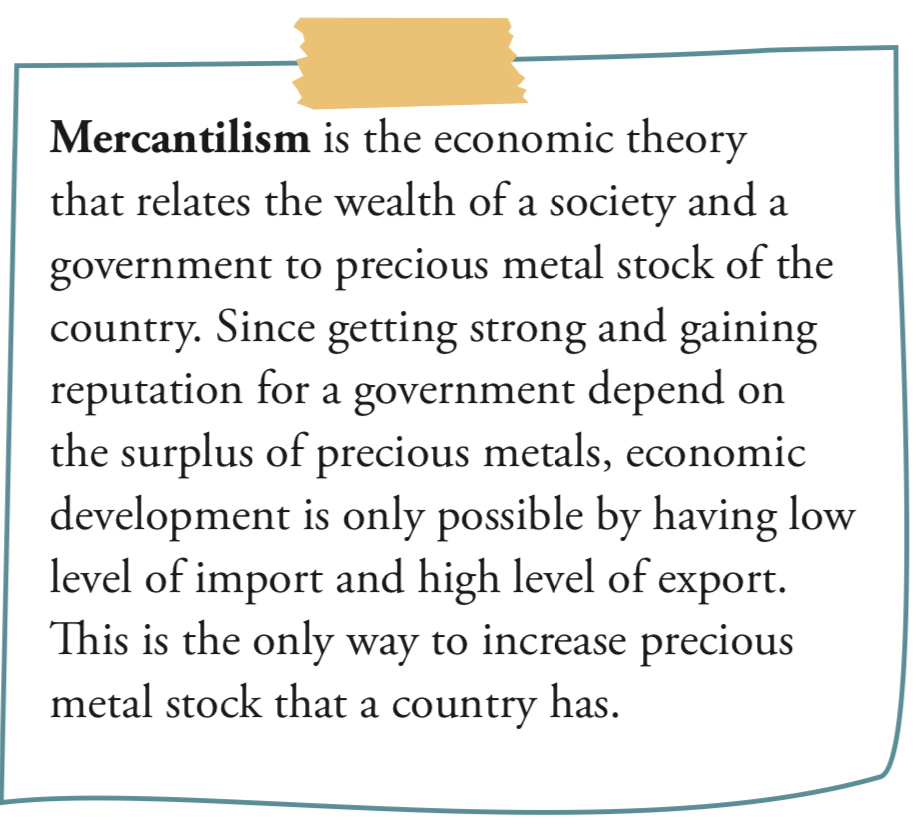
Soru 82
Transfer expenditures can be divided into four groups.To which group listed below does the transfers to special budget institutions and local authorities belong to?
Seçenekler
A
Student Transfers
B
Social Transfers
C
Financial Transfers
D
Debt Payments
E
Student loans
Açıklama:
If your answer is incorrect, review “Public Expenditures”.
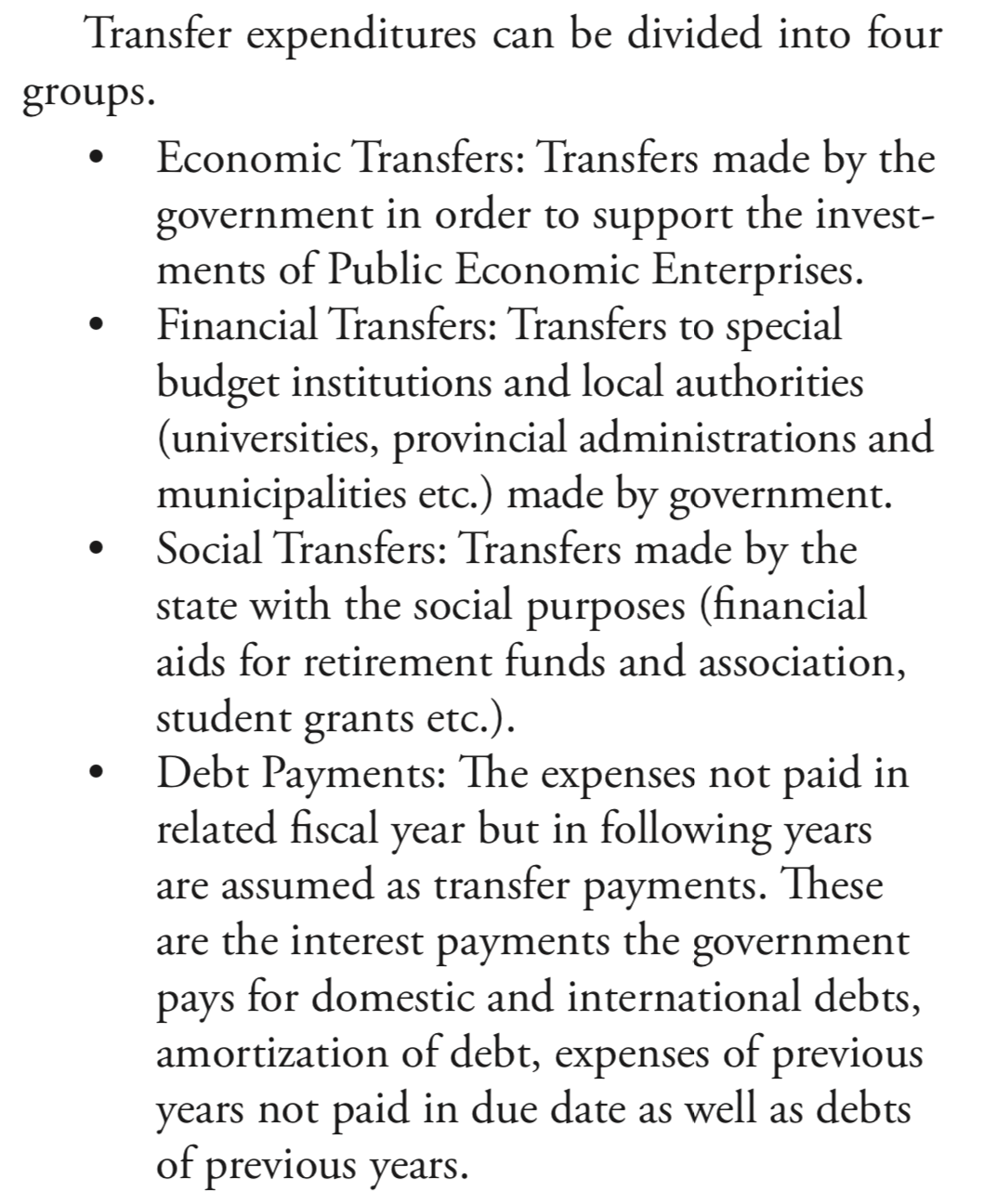
Soru 83
Which one below is not one of the four groups into the transfer expenditures can be divided?
Seçenekler
A
Fiscal Transfers
B
Economic Transfers
C
Debt Payments
D
Financial Transfers
E
Social Transfers
Açıklama:
If your answer is incorrect, review “Public Expenditures”.
Soru 84
Unless the government increases the taxes what is the increase in income when marginal propensity to save is 0.27 and marginal propensity to import is 0.13 and in case of an increase of 360 million TL in public expenditures?
Seçenekler
A
1100 million TL
B
1000 million TL
C
900 million TL
D
800 million TL
E
780 million TL
Açıklama:
If your answer is incorrect, review “Changes in Public Expenditures”.
[1/(0.27+0.13)]*(360 million TL)= 900 million TL
[1/(0.27+0.13)]*(360 million TL)= 900 million TL
Soru 85
Unless the government increases the taxes what is the increase in income when marginal propensity to consume is 0.73 and marginal propensity to import is 0.13 and in case of an increase of 290 million TL in public expenditures?
Seçenekler
A
700 million TL
B
725 million TL
C
750million TL
D
787 million TL
E
800 million TL
Açıklama:
If your answer is incorrect, review “Changes in Public Expenditures”.
MPS=1-MPC=1-0,73=0,27
[1/(0.27+0.13)]*290 million TL=725 million T
MPS=1-MPC=1-0,73=0,27
[1/(0.27+0.13)]*290 million TL=725 million T
Soru 86
The multiplier effect created by any change in taxes can be named as tax multiplier. Which one below is the formula for tax multiplier?
Seçenekler
A 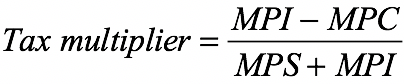
B 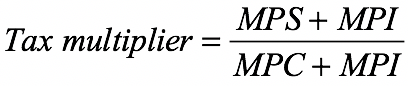
C 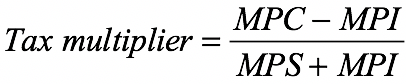
D 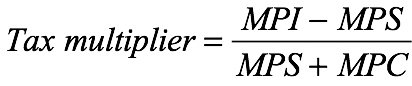
E 
Açıklama:
If your answer is incorrect, review “Changes in Taxes”.

Soru 87
In an economy with marginal propensity to consume is 0.25, marginal propensity to import is 0.25, holding everything else constant, how much does the equilibrium income decreases when tax increases by 1500 billion TL?
Seçenekler
A
0 billion TL
B
500 billion TL
C
770 billion TL
D
976 billion TL
E
1000 billion TL
Açıklama:
If your answer is incorrect, review “Changes in Taxes”.
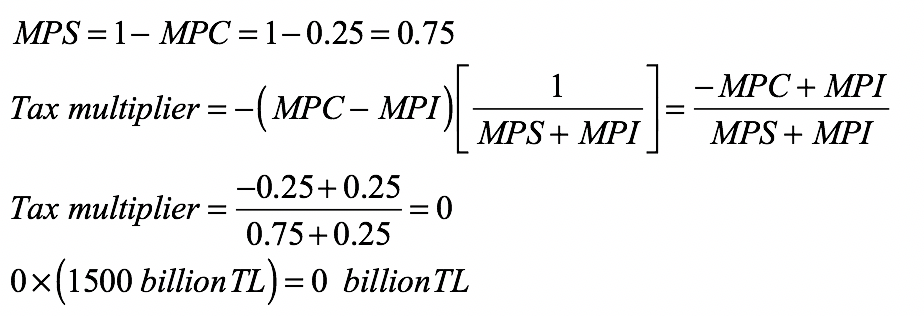
Soru 88
What is the value of balanced budget multiplier?
Seçenekler
A
-1
B
-0.5
C
0
D
0.5
E
1
Açıklama:
If your answer is incorrect, review “Changes in Public Expenditures and Taxes Together”.
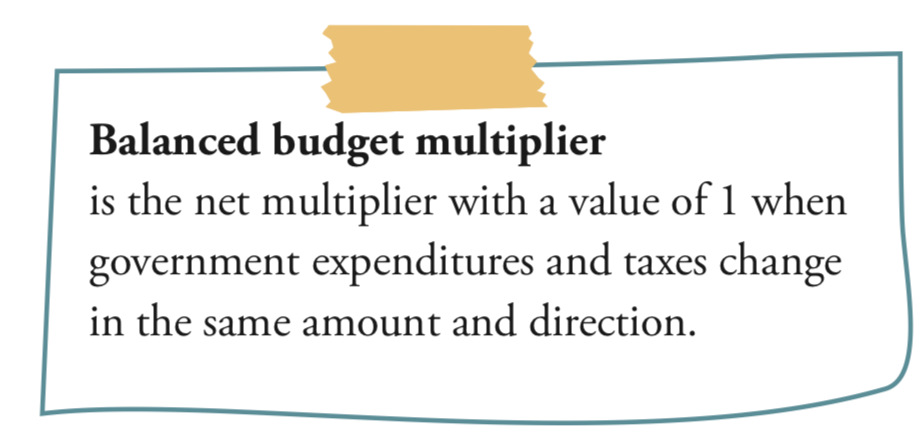
Soru 89
If the expenditure multiplier has a value of 2.76, what is the value of tax multiplier?
Seçenekler
A
-3.76
B
-2.76
C
-1.76
D
0.76
E
1.76
Açıklama:
If your answer is incorrect, review “Changes in Taxes”.
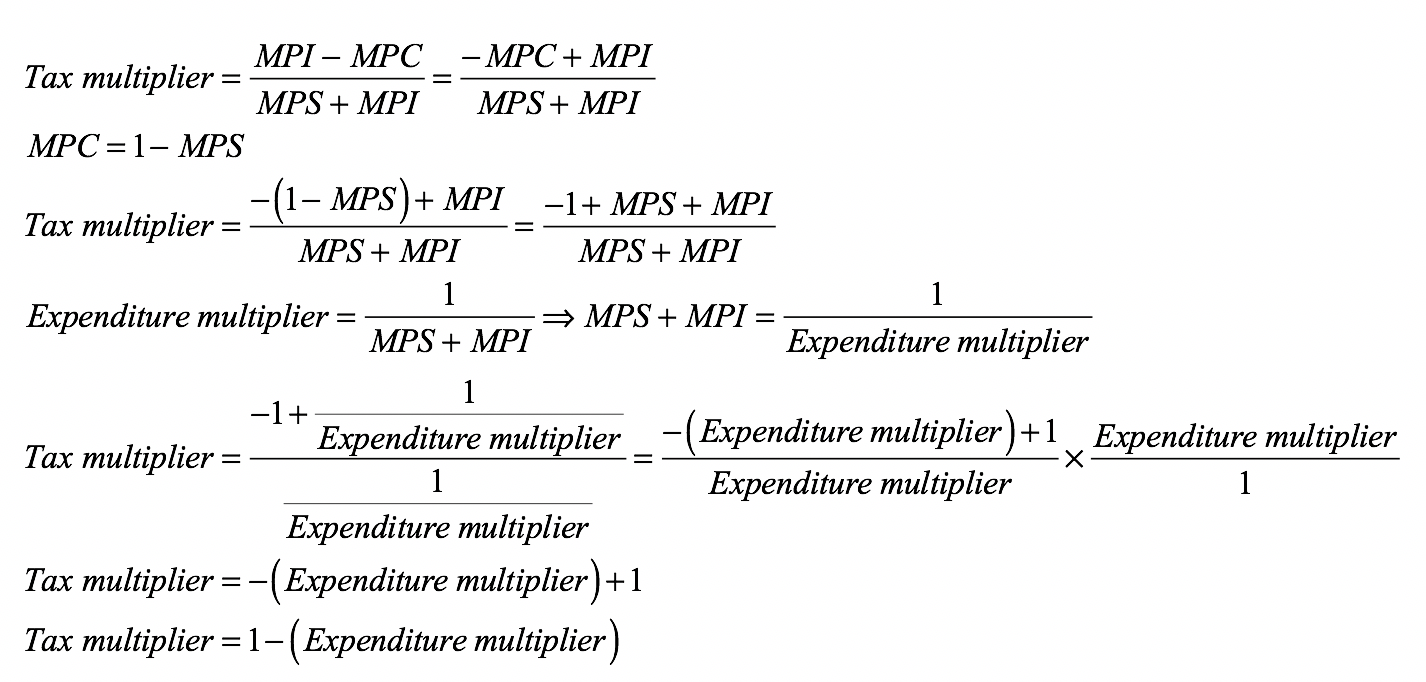 1-2.76=-1.76
1-2.76=-1.76Soru 90
If the expenditure multiplier has a value of 3.5, what is the value of tax multiplier?
Seçenekler
A
-5
B
-2.5
C
-2
D
-1.76
E
-0.13
Açıklama:
If your answer is incorrect, review “Changes in Taxes”.
1-3.5=-2.5
1-3.5=-2.5Soru 91
Which of the following is not transfer expenditures?
Seçenekler
A
Economic transfers
B
Social transfers
C
Financial transfers
D
Investment transfers
E
Debt transfers
Açıklama:
Transfer expenditures are the unreturned (outright) expenditures and have no direct effect on the national income.
Investment transfers are not one of the transfer expenditures.
Investment transfers are not one of the transfer expenditures.
Soru 92
In an economy with marginal propensity to consume is 0.70, marginal propensity to import is 0.20, holding everything else constant, what should be the increase in government expenditures in order achieve a 500 TL increase in equilibrium income?
Seçenekler
A
200
B
225
C
250
D
275
E
500
Açıklama:
We may calculate the effect of a change in public expenditures on income with the formula above.
1/(0.70-0.20)=1/0.50=2 is multiplier.
So 500/2=250 should be government expenditure.
1/(0.70-0.20)=1/0.50=2 is multiplier.
So 500/2=250 should be government expenditure.
Soru 93
Changes in autonomous taxes as we included into the model have an impact on ........... income as a basic factor determining consumption expenditures
Seçenekler
A
nominal
B
current
C
disposable
D
net
E
gross
Açıklama:
Changes in autonomous taxes as we included into the model have an impact on disposable income as a basic factor determining consumption expenditures and changes in disposable income cause changes in consumption expenditures, as well.
Changes in autonomous taxes as we included into the model have an impact on disposable income as a basic factor determining consumption expenditures
Changes in autonomous taxes as we included into the model have an impact on disposable income as a basic factor determining consumption expenditures
Soru 94
The effect of tax changes on consumption expenditures is determined by subtracting marginal propensity to .......... from marginal propensity to consume
Seçenekler
A
investment
B
export
C
import
D
saving
E
tax
Açıklama:
The effect of tax changes on consumption expenditures is determined by subtracting marginal propensity to import (MPI) from marginal propensity to consume (MPC).
Soru 95
What is the value of tax multiplier when the marginal propensity to consume is 0.80 and the marginal propensity to import is 0.30?
Seçenekler
A
-0.2
B
- 0.3
C
- 0.4
D
- 0.50
E
- 0.66
Açıklama:
Tax multiplier has a negative sign. This refers that tax changes will be reflected on income inversely, meaning that tax increases will decrease income, and tax decrease will increase income.
- (0.70-0.30) / (0.30+0.30) = -0.66
- (0.70-0.30) / (0.30+0.30) = -0.66
Soru 96
If the expenditure multiplier has a value of 3, what is the value of the tax multiplier?
Seçenekler
A
3
B
-3
C
-2
D
2
E
1
Açıklama:
Balanced budget multiplier is the net multiplier with a value of 1 when government expenditures and taxes change in the same amount and direction.
If the expenditure multiplier is 3, MPC (marginal propensity to consume) equals 2/3. Then, MPS (marginal propensity to save will be 1/3 because of MPC+MPS=1. Finally we need to calculate using formula -(MPC/MPS): -[(2/3)/(1/3)]=-2.
If the expenditure multiplier is 3, MPC (marginal propensity to consume) equals 2/3. Then, MPS (marginal propensity to save will be 1/3 because of MPC+MPS=1. Finally we need to calculate using formula -(MPC/MPS): -[(2/3)/(1/3)]=-2.
Soru 97
In case of changes in public expenditures and taxes are the same, the numerical value of net multiplier being equal to ....
Seçenekler
A
0.50
B
0.75
C
1
D
1.2
E
2
Açıklama:
In case of changes in public expenditures and taxes are the same, the numerical value of the net multiplier being equal to 1 is called as the balanced budget multiplier.
In case of changes in public expenditures and taxes are the same, the numerical value of net multiplier being equal to 1.
In case of changes in public expenditures and taxes are the same, the numerical value of net multiplier being equal to 1.
Soru 98
Since the current unemployment rate in the economy is higher than the desired, realized production level is far from providing full employment, and therefore, economy needs ................
Seçenekler
A
an increase in taxes
B
a decrease in government expenditures
C
tax discounts for investments
D
contractionary fiscal policy
E
tax increase for investment
Açıklama:
First, the government may decrease taxes that will cause income level to raise by shifting consumption function upward. Second, by increasing public expenditures the government may ensure total aggregate expenditure function to move upward. Third, in order to make the investments to be more profitable, the government may encourage more investments by providing more tax discounts. As known, an increase in planned investments also shifts aggregate expenditure function upward.
Since the current unemployment rate in the economy is higher than the desired, realized production level is far from providing full employment, and therefore, economy needs tax discounts for investment.
Since the current unemployment rate in the economy is higher than the desired, realized production level is far from providing full employment, and therefore, economy needs tax discounts for investment.
Soru 99
Which of the following is not one of the expansionary fiscal policies?
Seçenekler
A
an increase in taxes
B
a tax discount for investment
C
an increase in government expenditures
D
an increase in transfer payments
E
an increase in government investment
Açıklama:
Expansionary fiscal policy is the fiscal policy that aims to raise aggregate expenditures by increasing government spending and/or reducing taxes.
an increase in taxes is one of the contractionary fiscal policies.
an increase in taxes is one of the contractionary fiscal policies.
Soru 100
Financial aids for retirement funds and association and student grants are example for ...........transfers.
Seçenekler
A
Fiscal
B
Financial
C
Debt
D
Income
E
Social
Açıklama:
Social Transfers: Transfers made by the state with social purposes (financial aids for retirement funds and association, student grants, etc.).
Social Transfers are made by the state for social purposes (financial aids for retirement funds and association, student grants, etc.).
Social Transfers are made by the state for social purposes (financial aids for retirement funds and association, student grants, etc.).
Soru 101
Which of the following refers to the equilibrium condition for an open economy?
Seçenekler
A
I + T + IM = I + G + EX
B
S + IM = I + EX
C
S + T + IM = I + G + EX
D
S + T = I + G
E
S + T + IM = I + G
Açıklama:
S + T + IM = I + G + EX
This is the equation obtained as the condition of equilibrium in the previous chapter and it demonstrates that the total leakages must be equal to total injections in the economy.
This is the equation obtained as the condition of equilibrium in the previous chapter and it demonstrates that the total leakages must be equal to total injections in the economy.
Soru 102
Assume that marginal propensity to save is 0,30 and marginal propensity to import is 0,10. What is the calculated increase in income in case of an increase of 400 TL in public expenditures if the government doesn’t increase the taxes?
Seçenekler
A
800
B
1000
C
1200
D
1400
E
1600
Açıklama:
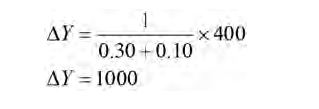 When marginal propensity to save is 0,30 and marginal propensity to import is 0,10 and in
case of an increase of 400 TL in public expenditures, if the government doesn’t increase the taxes, we determined the increase in income as above.
Soru 103
Assume that the marginal propensity to save is 0,30 and marginal propensity to import is 0,10. Which of the following equals to the 'tax multiplier' in this case?
Seçenekler
A
0.5
B
-0.5
C
1.5
D
-1.5
E
1
Açıklama:

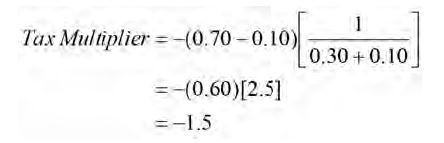
Soru 104
Assume that the marginal propensity to save is 0,30 and marginal propensity to import is 0,10 and if autonomous tax of 330 TL is increased up to 430 TL, which of the following is equal to the change in equilibrium income?
Seçenekler
A
100
B
-100
C
150
D
-150
E
-200
Açıklama:
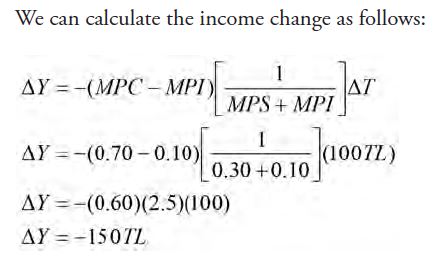
Soru 105
Supose that the marginal propensity to save is 0,30 and marginal propensity to import is 0,10. Which of the following equals to the change on income if government finances the public expenditure increase of 400 TL totally via increasing the taxes.
Seçenekler
A
100
B
200
C
300
D
400
E
500
Açıklama:
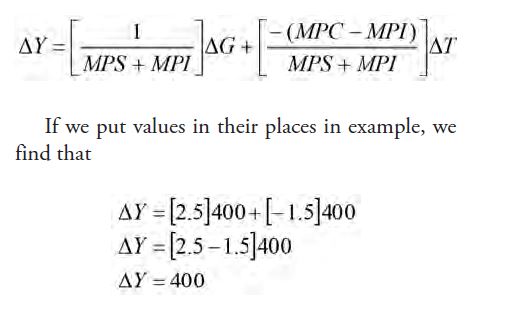
Soru 106
Which of the following gives the formula for the 'balanced bıdget multiplier'?
Seçenekler
A
(MPS+MPC)/(MPS+MPI)
B
(MPS+MPC)/(MPS+MPC)
C
(1-MPS)/(MPS+MPI)
D
(MPS+MPC)/(1-MPI)
E
(MPS+MPI)/(MPS+MPI)
Açıklama:
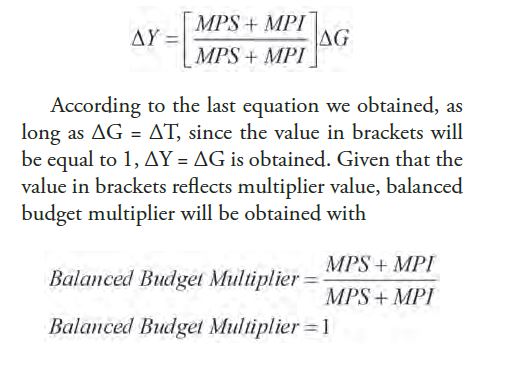
Soru 107
If an economy suffers from a high rate of unemployment, which of the following can be an action that the government will practise?
Seçenekler
A
Decrease in private sector spending
B
Decrease in public sector spending
C
Increase in public sector spending
D
Increase in taxes
E
Decrease in planned investments
Açıklama:
If an economy suffers from a high rate of unemployment, the government, directly or indirectly, should encourage increase in private and/or public sector spending, i.e., it should follow an expansionary fiscal policy. This kind of fiscal policy is resulted in increasing production and creating new job opportunities.
Soru 108
Which of the following is the most common 'automatic stabilizer' in the economy?
Seçenekler
A
Transfer payments
B
Income tax
C
Autonomous expenditures
D
Autonomous investments
E
Autonomous government spendings
Açıklama:
Automatic stabilizers are the revenue and expenditure items in the government budget that automatically change to provide stability in the economy.The primary automatic stabilizer is the income tax.
Soru 109
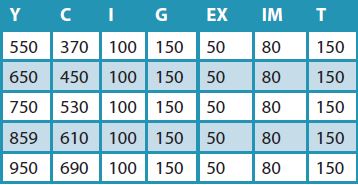 According to the table above, what is the level of equilibrium income in this economy?
Seçenekler
A
550
B
650
C
750
D
859
E
950
Açıklama:
In this economy, the level of equilibrium income is achieved when planned aggregate spending is equal to the production value. According to that, in case of total income is 750 billion TL, planned aggregate spending (C+I+G+X) value is 750 billion TL (530+100+150-30), as well.
Soru 110
Suppose that full employment level of income in this economy being assumed as 650 billion TL. According to the table above, how much does the government spending should be reduced in oder to achive full employment level of income?Seçenekler
A
10
B
20
C
30
D
40
E
50
Açıklama:
we know that level of equilibrium income is 750 billion TL in this economy. If full employment level of income is 650 billion TL, then this economy is in equilibrium with excessive employment. Then, in order to achieve full employment level of income, equilibrium income should reduce by 100 billion TL. Therefore, government should apply
contractionary fiscal policy measures and reduce public expenditures. Accordingly, public expenditures should be reduced by using ∆Y = Expense Multiplier X ∆G mechanism.
In the table provided, since import spending is included into model autonomously, expenditure multiplier will be 1/MPS. In the model, value of marginal propensity to consume for each level of income will be calculated as:
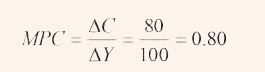 Since MPC+MPS=1, MPS = 0.20. In the light of this information, if known components are substituted in
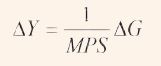
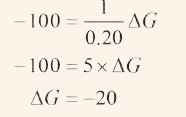 is obtained. In order to achieve full employment level of income or eliminate the inflationary gap, public expenditures should be reduced by 20 billion TL.
contractionary fiscal policy measures and reduce public expenditures. Accordingly, public expenditures should be reduced by using ∆Y = Expense Multiplier X ∆G mechanism.
In the table provided, since import spending is included into model autonomously, expenditure multiplier will be 1/MPS. In the model, value of marginal propensity to consume for each level of income will be calculated as:
Since MPC+MPS=1, MPS = 0.20. In the light of this information, if known components are substituted in is obtained. In order to achieve full employment level of income or eliminate the inflationary gap, public expenditures should be reduced by 20 billion TL.Soru 111
If we write total income of the country as, Y = C + S + T + IM, then it shows that the total income of the country is being used in four different ways. Which of the following is not part of these ways of usage?
Seçenekler
A
partly transferred to government as taxes (T),
B
partly used for the domestic investment,
C
partly used to purchase the domestically produced goods and services, in other words, consumed (C),
D
partly spent for imported goods and services (IM),
E
partly used for savings (S).
Açıklama:
Public Expenditures, Taxes and Disposable Income
This last equation demonstrates that the total income of the country is being used in four different ways. This income is partly transferred to government as taxes (T), partly used to purchase the domestically produced goods and services, in other words, consumed (C), partly spent for imported goods and services (IM) and partly used for savings (S).
This last equation demonstrates that the total income of the country is being used in four different ways. This income is partly transferred to government as taxes (T), partly used to purchase the domestically produced goods and services, in other words, consumed (C), partly spent for imported goods and services (IM) and partly used for savings (S).
Soru 112
Which of the following statement correctly defines the autonomous tax?
Seçenekler
A
Autonomous tax is the part of total taxes that is dependent on income,
B
Autonomous tax is the part of total taxes that is independent of national income,
C
Autonomous tax is the part of total taxes that is dependent on income and food expenditures,
D
Autonomous tax is the part of total taxes that is independent of income,
E
Autonomous tax is the inflation tax.
Açıklama:
Public Expenditures, Taxes and Disposable Income
Autonomous tax is the part of total taxes that is independent of income.
Autonomous tax is the part of total taxes that is independent of income.
Soru 113
Transfer expenditures can be divided into four groups. Which of the following is not one of them?
Seçenekler
A
Economic Transfers,
B
Financial Transfers,
C
Social Transfers,
D
Debt Payments,
E
Cultural transfers.
Açıklama:
Transfer expenditures
Transfer expenditures can be divided into four groups.
Economic Transfers: Transfers made by the government in order to support the investments of Public Economic Enterprises.
Financial Transfers: Transfers to special budget institutions and local authorities (universities, provincial administrations and municipalities etc.) made by government.
Social Transfers: Transfers made by the state with the social purposes (financial aids for retirement funds and association, student grants etc.).
Debt Payments: The expenses not paid in related fiscal year but in following years are assumed as transfer payments. These are the interest payments the government pays for domestic and international debts, amortization of debt, expenses of previous years not paid in due date as well as debts of previous years.
Transfer expenditures can be divided into four groups.
Economic Transfers: Transfers made by the government in order to support the investments of Public Economic Enterprises.
Financial Transfers: Transfers to special budget institutions and local authorities (universities, provincial administrations and municipalities etc.) made by government.
Social Transfers: Transfers made by the state with the social purposes (financial aids for retirement funds and association, student grants etc.).
Debt Payments: The expenses not paid in related fiscal year but in following years are assumed as transfer payments. These are the interest payments the government pays for domestic and international debts, amortization of debt, expenses of previous years not paid in due date as well as debts of previous years.
Soru 114
What is tax multiplier and what is the sign of it?
Seçenekler
A
is the coefficient that determines the effect of a change in taxes on the level of income and it has a negative sign,
B
is the coefficient that determines the effect of taxes on the level of personal income and it has a negative sign,
C
is the coefficient that determines the effect of a change in taxes on inflation and it has a negative sign,
D
is the coefficient that determines the effect of a change in taxes on the disposable income and it has a negative sign,
E
is the coefficient that determines the effect of a change in taxes on the disposable income and it has a positive sign,
Açıklama:
Changes in Taxes
Tax multiplier is the coefficient that determines the effect of a change in taxes on the level of income and tax multiplier has a negative sign. This refers that tax changes will be reflected on income inversely, meaning that tax increase will decrease income, and tax decrease will increase income.
Tax multiplier is the coefficient that determines the effect of a change in taxes on the level of income and tax multiplier has a negative sign. This refers that tax changes will be reflected on income inversely, meaning that tax increase will decrease income, and tax decrease will increase income.
Soru 115
What happens if government changes public expenditures along with taxes? For instance, if government increases public expenditures and finances this increases via taxes, what would be the effect of these changes?
Seçenekler
A
The net effect of public expenditures and taxes on income will be zero since, in terms of absolute value, expenditure multiplier is equal to the tax multiplier.
B
The net effect of public expenditures and taxes on income will be negative since, in terms of absolute value, expenditure multiplier is lower than tax multiplier.
C
The net effect of public expenditures and taxes on income will be positive since, in terms of absolute value, expenditure multiplier is higher than tax multiplier.
D
The net effect of public expenditures and taxes on income will be unknown since, in terms of absolute value, expenditure multiplier could be higher or lower than the tax multiplier.
E
The net effect of public expenditures and taxes on income will not be determined since, in terms of absolute value, import multiplier is higher than tax multiplier.
Açıklama:
Changes in Public Expenditures and Taxes Together
What happens if government changes public expenditures along with taxes? For instance, if government increases public expenditures and finances this increases via taxes, what would be the effect of these changes? Considering previous examples, we can easily answer this question. As you remember, in the examples above, we calculated if government increases public expenditures 400 TL, income will increase 1000 TL. As in the example of taxes above, if government finances 100 TL of its public expenditure increase of 400 TL, 100 TL increase in taxes will decrease income by 150 TL. If we sum up these two changes, in case of financing increase of public expenditures partly by taxes, we can easily find the net change in income. According to our example, the net effect of public expenditures and taxes on income will be found as 1000 + (-150) = 850 TL
It is necessary to emphasize several points in this calculation. First, the effects of changes in public expenditures and taxes on income are opposite to each other. Second, in terms of absolute value, expenditure multiplier is higher than tax multiplier. The reason is that, change in public expenditures affects aggregate expenditures directly while a change in taxes affects consumption expenditures via disposable income, hence aggregate expenditures indirectly.
What happens if government changes public expenditures along with taxes? For instance, if government increases public expenditures and finances this increases via taxes, what would be the effect of these changes? Considering previous examples, we can easily answer this question. As you remember, in the examples above, we calculated if government increases public expenditures 400 TL, income will increase 1000 TL. As in the example of taxes above, if government finances 100 TL of its public expenditure increase of 400 TL, 100 TL increase in taxes will decrease income by 150 TL. If we sum up these two changes, in case of financing increase of public expenditures partly by taxes, we can easily find the net change in income. According to our example, the net effect of public expenditures and taxes on income will be found as 1000 + (-150) = 850 TL
It is necessary to emphasize several points in this calculation. First, the effects of changes in public expenditures and taxes on income are opposite to each other. Second, in terms of absolute value, expenditure multiplier is higher than tax multiplier. The reason is that, change in public expenditures affects aggregate expenditures directly while a change in taxes affects consumption expenditures via disposable income, hence aggregate expenditures indirectly.
Soru 116
Why do you think the net effect of public expenditures and taxes on income will be positive?
Seçenekler
A
Since the change in public expenditures affects aggregate expenditures directly while a change in taxes affects consumption expenditures via disposable income, hence aggregate expenditures indirectly,
B
Since the change in public expenditures affects aggregate expenditures directly while a change in taxes affects consumption expenditures via transfers indirectly,
C
Since the change in public expenditures affects aggregate expenditures indirectly while a change in taxes affects consumption expenditures via disposable income, hence aggregate expenditures directly,
D
Since the change in public expenditures affects aggregate expenditures directly while a change in taxes do not affects consumption expenditures,
E
Since the change in public expenditures affects aggregate expenditures directly while a change in taxes affects consumption expenditures via inflation,
Açıklama:
Changes in Public Expenditures and Taxes Together
What happens if government changes public expenditures along with taxes? For instance, if government increases public expenditures and finances this increases via taxes, what would be the effect of these changes?
It is necessary to emphasize several points in this issue. First, the effects of changes in public expenditures and taxes on income are opposite to each other. Second, in terms of absolute value, expenditure multiplier is higher than tax multiplier. The reason is that, change in public expenditures affects aggregate expenditures directly while a change in taxes affects consumption expenditures via disposable income, hence aggregate expenditures indirectly.
What happens if government changes public expenditures along with taxes? For instance, if government increases public expenditures and finances this increases via taxes, what would be the effect of these changes?
It is necessary to emphasize several points in this issue. First, the effects of changes in public expenditures and taxes on income are opposite to each other. Second, in terms of absolute value, expenditure multiplier is higher than tax multiplier. The reason is that, change in public expenditures affects aggregate expenditures directly while a change in taxes affects consumption expenditures via disposable income, hence aggregate expenditures indirectly.
Soru 117
What value the balanced budget multiplier is equal to?
Seçenekler
A
0
B
1
C
2
D
-1
E
-2
Açıklama:
Changes in Public Expenditures and Taxes Together
When public expenditure increase is financed totally via taxes, the level of income increases is equal to expenditure increase. In case of changes in public expenditures and taxes are the same, the numerical value of net multiplier being equal to 1 is called as balanced budget multiplier.
When public expenditure increase is financed totally via taxes, the level of income increases is equal to expenditure increase. In case of changes in public expenditures and taxes are the same, the numerical value of net multiplier being equal to 1 is called as balanced budget multiplier.
Soru 118
Which of the following statement is correct about the balanced budget multiplier?
Seçenekler
A
When public expenditure increase is financed totally via taxes, the level of income increases is larger than the expenditure increase,
B
When public expenditure increase is financed totally via taxes, the level of income increases is smaller than the expenditure increase,
C
When public expenditure increase is financed totally via taxes, the level of income increases is equal to expenditure increase,
D
When public expenditure increase is financed totally via taxes, the level of income does not change,
E
When public expenditure increase is financed totally via taxes, the level of income decreases is equal to expenditure increase.
Açıklama:
Changes in Public Expenditures and Taxes Together
When public expenditure increase is financed totally via taxes, the level of income increases is equal to expenditure increase. In case of changes in public expenditures and taxes are the same, the numerical value of net multiplier being equal to 1 is called as balanced budget multiplier.
When public expenditure increase is financed totally via taxes, the level of income increases is equal to expenditure increase. In case of changes in public expenditures and taxes are the same, the numerical value of net multiplier being equal to 1 is called as balanced budget multiplier.
Soru 119
Which of the following is correct about the definition of Expansionary fiscal policy?
Seçenekler
A
Fiscal policy that aims to raise employment by increasing government spending and/or reducing taxes.
B
Fiscal policy that aims to raise inflation by increasing government spending and/or reducing taxes.
C
Fiscal policy that aims to raise unemployment by increasing government spending and/or reducing taxes.
D
Fiscal policy that aims to raise aggregate expenditures by increasing government spending and/or reducing taxes.
E
Fiscal policy that aims to reduce interest rates by increasing government spending and/or reducing taxes.
Açıklama:
Expansionary Fiscal Policies
Expansionary Fiscal Policies Assume, for instance, that the economy is faced with an undesired high unemployment rate. By analyzing how government changes the fiscal policy to combat this problem, we will review the direction of fiscal policy. Since the current unemployment rate in this economy is higher than the desired, realized production level is far from providing full employment, and therefore, economy needs a higher expenditure level. According to Figure 4.3, while full employment output is realized in YF level, the economy actually can realize production level Y. As you see from the figure, income level Y is below the income level YF signifying full employment level of income. The situation in which an economy operates with insufficient expenditure level is called as having a deflationary gap. In order to reach the output level YF, in other words, to close the deflationary gap by eliminating spending gap in the economy,
it is required to shift aggregate expenditure function upward to position AE1 indicated with dashed lines. Shifting aggregate expenditure function to the position AE1, raises the employment level by increasing the output level.
For the government to shift aggregate expenditure function upward to production level YF, within the scope of what we learnt so far, there are three ways: First, the government may decrease taxes that will cause income level to raise by shifting consumption function upward. Second, by increasing public expenditures the government may ensure total aggregate expenditure function to move upward. Third, in order to make the investments to be more profitable, the government may encourage more investments by providing more tax discounts. As known, an increase in planned investments also shifts aggregate expenditure function upward. Arranging fiscal policy to increase aggregate expenditures is called as expansionary fiscal policy. Expansionary fiscal policy is the fiscal policy that aims to raise aggregate expenditures by increasing government spending and/or reducing taxes.
Expansionary Fiscal Policies Assume, for instance, that the economy is faced with an undesired high unemployment rate. By analyzing how government changes the fiscal policy to combat this problem, we will review the direction of fiscal policy. Since the current unemployment rate in this economy is higher than the desired, realized production level is far from providing full employment, and therefore, economy needs a higher expenditure level. According to Figure 4.3, while full employment output is realized in YF level, the economy actually can realize production level Y. As you see from the figure, income level Y is below the income level YF signifying full employment level of income. The situation in which an economy operates with insufficient expenditure level is called as having a deflationary gap. In order to reach the output level YF, in other words, to close the deflationary gap by eliminating spending gap in the economy,
it is required to shift aggregate expenditure function upward to position AE1 indicated with dashed lines. Shifting aggregate expenditure function to the position AE1, raises the employment level by increasing the output level.
For the government to shift aggregate expenditure function upward to production level YF, within the scope of what we learnt so far, there are three ways: First, the government may decrease taxes that will cause income level to raise by shifting consumption function upward. Second, by increasing public expenditures the government may ensure total aggregate expenditure function to move upward. Third, in order to make the investments to be more profitable, the government may encourage more investments by providing more tax discounts. As known, an increase in planned investments also shifts aggregate expenditure function upward. Arranging fiscal policy to increase aggregate expenditures is called as expansionary fiscal policy. Expansionary fiscal policy is the fiscal policy that aims to raise aggregate expenditures by increasing government spending and/or reducing taxes.
Soru 120
As a result of use of an expansionary fiscal policy what would be the impact on national income and employment?
Seçenekler
A
It raises the output level but the employment level stays constant,
B
It reduces both the output level and the employment level,
C
It raises the output level but the employment level reduces,
D
It raises the employment level but the output level does not change,
E
It raises both the output level and the employment level,
Açıklama:
Expansionary Fiscal Policies
Expansionary Fiscal Policies Assume, for instance, that the economy is faced with an undesired high unemployment rate. By analyzing how government changes the fiscal policy to combat this problem, we will review the direction of fiscal policy. Since the current unemployment rate in this economy is higher than the desired, realized production level is far from providing full employment, and therefore, economy needs a higher expenditure level. According to Figure 4.3, while full employment output is realized in YF level, the economy actually can realize production level Y. As you see from the figure, income level Y is below the income level YF signifying full employment level of income. The situation in which an economy operates with insufficient expenditure level is called as having a deflationary gap. In order to reach the output level YF, in other words, to close the deflationary gap by eliminating spending gap in the economy,
it is required to shift aggregate expenditure function upward to position AE1 indicated with dashed lines. Shifting aggregate expenditure function to the position AE1, raises the employment level by increasing the output level.
For the government to shift aggregate expenditure function upward to production level YF, within the scope of what we learnt so far, there are three ways: First, the government may decrease taxes that will cause income level to raise by shifting consumption function upward. Second, by increasing public expenditures the government may ensure total aggregate expenditure function to move upward. Third, in order to make the investments to be more profitable, the government may encourage more investments by providing more tax discounts. As known, an increase in planned investments also shifts aggregate expenditure function upward. Arranging fiscal policy to increase aggregate expenditures is called as expansionary fiscal policy. Expansionary fiscal policy is the fiscal policy that aims to raise aggregate expenditures by increasing government spending and/or reducing taxes.
Expansionary Fiscal Policies Assume, for instance, that the economy is faced with an undesired high unemployment rate. By analyzing how government changes the fiscal policy to combat this problem, we will review the direction of fiscal policy. Since the current unemployment rate in this economy is higher than the desired, realized production level is far from providing full employment, and therefore, economy needs a higher expenditure level. According to Figure 4.3, while full employment output is realized in YF level, the economy actually can realize production level Y. As you see from the figure, income level Y is below the income level YF signifying full employment level of income. The situation in which an economy operates with insufficient expenditure level is called as having a deflationary gap. In order to reach the output level YF, in other words, to close the deflationary gap by eliminating spending gap in the economy,
it is required to shift aggregate expenditure function upward to position AE1 indicated with dashed lines. Shifting aggregate expenditure function to the position AE1, raises the employment level by increasing the output level.
For the government to shift aggregate expenditure function upward to production level YF, within the scope of what we learnt so far, there are three ways: First, the government may decrease taxes that will cause income level to raise by shifting consumption function upward. Second, by increasing public expenditures the government may ensure total aggregate expenditure function to move upward. Third, in order to make the investments to be more profitable, the government may encourage more investments by providing more tax discounts. As known, an increase in planned investments also shifts aggregate expenditure function upward. Arranging fiscal policy to increase aggregate expenditures is called as expansionary fiscal policy. Expansionary fiscal policy is the fiscal policy that aims to raise aggregate expenditures by increasing government spending and/or reducing taxes.
Soru 121
Which of the following is the economic theory that relates the wealth of a society and a government to the precious metal stock of the country?
Seçenekler
A
Mercantilism
B
Physiocracy
C
Keynesian theory
D
Neo- Keynesian theory
E
Classical theory
Açıklama:
If your answer is incorrect, review “Government in the Economy”.
Mercantilism is the economic theory that relates the wealth of a society and a government to the precious metal stock of the country.
Mercantilism is the economic theory that relates the wealth of a society and a government to the precious metal stock of the country.
Soru 122
Which of the following is the part of total taxes that is independent of income?
Seçenekler
A
Autonomous tax
B
Income tax
C
Sales tax
D
Property taxes
E
Estate taxes
Açıklama:
If your answer is incorrect, review “Public Expenditures, Taxes and Disposable Income”.
Autonomous tax is the part of total taxes that is independent of income.
Autonomous tax is the part of total taxes that is independent of income.
Soru 123
Which of the following is not a part of the transfer expenditures?
Seçenekler
A
Economic Transfers
B
Financial Transfers
C
Social Transfers
D
Debt Payments
E
Wage Payments
Açıklama:
If your answer is incorrect, review “Public Expenditures”.
Wage Payments are not a part of the transfer expenditures
Wage Payments are not a part of the transfer expenditures
Soru 124
What is the tax multiplier when MPC = 0,80 and MPI = 0,05?
Seçenekler
A
1
B
2
C
3
D
4
E
5
Açıklama:
If your answer is incorrect, review “Changes in Taxes”.
Tax multiplier is 3 when MPC = 0,80 and MPI = 0,05
Tax multiplier is 3 when MPC = 0,80 and MPI = 0,05
Soru 125
What is the tax multiplier when MPC = 0,70 and MPI = 0,05?
Seçenekler
A
1.5
B
2
C
2.15
D
2.45
E
3
Açıklama:
If your answer is incorrect, review “Changes in Taxes”.
Tax multiplier is 2.15 when MPC = 0,70 and MPI = 0,05
Tax multiplier is 2.15 when MPC = 0,70 and MPI = 0,05
Soru 126
What is the policy that aims to raise aggregate expenditures by increasing government spending and/or reducing taxes?
Seçenekler
A
Expansionary fiscal policy
B
Contractionary fiscal policy
C
Expansionary monetary policy
D
Contractionary monetary policy
E
Financial policy
Açıklama:
If your answer is incorrect, review “Expansionary fiscal policy”.
Expansionary fiscal policy is the policy that aims to raise aggregate expenditures by increasing government spending and/or reducing taxes
Expansionary fiscal policy is the policy that aims to raise aggregate expenditures by increasing government spending and/or reducing taxes
Soru 127
What is the policy that aims to decrease aggregate expenditures by reducing government spending and/or increasing taxes?
Seçenekler
A
Expansionary fiscal policy
B
Contractionary fiscal policy
C
Expansionary monetary policy
D
Contractionary monetary policy
E
Financial policy
Açıklama:
If your answer is incorrect, review “Contractionary fiscal policy”.
Contractionary fiscal policy is the policy that aims to raise aggregate expenditures by increasing government spending and/or reducing taxes
Contractionary fiscal policy is the policy that aims to raise aggregate expenditures by increasing government spending and/or reducing taxes
Soru 128
Which of followings indicates the effect of a tax decrease on aggregate expenditure function (AE) and income (Y)?
Seçenekler
A
AE shits downward and Y decreases
B
AE shifts upward and Y increases
C
AE shifts upward and Y decreases
D
AE shifts downward and Y increases
E
AE and Y do not change their original position
Açıklama:
If your answer is incorrect, review “Changes in Taxes”
The effect of a tax decrease on aggregate expenditure function and income shifts the AE upwards and increases the Y
The effect of a tax decrease on aggregate expenditure function and income shifts the AE upwards and increases the Y
Soru 129
What is the value of the balanced budget multiplier when canges in expenditures should be met completely by changes in taxes?
Seçenekler
A
0.5
B
0.75
C
1
D
1.25
E
1.50
Açıklama:
If your answer is incorrect, review “Changes in Public Expenditures and Taxes Together”
The value of the balanced budget multiplier when canges in expenditures should be met completely by changes in taxes is 1
The value of the balanced budget multiplier when canges in expenditures should be met completely by changes in taxes is 1
Soru 130
What is the effect of a change in public expenditures on income when marginal propensity to save is 0,20, marginal propensity to import is 0,05, and the increase in public expenditures is 100 TL?
Seçenekler
A
200
B
300
C
400
D
500
E
600
Açıklama:
If your answer is incorrect, review “Changes in Public Expenditures”
400 is the effect of a change in public expenditures on income when marginal propensity to save is 0,20, marginal propensity to import is 0,05, and the increase in public expenditures is 100 TL.
400 is the effect of a change in public expenditures on income when marginal propensity to save is 0,20, marginal propensity to import is 0,05, and the increase in public expenditures is 100 TL.
Ünite 5
Soru 1
Which of the following options would lead to an environment having no common instrument for exchanging?
Seçenekler
A
Money economy
B
Free economy
C
Barter economy
D
Health econmy
E
Manufacturing economy
Açıklama:
The best way to understand the function of money as a medium of exchange is to consider an environment having no common instrument for exchanging. In such an environment, goods and services would be exchanged with other goods and services. So, in such environments there would be a barter economy and people would Exchange the goods they produced with the goods they want to consume.
Soru 2
Which of the following option explains inefficiency of bartering?
Seçenekler
A
Cause low labor quality
B
Production costs of products are not equal
C
No middle man in the market
D
No special market space
E
Prevent specialization in division of labor
Açıklama:
The necessity of double coincidence of wants and uncertainty about the rate of exchange in a barter economy cause inefficiency by preventing specialization in division of labor. Thus, since the barter requires too much time and to bargain other people one by one, it is not a desired way.
Soru 3
Which of the following function of Money ensures to keep purchasing power on hand?
Seçenekler
A
Unit of account
B
Store value
C
Medium of exchange
D
Credibility
E
Accreditation
Açıklama:
Serving as a Store of Value: The third function of money is to be a store of value. Money, as a store of value, ensures to keep purchasing power on hand.
Soru 4
Which option below could be an example for fiat money?
Seçenekler
A
Oil
B
Silver
C
Gold
D
50TL banknot
E
Diamonds
Açıklama:
The objects having no value as goods but referring to a value in purchasing goods and services are called as fiat Money.
Soru 5
Which one of the following is an example of bank created Money?
Seçenekler
A
Deposit money
B
Reserve money
C
Quasi money
D
Loan money
E
Investment money
Açıklama:
Banks create money by collecting deposits from people and using them to make loans and investments. This money created in form of demand deposits as a result of banks’ credit transactions is called as deposit Money.
Soru 6
Which of the following option is the reason for people to hold money in their wallet?
Seçenekler
A
Variety of the products
B
Other customers’ tastes
C
Prices of the goods and services
D
Number of the firms
E
Number of the customers
Açıklama:
The reason you hold money in your wallet to buy something is that acquisition periods of income are generally not matching with spending periods. You have to hold an amount of money as much as the amount you wish to spend. The other factor determining the amount of money you want to hold is prices.
Soru 7
Which of the following is the most important property of indirect channel concept suggested by Keynes?
Seçenekler
A
Velocity of money
B
Multiplication of prices
C
Stable interest rate
D
Existence of alternative financial assets
E
Changes in the aggregate expenditure
Açıklama:
The most important property of indirect channel concept suggested by Keynes, is the existence of alternative financial assets instead of holding money.
Soru 8
According to the classical economists Which of the following provides the information about factors that determine the velocity?
Seçenekler
A
Number of the potential customers
B
Number of the customers
C
People’s tastes
D
People’s savings
E
People’s habit to spend and pay
Açıklama:
Classical economists insist that factors that determine the velocity are people’s habits to spend and to pay.
Soru 9
Which of the following could be the reaction for central bank’s decision to first raise money supply and then if economy recovers more than required and there are signs of inflationary threats?
Seçenekler
A
Increasing the prices
B
Increasing the interest rate
C
Increasing the exports
D
Decreasing supply
E
No changes in production level
Açıklama:
If economy recovers more than required and there are signs of inflationary threats, monetary authorities would decide to slowdown the money supply and to increase interest rates.
Soru 10
Which of the following is the goal for open market operations?
Seçenekler
A
Control domestic banks
B
Protect domestic banks
C
Lowering the investment expenditures
D
Decrease the dangerous activities of banks
E
Expand and restrict the reserves of banking system
Açıklama:
Open market operations are the purchasing/selling of government securities (government bonds and treasury bills) in the money market. The goal of purchasing/selling operations performed by the central bank in the market is to expand/restrict the reserves of the banking system.
Soru 11
Which of the following functions of money enables us to keep the purchasing power?
Seçenekler
A
Serving as a medium of exchange
B
Enabling financial transactions
C
Enabling the exchange of goods and services
D
Serving as a unit of account
E
Serving as a store of value
Açıklama:
Money, as a store of value, ensures to keep purchasing power on hand. For example, you hold an amount of purchasing power equal to the amount of money in your pocket right now. If you have 20 TL in your pocket, you can imagine your purchasing power by thinking about the goods and services you may purchase with this amount of money and understand this function of money easily. This function of money is closely related with the prices of goods and services in the country. For instance, if all prices double right now, the amount of goods and services you can purchase with the money in your pocket cut in half. In other words, your purchasing power with the money in your pocket halves. Contrary, if all prices of goods and services are lowered, then you can purchase more goods and services with the money in your pocket, meaning that your purchasing power increases.
The correct answer is E.
The correct answer is E.
Soru 12
Which of the following is the general term that refers to the object which has no value as a good but has a value in purchasing goods and services?
Seçenekler
A
Commodity money
B
Fiat money
C
Liquidity
D
Quasi money
E
Deposit
Açıklama:
The objects having no value as goods but referring to a value in purchasing goods and services are called as fiat money. The paper pieces we use as medium of exchange today has no value as goods. But these papers in your pocket refer to an amount of value equal to the numbers printed on it in purchasing goods and services.
The correct answer is B.
The correct answer is B.
Soru 13
Which of the following is an example of quasi money?
Seçenekler
A
Time deposit
B
Banknote
C
Coins
D
Paper money
E
Demand deposits
Açıklama:
Near or quasi money is an asset which has a high liquidity but cannot be used directly in payments. Time deposits can be withdrawn from bank only after a certain time. Therefore, you can not use your time deposits to make any payment. If you have a time deposit in a bank, you cannot make a payment by writing a check like in demand deposits. Therefore, time deposits are excluded from types of money, and are considered quasi money.
The correct answer is A.
The correct answer is A.
Soru 14
Which of the following terms refers to the money in the form of demand deposit that is created by banks as a result of accepting deposits and loaning of funds?
Seçenekler
A
Reserve
B
Securities
C
Loans
D
Deposit money
E
Excess
Açıklama:
Deposit money is money in the form of demand deposit that is created by banks as a result of accepting deposits and loaning of funds.
The correct answer is D.
The correct answer is D.
Soru 15
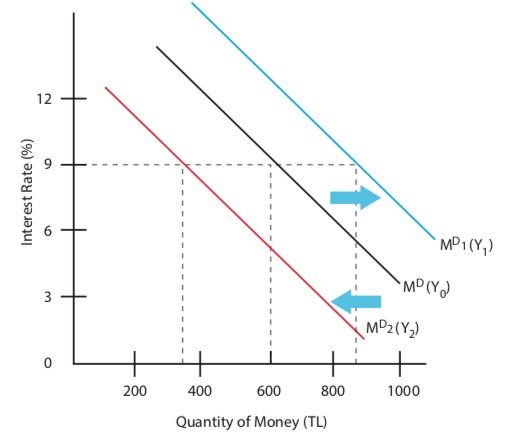 According to the above figure, what happens when nominal income increases from Y0 to Y1?
Seçenekler
A
Money demand decreases from Md0 to Md2.
B
Money demand curve shifts leftward.
C
The amount of money demand decreases from 600 TL to 400 TL.
D
There is no change in money demand.
E
Money demand increases from Md0 to Md1.
Açıklama:
If nominal income increases from Y0 to Y1, money demand increases from Md0 to Md1and money demand function shifts rightward. In case of a nominal income decrease from Y0 to Y2, money demand decreases from Md0 to Md2and money demand curve shifts leftward. When money demand curve shifts from Md0 to Md1, amount of money demand in the interest rate of 9 percent increases from 600 TL to 800 TL. On the contrary, when money demand function shifts to the left from Md0 to Md2, the amount of money demand decreases from 600 TL to 400 TL.
The correct answer is E.
The correct answer is E.
Soru 16
Which of the following terms refers to the number that represents, on average, how many times one unit of money is used for purchasing final goods and services?
Seçenekler
A
Direct channel
B
Equation of exchange
C
Neutrality of money
D
Velocity of money
E
Nominal income
Açıklama:
Velocity of money is the number that represents, on average, how many times one unit of money is used for purchasing final goods and services.
The correct answer is D.
The correct answer is D.
Soru 17
Which of the following are three general tools of monetary policy that the Central Bank uses to manage banking reserves?
Seçenekler
A
Equation of exchange-velocity of money-neutrality of money
B
Money supply-money-demand-interest rate
C
Required reserve ratio-discount rate-open market operations
D
Reserves-excess-loans
E
Cash-securities-assets
Açıklama:
The Central Bank has some tools to direct the reserves of banking system in the country. The numbers and types of these tools are determined by the structure of country’s financial system and the legislative regulations. There are three tools namedgeneral tools of monetary policy that central banks can use for this purpose: Required reserve ratio, discount rate and open market operations.
The correct answer is C.
The correct answer is C.
Soru 18
What is the strategy that the Central Bank needs to adopt to slow down the accelerating trends in inflation?
Seçenekler
A
Following an expansionary money policy
B
Decreasing interest rates
C
Increasing money supply
D
Increasing bank reserves
E
Following a tight monetary policy
Açıklama:
In an environment where central bank would like to slowdown the accelerating trends in inflation, it should slowdown the money supply; that is, following a tight monetary policy. Therefore, it is required to stop the rise in banks’ reserves. As you remember, since a decrease in bank reserves reduces the volume of deposit money created by banks, the rise of money supply will slowdown, as well.
The correct answer is E.
The correct answer is E.
Soru 19
What should the central bank do when it wants to accelerate the raise in money supply?
Seçenekler
A
Increase discount rate
B
Increase required reserve ratios
C
Sell government securities in the market
D
Increase the reserves of banking system
E
Decrease the reserves of banking system
Açıklama:
When central bank purchases government securities in the market, it transfers reserves to banks and this is the beginning of deposit money creation process. Thus, when central bank wants to accelerate the raise in money supply, it will directly increase the reserves of banking system by making open market purchasing in the market. On the other hand, if central bank starts to sell government securities, it will withdraw reserves from banking system. This reduces the amount of deposit money that banks can create. Thus, when central bank wants to decelerate the raise in money supply, it will directly decrease the reserves of banking system by making open market sale in the market.
The correct answer is D.
The correct answer is D.
Soru 20
I. Serving as a Unit of Account
II. Serving as a Tool in Barter
III. Serving as a Store of Value
Which of the given are considered among the functions of money?
II. Serving as a Tool in Barter
III. Serving as a Store of Value
Which of the given are considered among the functions of money?
Seçenekler
A
Only I
B
Only II
C
I and II
D
I and III
E
II and III
Açıklama:
Money has three basic functions in an economic structure: It serves as a medium of exchange, a unit of account and a store of value. The answer is D.
Soru 21
What does it mena to be a "store of value" ?
Seçenekler
A
The object which has both a value as a good and a medium of exchange.
B
Function of money means that it is the common measurement unit in quantifying the value of goods and services.
C
Function of money means that it eases and accelerates exchange of goods and services.
D
The direct exchange of goods or services for another without using any medium of exchange.
E
Function of money means that it ensures to keep purchasing power on hand.
Açıklama:
Store of value function of money means that it ensures to keep purchasing power on hand. The answer is E.
Soru 22
What is Commodity money?
Seçenekler
A
The speed and easiness of an asset to convert currency or demand deposit or any other payment tool.
B
An asset which has a high liquidity but cannot be used directly in payments.
C
The law that states that the bad money drives out the good money in the market.
D
The object which has no value as a good but has a value in purchasing goods and services.
E
The object which has both a value as a good and a medium of exchange.
Açıklama:
Commodity money is the object which has both a value as a good and a medium of exchange. The answer is E.
Soru 23
What is liquidity?
Seçenekler
A
The speed and easiness of an asset to convert currency or demand deposit or any other payment tool.
B
An asset which has a high liquidity but cannot be used directly in payments.
C
A monetary aggregate which consists of currency in circulation plus total demand deposits in banking system.
D
The sum of cash in bank’s vault and demand deposits in central bank and other banks.
E
The object which has no value as a good but has a value in purchasing goods and services.
Açıklama:
Liquidity is the speed and easiness of an asset to convert currency or demand deposit or any other payment tool. The answer is A.
Soru 24
Which of the given CBRT’s definitions can be said to be true about Official Money Stock Definitions?
Seçenekler
A
M1 = Currency in Circulation + Demand Deposits
B
M1 = M2 + M3
C
M3 = M2 + Debt Securities Issued
D
M3 = M2 + Repo + Money Market Funds
E
M2 = M1 + Time Deposits + Repo
Açıklama:
M1 = Currency in Circulation + Demand Deposits
M2 = M1 + Time Deposits
M3 = M2 + Repo + Money Market Funds + Debt Securities Issued
The answer is A.
M2 = M1 + Time Deposits
M3 = M2 + Repo + Money Market Funds + Debt Securities Issued
The answer is A.
Soru 25
I. Reserves are the sum of cash in bank’s vault and demand deposits in central bank and other banks.
II. Fractional reserve banking is the banking practice in which banks hold more reserves than their total liabilities.
III. Deposit money is money in the form of demand deposit that is created by banks as a result of
accepting deposits and loaning of funds.
Which can be said to be true about banks?
II. Fractional reserve banking is the banking practice in which banks hold more reserves than their total liabilities.
III. Deposit money is money in the form of demand deposit that is created by banks as a result of
accepting deposits and loaning of funds.
Which can be said to be true about banks?
Seçenekler
A
Only I
B
Only II
C
I and II
D
I and III
E
II and III
Açıklama:
Reserves are the sum of cash in bank’s vault and demand deposits in central bank and other banks. Fractional reserve banking is the banking practice in which banks hold less reserves than their total liabilities. Deposit money is money in the form of demand deposit that is created by banks as a result of accepting deposits and loaning of funds.
The answer is D.
The answer is D.
Soru 26
If the change in reserves of banking system is 1000 and required reserve ratio is 2.5 what is the change in demand deposits?
Seçenekler
A
300
B
400
C
500
D
600
E
700
Açıklama:
If we denote the amount of deposit money which banking system can create, that is, change in demand deposits, as ΔD, change in reserves of banking system as ΔR and required reserve ratio as r, we can calculate the deposit money amount that can be created with the formula:
ΔD = (1/r)*ΔR
The term in parenthesis in this equation above is called as simple deposit money multiplier.
Then ΔD = (1/2.5)*1000 which would yield to 400
The answer is B.
ΔD = (1/r)*ΔR
The term in parenthesis in this equation above is called as simple deposit money multiplier.
Then ΔD = (1/2.5)*1000 which would yield to 400
The answer is B.
Soru 27
I. Economic units would like to hold an amount of money for the purposes of transaction, precaution and speculation.
II. The factors determining the amount of money that economic units would like to hold are nominal income and interest rate.
III. While nominal income is indirectly related with money demand, interest rate affects the demand for money directly.
What can be said to be true about Keynesian economists explanations of the relationship
between the quantity of money and economic activities?
II. The factors determining the amount of money that economic units would like to hold are nominal income and interest rate.
III. While nominal income is indirectly related with money demand, interest rate affects the demand for money directly.
What can be said to be true about Keynesian economists explanations of the relationship
between the quantity of money and economic activities?
Seçenekler
A
Only I
B
Only II
C
I and II
D
I and III
E
II and III
Açıklama:
Economic units would like to hold an amount of money for the purposes of transaction, precaution and speculation. The factors determining the amount of money that economic units would like to hold are nominal income and interest rate. While nominal income is directly related with money demand, interest rate affects the demand for money inversely. Assuming income and prices are constant, the money demand function to be drawn will be a negatively slopped curve. At the point which money demand is equal to money supply, money market is equilibrium and market clearing interest rate is determined. Any change in the quantity of money will affect the investments via its effect on interest rate and then investment changes affect nominal income.
The answer is C.
The answer is C.
Soru 28
I. Equation of exchange is an identity showing that the multiplication of amount of in an economy with velocity of money will be equal to nominal income.
II. By assuming a constant velocity, classical economists insist that any change in the quantity of money affects only prices with same direction and the same rate.
III. Classical economists accept that money is neutral; that is, it has an important effect on the volume of output in the economy.
What can be said to be true about Classical economists explanations of the relationship
between the quantity of money and economic activities?
II. By assuming a constant velocity, classical economists insist that any change in the quantity of money affects only prices with same direction and the same rate.
III. Classical economists accept that money is neutral; that is, it has an important effect on the volume of output in the economy.
What can be said to be true about Classical economists explanations of the relationship
between the quantity of money and economic activities?
Seçenekler
A
Only I
B
Only II
C
I and II
D
I and III
E
II and III
Açıklama:
The economists arguing that amount of money directly affects the economy base this view on equation of exchange. Equation of exchange is an identity showing that the multiplication of amount of in an economy with velocity of money will be equal to nominal income. By assuming a constant velocity, classical economists insist that any change in the quantity of money affects only prices with same direction and the same rate. Therefore they accept that money is neutral; that is, it has no effect on the volume of output in the economy. The answer is C.
Soru 29
I. The most important task of a central bank is to control monetary system of the country and to
ensure it works in stability in order to achieve the national objectives.
II. Central bank, as a financial institution, performs banking activities for the government by collecting, holding, transferring the government’s funds and making payments with them.
III. The term being banker for banking system means that the central bank serves other banks with products which is completely different to the banking system provides their clients.
What can be said to be true about the Central Bank’s functions?
ensure it works in stability in order to achieve the national objectives.
II. Central bank, as a financial institution, performs banking activities for the government by collecting, holding, transferring the government’s funds and making payments with them.
III. The term being banker for banking system means that the central bank serves other banks with products which is completely different to the banking system provides their clients.
What can be said to be true about the Central Bank’s functions?
Seçenekler
A
Only I
B
Only II
C
I and II
D
I and III
E
II and III
Açıklama:
The most important task of a central bank is to control monetary system of the country and to
ensure it works in stability in order to achieve the national objectives. The term being banker for
banking system means that the central bank serves other banks with products which is similar to the banking system provides their clients. Central bank, as a financial institution, performs banking activities for the government by collecting, holding, transferring the government’s funds and making payments with them. The answer is C.
ensure it works in stability in order to achieve the national objectives. The term being banker for
banking system means that the central bank serves other banks with products which is similar to the banking system provides their clients. Central bank, as a financial institution, performs banking activities for the government by collecting, holding, transferring the government’s funds and making payments with them. The answer is C.
Soru 30
When was the first metal money used in history?
Seçenekler
A
7th century B.C.
B
6th century B.C.
C
5th century B.C.
D
4th century B.C.
E
3th century B.C.
Açıklama:
The first metal money known in history was used in 7th century B.C. in ancient Lydia in the Aegean region of our country. Correct answer is A.
Soru 31
Where was the first banknote used in history?
Seçenekler
A
New York
B
London
C
Paris
D
Berlin
E
Rome
Açıklama:
The first banknote was used by goldsmiths in London in 7th century A.D. Money, which has an interesting historical development process, has important effects on economy. Correct answer is B.
Soru 32
Which of the following functions of money ensures to keep purchasing power on hand?
Seçenekler
A
Serving as a medium of exchange
B
Serving as a unit of account
C
Serving as a store of value
D
Making possible financial innovations
E
Representing a social change
Açıklama:
Money, as a store of value, ensures to keep purchasing power on hand. Correct answer is C.
Soru 33
Which of the following is the object which has both a value as a good and a medium of exchange?
Seçenekler
A
Fiat money
B
Near money
C
Liquidity
D
Commodity money
E
Metal money
Açıklama:
Commodity money is the object which has both a value as a good and a medium of exchange. Correct answer is D.
Soru 34
Which of the following equation shows M1 money stock?
Seçenekler
A
M1 = Currency in Circulation + Time Deposits
B
M1 = Currency in Circulation + Repo
C
M1 = Currency in Circulation + Money Market Funds
D
M1 = Currency in Circulation + Debt Securities Issued
E
M1 = Currency in Circulation + Demand Deposits
Açıklama:
CBRT’s definition of M1 is as follows:
M1 = Currency in Circulation + Demand Deposits
Correct answer is E.
M1 = Currency in Circulation + Demand Deposits
Correct answer is E.
Soru 35
Which of the following equation shows M2 money stock?
Seçenekler
A
M2 = M1+ Time Deposits
B
M2 = M1 + Repo
C
M2 = M1 + Money Market Funds
D
M2 = M1 + Debt Securities Issued
E
M2 = M1 + Demand Deposits
Açıklama:
M2 is a monetary aggregate which consists of M1 plus total time deposits in banking system (also known as broad definition of money supply). Correct answer is A.
Soru 36
Which of the following equation shows M3 money stock?
Seçenekler
A
M3 = M2 + Repo
B
M3 = M2 + Repo + Money Market Funds + Debt Securities Issued
C
M3 = M2 + Repo + Money Market Funds
D
M3 = M2 + Repo + Debt Securities Issued
E
M3= M2 + Money Market Funds + Debt Securities Issued
Açıklama:
M3 is a monetary aggregate which consists of M2 plus repo accounts, money market funds and debt securities issued. Correct answer is C.
Soru 37
Which of the following is the quantity of money that economic agents want to hold with the intent of defraying unforeseen expenses?
Seçenekler
A
Transaction demand for money
B
Speculative demand for money
C
Precautionary demand for money
D
Purchase demand for money
E
Saving demand for money
Açıklama:
Precautionary demand for money is the quantity of money that economic agents want to hold with the intent of defraying unforeseen expenses. Correct answer is C.
Soru 38
Which of the following is the quantity of money that economic agents want to hold because of price uncertainty of financial assets other than money?
Seçenekler
A
Purchase demand for money
B
Saving demand for money
C
Transaction demand for money
D
Speculative demand for money
E
Precautionary demand for money
Açıklama:
Speculative demand for money is the quantity of money that economic agents want to hold because of price uncertainty of financial assets other than money. Correct answer is D.
Soru 39
I. Required reserve ratio
II. Discount rates
III. Open market operations
Which of above are general tools of monetary policy?
II. Discount rates
III. Open market operations
Which of above are general tools of monetary policy?
Seçenekler
A
Only I
B
Only II
C
I,II
D
II,III
E
I,II,III
Açıklama:
General tools of monetary policy are tools that central banks use to direct reserves of banking system in a country consisting of required reserve ratios, discount rates and open market operations. Correct answer is E.
Soru 40
I. Economic units exchange goods and services on hand with money, and use this money to buy goods and services they want.
II. Barter is the exchange of goods or services for another by using any medium of exchange.
III. Money, as a unit of account, is a common measurement unit in quantifying the value of goods and services.
What can be said to be true about the function of money?
II. Barter is the exchange of goods or services for another by using any medium of exchange.
III. Money, as a unit of account, is a common measurement unit in quantifying the value of goods and services.
What can be said to be true about the function of money?
Seçenekler
A
Only I
B
Only II
C
I and II
D
I and III
E
II and III
Açıklama:
Economic units exchange goods and services on hand with money, and use this money to buy goods and services they want. Barter is the direct exchange of goods or services for another without using any medium of exchange. Money, as a unit of account, is a common measurement unit in quantifying the value of goods and services. The answer is D.
Soru 41
Which of the given official money stock definitions is true?
Seçenekler
A
M1 = Currency in Circulation + Demand Deposits
B
M3 = M1 + Time Deposits
C
M3 = M1 + M2 + Repo
D
M3 = M2 + Repo + Debt Securities Issued
E
M3 = M2 + Repo + Money Market Funds
Açıklama:
The Official Money Stock Definitions are:
M1 = Currency in Circulation + Demand Deposits
M2 = M1 + Time Deposits
M3 = M2 + Repo + Money Market Funds + Debt Securities Issued
The answer is A.
M1 = Currency in Circulation + Demand Deposits
M2 = M1 + Time Deposits
M3 = M2 + Repo + Money Market Funds + Debt Securities Issued
The answer is A.
Soru 42
What is the banking practice in which banks hold less reserves than their total liabilities?
Seçenekler
A
Fractional reserve banking
B
Deposit money
C
Reserves
D
Gresham’s Law
E
Transaction demand for money
Açıklama:
Fractional reserve banking is the banking practice in which banks hold less reserves than their total liabilities. The answer is A.
Soru 43
What is Gresham’s Law?
Seçenekler
A
Gresham’s Law states that in banking practice banks should hold less reserves than their total liabilities.
B
Gresham’s Law states that the bad money drives out the good money in the market.
C
Gresham’s Law states that money demand is the quantity of money that economic agents want to hold.
D
Gresham’s Law states that equation of exchange shows that the multiplication of the quantity of money in an economy with the velocity of a unit of money will be equal to nominal GDP.
E
Gresham’s Law states the phenomenon indicating that changes in quantity of money do not have any effect in production amount (or real variables of the economy) but affect only in prices
Açıklama:
Gresham’s Law states that the bad money drives out the good money in the market. The answer is B.
Soru 44
I. Evolution of money can be reviewed in two basic categories as commodity money and fiat money.
II. In a modern economy, money splits into three types; coins, banknotes and demand deposits.
III. CBRT issues data related to alternative money stock definitions known as M0, M1, and M2.
Which of the statements can be said to be true about the evolution of money?
II. In a modern economy, money splits into three types; coins, banknotes and demand deposits.
III. CBRT issues data related to alternative money stock definitions known as M0, M1, and M2.
Which of the statements can be said to be true about the evolution of money?
Seçenekler
A
Only I
B
Only II
C
I and II
D
I and III
E
II and III
Açıklama:
Evolution of money can be reviewed in two basic categories as commodity money and fiat money. In a modern economy, money splits into three types; coins, banknotes and demand deposits. Although they are not liquid as much as cash and demand deposits, the near money assets are also considered as money. Each country’s central bank makes various definitions for money stock considering the problems in money definition. For instance, CBRT issues data related to alternative money stock definitions known as M1, M2 and M3.
The answer is C.
The answer is C.
Soru 45
For an economy the monetary value of the production (P x Y) of this economy is 2.500 TL, the quantity of money to pay for final goods and services in this economy is 500 TL what is the velocity?
Seçenekler
A
1
B
2
C
3
D
4
E
5
Açıklama:
Although expressed in various forms according to variable examined, equation of exchange developed by classical economists can basically be written as follows: M x V = P x Y
The velocity is calculated as V = (P x Y)/M. Here M is 500 and (P x Y) is 2500, therefore the velocity is 2500/500 = 5
The answer is E.
The velocity is calculated as V = (P x Y)/M. Here M is 500 and (P x Y) is 2500, therefore the velocity is 2500/500 = 5
The answer is E.
Soru 46
I. Equation of exchange is an identity showing that the multiplication of amount of in an economy with velocity of money will be equal to nominal income.
II. By assuming a constant velocity, classical economists insist that any change in the quantity of money affects only prices with same direction and the same rate.
III. Any change in the quantity of money will affect the investments via its effect on interest rate and then investment changes affect nominal income.
What can be said to be true about classical economists' explanation of the relationship between the quantity of money and economic activities?
II. By assuming a constant velocity, classical economists insist that any change in the quantity of money affects only prices with same direction and the same rate.
III. Any change in the quantity of money will affect the investments via its effect on interest rate and then investment changes affect nominal income.
What can be said to be true about classical economists' explanation of the relationship between the quantity of money and economic activities?
Seçenekler
A
Only I
B
Only II
C
I and II
D
I and III
E
II and III
Açıklama:
The economists arguing that amount of money directly affects the economy base this view on equation of exchange. Equation of exchange is an identity showing that the multiplication of amount of in an economy with velocity of money will be equal to nominal income. By assuming a constant velocity, classical economists insist that any change in the quantity of money affects only prices with same direction and the same rate. Therefore they accept that money is neutral; that is, it has no effect on the volume of output in the economy.
The answer is C.
The answer is C.
Soru 47
I. The factors determining the amount of money that economic units would like to hold are nominal income and interest rate.
II. Keynesian economists accept that money is neutral; that is, it has no effect on the volume of output in the economy.
III. While nominal income is directly related with money demand, interest rate affects the demand for money inversely.
What can be said to be true about Keynesian economists explanation of the relationship between the quantity of money and economic activities?
II. Keynesian economists accept that money is neutral; that is, it has no effect on the volume of output in the economy.
III. While nominal income is directly related with money demand, interest rate affects the demand for money inversely.
What can be said to be true about Keynesian economists explanation of the relationship between the quantity of money and economic activities?
Seçenekler
A
Only I
B
Only II
C
I and II
D
I and III
E
II and III
Açıklama:
Economic units would like to hold an amount of money for the purposes of transaction, precaution and speculation. The factors determining the amount of money that economic units would like to hold are nominal income and interest rate. While nominal income is directly related with money demand, interest rate affects the demand for money inversely. Assuming income and prices are constant, the money demand function to be drawn will be a negatively slopped curve. At the point which money demand is equal to money supply, money market is equilibrium and market clearing interest rate is determined. Any change in the quantity of money will affect the investments via its effect on interest rate and then investment changes affect nominal income. The answer is D.
Soru 48
I. Ensuring and Maintaining Stability in Money Markets
II. Serving as a Medium of Exchange
III. Serving as the Banker for Banks and as the Lender of Last Resort
Which of the given functions is the central bank's function?
II. Serving as a Medium of Exchange
III. Serving as the Banker for Banks and as the Lender of Last Resort
Which of the given functions is the central bank's function?
Seçenekler
A
Only I
B
Only II
C
Only III
D
I and II
E
I and III
Açıklama:
Central bank constituting an important part of modern monetary system is an important institution ensuring a healthy economy and performing government’s financial transactions. Although the functions it undertakes differ from country to country, there are three basic functions a modern central bank should perform: To ensure and maintain stability in money markets, to serve as the
banker for banks and as the lender of last resort and to perform banking transactions of the government. The answer is E.
banker for banks and as the lender of last resort and to perform banking transactions of the government. The answer is E.
Soru 49
What is the ratio that is determined by central bank and indicates the quantity of reserves that banking system holds against their liabilities?
Seçenekler
A
Discount Rate
B
Open market operations
C
Velocity of money
D
Neutrality of money
E
Required reserve ratio
Açıklama:
Required reserve ratio is the ratio that is determined by central bank and indicates the quantity of reserves that banking system holds against their liabilities. The answer is E.
Soru 50
"Barter........."
Which of the following best completes the sentence above?
Which of the following best completes the sentence above?
Seçenekler
A
is the indirect exchange of goods or services using any medium of the exchange.
B
is the least used method of exchanging money in human history
C
is the direct exchange of goods or services for another without using any medium of exchange
D
is the best method of exchange to ensure the purchasing power on hand
E
is a way of easing and accelerating the exchange of goods and services.
Açıklama:
Barter is the direct exchange of goods or services for another without using any medium of exchange.
Soru 51
"Fiat money..........."
Which of the following most appropriately completes the sentence above?
Which of the following most appropriately completes the sentence above?
Seçenekler
A
is the object which has no value as a good but has a value in purchasing goods and services.
B
is the speed and easiness of an asset to convert currency or demand deposit or any other payment tool.
C
is the most commonly used financial asset in many countries that can be exchanged with cash
D
is the instrument that is used to drive out the good money in the market.
E
is the object which has both a value as a good and a medium of exchange.
Açıklama:
Fiat money is the object which has no value as a good but has a value in purchasing goods and services.
Soru 52
"Near money................."
Which of the following most appropriately completes the sentence above?
Which of the following most appropriately completes the sentence above?
Seçenekler
A
is an asset which has no liquidity but can be used directly in exchange of goods.
B
is an asset that has high liquidity but cannot be used directly in payments.
C
is an asset that has low liquidity but can be used indirectly in payments.
D
is a monetary aggregate which consists of M2 plus repo accounts, money market
funds
funds
E
is a monetary aggregate which consists of currency in circulation plus total demand
Açıklama:
Near money is an asset that has high liquidity but cannot be used directly in payments.
Soru 53
Which of the following is true about "deposit money"?
Seçenekler
A
Deposit money is the banking practice in which banks hold more reserves
in their total liabilities for more profitability
in their total liabilities for more profitability
B
Deposit money is the banking practice in which banks hold fewer reserves than their total liabilities.
C
Deposit money is a financial institution that basically operates by accepting deposits from people and loaning these collected funds to firms
D
Deposit money is the sum of cash in bank’s vault and demand deposits in the central bank and other banks.
E
Deposit money is money in the form of demand deposit that is created by banks as a result of accepting deposits and loaning of funds
Açıklama:
Deposit money is money in the form of a demand deposit that is created by banks as a result of accepting deposits and loaning of funds.
Soru 54
Which of the following is true about "Money demand"?
Seçenekler
A
Money demand is the quantity of money that firms want to spend to defray unforeseen expenses.
B
Money demand is the quantity of money that economic agents want to hold with the intent of defraying unforeseen expenses.
C
Money demand for money is the quantity of money that economic agents want to hold because of the price uncertainty of financial assets other than money
D
Money demand is the quantity of money that economic agents want to hold.
E
Money demand is the quantity of money that economic agents want to hold with the intent of spending on goods and services
Açıklama:
Money demand is the quantity of money that economic agents want to hold.
Soru 55
Which of the following is not true about "income"?
Seçenekler
A
Money demand changes depending on income and prices
B
The quantity of money desired to be held positively changes with income
C
Expenditures increase when income increases
D
More money is required to make these increasing transactions
E
Demand for money does not increase to make the increasing transactions
Açıklama:
Money demand changes depending on income and prices, namely nominal income. The quantity of money desired to be held positively changes with income. Since expenditures increase when income increases, more money is required to make these increasing transactions and therefore demand for money also increases
Soru 56
Which of the following is true about "Velocity of money"?
Seçenekler
A
Velocity of money is the phenomenon indicating that changes in quantity of money do not have any effect in production amount
B
Velocity of money is the money that represents how many times a company can be used for selling final goods
C
Velocity of money is the number that represents, on average, how many times one unit of money is used for purchasing final goods and services.
D
Velocity of money is an identity which states the increase in the quantity of
money must not be equal to nominal GDP
money must not be equal to nominal GDP
E
Velocity of money is an identity which states that multiplication of quantity of
money and its velocity must be equal to nominal GDP
money and its velocity must be equal to nominal GDP
Açıklama:
Velocity of money is the number that represents, on average, how many times one unit of money is used for purchasing final goods and services.
Soru 57
Which of the following is a function of the central bank?
Seçenekler
A
Monitoring the equal share of loans among the banks
B
Ensuring and maintaining stability in money markets
C
Donating financial aids for international banks
D
Performing Banking decisions on financial marketing
E
Serving as the decision-maker in banking policies
Açıklama:
Central Bank’s Functions are;
- Ensuring and Maintaining Stability in Money Markets
- Serving as the Banker for Banks and as the Lender of Last Resort
- Performing Banking Transactions of the Government
Soru 58
"General tools of monetary policy..............."
Which of the following most appropriately completes the sentence above?
Which of the following most appropriately completes the sentence above?
Seçenekler
A
are tools that central banks use to direct reserves of the banking system in a country consisting of required reserve ratios, discount rates, and open market operations.
B
are the monetary policies which aim more rapid increase in money supply and a decrease in interest rates.
C
are the monetary policies which aim to slow down the increase in money supply
and to raise interest rates
and to raise interest rates
D
are the ratios that are determined by the central bank and indicates the number of reserves that the banking system holds against their liabilities.
E
are the ratios that are used by the central bank to indicate the number of reserves that the banking system lacks in their liabilities.
Açıklama:
General tools of monetary policy are tools that central banks use to direct reserves of banking system in a country consisting of required reserve ratios, discount rates and open market operations.
Soru 59
Which of the following is true about the "Discount rate"?
Seçenekler
A
It is the rate that central bank refer to when purchasing and selling transactions
B
It is the existence of a market in which government securities are traded across the country
C
It is the interest rate that the central bank applies to loans to the banking system.
D
It is the purchasing/selling of government securities
E
It is the main channel of the central bank to conduct monetary policy to utilize bank reserves.
Açıklama:
Discount rate is the interest rate that the central bank applies to loans to the banking system.
Soru 60
Where was the first banknote used?
Seçenekler
A
London
B
Lydia
C
Paris
D
Babylon
E
Athens
Açıklama:
The first metal money known in history was used in 7th century B.C. in ancient Lydia in the Aegean region of our country. This money used by the Lydians was an alloy of gold and silver and had a lion figure on it. The first banknote was used by goldsmiths in London in 7th century A.D. The correct answer is A.
Soru 61
What is the direct exchange of goods or services for another without using any medium of exchange?
Seçenekler
A
Store of value
B
Barter
C
Unit of account
D
Deposit money
E
Liquidity
Açıklama:
Barter is the direct exchange of goods or services for another without using any medium of exchange. The correct answer is B.
Soru 62
Which function of money ensures to keep purchasing power on hand?
Seçenekler
A
Store of value
B
Unit of account
C
Liquidity
D
Barter
E
Medium of exchange
Açıklama:
Serving as a Store of Value: The third function of money is to be a store of value. Money, as a store of value, ensures to keep purchasing power on hand. The correct answer is A.
Soru 63
We are able to express the values of coffee, tea, bread, shirt, shoes, houses or automobiles via Turkish Lira in our country without expressing values of goods and services with other goods and services again. Which function of money enables the situation above?
Seçenekler
A
Liquidity
B
Unit of account
C
Store of value
D
Volatility
E
Barter
Açıklama:
Serving as a Unit of Account: The second function of money is to be a unit of account. Money, as a unit of account, is a common measurement unit in quantifying the value of goods and services. For instance, we express the values of coffee, tea, bread, shirt, shoes, houses or automobiles via Turkish Lira in our country. Without a common measurement unit such that, i.e., if there is a barter system, we would have to express values of goods and services with other goods and services again. The correct answer is B.
Soru 64
Which of the following is called as fiat money?
Seçenekler
A
Cow
B
Coffee
C
Silver
D
Gold
E
the U.S. dollar
Açıklama:
The objects having no value as goods but referring to a value in purchasing goods and services are called as fiat money. The paper pieces we use as medium of exchange today has no value as goods. But these papers in your pocket refer to an amount of value equal to the numbers printed on it in purchasing goods and services. The correct answer is E.
Soru 65
Which of the following is not true about central bank?
Seçenekler
A
It controls monetary system of the country.
B
It ensures country economy to work in stability.
C
It regulates supply, cost and availability of money and credit.
D
It aims to make profits for its own organization.
E
It has a monopolist power of issuing banknotes.
Açıklama:
The most important task of a central bank is to control monetary system of the country and to ensure it works in stability in order to achieve the national objectives. For this purpose, central bank regulates supply, cost and availability of money and credit. Central bank’s function of controlling money supply originates partly from its monopolist power of issuing banknotes and partly from its power of creating and eliminating reserves for banking system by making/collecting loans and purchasing/ selling securities. As banknote issuing, historically, is accepted as a sovereignty symbol, central banks are non-profit organizations and operate as public institutions focusing on national interests. The correct answer is D.
Soru 66
What is the phenomenon indicating that changes in quantity of money do not have any effect in production amount (or real variables of the economy) but affect only in prices?
Seçenekler
A
Precautionary demand for money
B
Transaction demand for money
C
Neutrality of money
D
Velocity of money
E
Equation of exchange
Açıklama:
Neutrality of money is the phenomenon indicating that changes in quantity of money do not have any effect in production amount (or real variables of the economy) but affect only in prices. The correct answer is C.
Soru 67
What is the quantity of money that economic agents want to hold because of price uncertainty of financial assets other than money?
Seçenekler
A
Equation of exchange
B
Transaction demand for money
C
Speculative demand for money
D
Precautionary demand for money
E
Velocity of money
Açıklama:
Speculative demand for money is the quantity of money that economic agents want to hold because of price uncertainty of financial assets other than money. The correct answer is C.
Soru 68
What is the quantity of money that economic agents want to hold with the intent of defraying unforeseen expenses?
Seçenekler
A
Neutrality of money
B
Velocity of money
C
Transaction demand for money
D
Precautionary demand for money
E
Speculative demand for money
Açıklama:
Precautionary demand for money is the quantity of money that economic agents want to hold with the intent of defraying unforeseen expenses. The correct answer is D.
Soru 69
What is the number that represents, on average, how many times one unit of money is used for purchasing final goods and services?
Seçenekler
A
Neutrality of money
B
Precautionary demand for money
C
Speculative demand for money
D
Velocity of money
E
Transaction demand for money
Açıklama:
Velocity of money is the number that represents, on average, how many times one unit of money is used for purchasing final goods and services.. The correct answer is D.
Soru 70
I. Medium of exchange
II. Unit of account
III. Store of value
To be acceptable as Money, which of the above listed functions must be fullfilled by an object?
II. Unit of account
III. Store of value
To be acceptable as Money, which of the above listed functions must be fullfilled by an object?
Seçenekler
A
Only I
B
Only II
C
Only III
D
I and III
E
I, II and III
Açıklama:
Any object that will be used as Money must fullfill all the three functions listed.
Soru 71
"... is the object which has both as a good and medium of exchange."
Which of the following terms correctly completesthe above definition?
Which of the following terms correctly completesthe above definition?
Seçenekler
A
Commodity money
B
Representative money
C
Fiat money
D
Time deposit
E
Demand deposit
Açıklama:
Commodity Money has two usage: as a good and as a medium of Exchange.
Soru 72
What is term that is used for the possibility and speed of conversion of assets to currency and demand deposit?
Seçenekler
A
Interest foregone
B
Opportunity cost
C
Liquidity
D
Substitution
E
Near moneyness
Açıklama:
Liquidity is the possibility and speed of conversion of an asset to currency and demand deposit.
Soru 73
Which of the following is not included in M2 Money definition of the Central Bank of the Republic of Turkey?
Seçenekler
A
Currency in circulation
B
Money market funds
C
Turkish lira demand deposits
D
Turkish lira time deposits
E
Foreign currency time deposits
Açıklama:
M2 = Currency in circulation + Demand deposits (TL and FX) + Time deposits (TL and FX)
Soru 74
Which of the following is a liability for a bank?
Seçenekler
A
Securities held
B
Loans provided
C
Reserves in central bank
D
Deposits
E
Cash in vault
Açıklama:
Deposits are one of the liabilities for banks.
Soru 75
"Simple deposit Money multiplier is equal to the reciprocal of … ratio."
Which of the following terms correctly compltes the above statement?
Which of the following terms correctly compltes the above statement?
Seçenekler
A
Required reserve
B
Excess reserve
C
Currency
D
Time deposits
E
Demand deposits
Açıklama:
Deposit mone multiplier is defined as "1/required reserve ratio".
Soru 76
If we assume that Money supply is exogenous, what is the position of Money supply curve on a figüre in which interest rate and quantity of Money are located in vertical and horizantal axes, respectively?
Seçenekler
A
Vertical
B
Horizantal
C
Positively slopped
D
Negatively slopped
E
First increasing then decreasing
Açıklama:
If Money supply is exogenous, the Money supply curve will vertical against interest rates.
Soru 77
If we draw a figüre in which interest rate and quantity of Money are located in vertical and horizantal axes, respectively, what is the position of Money demand curve?
Seçenekler
A
Vertical
B
Horizantal
C
Positively slopped
D
Negatively slopped
E
First increasing then decreasing
Açıklama:
There is a negative relationship between interest rate and demand for Money.
Soru 78
Holding every thing else constant, what is the effect of a price increase on Money market equilibrium?
Seçenekler
A
Ineterest rate and quantity of Money increase
B
Interest rate and quantity of Money decrease
C
Interest rate increases, quantity of Money decreases
D
Interest rate decreases, quantity of Money increases
E
Interest rate increases, quantity of Money does not change
Açıklama:
An increase in price level causes only to increase in interest rate since the quantity of Money is exogenous.
Soru 79
Which of the following defines the velocity of Money according to equation of Exchange?
Seçenekler
A
Quantity of Money/Nominal GDP
B
Quantity of Money x Nominal GDP
C
Nominal GDP / Quantity of money
D
Nominal GDP + Quantity of money
E
Nominal GDP - Quantity of money
Açıklama:
Since MV = PY, V = PY/M where M is the quantity of Money while PY represents the nominal GDP.
Soru 80
What is the function of money means that it is the common measurement unit in quantifying the value of goods and services?
Seçenekler
A
Unit of account
B
Store of account
C
Unit on accent
D
Measurement of unit
E
Account of exchange
Açıklama:
If your answer is wrong, please refer to topic “Functions of Money”.
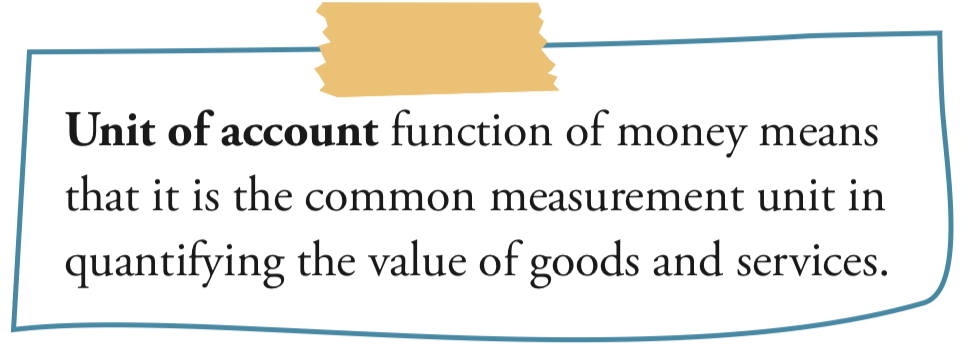
Soru 81
What is the object which has no value as a good but has a value in purchasing goods and services?
Seçenekler
A
Store of value
B
Okun's Law
C
Fiat money
D
Gresham’s Law
E
Inflation
Açıklama:
If your answer is wrong, please refer to topic “Evolution of Money”.
Soru 82
What are kind of assets having a high liquidity but not used in payments directly called?
Seçenekler
A
Fiat money
B
Near money
C
Far money
D
Commodity money
E
Liquid money
Açıklama:
If your answer is wrong, please refer to topic “Near (quasi) Monies”.
When considering the liquidity property, it is not easy to distinguish monetary things and non-monetary things. This kind of assets having a high liquidity but not used in payments directly are called as near (or quasi) monies.
When considering the liquidity property, it is not easy to distinguish monetary things and non-monetary things. This kind of assets having a high liquidity but not used in payments directly are called as near (or quasi) monies.
Soru 83
What is the monetary aggregate which consists of currency in circulation plus total demand deposits in banking system?
Seçenekler
A
M0
B
M1
C
M2
D
M2Y
E
M3
Açıklama:
If your answer is wrong, please refer to topic “Official Money Stock Definitions”.
Soru 84
What is the difference between M1 and M2?
Seçenekler
A
Time Deposits
B
Repo + Demand Deposits
C
Demand Deposits - Time Deposits
D
Money Market Funds
E
Currency in Circulation + Foreign Deposits
Açıklama:
If your answer is wrong, please refer to topic “Official Money Stock Definitions”.
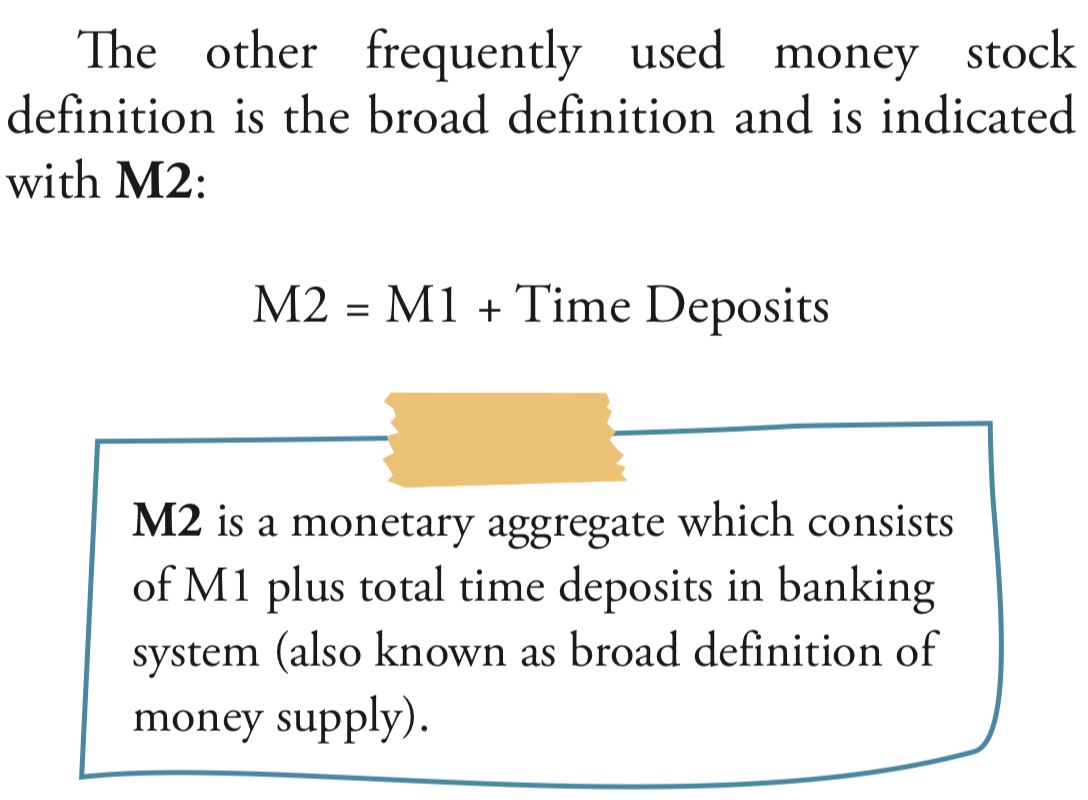
Soru 85
What is the speed and easiness of an asset to convert currency or demand deposit or any other payment tool?
Seçenekler
A
Commodity
B
Commodity Money
C
Barter
D
Deposit money
E
Liquidy
Açıklama:
If your answer is wrong, please refer to topic “Near (quasi) Monies”.
Soru 86
What is the money in the form of demand deposit that is created by banks as a result of accepting deposits and loaning of funds?
Seçenekler
A
Commodity money
B
Deposit money
C
Near money
D
Fiat money
E
Base money
Açıklama:
If your answer is wrong, please refer to topic “Banks’ Money Creation".
Soru 87
What is the phenomenon indicating that changes in quantity of money do not have any effect in production amount (or real variables of the economy) but affect only in prices called?
Seçenekler
A
Transaction demand for money
B
Neutrality of money
C
Functions of money
D
Velocity of money
E
Speculative demand for money
Açıklama:
If your answer is wrong, please refer to topic “Quantity Theory of Money”.
Soru 88
What is the ratio that is determined by central bank and indicates the quantity of reserves that banking system holds against their liabilities called?
Seçenekler
A
Required reserve ratio
B
Discount rate
C
Transaction demand for money
D
Open market operations
E
General tools of monetary policy
Açıklama:
If your answer is wrong, please refer to topic “Conducting Monetary Policy and Monetary Policy Tools".
Soru 89
Money, as a store of value, ensures to keep .............. on hand.
Which one of the followings should be placed to the blank above?
Which one of the followings should be placed to the blank above?
Seçenekler
A
real inflation
B
purchasing power
C
real interest rate
D
monetary value
E
nominal interest rate
Açıklama:
Serving as a Store of Value: The third function of money is to be a store of value. Money, as a store of value, ensures to keep purchasing power on hand. For example, you hold an amount of purchasing power equal to the amount of money in your pocket right now. If you have 20 TL in your pocket, you can imagine your purchasing power by thinking about the goods and services you may purchase with this amount of money and understand this function of money easily.
Soru 90
What is the quantity of money that economic agents want to hold because of price uncertainty of financial assets other than money?
Seçenekler
A
Precautionary demand for money
B
Commodity money
C
Speculative demand for money
D
Money market funds
E
Transaction demand for money
Açıklama:
If your answer is wrong, please refer to topic “Money Demand”.
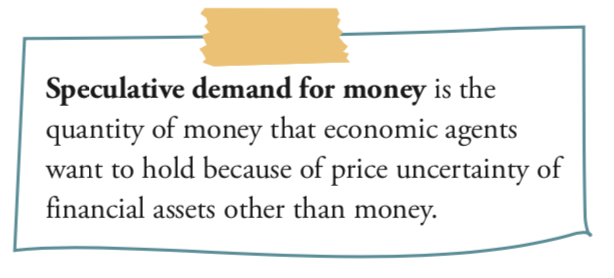
Soru 91
What is the term used for "bad money drives out good money"?
Seçenekler
A
Money rules
B
Rule of thumbs
C
Keynesian theory
D
Gresham’s law
E
Say's law
Açıklama:
In an economy with commodity money, for instance, if both gold and silver coins are in use (in circulation) at the same time, an interesting situation emerges. Since gold as a commodity has a greater value than silver, nobody wants to spend coins in his/her pouch and everyone tries to spend silver coins first. If everybody behaves like that, the money passing from hand to hand will be silver coins and gold coins will stay in people’s pouch. If we call silver coins as bad money and gold coins as good money, we can easily say that bad money drives out good money in the market. This phenomenon is known as Gresham’s Law.
Soru 92
Which one of the followings is the true form of M3 definition?
Seçenekler
A
M2 + Time Deposits+ Repo + Money Market Funds
B
M1 + Repo + Money Market Funds + Debt Securities Issued
C
M2 + Time Deposits+ Repo + Money Market Funds + Debt Securities Issued
D
M1 + Time Deposits+ Repo + Money Market Funds + Debt Securities Issued
E
Time Deposits+ Repo + Money Market Funds + Debt Securities Issued
Açıklama:
M3 = M2 + Repo + Money Market Funds + Debt Securities Issued
In this definition, repo (repurchasing agreements) accounts include funds used as a very short term financial tool, money market funds include B type liquid investment funds and debt securities issued include bonds and bills issued domestically in TL by banks with maturity up to 2 years.
In this definition, repo (repurchasing agreements) accounts include funds used as a very short term financial tool, money market funds include B type liquid investment funds and debt securities issued include bonds and bills issued domestically in TL by banks with maturity up to 2 years.
Soru 93
Banks create money by collecting deposits from people and using them to make loans and investments. This money created in form of demand deposits as a result of banks’ credit transactions is called as ...............
Which of the followings should be placed into the blank above?
Which of the followings should be placed into the blank above?
Seçenekler
A
deposit money
B
real money
C
fiat money
D
reserve money
E
transaction money
Açıklama:
Bank’s basic business principles and especially the reserves they hold as we try to outline above demonstrate another important function of banks they undertake in the economy: Money creation. In fact banks create money by collecting deposits from people and using them to make loans and investments. This money created in form of demand deposits as a result of banks’ credit transactions is called as deposit money. To understand and follow the topic easily, we will try to review with rounded and exemplary figures. To comprehend this function of banks, consider the following scenario.
Soru 94
When required reserve ratio is 20 percent, calculate the simple deposit money multiplier.
Seçenekler
A
2
B
5
C
4.5
D
4
E
20
Açıklama:
If we denote the amount of deposit money which banking system can create, that is, change in in demand deposits, as ΔD, change in reserves of banking system as ΔR and required reserve ratio as r, we can calculate the deposit money amount that can be created with the formula:
ΔD = (1/r)ΔR The term in parenthesis in this equation above is called as simple deposit money multiplier
ΔD = (1/r)ΔR The term in parenthesis in this equation above is called as simple deposit money multiplier
Soru 95
When required reserve ratio is 5 percent with an increase of 5000 TL in reserve then calculate the deposit money amount which banking system can create.
Seçenekler
A
20 000 TL
B
1000 TL
C
5000 TL
D
10 000 TL
E
100 000 TL
Açıklama:
If we denote the amount of deposit money which banking system can create, that is, change in in demand deposits, as ΔD, change in reserves of banking system as ΔR and required reserve ratio as r, we can calculate the deposit money amount that can be created with the formula:
ΔD = (1/r)ΔR ΔD = (1/0.05)5000 ΔD = 100 000 TL
ΔD = (1/r)ΔR ΔD = (1/0.05)5000 ΔD = 100 000 TL
Soru 96
What is the term used for : "the quantity of money that economic agents want to hold with the intent of spending for goods and services"?
Seçenekler
A
Speculative demand for money
B
Money supply
C
Transaction demand for money
D
Interest rate of money
E
Precautionary demand for money
Açıklama:
Transaction demand for money is the quantity of money that economic agents want to hold with the intent of spending for goods and services.
Soru 97
1. interest rate
2. government expenditures
3. money supply
4. national income
According to the Keynesian approach, which of the items mentioned above are included in money demand function?
2. government expenditures
3. money supply
4. national income
According to the Keynesian approach, which of the items mentioned above are included in money demand function?
Seçenekler
A
1, 2 and 3
B
1 and 3
C
2 and 3
D
1 and 4
E
1, 3 and 4
Açıklama:
Money Demand Function
As we saw the reasons why economic units want to hold money, it is much easier to review the factors causing changes on this amount. As we just mentioned, economic units desire to hold money for three purposes: For transactions, as a precaution and speculatively. According to our explanations above, there are two factors determining the amount of money demanded: Nominal income and interest rate. The Keynesian approach reviewing the relationship between quantity of money and economic activities via indirect channel, accepts money demand (Md) as a function of interest rate (i) in an environment having a constant nominal income rate.
As we saw the reasons why economic units want to hold money, it is much easier to review the factors causing changes on this amount. As we just mentioned, economic units desire to hold money for three purposes: For transactions, as a precaution and speculatively. According to our explanations above, there are two factors determining the amount of money demanded: Nominal income and interest rate. The Keynesian approach reviewing the relationship between quantity of money and economic activities via indirect channel, accepts money demand (Md) as a function of interest rate (i) in an environment having a constant nominal income rate.
Soru 98
According to classical economists money has ........... on output and ............. the prices.
To make the above statement correct, choose the required terms to replace blank parts above.
To make the above statement correct, choose the required terms to replace blank parts above.
Seçenekler
A
no impact; only affects
B
real effect; nominally affects
C
small effect; large impact on
D
no effect; no effect on
E
a real importance; no effect on
Açıklama:
According to classical economists effect of money on the economy occurs only by effecting price. Because of this feature, classical economists resemble the money as a veil covering the economic activities. In other words, according to classical economists money is neutral; that is, it has no impact on output and only affects the prices.
Soru 99
1. required reserve ratios
2. money demand
3. open market operations
Which of the tools mentioned above are the tools used by Central Banks to set a monetary policy?
2. money demand
3. open market operations
Which of the tools mentioned above are the tools used by Central Banks to set a monetary policy?
Seçenekler
A
1 and 2
B
1 and 3
C
2 and 3
D
only 1
E
only 2
Açıklama:
General tools of monetary policy are tools that central banks use to direct reserves of banking system in a country consisting of required reserve ratios, discount rates and open market operations.
Soru 100
Which of the following states that the bad money drives out the good money in the market?
Seçenekler
A
Engel's Law
B
Say's Law
C
Okun's Law
D
Gresham’s Law
E
Wagner's Law
Açıklama:
Gresham’s Law states that the bad money drives out the good money in the market.
Soru 101
Which of the following refers to the definition of 'narrowly defined money (M1)'?
Seçenekler
A
M1 = Currency in Circulation + Time Deposits
B
M1 = Currency in Circulation + Demand Deposits
C
M1 = Currency in Circulation + Demand Deposits + Time Deposits
D
M1 = Currency in Circulation + Demand Deposits - Time Deposits
E
M1 = Currency in Circulation + Demand Deposits + Money Market Funds
Açıklama:
M1 = Currency in Circulation + Demand Deposits - Time Deposits
Soru 102
Which of the following is not one of the components in the definition of narrowly defined money supply (M1)?
Seçenekler
A
Turkish lira deposits in commercial banks
B
Foreign currency deposits in commercial banks
C
Foreign currency deposits in participation banks
D
Foreign currency deposits in investment and development banks
E
Debt securities issued
Açıklama:
M1 = Currency in Circulation + Demand Deposits
The demand deposits in this definition include TL and foreign currency deposits in commercial banks, participation banks, investment and development banks operating in Turkey.
The demand deposits in this definition include TL and foreign currency deposits in commercial banks, participation banks, investment and development banks operating in Turkey.
Soru 103
Which of the following refers to the definition that central banks force commercial banks to hold a certain rate of their deposits as reserves?
Seçenekler
A
Required reserve ratio
B
Fractional reserve banking
C
Fractional deposit money
D
Regular reserves
E
Regular liabilities
Açıklama:
Central banks force commercial banks to hold a certain rate of their deposits as reserves. This mandatory reserve rate is called as required reserve ratio and can vary according to type of deposits and each country may have different regulations.
Soru 104
Which of the following functions of money means that it ensures to keep purchasing power on hand?
Seçenekler
A
Medium of exchange
B
Unit of account
C
Store of value
D
Barter
E
Method of payment
Açıklama:
Store of value function of money means that it ensures to keep purchasing power on hand.
Money, as a store of value, ensures to keep purchasing power on hand.
Money, as a store of value, ensures to keep purchasing power on hand.
Soru 105
.................. function of money means that it is the common measurement method in quantifying the value of goods and services.
Seçenekler
A
Unit of account
B
Store of value
C
Medium of exchange
D
Value of exchange
E
Unit of exchange
Açıklama:
Money, as a unit of account, is a common measurement unit in quantifying the value of goods and services.
Unit of account function of money means that it is the common measurement unit in quantifying the value of goods and services.
Unit of account function of money means that it is the common measurement unit in quantifying the value of goods and services.
Soru 106
Assume that the required reserve ratio is 15 percent, which of the following equals to the deposit money multiplier in this case?
Seçenekler
A
6,67
B
10
C
15
D
20
E
25
Açıklama:
Deposit money multiplier is equal to the reciprocal of required reserve ratio. In our example, as required reserve ratio is 15 percent, then the reciprocal of it will be:
1/(0.15)=6.67
1/(0.15)=6.67
Soru 107
Which of the following is an example for commodity money?
Seçenekler
A
Coins
B
Banknotes
C
Deposit accounts
D
Gold
E
Credit cards
Açıklama:
Commodity money is the object which has value when used as goods and which can also be used as a medium of exchange. The best example of commodity money is gold.
Soru 108
Assume that the simple deposit money multiplier is 10 and change in reserves of banking system is 5000. Which of the following is equal to the calculated change in demand deposits?
Seçenekler
A
50
B
500
C
10
D
100
E
10000
Açıklama:
If we denote the amount of deposit money which banking system can create, that is, change in in demand deposits, as ΔD, change in reserves of banking system as ΔR
and required reserve ratio as r, we can calculate the deposit money amount that can be created with the formula:
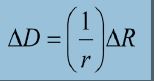 Then, change in demand deposits = 1/10*(5000)= 500
and required reserve ratio as r, we can calculate the deposit money amount that can be created with the formula:
Then, change in demand deposits = 1/10*(5000)= 500Soru 109
Which of the following is not included in the M3 money supply definition?
Seçenekler
A
Time deposit
B
Demand deposit
C
Repo
D
Capital market funds
E
Debt security equities
Açıklama:
M3 is a monetary aggregate which consists of M2 plus repo accounts, money market funds and debt securities issued.
Money market funds are included in the M3.
Money market funds are included in the M3.
Soru 110
Which of the following refres to the definition of quantity of money that economic agents want to hold with the intent of defraying unforesen expenses?
Seçenekler
A
Precautionary demand for money
B
Speculative demand for money
C
Simple demand for money
D
Transaction demand for money
E
Demand for money with the purpose of investment
Açıklama:
Precautionary demand for money is the quantity of money that economic agents
want to hold with the intent of defraying unforeseen expenses.
want to hold with the intent of defraying unforeseen expenses.
Soru 111
Asume that there is an excess demand for money in an environment where money supply does not change, which of the following may not happen in this case?
Seçenekler
A
Increase in supply of financial assets
B
Decrease in prices of financial assets
C
Increase in prices of financial assets
D
Increase in interest rates of financial assets
E
Increase in need of cash
Açıklama:
As long as money supply does not change, excess money demand will cause a pressure on interest rate to rise. In an environment where money supply does not change, economic units will try to have the additional amount of money they need by converting some of their financial assets to cash. One of these assets is bills they hold. When economic units start
selling bills, the price of these asset decreases and therefore their interest rate increases.
selling bills, the price of these asset decreases and therefore their interest rate increases.
Soru 112
In case the required reserve ratio is 12.5%, the money multiplier is equal to which of the following?
Seçenekler
A
4
B
6
C
8
D
10
E
12.5
Açıklama:
In the consecutive deposit creation process started by an increase in reserves of the banking system, the demand deposit amount that banking system can create is calculated with simple deposit money multiplier.
100/12.5=8
100/12.5=8
Soru 113
If there are signs of inflationary threats in the economy, which of the following action would be taken by monetary authorities?
Seçenekler
A
Expansionary monetary policy
B
Contractionary monetary policy
C
Tightening money demand
D
Loosening money supply
E
Loosening money demand
Açıklama:
If economy recovers more than required and there are signs of inflationary threats,
monetary authorities would decide to slowdown the money supply and to increase interest rates. This kind of monetary policy is named as tight or contractionary monetary policy.
monetary authorities would decide to slowdown the money supply and to increase interest rates. This kind of monetary policy is named as tight or contractionary monetary policy.
Soru 114
I. a medium of exchange
II. a unit of account,
III. a store of value,
IV. a yardstick of inflation
Which of the following correctly shows the basic functions of Money in an economic structure?
II. a unit of account,
III. a store of value,
IV. a yardstick of inflation
Which of the following correctly shows the basic functions of Money in an economic structure?
Seçenekler
A
I, II, and III
B
Only I, and II,
C
I, II, III, and IV
D
Only II, and III
E
I, II, and IV
Açıklama:
Functions of Money
Money has three basic functions in an economic structure: It serves as a medium of exchange, a unit of account and a store of value.
Money has three basic functions in an economic structure: It serves as a medium of exchange, a unit of account and a store of value.
Soru 115
Which of the following is a correct statement about the meaning of “the store of value function” of Money?
Seçenekler
A
it eases and accelerates exchange of goods and services,
B
it is the common measurement unit in quantifying the value of goods and services,
C
it ensures to keep purchasing power on hand,
D
it ensures to keep purchasing power on hand doesn’t matter what happens to prices,
E
it ensures to keep purchasing power on hand even if the prices double.
Açıklama:
Serving as a Store of Value
The third function of money is to be a store of value. Money, as a store of value, ensures to keep purchasing power on hand. For example, you hold an amount of purchasing power equal to the amount of money in your pocket right now. If you have 20 TL in your pocket, you can imagine your purchasing power by thinking about the goods and services you may purchase with this amount of money and understand this function of money easily. This function of money is closely related with the prices of goods and services in the country. For instance, if all prices double right now, the amount of goods and services you can purchase with the money in your pocket cut in half. In other words, your purchasing power with the money in your pocket halves. Contrary, if all prices of goods and services are lowered, then you can purchase more goods and services with the money in your pocket, meaning that your purchasing power increases. Store of value function of money means that it ensures to keep purchasing power on hand.
The third function of money is to be a store of value. Money, as a store of value, ensures to keep purchasing power on hand. For example, you hold an amount of purchasing power equal to the amount of money in your pocket right now. If you have 20 TL in your pocket, you can imagine your purchasing power by thinking about the goods and services you may purchase with this amount of money and understand this function of money easily. This function of money is closely related with the prices of goods and services in the country. For instance, if all prices double right now, the amount of goods and services you can purchase with the money in your pocket cut in half. In other words, your purchasing power with the money in your pocket halves. Contrary, if all prices of goods and services are lowered, then you can purchase more goods and services with the money in your pocket, meaning that your purchasing power increases. Store of value function of money means that it ensures to keep purchasing power on hand.
Soru 116
If gold is used as means of payment to purchase goods and services in an economy, what kind of money is used in this economy?
Seçenekler
A
Fiat money,
B
Commodity money,
C
Time deposit,
D
Demand deposit,
E
Coins,
Açıklama:
EVOLUTION OF MONEY
Within the framework of basic functions of it, money took various shapes in time. It is known that many different objects have been used as medium of exchange in various cultures. For example, American natives used whale teeth; tobacco and cow were used in colonial USA, cigarettes were used in German prisoner of war camps during World War II, and gold was used in many countries as mean of payment. It is possible to find more examples of objects used as money in history. In fact, evolution of money from whale teeth to current banknotes can be reviewed basically in two categories: Commodity money and fiat money. Commodity money is the object which has a value when used as goods and which can also be used as medium of exchange. The best example of commodity money is gold. Gold has been used as means of payment to purchase goods and services for centuries; gold also has a value in other usage areas as a good. For instance, gold is being used as jewelry or ornaments for centuries, as well as a means of payment.
In an economy with commodity money, for instance, if both gold and silver coins are in use (in circulation) at the same time, an interesting situation emerges. Since gold as a commodity has a greater value than silver, nobody wants to spend coins in his/her pouch and everyone tries to spend silver coins first. If everybody behaves like that, the money passing from hand to hand will be silver coins and gold coins will stay in people’s pouch. If we call silver coins as bad money and gold coins as good money, we can easily say that bad money drives out good money in the market. This phenomenon is known as Gresham’s Law (Sir Thomas Gresham was sixteenth century financial agent in Britain Kingdom).
The objects having no value as goods but referring to a value in purchasing goods and services are called as fiat money. The paper pieces we use as medium of exchange today has no value as goods. But these papers in your pocket refer to an amount of value equal to the numbers printed on it in purchasing goods and services. The main question to be answered here: “When there are objects having values as a good, why do we accept worthless paper pieces as money?” If the answer is “Because paper money has a value in terms of gold or silver”, let us say that you are wrong. For instance, you cannot exchange paper Turkish Liras with gold. This paper pieces are accepted as money because the government declared them as legal payment tools and you (and other members of community) accepted this declaration. Today, fiat money forms the basis of monetary system in many countries. Fiat money can be in different forms in each country. In section below, we will review kinds of fiat money in economies today.
Within the framework of basic functions of it, money took various shapes in time. It is known that many different objects have been used as medium of exchange in various cultures. For example, American natives used whale teeth; tobacco and cow were used in colonial USA, cigarettes were used in German prisoner of war camps during World War II, and gold was used in many countries as mean of payment. It is possible to find more examples of objects used as money in history. In fact, evolution of money from whale teeth to current banknotes can be reviewed basically in two categories: Commodity money and fiat money. Commodity money is the object which has a value when used as goods and which can also be used as medium of exchange. The best example of commodity money is gold. Gold has been used as means of payment to purchase goods and services for centuries; gold also has a value in other usage areas as a good. For instance, gold is being used as jewelry or ornaments for centuries, as well as a means of payment.
In an economy with commodity money, for instance, if both gold and silver coins are in use (in circulation) at the same time, an interesting situation emerges. Since gold as a commodity has a greater value than silver, nobody wants to spend coins in his/her pouch and everyone tries to spend silver coins first. If everybody behaves like that, the money passing from hand to hand will be silver coins and gold coins will stay in people’s pouch. If we call silver coins as bad money and gold coins as good money, we can easily say that bad money drives out good money in the market. This phenomenon is known as Gresham’s Law (Sir Thomas Gresham was sixteenth century financial agent in Britain Kingdom).
The objects having no value as goods but referring to a value in purchasing goods and services are called as fiat money. The paper pieces we use as medium of exchange today has no value as goods. But these papers in your pocket refer to an amount of value equal to the numbers printed on it in purchasing goods and services. The main question to be answered here: “When there are objects having values as a good, why do we accept worthless paper pieces as money?” If the answer is “Because paper money has a value in terms of gold or silver”, let us say that you are wrong. For instance, you cannot exchange paper Turkish Liras with gold. This paper pieces are accepted as money because the government declared them as legal payment tools and you (and other members of community) accepted this declaration. Today, fiat money forms the basis of monetary system in many countries. Fiat money can be in different forms in each country. In section below, we will review kinds of fiat money in economies today.
Soru 117
The phenomenon is known as the Gresham’s Law indicates what?
Seçenekler
A
Good money drives out bad money in the market,
B
fiat money drives out commodity money in the market,
C
Coins drives out demand deposit money in the market,
D
bad money drives out good money in the market,
E
Time deposits drive out demand deposits in the market.
Açıklama:
EVOLUTION OF MONEY
In an economy with commodity money, for instance, if both gold and silver coins are in use (in circulation) at the same time, an interesting situation emerges. Since gold as a commodity has a greater value than silver, nobody wants to spend coins in his/her pouch and everyone tries to spend silver coins first. If everybody behaves like that, the money passing from hand to hand will be silver coins and gold coins will stay in people’s pouch. If we call silver coins as bad money and gold coins as good money, we can easily say that bad money drives out good money in the market. This phenomenon is known as Gresham’s Law (Sir Thomas Gresham was sixteenth century financial agent in Britain Kingdom).
In an economy with commodity money, for instance, if both gold and silver coins are in use (in circulation) at the same time, an interesting situation emerges. Since gold as a commodity has a greater value than silver, nobody wants to spend coins in his/her pouch and everyone tries to spend silver coins first. If everybody behaves like that, the money passing from hand to hand will be silver coins and gold coins will stay in people’s pouch. If we call silver coins as bad money and gold coins as good money, we can easily say that bad money drives out good money in the market. This phenomenon is known as Gresham’s Law (Sir Thomas Gresham was sixteenth century financial agent in Britain Kingdom).
Soru 118
Today, what kind of money form is used as a basis of monetary system in most of the countries?
Seçenekler
A
Commodity money
B
Commodity money and fiat money
C
Fiat money
D
Anything that can be accepted
E
Checks and bonds
Açıklama:
EVOLUTION OF MONEY
The objects having no value as goods but referring to a value in purchasing goods and services are called as fiat money. The paper pieces we use as medium of exchange today has no value as goods. But these papers in your pocket refer to an amount of value equal to the numbers printed on it in purchasing goods and services. The main question to be answered here: “When there are objects having values as a good, why do we accept worthless paper pieces as money?” If the answer is “Because paper money has a value in terms of gold or silver”, let us say that you are wrong. For instance, you cannot exchange paper Turkish Liras with gold. This paper pieces are accepted as money because the government declared them as legal payment tools and you (and other members of community) accepted this declaration. Today, fiat money forms the basis of monetary system in many countries. Fiat money can be in different forms in each country. In section below, we will review kinds of fiat money in economies today.
The objects having no value as goods but referring to a value in purchasing goods and services are called as fiat money. The paper pieces we use as medium of exchange today has no value as goods. But these papers in your pocket refer to an amount of value equal to the numbers printed on it in purchasing goods and services. The main question to be answered here: “When there are objects having values as a good, why do we accept worthless paper pieces as money?” If the answer is “Because paper money has a value in terms of gold or silver”, let us say that you are wrong. For instance, you cannot exchange paper Turkish Liras with gold. This paper pieces are accepted as money because the government declared them as legal payment tools and you (and other members of community) accepted this declaration. Today, fiat money forms the basis of monetary system in many countries. Fiat money can be in different forms in each country. In section below, we will review kinds of fiat money in economies today.
Soru 119
How an asset which has a high liquidity but cannot be used directly in payments is called?
Seçenekler
A
Banknotes,
B
Coins and fiat money,
C
Bills and Bonds,
D
Liquid assets
E
Near (Quasi) Money
Açıklama:
Types of Money
Near (Quasi) Money: We included demand deposits into money concept by referring that they are accepted as money by economists in the explanations above. But we know that there are also time deposits in banks as well as demand deposits. This kind of deposits can be withdrawn from bank only after a certain time. Therefore, you can not use your time deposits to make any payment. If you have a time deposit in a bank, you cannot make a payment by writing a check like in demand deposits. Therefore, time deposits are excluded from the money types listed above. In practice, banks generally allow time deposits to be withdrawn before its due date (maturity) like demand deposits. Since banks allow time deposits to be withdrawn before its due date, the difference between time and demand deposits becomes narrower. Although it is not possible to write a check on time deposits, the possibility to convert them to cash or demand deposits anytime causes to think that they have same characteristics. Many financial assets in many countries can easily be exchanged with cash, even not as much as time deposits. For example, in countries experiencing high inflation, the foreign currencies (such as US Dollar or Euro) are generally used to protect purchasing power and easily be exchanged with domestic currency. In fact, most of the time foreign currencies can be used for payments instead of domestic currency. Similarly, treasury bills can easily be exchanged with cash, as well. The possibility and speed of conversion for these type of assets to currency or demand deposit is called as liquidity. Considering the full liquidity of money, many financial assets may have this property more or less, even not exactly. When considering the liquidity property, it is not easy to distinguish monetary things and non-monetary things. This kind of assets having a high liquidity but not used in payments directly are called as near (or quasi) monies.
Near (Quasi) Money: We included demand deposits into money concept by referring that they are accepted as money by economists in the explanations above. But we know that there are also time deposits in banks as well as demand deposits. This kind of deposits can be withdrawn from bank only after a certain time. Therefore, you can not use your time deposits to make any payment. If you have a time deposit in a bank, you cannot make a payment by writing a check like in demand deposits. Therefore, time deposits are excluded from the money types listed above. In practice, banks generally allow time deposits to be withdrawn before its due date (maturity) like demand deposits. Since banks allow time deposits to be withdrawn before its due date, the difference between time and demand deposits becomes narrower. Although it is not possible to write a check on time deposits, the possibility to convert them to cash or demand deposits anytime causes to think that they have same characteristics. Many financial assets in many countries can easily be exchanged with cash, even not as much as time deposits. For example, in countries experiencing high inflation, the foreign currencies (such as US Dollar or Euro) are generally used to protect purchasing power and easily be exchanged with domestic currency. In fact, most of the time foreign currencies can be used for payments instead of domestic currency. Similarly, treasury bills can easily be exchanged with cash, as well. The possibility and speed of conversion for these type of assets to currency or demand deposit is called as liquidity. Considering the full liquidity of money, many financial assets may have this property more or less, even not exactly. When considering the liquidity property, it is not easy to distinguish monetary things and non-monetary things. This kind of assets having a high liquidity but not used in payments directly are called as near (or quasi) monies.
Soru 120
M1 monetary aggregate (also known as narrow definition of money supply) consist of which of the following items in the definition of CBRT?
Seçenekler
A
consists of currency in circulation plus total demand deposits in banking system,
B
consists of coins and currency in circulation,
C
consists of currency in circulation plus total time deposits in banking system,
D
consists of time deposits plus total demand deposits in banking system,
E
consists of M2 plus repo accounts, money market funds and debt securities issued.
Açıklama:
Official Money Stock Definitions
For the reasons we try to outline above, in each country, central bank makes official money supply definitions. Some of these definitions are more or less standardized and have some common components and names. These definitions are generally called as money supply or money stock, but both refer to the same concept. In our country, CBRT makes various definitions for money stock. One of the most commonly used definitions is known as narrowly defined money stock and indicated with M1. CBRT’s definition of M1 is as follows:
M1 = Currency in Circulation + Demand Deposits
The demand deposits in this definition include TL and foreign currency deposits in commercial banks, participation banks, investment and development banks operating in Turkey.
For the reasons we try to outline above, in each country, central bank makes official money supply definitions. Some of these definitions are more or less standardized and have some common components and names. These definitions are generally called as money supply or money stock, but both refer to the same concept. In our country, CBRT makes various definitions for money stock. One of the most commonly used definitions is known as narrowly defined money stock and indicated with M1. CBRT’s definition of M1 is as follows:
M1 = Currency in Circulation + Demand Deposits
The demand deposits in this definition include TL and foreign currency deposits in commercial banks, participation banks, investment and development banks operating in Turkey.
Soru 121
M3 monetary aggregate consist of which of the following items in the definition of CBRT?
Seçenekler
A
consists of currency in circulation plus total demand deposits in banking system,
B
consists of coins and currency in circulation,
C
consists of currency in circulation plus total time deposits in banking system,
D
consists of time deposits plus total demand deposits in banking system,
E
consists of M2 plus repo accounts, money market funds and debt securities issued.
Açıklama:
Official Money Stock Definitions
Along with traditional definitions above, CBRT also makes a third money stock definition in which total liquid assets in the economy are measured and is called as M3:
M3 = M2 + Repo + Money Market Funds + Debt Securities Issued
In this definition, repo (repurchasing agreements) accounts include funds used as a very short-term financial tool, money market funds include B type liquid investment funds and debt securities issued include bonds and bills issued domestically in TL by banks with maturity up to 2 years.
Along with traditional definitions above, CBRT also makes a third money stock definition in which total liquid assets in the economy are measured and is called as M3:
M3 = M2 + Repo + Money Market Funds + Debt Securities Issued
In this definition, repo (repurchasing agreements) accounts include funds used as a very short-term financial tool, money market funds include B type liquid investment funds and debt securities issued include bonds and bills issued domestically in TL by banks with maturity up to 2 years.
Soru 122
How the banking practice in which banks hold less reserves than their total liabilities is called?
Seçenekler
A
100% reserve system
B
Fractional reserve banking
C
Reserve requirement system
D
Lender of last resort
E
Deposit and loan system
Açıklama:
BANKING SYSTEM AND BANKS’ MONEY CREATION
Fractional reserve banking is the banking practice in which banks hold less reserves than their total liabilities.
Fractional reserve banking is the banking practice in which banks hold less reserves than their total liabilities.
Soru 123
In a simple fractional reserve banking system, if the deposited money is 1000 Tl and the simple deposit money multiplier is 10, then the deposit money amount which banking system can create will be how much Tl?
Seçenekler
A
100
B
1000
C
10000
D
100000
E
1000000
Açıklama:
Banks’ Money Creation
There is another question we have to answer here: In that case, what is the total amount of deposit money that can be created until the end of this process? In the consecutive deposit creation process started by an increase in reserves of the banking system, the demand deposit amount that banking system can create is
calculated with simple deposit money multiplier. Within the framework of simplifying assumptions above, simple deposit money multiplier is equal to the reciprocal of required reserve ratio. In our example, as required reserve ratio is 10 percent, then the reciprocal of it will be
Thus, in our example, the deposit money amount which banking system can create with an increase of 1000 TL in reserve is 10 x 1000 TL = 10.000 TL. If we denote the amount of deposit money which banking system can create, that is, change in in demand deposits, as ΔD, change in reserves of banking system as ΔR and required reserve ratio as r, we can calculate the deposit money amount that can be created with the formula:
The term in parenthesis in this equation above is called as simple deposit money multiplier.
There is another question we have to answer here: In that case, what is the total amount of deposit money that can be created until the end of this process? In the consecutive deposit creation process started by an increase in reserves of the banking system, the demand deposit amount that banking system can create is
calculated with simple deposit money multiplier. Within the framework of simplifying assumptions above, simple deposit money multiplier is equal to the reciprocal of required reserve ratio. In our example, as required reserve ratio is 10 percent, then the reciprocal of it will be
Thus, in our example, the deposit money amount which banking system can create with an increase of 1000 TL in reserve is 10 x 1000 TL = 10.000 TL. If we denote the amount of deposit money which banking system can create, that is, change in in demand deposits, as ΔD, change in reserves of banking system as ΔR and required reserve ratio as r, we can calculate the deposit money amount that can be created with the formula:
The term in parenthesis in this equation above is called as simple deposit money multiplier.
Soru 124
The money created in the form of demand deposits as a result of banks’ credit transactions is called as ..............
Seçenekler
A
credit
B
time deposit
C
demand deposit
D
deposit money
E
currency
Açıklama:
You can find details on this question in the "Banks' Money Creation".
The money created in the form of demand deposits as a result of banks’ credit transactions is called as deposit money.
The money created in the form of demand deposits as a result of banks’ credit transactions is called as deposit money.
Soru 125
In which of the following reserve rates does the banking system create more money?
Seçenekler
A
8%
B
8.5%
C
9%
D
10%
E
10.25%
Açıklama:
Simple deposit money multiplier is equal to the reciprocal of required reserve ratio
Less reserve ratio causes more money creation.
Less reserve ratio causes more money creation.
Soru 126
What money demand is an example of withdrawing money from a cash machine to shop?
Seçenekler
A
Cash demand for money
B
Transaction demand for money
C
Precautionary demand for money
D
Speculative demand for money
E
Money demand for return
Açıklama:
Transaction demand for money is the quantity of money that economic agents want to hold with the intent of spending for goods and services.
The amount of money that economic units want to hold to spend for goods and services is called as transaction demand for money
The amount of money that economic units want to hold to spend for goods and services is called as transaction demand for money
Soru 127
Which of the following explains the quantity of money and the economy?
Seçenekler
A
Ms increases => i increases
B
Ms increase => I decreases
C
i increases => AE increases
D
i decreases => Y decreases
E
Ms increases => Y increases
Açıklama:
Indirect channel between quantity of money and economy works via interest rate. Increase in money supply reduces equilibrium interest rate, reduction in interest rate increases investment expenditures. Increasing investment spending raises both aggregate expenditures and equilibrium level of income. We may summarize this interaction mechanism with symbols like below:
Ms ↑→ i↓→I↑→AE↑→Y↑
Ms ↑→ i↓→I↑→AE↑→Y↑
Soru 128
Which of the following is not one of the functions of the central bank?
Seçenekler
A
Ensuring stability in money markets
B
Maintaining stability in money markets
C
Serving as the banker for banks
D
Serving as the lender of last resort
E
Financing the transactions of the government
Açıklama:
You cand find detailed explanations in Central Bank's Functions.
Financing the transactions of the government is not one of the functions of the central bank.
Financing the transactions of the government is not one of the functions of the central bank.
Soru 129
Which of the following functions of money means that it is the common measurement unit in quantifying the value of goods and services?
Seçenekler
A
Representing a social change
B
Serving as store of value
C
Making possible financial innovations
D
Serving as a unit of account
E
Serving as a medium of exchange
Açıklama:
If your answer is wrong, please refer to topic “Functions of Money”
Unit of account function of money means that it is the common measurement unit in quantifying the value of goods and services.
Unit of account function of money means that it is the common measurement unit in quantifying the value of goods and services.
Soru 130
Which of the following functions of money means that it ensures to keep purchasing power on hand?
Seçenekler
A
Representing a social change
B
Serving as store of value
C
Making possible financial innovations
D
Serving as a unit of account
E
Serving as a medium of exchange
Açıklama:
If your answer is wrong, please refer to topic “Functions of Money”
Store of value function of money means that it ensures to keep purchasing power on hand.
Store of value function of money means that it ensures to keep purchasing power on hand.
Soru 131
Which of the following is the object which has both values as a good and a medium of exchange?
Seçenekler
A
Commodity money
B
Fiat money
C
Near money
D
Reserve money
E
Deposit money
Açıklama:
If your answer is wrong, please refer to topic “Evolution of Money”
Commodity money is the object which has both values as a good and a medium of exchange.
Commodity money is the object which has both values as a good and a medium of exchange.
Soru 132
Which of the following is the object which has no value as a good but has a value in purchasing goods and services?
Seçenekler
A
Commodity money
B
Fiat money
C
Near money
D
Reserve money
E
Deposit money
Açıklama:
If your answer is wrong, please refer to the topic “Evolution of Money”
Fiat money is the object which has no value as a good but has a value in purchasing goods and services.
Fiat money is the object which has no value as a good but has a value in purchasing goods and services.
Soru 133
Which of the following is an asset which has high liquidity but cannot be used directly in payments?
Seçenekler
A
Commodity money
B
Fiat money
C
Near money
D
Reserve money
E
Deposit money
Açıklama:
If your answer is wrong, please refer to topic “Near (Quasi) Money”
Near money is an asset that has high liquidity but cannot be used directly in payments.
Near money is an asset that has high liquidity but cannot be used directly in payments.
Soru 134
Which of the following is money in the form of a demand deposit that is created by banks as a result of accepting deposits and loaning of funds?
Seçenekler
A
Commodity money
B
Fiat money
C
Near money
D
Reserve money
E
Deposit money
Açıklama:
If your answer is wrong, please refer to the topic “Banks’ Money Creation”
Deposit money is money in the form of a demand deposit that is created by banks as a result of accepting deposits and loaning of funds.
Deposit money is money in the form of a demand deposit that is created by banks as a result of accepting deposits and loaning of funds.
Soru 135
If the following assets are ordered from the least liquid to the most, which of the following is true?
- Treasury Bond
- Cash
- Real Estate
Seçenekler
A
II - I - III
B
II - III - I
C
I - II - III
D
I - III - II
E
III - I - II
Açıklama:
If your answer is wrong, please refer to topic “Near (Quasi) Money”
III - I - II is true if the give assets are ordered from the least liquid to the most
III - I - II is true if the give assets are ordered from the least liquid to the most
Soru 136
The sale price of a bill is 100 TL when the market interest rate is 10%. What is the price of this bill when the market interest rate increases to 12%?
Seçenekler
A
125 TL
B
110 TL
C
100 TL
D
90 TL
E
80 TL
Açıklama:
If your answer is wrong, please refer to the topic “Money Market Equilibrium”
The price of this bill when the market interest rate increases to 12% is 80TL.
The price of this bill when the market interest rate increases to 12% is 80TL.
Soru 137
Suppose that a bond with an annual interest payment of 100 TL has been sold for a price of 1250 TL in the bond market. What is the interest rate of this bond?
Seçenekler
A
%5
B
%6
C
%7
D
%8
E
%9
Açıklama:
If your answer is wrong, please refer to the topic “Money Market Equilibrium”
When a bond with an annual interest payment of 100 TL has been sold for a price of 1250 TL, the interest rate of this bond is equal to 8%
When a bond with an annual interest payment of 100 TL has been sold for a price of 1250 TL, the interest rate of this bond is equal to 8%
Soru 138
If the monetary value of the production (P x Y) of an economy is 5.000 TL and the quantity of money to pay for final goods and services in this economy is 400 TL, what is the velocity of money?
Seçenekler
A
8
B
10
C
12.5
D
15
E
17.5
Açıklama:
If your answer is wrong, please refer to the topic “Equation of Exchange”
The velocity of money is 12.5 if the monetary value of the production (P x Y) of an economy is 5.000 TL and the quantity of money to pay for final goods and services in this economy is 400 TL.
The velocity of money is 12.5 if the monetary value of the production (P x Y) of an economy is 5.000 TL and the quantity of money to pay for final goods and services in this economy is 400 TL.
Ünite 6
Soru 1
Which of the following options gives the measurement of aggregate demand?
Seçenekler
A
Average cost
B
Marginal cost
C
Real GDP
D
Real inflation
E
Nominal interest rate
Açıklama:
Aggregate demand is the total amount of goods and services demanded at various price levels by all sectors in an economy (households, firms, government, and external world). The total amount of these goods and services is measured by real income or real GDP.
Soru 2
Which of the following options is used to obtain the aggregate demand curve?
Seçenekler
A
Marginal cost level- average cost level
B
Total cost-production level
C
Average cost level- production level
D
General price level- marginal cost level
E
General price level-production level
Açıklama:
Aggregate demand curve is the curve that shows the relationship between general price level and production level.
Soru 3
Which of the following is the reason for aggregate demand to shift?
Seçenekler
A
Changes in the international trade terms
B
Changes in the money supply
C
Changes in the marginal cost
D
Changes in the export
E
Changes in the total cost
Açıklama:
In obtaining the aggregate demand curve, we have assumed that the variables of the economic policy that the government use are fixed. Changes resulting from government expenditure (G), taxation (T) and money supply (MS) due to monetary and fiscal policy decisions cause the aggregate demand curve to shift.
Soru 4
Cassical economists argue that the short-run supply curve is completely vertical or rather steep. What could be the reason for that?
Seçenekler
A
Intense entry barriers to industries
B
Firms’ low product range
C
Government’s expanded monetary policy
D
The economy is always at full of employment
E
Highly concentrated markets
Açıklama:
There are different approaches among economists regarding the shape of the short-run aggregate supply curve, in other words, the slope of the short-run aggregate supply curve. Classical economists argue that the short-run supply curve is completely vertical or rather steep because the economy is always at full of employment as a result of dynamics of the market mechanism.
Soru 5
‘The cost changes that cause the displacement of the aggregate supply curve are called ……………’
Fill the blank with one of the following options?
Fill the blank with one of the following options?
Seçenekler
A
Supply shock
B
High investment cost
C
Supply equation
D
Supply shifts
E
Supply investments
Açıklama:
The cost changes that cause the displacement of the aggregate supply curve are called cost or supply shock.
Soru 6
Let’s assume;
- the prices are at a certain level and the central bank increases the money supply.
- the aggregate supply curve is constant
Seçenekler
A
decreases Y decreases
B
P increases Y decreases
C
P increases Y increases
D
P does not change Y increases
E
P increases Y does not change
Açıklama:
When the prices are at a certain level, the central bank increases the money supply, causing the interest rate to fall in the money market. The decline in interest rates increases planned investment expenditures and therefore aggregate expenditures. The increase in money supply is the increase in production at a certain price level. In this case, the AD curve will shift to the right. Assume that the aggregate supply curve is constant, the aggregate demand curve shifs to the right from AD1 to AD2. In this case, the equilibrium shifts from point D1 to point D2. Eventually, the general price level in the economy increases from P1 to P2, while the equilibrium income level increases from Y1 to Y2.
Soru 7
Which of the following causes the aggregate demand curve to shift rightward?
Seçenekler
A
War
B
Naturel disasters
C
Drought
D
Economic growth
E
Decrease in the capital stock
Açıklama:
Economic growth causes the aggregate supply curve to shift to the right.
Soru 8
Which of the following provides output stability automatically in an economy?
Seçenekler
A
Unflexible exchange rate system
B
Expanded monetary policy system
C
Free riding system
D
International trade system
E
Price stability
Açıklama:
According to the so-called divine coincidence in economics literature, output stability is provided automatically in an economy where price stability is provided.
Soru 9
Which of the following is creation of the expansionary policy when the economy is operating in a region where the aggregate supply curve is steeper?
Seçenekler
A
Great increase in production level
B
Small increase in production level
C
Small increase in price level
D
No changes in price level
E
No changes in production level
Açıklama:
if the economy is operating in a region where the aggregate supply curve is steeper, such as point B, an expansionary policy creates a small increase in production, while it causes a larger increase in the general price level.
Soru 10
Which of the following plays an important role in the emergence of demand-pull inflation as well as the consistent inflation?
Seçenekler
A
Restrictive monetary policy
B
Increase in raw materials
C
Lowering the investment expenditure
D
Decrease in the money demand
E
Increase in the money supply
Açıklama:
The increase in the money supply plays an important role in the emergence of demand-pull inflation as well as the consistent inflation.
Soru 11
What does aggregate demand curve show?
Seçenekler
A
The relationship between general price level and production level
B
The relationship between nominal interest rate and production level
C
The relationship between unemployment rate and production level
D
The relationship between unemployment rate and inflation
E
The relationship between price and production of a specific good or service
Açıklama:
Aggregate demand curve is the curve that shows the relationship between general price level and production level.
Soru 12
- Interest rate
- Income
- Price level
- Unemployment rate
- Nominal exchange rate
Seçenekler
A
I, II and III
B
I, II and IV
C
I, II and V
D
II, III and IV
E
III, IV and V
Açıklama:
The factors that determine the amount of money they want to keep are the interest rate (i), income (Y) and prices (P).
Soru 13
Which of the following factor leads to a aggregate demand curve shift?
Seçenekler
A
Change in input prices
B
Change in wage level
C
Change in money supply
D
Change in capital stock
E
Change in workforce
Açıklama:
Change in money supply causes to AD curve to shift, other options are related with AS curve.
Soru 14
What does aggregate supply curve show?
Seçenekler
A
Relation between the total amount of production and prices offered by all firms in an economy
B
Relation between the total amount of good demanded and prices
C
Relation between the total amount of production and nominal interest rate
D
Relation between the inflation rate and unemployment level
E
Relation between the wage level and total production
Açıklama:
Aggregate supply curve the curve showing the relation between the total amount of production and prices offered by all firms in an economy
Soru 15
Which of the following is not included in aggregate expenditures?
Seçenekler
A
Consumption
B
Investment
C
Debt stock
D
Exports
E
Imports
Açıklama:
Aggregate expenditures in the economy are the sum of consumption (C), investment (I), government expenditure (G) and net exports (NX).
Soru 16
Which of the following factor leads to aggregate supply curve to shift?
Seçenekler
A
Change in wage level
B
Change in money supply
C
Change in government expenditures
D
Change in taxation
E
Change in money demand
Açıklama:
Change in wage level shifts the aggregate supply curve. Other factors are related with aggregate demand curve
Soru 17
How the equilibrium price level in an economy is determined?
Seçenekler
A
at which the aggregate demand is equal to aggregate supply
B
at which the money demand is equal to aggregate money supply
C
at which the labor demand is equal to labor supply
D
at which the total export is equal to aggregate import
E
at which the current account is equal to financial account
Açıklama:
Equilibrium price level is the price level at which the aggregate demand is equal to aggregate supply.
Soru 18
Which of the following refers to the situation in which prices increase while production decreases?
Seçenekler
A
Unemployment
B
Deflation
C
Disinflation
D
Stagflation
E
Slumpflation
Açıklama:
Stagflation is the situation in which prices increase while production decreases.
Soru 19
Which of the following causes aggregate demand curve to shift rightward?
Seçenekler
A
Decrease in money supply
B
Decrease in government expenditures
C
Decrease in taxes
D
Decrease in wage level
E
Decrease in input prices
Açıklama:
Decrease in taxes causes to aggregate demand curve leftward
Soru 20
Which of the following causes aggregate supply curve to shift rightward?
Seçenekler
A
Rise in oil prices
B
Favorable weather conditions
C
Rise in wage level
D
Decrease in money supply
E
Decrease in government expenditures
Açıklama:
Favorable weather conditions causes to AS curve to shift rightward.
Soru 21
Which of the following is the true definition of "Aggregate demand"?
Seçenekler
A
It is the curve that shows the relationship between cost level and the amount of production
B
It is the amount of money that economic units want to keep in case of sudden economic crisis
C
It is the amount of production realized in the economy in one year
D
It is the total amount of goods and services demanded at various price levels in an economy.
E
It is the curve that shows the relationship between the general price level and consumption level.
Açıklama:
Aggregate demand is the total amount of goods and services demanded at various price levels by all sectors in an economy (households, firms, government, and external world). The total amount of these goods and services is measured by real income or real GDP. Aggregate demand is the total amount of goods and services demanded at various price levels in an economy.
Soru 22
"Aggregate supply ........................" Which of the following most appropriately completes the sentence above?
Seçenekler
A
is the amount of goods and services measured by real GDP in a regional economy
B
is the total amount of goods and services produced at various price levels in an economy
C
is the elasticity of the short-run aggregate supply curve in a local economy
D
is the distinction between short term and long term aggregate supply curves
E
the curve showing the relationship between the total amount of products supplied and prices
Açıklama:
Aggregate supply shows the total output of goods and services produced in the economy, at a certain price level in a given period. The total output is the number of goods and services measured by real GDP and produced by all sectors
in the economy.
in the economy.
Soru 23
"Equilibrium price level ..............." Which of the following most appropriately completes the sentence above?
Seçenekler
A
the relocation of the aggregate supply curve in the case of cost or supply
shock
shock
B
is the shape of the short-run aggregate supply curve in a developing economy
C
is the price level at which the aggregate demand is equal to aggregate supply
D
is the full employment level and the cyclical unemployment problem in a local economy
E
is the displacement of the aggregate supply curve in case of cost or supply
shock.
shock.
Açıklama:
Equilibrium price level is the price level at which the aggregate demand is equal to aggregate supply.
Soru 24
"Price stability........................." Which of the following most appropriately compeletes the sentence above?
Seçenekler
A
is the situation in which the general prices in the economy changes as predicted
B
is the situation in which the general price level in the economy changes very quickly
C
is the situation in which inflation is always lower than the average price increase.
D
is the situation in which the general price level in the economy either changes very slowly or does not change at all.
E
is the situation in which the general price level in the economy does not change at all.
Açıklama:
In terms of economic stability, two main objectives emerge in today’s economic policy. These are the stability in prices and the stability in production. Price stability is the situation in which the general price level in the economy either changes very slowly or does not change at all.
Soru 25
Which of the following is true about "Production stability"?
Seçenekler
A
It reduces the periodic fluctuations in GDP
B
It does not require any government expenditure
C
It does not provide output stability automatically
D
It is always about the short-term average economic growth
E
It has nothing to do with maintaining economic growth rate
Açıklama:
Production stability is to reduce the periodic fluctuations in GDP and maintaining an economic growth rate close to the long-term average.
Soru 26
Which of the following is true about "inflation"?
Seçenekler
A
Inflation represents a one-time increase in prices
B
Every factor that shifts the AS curve to the right causes inflation
C
Every factor that shifts the AD curve to the left causes inflation
D
It is the increase in the general level of prices in the short term
E
There is a continuous increase in the general price level for a long time
Açıklama:
Inflation is the increase in the general level of prices. According to this definition, every factor that shifts the AD curve to the right and the AS curve to the left causes inflation. However, we should clarify the difference between one-time price increase and continuous increases in prices. Inflation is the continuous increases in the general price level for a long time.
Soru 27
"Cost-push inflation.................." Which of the following most appropriately completes the sentence above?
Seçenekler
A
is the inflation that occurs as a result of the increase in input costs.
B
is the inflation that occurs as a result of input increase
C
is the inflation that occurs during an economic crisis
D
is the inflation that occurs only in under-developed countries
E
is the inflation that occurs only in developed countries
Açıklama:
Cost-push inflation is the inflation that occurs as a result of increase in input costs
Soru 28
"Stagflation.............." Which of the following most appropriately completes the sentence above?
Seçenekler
A
is the situation in which prices decrease while production does not change
B
is the situation in which prices increase while production is stable
C
is the situation in which prices decrease while production decreases.
D
is the situation in which prices are stable while production decreases.
E
is the situation in which prices increase while production decreases
Açıklama:
Stagflation is the situation in which prices increase while production decreases.
Soru 29
Which of the following is true about "demand-pull inflation"?
Seçenekler
A
Inflation, which caused an increase in aggregate demand, is called as demand-pull inflation.
B
Inflation, which is caused by the aggregate supply, is called as demand-pull inflation.
C
Inflation, which is caused by the increase in aggregate demand, is called demand-pull inflation.
D
Inflation, which caused a decrease in aggregate demand, is called demand-pull inflation.
E
Inflation, which is caused by stable aggregate demand, is called demand-pull inflation.
Açıklama:
Inflation, which is caused by the increase in aggregate demand, is called demand-pull inflation
Soru 30
Which of the following best explains the relationship between"Money Supply and Inflation"?
Seçenekler
A
Decreases in the money supply will have no effect on the general price level
B
Increases in the money supply will increase the general price level
C
Increases in the money demand will also decrease the general price level
D
Decreases in the money demand will increase the general price level
E
Decreases in the money supply will increase the general price level
Açıklama:
It is quite easy to see that increases in money supply will increase the general price level. An increase in the money supply (MS) shifts the AD curve to the right, resulting in an increase in the prices. This is demand-pull inflation.
Soru 31
What is aggragate demand?
Seçenekler
A
Aggregate demand is the total amount of goods and services demanded at various price levels
by all sectors in an economy.
by all sectors in an economy.
B
Aggregate demand is the curve showing the relationship between the total amount of production supplied and prices offered by all firms in an economy.
C
Aggregate demand is the total output of goods and services produced in the economy, at a certain price level in a given period.
D
Aggregate demand is the situation in which the general price level in the economy either changes very slowly or does not change at all.
E
Aggregate demand is the continuous increases in general price level for a long time.
Açıklama:
Aggregate demand is the total amount of goods and services demanded at various price levels
by all sectors in an economy (households, firms, government, and external world). The answer is A.
by all sectors in an economy (households, firms, government, and external world). The answer is A.
Soru 32
What can be said to be true about the aggregate demand curve?
Seçenekler
A
Aggregate demand curve is the curve that shows the relationship between general price level and production level.
B
Aggregate demand curve is the curve showing the relation between the total amount of production and prices offered by all firms in an economy.
C
An increase in government expenditure or a reduction in taxes will result in the aggregate demand curve shifting to the left.
D
A decrease in government expenditure or an increase in taxes will result in the aggregate demand curve shifting to the right.
E
The aggregate demand curve is drawn exactly like the individual demand curve would be drawn.
Açıklama:
The aggregate demand curve is the curve that shows the relationship between the general price level and production level. An increase in government expenditure or a reduction in taxes will result in the aggregate demand curve shifting to the right. A decrease in government expenditure or an increase in taxes will result in the aggregate demand curve shifting to the left. Contrary to individual demand curve, the aggregate demand curve is drawn by considering all the prices in the economy and, therefore, these two curves differentiate. The answer is A.
Soru 33
What can be said to be true about the aggregate supply curve?
Seçenekler
A
Aggregate supply curve is the curve that shows the relationship between general price level and production level.
B
Classical economists' short-run supply curve is completely horizontal because the economy is always at full of employment as a result of dynamics of the market mechanism.
C
Keynesian economists argue that the supply curve is vertical because the economy is underemployment GDP level.
D
A decrease in aggregate planned expenditures causes the aggregate supply curve to shift to the right.
E
Many economists argue that the shape of the short-run aggregate supply curve is a positively sloping curve.
Açıklama:
Aggregate supply curve is the curve showing the relation between the total amount of production and prices offered by all firms in an economy. Classical economists argue that the short-run supply curve is completely vertical or rather steep because the economy is always at full of employment as a result of dynamics of the market mechanism. Keynesian economists argue that the supply curve is horizontal because the economy is underemployment GDP level. Many economists argue that the shape of the short-run aggregate supply curve is a positively sloping curve. A decrease in aggregate planned expenditures does not cause the AS curve to shift. The answer is E.
Soru 34
What is the equilibrium condition for the economy?
Seçenekler
A
Y = I
B
Y = C
C
Y = C + I
D
Y = C + I + G
E
Y = C + I + G + NX
Açıklama:
The aggregate expenditures in the economy are the sum of consumption (C), investment (I), government expenditure (G) and net exports (NX). These expenditures planned by households, firms, government and foreigners are called aggregate expenditures (AE). The equilibrium condition for the economy was that aggregate planned expenditures are equal to output:
Y = AE
Y = C + I + G + NX
The answer is E.
Y = AE
Y = C + I + G + NX
The answer is E.
Soru 35
What can be said to be true about the shift in the aggregate supply curve?
Seçenekler
A
Low wage level causes the aggregate supply curve to shift to the left.
B
Technological progress causes the aggregate supply curve to shift to the right.
C
No renewal of worn-out capital goods causes the aggregate supply curve to shift to the right.
D
Increase in fees causes the aggregate supply curve to shift to the right.
E
Decrease in input prices causes the aggregate supply curve to shift to the left.
Açıklama:
Increase in Aggregate Supply (Shift to the right):
Decrease in Costs
- Decrease in input prices
- Low wage level
Economic Growth
- More capital
- More workforce
- Technological progress
Favorable Weather Conditions
Decrease in Aggregate Supply (Shift to the left):
Increase in Costs
- Increase in input prices
- Increase in fees
Investment Deficit
- No renewal of worn-out capital goods
Bad Weather Conditions, Natural
Disasters and War
The answer is B.
Decrease in Costs
- Decrease in input prices
- Low wage level
Economic Growth
- More capital
- More workforce
- Technological progress
Favorable Weather Conditions
Decrease in Aggregate Supply (Shift to the left):
Increase in Costs
- Increase in input prices
- Increase in fees
Investment Deficit
- No renewal of worn-out capital goods
Bad Weather Conditions, Natural
Disasters and War
The answer is B.
Soru 36
I. The equilibrium price level is the price level at which the aggregate demand is larger than the aggregate supply.
II. The equilibrium price level is the price level at which the aggregate demand is equal to the aggregate supply.
III. The equilibrium price level is the price level at which the aggregate demand is smaller than the aggregate supply.
What can be said to be true about the equilibrium price level?
II. The equilibrium price level is the price level at which the aggregate demand is equal to the aggregate supply.
III. The equilibrium price level is the price level at which the aggregate demand is smaller than the aggregate supply.
What can be said to be true about the equilibrium price level?
Seçenekler
A
Only I
B
Only II
C
I and II
D
I and III
E
II and III
Açıklama:
The equilibrium price level is the price level at which the aggregate demand is equal to the aggregate supply. The answer is B.
Soru 37
I. Price stability is the situation in which the general price level in the economy either changes very slowly or does not change at all.
II. Production stability is to reduce the periodic fluctuations in GDP and maintaining economic growth rate close to the long-term average.
III. To maintain economic stability economic policy should maintain stability in either stability in prices or stability in production.
Which of the given statement can be said to be true about economic stability?
II. Production stability is to reduce the periodic fluctuations in GDP and maintaining economic growth rate close to the long-term average.
III. To maintain economic stability economic policy should maintain stability in either stability in prices or stability in production.
Which of the given statement can be said to be true about economic stability?
Seçenekler
A
Only I
B
Only II
C
I and II
D
I and III
E
II and III
Açıklama:
In terms of economic stability, two main objectives, the stability in prices and the stability in production, emerge in today’s economic policy. Production stability is to reduce the periodic fluctuations in GDP and maintaining an economic growth rate close to the long-term average. Price stability is the situation in which the general price level in the economy either changes very slowly or does not change at all. The answer is C.
Soru 38
I. Demand-pull inflation is the inflation caused by aggregate demand increases.
II. Cost-push inflation is the inflation that occurs as a result of an increase in input costs.
III. Stagflation is the situation in which prices increase while production increases.
What can be said to be true about the types of inflation?
II. Cost-push inflation is the inflation that occurs as a result of an increase in input costs.
III. Stagflation is the situation in which prices increase while production increases.
What can be said to be true about the types of inflation?
Seçenekler
A
Only I
B
Only II
C
I and II
D
I and III
E
II and III
Açıklama:
Demand-pull inflation is the inflation caused by aggregate demand increases. Cost-push inflation is the inflation that occurs as a result of an increase in input costs. Stagflation is the situation in which prices increase while production decreases.
The answer is C.
The answer is C.
Soru 39
I. Inflation is a continuous increase in the general price level for a long time.
II. Inflation can be a one-time price increase or a continuous increase in prices.
III. It is generally accepted in economics that inflation is always a monetary phenomenon.
What can be said to be true inflation?
II. Inflation can be a one-time price increase or a continuous increase in prices.
III. It is generally accepted in economics that inflation is always a monetary phenomenon.
What can be said to be true inflation?
Seçenekler
A
Only I
B
Only II
C
I and II
D
I and III
E
II and III
Açıklama:
Inflation is a continuous increase in the general price level for a long time. It is generally accepted in economics that inflation is always a monetary phenomenon. The answer is D.
Soru 40
I. If the economy operates on the steepe region of the AS curve, the dominant effect of expansionary policies will be on prices.
II. If the economy operates on the horizontal region of the AS curve, the dominant effect of expansionary policies will be on prices.
III. If the economy operates on the horizontal region of the AS curve, the dominant effect of expansionary policies will be on production.
What can be said to be true about the effects of monetary and fiscal policy?
II. If the economy operates on the horizontal region of the AS curve, the dominant effect of expansionary policies will be on prices.
III. If the economy operates on the horizontal region of the AS curve, the dominant effect of expansionary policies will be on production.
What can be said to be true about the effects of monetary and fiscal policy?
Seçenekler
A
Only I
B
Only II
C
I and II
D
I and III
E
II and III
Açıklama:
The most important point to evaluate the effects of fiscal and monetary policies is the position of the economy on the aggregate supply curve. If economy operates on horizontal region of AS curve, the dominant effect of expansionary policies will be on production while the effect to increase the
prices is limited. If the majority of firms in the economy fully use their production capacity, the economy will be located on steeper part of AS curve. In this case, the dominant effect of expansionary fiscal and monetary policies will be on the prices while their effects on production are limited.
prices is limited. If the majority of firms in the economy fully use their production capacity, the economy will be located on steeper part of AS curve. In this case, the dominant effect of expansionary fiscal and monetary policies will be on the prices while their effects on production are limited.
Soru 41
Which of the given statements can be said to be true about the effects of economic policies on aggregate demand?
Seçenekler
A
Expansionary Monetary Policy AD shifts to the right
B
Expansionary Monetary Policy does not shift the AD curve
C
Expansionary Fiscal Policy AD shifts to the right
D
Contractionary Monetary Policy AD shifts to the right
E
Expansionary Monetary Policy AD shifts to the left
Açıklama:
Expansionary Monetary Policy MS ↑ => AD shifts to the right
Contractionary Monetary Policy MS ↓=> AD shifts to the left
Expansionary Fiscal Policy G ↑=> AD shifts to the right, T ↓=> AD shifts to the right
Contractionary Fiscal Policy G ↓=> AD shifts to the left, T ↑=> AD shifts to the left
The answer is A.
Contractionary Monetary Policy MS ↓=> AD shifts to the left
Expansionary Fiscal Policy G ↑=> AD shifts to the right, T ↓=> AD shifts to the right
Contractionary Fiscal Policy G ↓=> AD shifts to the left, T ↑=> AD shifts to the left
The answer is A.
Soru 42
Which of these cause an increase in aggregate supply?
Seçenekler
A
Natural Disasters
B
Favorable Weather Conditions
C
No renewal of worn-out capital goods
D
Investment Deficit
E
Increase in input prices
Açıklama:
Increase in Aggregate Supply
Decrease in Costs
- Decrease in input prices
- Low wage level
Economic Growth
- More capital
- More workforce
- Technological progress
Favorable Weather Conditions
The answer is B.
Decrease in Costs
- Decrease in input prices
- Low wage level
Economic Growth
- More capital
- More workforce
- Technological progress
Favorable Weather Conditions
The answer is B.
Soru 43
Which of these cause an decrease in aggregate supply?
Seçenekler
A
Economic Growth
B
Increase in fees
C
Low wage level
D
More capital
E
Technological progress
Açıklama:
Decrease in Aggregate Supply
Increase in Costs
- Increase in input prices
- Increase in fees
Investment Deficit
- No renewal of worn-out capital goods
Bad Weather Conditions, Natural Disasters and War
The answer is B.
Increase in Costs
- Increase in input prices
- Increase in fees
Investment Deficit
- No renewal of worn-out capital goods
Bad Weather Conditions, Natural Disasters and War
The answer is B.
Soru 44
I. The equilibrium price level is the price level at which the aggregate demand is equal to aggregate supply.
II. The equilibrium price level corresponds to the intersection of AD and AS curves.
III. Only the factors affecting the changes in aggregate demand cause the equilibrium price level to change.
What can be said to be true about the equilibrium price level?
II. The equilibrium price level corresponds to the intersection of AD and AS curves.
III. Only the factors affecting the changes in aggregate demand cause the equilibrium price level to change.
What can be said to be true about the equilibrium price level?
Seçenekler
A
Only I
B
Only II
C
I and II
D
I and III
E
II and III
Açıklama:
The equilibrium price level is the price level at which the aggregate demand is equal to aggregate supply. This also corresponds to the intersection of AD and AS curves. Factors affecting the changes in aggregate demand or aggregate supply cause the equilibrium price level and the equilibrium output level to change as well. The answer is C.
Soru 45
What is the reduction of the periodic fluctuations in GDP and maintenance of the economic growth rate close to the long-term average?
Seçenekler
A
Production stability
B
Price stability
C
Aggregate supply
D
Equilibrium price level
E
Inflation
Açıklama:
Production stability is to reduce the periodic fluctuations in GDP and maintaining the economic growth rate close to the long-term average. The answer is A.
Soru 46
What is cost-push inflation?
Seçenekler
A
The continuous increases in general price level for a long time.
B
The inflation caused by aggregate demand increases.
C
The situation in which prices increase while production decreases.
D
The price level at which the aggregate demand is equal to aggregate supply.
E
The inflation that occurs as a result of increase in input costs
Açıklama:
Cost-push inflation is the inflation that occurs as a result of increase in input costs. The answer is E.
Soru 47
I. Demand-pull inflation is the inflation caused by aggregate demand increases.
II. Demand-pull inflation is the inflation that occurs as a result of increase in input costs.
III. If the economy operates on the steeper part of AS curve when aggregate demand increases price increase precludes output increase.
What can be said to be true about demand-pull inflation?
II. Demand-pull inflation is the inflation that occurs as a result of increase in input costs.
III. If the economy operates on the steeper part of AS curve when aggregate demand increases price increase precludes output increase.
What can be said to be true about demand-pull inflation?
Seçenekler
A
Only I
B
Only II
C
Only III
D
I and III
E
II and III
Açıklama:
Demand-pull inflation is the inflation caused by aggregate demand increases. If the economy operates on the steeper part of AS curve when aggregate demand increases price increase precludes output increase. The answer is D.
Soru 48
I. The increases in the money supply will increase the general price level.
II. The increase in government expenditures will cause the aggregate demand curve
to shift to the right and the prices will decrease.
III. If the central bank follows an expansionary monetary policy by accommodating to expansionary fiscal policy, it will be the only reason that creates inflation.
What can be said to be true about money supply and inflation?
II. The increase in government expenditures will cause the aggregate demand curve
to shift to the right and the prices will decrease.
III. If the central bank follows an expansionary monetary policy by accommodating to expansionary fiscal policy, it will be the only reason that creates inflation.
What can be said to be true about money supply and inflation?
Seçenekler
A
Only I
B
Only II
C
I and II
D
I and III
E
II and III
Açıklama:
I. The increases in the money supply will increase the general price level. (True)
II. The increase in government expenditures will cause the aggregate demand curve
to shift to the right and the prices will decrease. (False, the increase in government expenditures will cause the aggregate demand curve to shift to the right and the prices will increase.)
III. If the central bank follows an expansionary monetary policy by accommodating to expansionary fiscal policy, it will be the only reason that creates inflation. (True)
The answer is C.
II. The increase in government expenditures will cause the aggregate demand curve
to shift to the right and the prices will decrease. (False, the increase in government expenditures will cause the aggregate demand curve to shift to the right and the prices will increase.)
III. If the central bank follows an expansionary monetary policy by accommodating to expansionary fiscal policy, it will be the only reason that creates inflation. (True)
The answer is C.
Soru 49
I. The concept of aggregate demand can be summarized by the aggregate demand curve, which shows the existence of an inverse relationship between the general level of prices and the amount of production.
II. The factor that causes the decrease of the production amount when the general level of prices increases in the economy is the interest rate.
III. The aggregate demand curve shifts to the left to indicate that aggregate demand increases when government expenditure increases, money supply increases, and taxes decrease.
What can be said to be true about aggregate demand?
II. The factor that causes the decrease of the production amount when the general level of prices increases in the economy is the interest rate.
III. The aggregate demand curve shifts to the left to indicate that aggregate demand increases when government expenditure increases, money supply increases, and taxes decrease.
What can be said to be true about aggregate demand?
Seçenekler
A
Only I
B
Only II
C
Only III
D
I and II
E
I and III
Açıklama:
The concept of aggregate demand, which is the sum of the demand for goods and services produced in an economy, can be summarized by the aggregate demand curve, which shows the existence of an inverse relationship between the general level of prices and the amount of production. The factor that causes the decrease of the production amount when the general level of prices increases in the economy is the interest rate. The interest rate influences the planned aggregate expenditures, thus causing the production level to be determined. For this reason, the real sector and the monetary sector are in equilibrium at every point on the aggregate demand curve. The aggregate demand curve shifts to the right to indicate that aggregate demand increases when government expenditure increases, money supply increases, and taxes decrease. The shift of the aggregate demand curve to the left is a matter of decreasing public spending and money supply, increasing taxes.
The answer is D.
The answer is D.
Soru 50
What is the aggregate supply curve called where it is steep at the full employment level, where the highest level of production is achieved in the economy?
Seçenekler
A
The Intermadiate Region
B
The Keynesian Region
C
The equilibrium price level
D
Price stability
E
The Classical Region
Açıklama:
The aggregate supply curve is steep at the full employment level, where the highest level
of production is achieved in the economy, this portion of the AS curve is called as Classical Region.
The answer is E.
of production is achieved in the economy, this portion of the AS curve is called as Classical Region.
The answer is E.
Soru 51
Which of the following refers to the total amount of goods and services demanded at various price levels in an economy?
Seçenekler
A
Aggregate demand
B
Firm demand
C
Import demand
D
Investment demand
E
Local demand
Açıklama:
Aggregate demand is the total amount of goods and services demanded at various price levels in an economy.
Soru 52
What shows the aggregate demand curve?
Seçenekler
A
The relationship between general price level and production level.
B
The relationship between price and quantity demanded of a single good
C
The relationship between price and quantity supplied of a single good
D
The relationship between interest rate and money demanded
E
The relationship between wage rate and labor demanded
Açıklama:
Aggregate demand curve is the curve that shows the relationship between general price level and production level.
Soru 53
What is determined in the money market?
Seçenekler
A
Interest rate
B
Price level
C
Exchange rate
D
Nominal wage
E
Inflation rate
Açıklama:
Interest rate is determined in money market
Soru 54
Which of the following causes a movement on aggregate demand curve?
Seçenekler
A
Increase in money demand
B
Increase in money supply
C
Increase in taxes
D
Increase in government expenditures
E
Increase in general price level
Açıklama:
Change in price level causes a movement on AD curve.
Soru 55
What is the effect of increase in money supply on real output and generel price level?
Seçenekler
A
Both real output and generel price level increase
B
Both real output and generel price level decrease
C
Real output increases and generel price level decreases
D
Real output decreases and generel price level increases
E
Both real output and generel price level do not change
Açıklama:
When money supply increases both real output and generel price level increase.
Soru 56
Which curve shows the relation between the total amount of production and prices offered by all firms in an economy?
Seçenekler
A
Aggregate demand
B
Aggregate supply
C
Investment demand
D
Investment supply
E
Money demand
Açıklama:
Aggregate supply curve the curve showing the relation between the total amount of production and prices offered by all firms in an economy.
Soru 57
What aggregate supply curve shows?
Seçenekler
A
The relation between the total amount of production and prices offered by all firms in an economy
B
The relation between the amount of production and price offered by a single firm.
C
The relationship between general price level and real output demanded
D
The relationship between interest rate and money supply
E
The relationship between interest rate and total saving in the economy
Açıklama:
Aggregate supply curve the curve showing the relation between the total amount of production and prices offered by all firms in an economy.
Soru 58
Which of the following causes a movement along the AS curve?
Seçenekler
A
Change in capital stock
B
Change in labor
C
Weather conditions
D
Change in technology
E
Change in general price level
Açıklama:
Change in general price level cause a movement on AS curve.
Soru 59
Which of the following causes AS curve to shift right?
Seçenekler
A
Increase in input prices
B
Increase in fees
C
No renewal of worn-out capital goods
D
Natural disaster
E
Low wage level
Açıklama:
Low wage level causes the AS curve to shift right.
Soru 60
Which of the following causes AS curve to shift left?
Seçenekler
A
No renewal of worn-out capital goods
B
Decrease in input prices
C
Low wage level
D
More capital
E
Technological progress
Açıklama:
No renewal of worn-out capital goods cause the AS curve to shift left.
Soru 61
What is the total amount of goods and services demanded at various price levels in an economy?
Seçenekler
A
Aggregate demand
B
Real income
C
Aggregate supply
D
Output
E
Disposable income
Açıklama:
If your answer is incorrect, review “Aggregate Demand”.
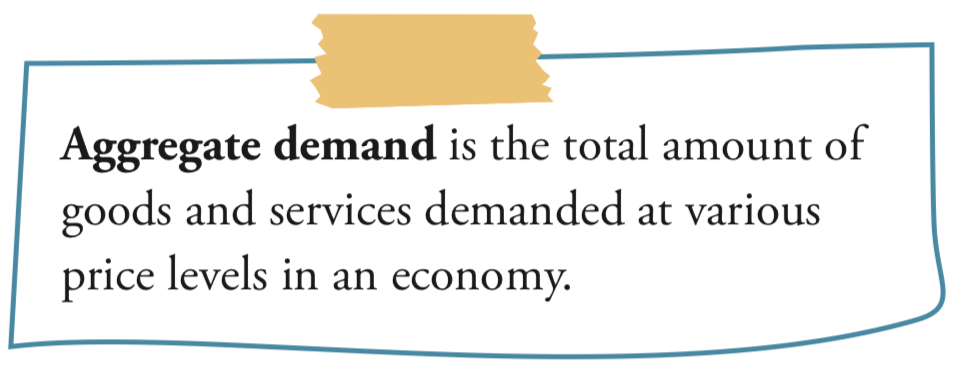
Soru 62
What is the name of the curve that shows the relationship between general price level and production level?
Seçenekler
A
Aggregate demand curve
B
Phillips curve
C
Beverage curve
D
Kuznet curve
E
Lorenz curve
Açıklama:
If your answer is incorrect, review “Aggregate Demand Curve”.
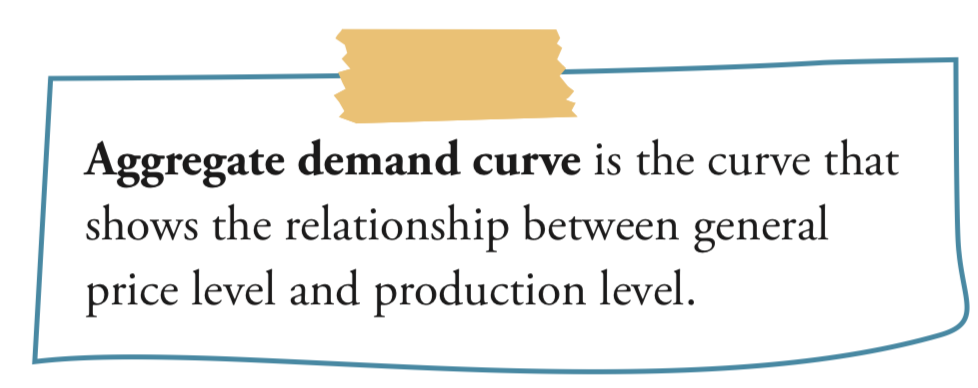
Soru 63
What is the total amount of goods and services produced at various price levels in an economy?
Seçenekler
A
Aggregate supply
B
Aggregate demand
C
Aggregate income
D
Aggregate investment
E
Aggregate disposable outcome
Açıklama:
If your answer is incorrect, review “Aggregate Supply”.
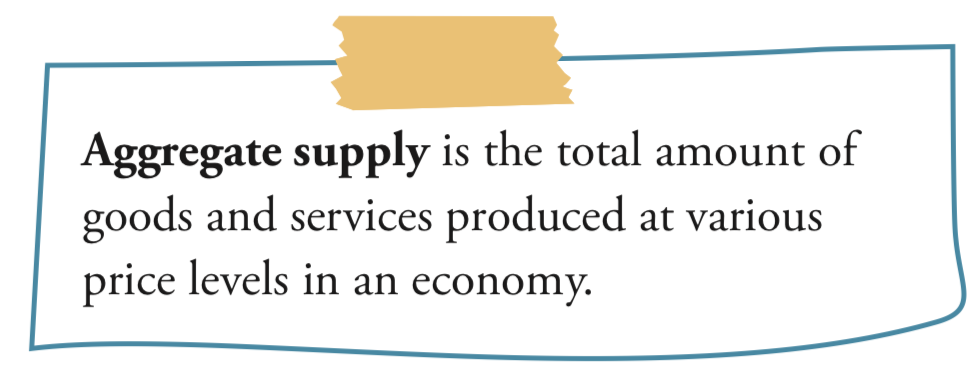
Soru 64
What is the name of the curve showing the relation between the total amount of production and prices offered by all firms in an economy?
Seçenekler
A
Aggregate supply curve
B
Lorenz curve
C
Aggregate demand curve
D
Gini curve
E
LM curve
Açıklama:
If your answer is incorrect, review “Aggregate Supply Curve”.
Soru 65
What is the situation in which the general price level in the economy either changes very slowly or does not change at all?
Seçenekler
A
Price stability
B
Inflation stability
C
Production stability
D
Unemployment stability
E
Interest rate stability
Açıklama:
If your answer is incorrect, review “AD-AS Analysis and Economic Stabilization Policies”.
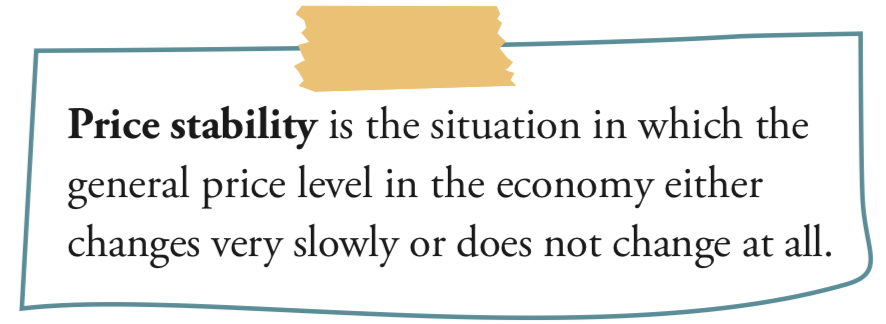
Soru 66
What is the reduction of the periodic fluctuations in GDP and maintaining economic growth rate close to the long-term average?
Seçenekler
A
Production stability
B
Inflation stability
C
Price stability
D
Interest rate stability
E
Exchange rate stability
Açıklama:
If your answer is incorrect, review “AD-AS Analysis and Economic Stabilization Policies”.
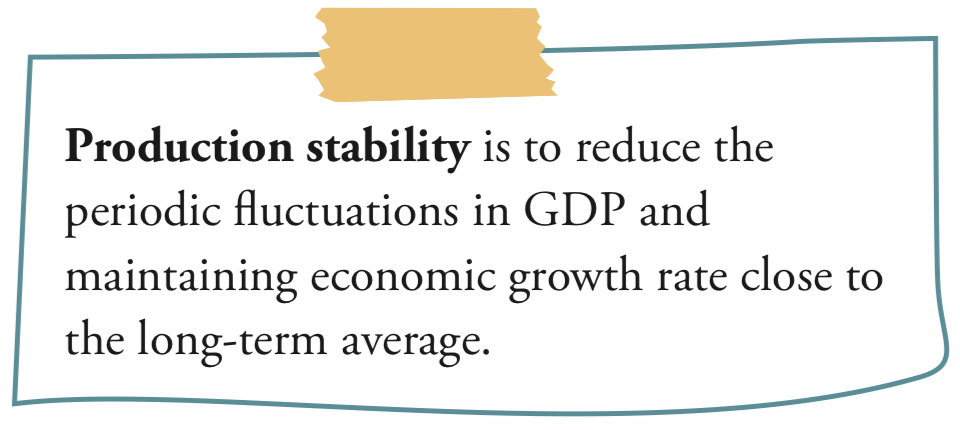
Soru 67
What is stagflation?
Seçenekler
A
It is the situation in which prices increase while production decreases.
B
It is the situation in which prices increase while production increases.
C
It is the situation in which prices decrease while production decreases.
D
It is the situation in which prices decrease while production increases.
E
It is the situation in which prices increase while interest rate decreases.
Açıklama:
If your answer is incorrect, review “Inflation and Its Causes”.
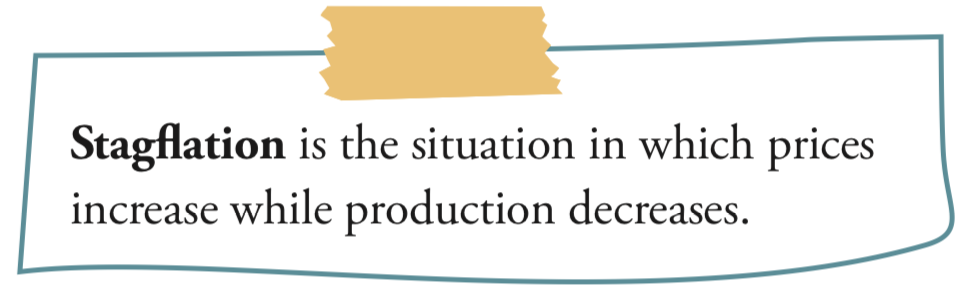
Soru 68
What is the type of inflation that occurs as a result of increase in input costs?
Seçenekler
A
Stagflation
B
Deerflation
C
Cost-push inflation
D
Stag-push inflation
E
Lorenz inflation
Açıklama:
If your answer is incorrect, review “Cost-Push Inflation”.
Soru 69
What is the inflation caused by aggregate demand increases?
Seçenekler
A
Stagflation
B
Demand-pull inflation
C
Hyperinflation
D
Cost-push inflation
E
Deflation
Açıklama:
If your answer is incorrect, review “Demand-Pull Inflation”.
Soru 70
What is the price level at which the aggregate demand is equal to aggregate supply called?
Seçenekler
A
Equality price level
B
Equilibrium price level
C
Equestrian price level
D
Equiponderant price level
E
Equability price level
Açıklama:
If your answer is incorrect, review “Equilibrium Price Level”.
Soru 71
The aggregate demand curve is the curve showing the relationship between the ................... and the ...................
Which of the following should be substituted into the blanks above?
Which of the following should be substituted into the blanks above?
Seçenekler
A
nominal interest rate; general price level
B
general price level; level of production
C
level of production; real interest rate
D
real interest rate; consumption level
E
money demand; general production level
Açıklama:
The aggregate demand curve is the curve showing the relationship between the general price level and the level of production. In order to obtain the aggregate demand curve, we should examine how the quantity of production responds to the price level changes.
Soru 72
I. Money demand
II. Government expenditures
III. Taxes
Which of the changes in item(s) mentioned above will cause a shift in AD curve?
II. Government expenditures
III. Taxes
Which of the changes in item(s) mentioned above will cause a shift in AD curve?
Seçenekler
A
I and III
B
I and II
C
II and III
D
Only I
E
Only II
Açıklama:
In obtaining the aggregate demand curve, we have assumed that the variables of the economic policy that the government use are fixed. Changes resulting from government expenditure (G), taxation (T) and money supply (MS) due to monetary and fiscal policy decisions cause the aggregate demand curve to shift.
Soru 73
When everything else is constant, what happens if the government decreases its expenditures to AD curve?
Seçenekler
A
Become a positive line
B
The slope of AD curve will change
C
AD curve shifts to the right
D
AD curve shifts to the left
E
AD curve will keep its position at the original case
Açıklama:
An increase in government expenditure or a reduction in taxes leads to an increase in production (real income) at each price level. The increase in government expenditures directly leads to an increase in the amount of production by increasing aggregate expenditures. A decrease in taxes leads to an increase in disposable income and an increase in consumption expenditures, leading to an increase in aggregate expenditures and an increase in production. Therefore, the increase in government expenditures or the decline in tax rates causes the AD curve to shift to the right.
Soru 74
Classical economists argue that the short-run supply curve is completely vertical or rather steep because the economy is always ................. as a result of dynamics of the market mechanism.
Which of the followings should be substituted into the blank above?
Which of the followings should be substituted into the blank above?
Seçenekler
A
at full of employment
B
growing steadily
C
growing at a constant rate
D
at disequilibrium
E
asking for more
Açıklama:
Classical economists argue that the short-run supply curve is completely vertical or rather steep because the economy is always at full of employment as a result of dynamics of the market mechanism. According to this view, since the economy is in full employment, it is not possible to increase the total output even in the short-run.
Soru 75
When there is an increase in costs, what will happen to AS curve?
Seçenekler
A
The slope of AS curve will increase
B
The slope of AS curve will decrease
C
AS curve shifts to the right
D
AS curve will not shift
E
AS curve shifts to the left
Açıklama:
In the economy, changes in costs may occur regardless of the price level. For example, an increase in oil prices is a good example. Oil is an important input for many firms and sectors. If the price of this input used by the firm increases, the firm responds by increasing the price of the manufactured goods and decreasing the production. The effect of this increase in costs for the whole economy is explained by the shift of the AS curve to the left.
Soru 76
I. Decrease in input prices
II. Higher wage level
III. More workforce
Which of the reasons given above will shift the AS curve to the right?
II. Higher wage level
III. More workforce
Which of the reasons given above will shift the AS curve to the right?
Seçenekler
A
I and II
B
I and III
C
II and III
D
I, II and III
E
Only I
Açıklama:
Increase in Aggregate Supply:
Decrease in Costs
- Decrease in input prices
- Low wage level
Economic Growth
- More capital
- More workforce
- Technological progress
Favorable Weather Conditions
Decrease in Costs
- Decrease in input prices
- Low wage level
Economic Growth
- More capital
- More workforce
- Technological progress
Favorable Weather Conditions
Soru 77
How the total amount of goods and services produced in an economy is measured?
Seçenekler
A
By using real GDP
B
By using nominal GDP
C
By usng price level
D
By using price index
E
By using invesments
Açıklama:
The total amount of good and services produced in a economy is measıredby using real GDP.
Soru 78
What is the key element that is effective in obtaining the negatively slopped aggregate demand curve?
Seçenekler
A
Budget deficit
B
Stock prices
C
Interest rate
D
Required reserves
E
Income tax rate
Açıklama:
Interest rate is the key element in monetary tranmission mechanism t obtain negaively slopped aggregate demand curve.
Soru 79
Which of the following changes creates a rightward shift in aggregate demand curve?
Seçenekler
A
An increase in taxes
B
A decrease in Money supply
C
An increase in price level
D
An increase in production
E
An increase in government expenditures
Açıklama:
An increase in government expenditures causes the aggregate demand curve to shift right.
Soru 80
"...... is the curve showing the realtionship between the total amount of production and prices offered by all firms in an economy."
Which of the following terms correctly completes the above definition?
Which of the following terms correctly completes the above definition?
Seçenekler
A
Aggregate demand cuve
B
Aggregate suply curve
C
Demand curve
D
Supply curve
E
Production function
Açıklama:
Aggregate supply curve represents the relationship between prices and output.
Soru 81
If we assume that the economy is at fullemployment like classical economists, what is the shape of aggregate supply curve?
Seçenekler
A
Positively slopped
B
Negatively slopped
C
Vertical
D
Horizontal
E
First negatively then positively slopped
Açıklama:
Classical economists accept that aggregate supply curve is vertical because the economy is always at fullemployment.
Soru 82
If we assume that the economy is in underemployment like Keynesian economists, what is the shape of aggregate supply curve?
Seçenekler
A
Negatively slopped
B
Vertical
C
Horizontal
D
First positively then negatively slopped
E
First negatively then positively slopped
Açıklama:
Acording to Keynesian economists, aggregate supply curve is horizontal when the economy is in underemployment.
Soru 83
"The equilibrium price level is reached when ......"
Which of the following correctly completes the above statement?
Which of the following correctly completes the above statement?
Seçenekler
A
Aggregate demand equals aggregate supply
B
Aggregate demand exceeds aggregate supply
C
Aggregate supply exceeds aggregate demand
D
Total production increases
E
Total production decreases
Açıklama:
When aggregate demand is equal to aggregate supply, the equilibrium price level is achieved.
Soru 84
How does an increase in Money supply affect the equilibrium price level and output in the economy?
Seçenekler
A
Both of them decrease
B
Both of them increase
C
Price level increases while output decreases
D
Price level decreases while output increases
E
They don't change
Açıklama:
Since an increase in Money supply shifts the aggregate demand curve to right, both price level and output incerease.
Soru 85
What is the effect of a drought lived in the country on the equilibrium price level and output?
Seçenekler
A
Both of them increase
B
Both of them decrease
C
Price level decreases while output increases
D
Price level increases while output decreases
E
They don't change
Açıklama:
Since a drought causes aggregate supply curve to shift to left, price level increaes while output decreaes.
Soru 86
What is the effect of an expansionary monetary policy on the equilibrium price level and output?
Seçenekler
A
Both of them incease
B
Both of them decrease
C
Price level increases while output decreases
D
Price level decreases while output decreases
E
They don't change
Açıklama:
An expansionary monetary policy shifts aggregate demand curve to right and causes equilibrium price level and output to increase.
Soru 87
Assume that the aggregate supply curve is constant, the aggregate demand curve shifted to the left for any reason. What will happen to general price and income level in economy?
Seçenekler
A
general price level increases; income level decreases
B
general price level decreases; income level increases
C
general price and income levels decrease
D
general price and income levels increase
E
no change on general price and income levels
Açıklama:
The expenditure components that affect the change in the aggregate expenditure function in the economy also cause the aggregate demand curve to shift as well. Assume that the aggregate supply curve is constant, the aggregate demand curve shifted to the right for any reason. Eventually, the general price level in the economy increases, while the equilibrium income level increases. This increase
(or sometimes decrease) in aggregate demand is called as aggregate demand shock.
(or sometimes decrease) in aggregate demand is called as aggregate demand shock.
Soru 88
Assume that the aggregate supply curve is constant, the aggregate demand curve shifted to the right for any reason. What will happen to general price and income level in economy?
Seçenekler
A
both general price and income level rises
B
both general price and income level decreases
C
no change on general price level while income level increasing
D
no change on income level while general price level decreasing
E
income level increases while general price level decreasing
Açıklama:
The expenditure components that affect the change in the aggregate expenditure function in the economy also cause the aggregate demand curve to shift as well. Assume that the aggregate supply curve is constant, the aggregate demand curve shifted to the right for any reason. Eventually, the general price level in the economy increases, while the equilibrium income level increases. This increase
(or sometimes decrease) in aggregate demand is called as aggregate demand shock.
(or sometimes decrease) in aggregate demand is called as aggregate demand shock.
Soru 89
I. Decreasing money supply
II. Increase in government spending
III. Increase in taxes
Which of the item(s) given above are (is) suitable for expansionary economic policy?
II. Increase in government spending
III. Increase in taxes
Which of the item(s) given above are (is) suitable for expansionary economic policy?
Seçenekler
A
I and II
B
II and III
C
I and III
D
Only I
E
Only II
Açıklama:
The economic policy is influential on aggregate demand, as it is contractionary or expansionary. When the fiscal policy is applied, the tools used are the government expenditure (G) and the taxes (T), while the money supply (MS) used in the monetary policy. An expanding economic policy is to stimulate the economy by increasing the aggregate demand. We have shown that this goal can be achieved with an increase in government spending or with an increase in money supply and a reduction in taxation. The goal of a contractionary economic policy is to reduce aggregate demand and slow down economic activity.
Soru 90
What is the term used for "the situation in which prices increase while production decreases"?
Seçenekler
A
inflation
B
stagflation
C
deflation
D
contraction
E
expansion
Açıklama:
Stagflation is the situation in which prices increase while production decreases.
Soru 91
Which of the following would occur if there is an increase in the price level?
Seçenekler
A
A decresase in money demand
B
An increase in money demand
C
A shortage in money demand
D
An increase in money supply
E
A decrease in money supply
Açıklama:
The rise in prices increases the demand for money. At the initial interest rate, the increase in prices will create an excess demand for money in markets. Economic agents will want to hold more money because of increasing prices. Since we assumed that money supply is constant, money market can only reach an equilibrium at a higher interest rate.
Soru 92
Which of the following may occur as a result of a decrease in the price level in the economy?
Seçenekler
A
An increase in money supply
B
A decrease in money supply
C
A decrease in planned investments
D
An increase in production
E
A decrease in production
Açıklama:
The decline in prices will reduce the demand for money and lead to a decline in equilibrium interest rates. A lower interest rate will increase planned investment expenditures and therefore aggregate expenditures. Firms experiencing a decrease in stocks will increase their production. As a result, the decline in overall prices (P↓) leads to an increase in production (Y↑).
Soru 93
Which of the following can be a result of an increase in government spending?
Seçenekler
A
Price level increases while production remains the same.
B
Price level decreases while production remains the same.
C
Price level remains the same while production increases.
D
Price level remains the same while production decreases.
E
Price level increases while production also increases.
Açıklama:
The increase in government expenditures (or the decline in tax rates) causes the AD
curve to shift to the right. As a result, as price level remains the same, production level increases.
curve to shift to the right. As a result, as price level remains the same, production level increases.
Soru 94
Which of the following may occur as a result of an increase in taxes?
Seçenekler
A
Price level stays the same while production increases.
B
Price level stays the same while production decreases.
C
Both price level and production increases.
D
Both price level and production decreases.
E
Price level decreases while production stays the same.
Açıklama:
An increase in taxes causes aggregate demand curve shifts to the left. As a result, while price level stays the same, produciton level decreases.
Soru 95
Which of the following may occur as an result of an increase in prices of inputs?
Seçenekler
A
Price level stays the same while production level decreases.
B
Price level stays the same while production level increases.
C
Both price level and production level increases.
D
Price level increases while production level stays the same.
E
Price level decreases while production level stays the same.
Açıklama:
If the price of an input used by the firm increases, the firm responds by increasing the price of the manufactured goods and decreasing the production. The effect of this
increase in costs for the whole economy is explained by the shift of the AS curve to the left. At a given production level, the shift of the AS curve to the left means a higher price level.
increase in costs for the whole economy is explained by the shift of the AS curve to the left. At a given production level, the shift of the AS curve to the left means a higher price level.
Soru 96
As production increases, the price of capital and labor will start to increase more rapidly, which will lead companies to increase their prices. Which part of the aggregate supply curve reflect this phenomenon?
Seçenekler
A
Keynesian Region
B
Classical Region
C
Intermediate Region
D
Ricardian Region
E
Marshalian Region
Açıklama:
As production increases, the price of capital and labor will start to increase more rapidly, which will lead companies to increase their prices. This portion of AS curve is called as intermediate region.
Soru 97
Which of the following leads to a shift in aggregate supply (AS) curve?
Seçenekler
A
Increase in price level
B
Decrease in price level
C
Increase in taxes
D
Increase in government expenditures
E
Increase in costs
Açıklama:
An increase/decrease in costs creates a shift in AS curve. A change in government expenditures or taxes will cause a shift in AD curve. Change in prices will create a movement along the curve.
Soru 98
Which of the following cause a shift to the right on the aggregate demand (AD) curve?
Seçenekler
A
An increase in prices
B
An increase in input prices
C
An increase in taxes
D
An increase in production
E
An increase in government spending
Açıklama:
An increase/decrease in costs creates a shift in AS curve. A change in government expenditures or taxes will cause a shift in AD curve. Change in prices will create a movement along the curve.
Soru 99
Which of the following occurs if a government applies an expansionary policy while a positively sloped aggregate supply curve is constant?
Seçenekler
A
Price level remains the same while production level increases.
B
Price level remains the same while production level decreases.
C
Both price level and production level increases.
D
Both price level and production level decreases.
E
Price level increases while production level decreases.
Açıklama:
Assume that the aggregate supply curve is constant, the aggregate demand curve shifted to the right for any reason. As a result, the aggregate demand curve shifts to the right.
Eventually, the general price level in the economy increases while the equilibrium
income level increases.
Eventually, the general price level in the economy increases while the equilibrium
income level increases.
Soru 100
If a government's aim is to realize a significant increase in production despite a
small increase in the general price level, which of the following action should be realized?
small increase in the general price level, which of the following action should be realized?
Seçenekler
A
An increase in government spending where aggregate supply curve is flatter.
B
An increase in government spending where aggregate supply curve is stepper.
C
An decrease in government spending where aggregate supply curve is stepper.
D
An decrease in government spending where aggregate supply curve is flatter.
E
An increase in taxes where aggregate supply curve is stepper.
Açıklama:
If governmetn wants to achieve a significant increase in production despite a
small increase in the general price level, an expansionary policy (cause a shift in the AD curve to the right) should be realized where AS curve is flatter.
small increase in the general price level, an expansionary policy (cause a shift in the AD curve to the right) should be realized where AS curve is flatter.
Soru 101
Which of the following statement is correct about Aggregate demand?
Seçenekler
A
It is the total amount of goods and services demanded at one fixed price level in an economy,
B
It is the total amount of goods and services demanded at high price levels in an economy,
C
It is the total amount of goods and services demanded at various price levels in an economy,
D
It is the total amount of goods and services demanded at lowest price levels in an economy,
E
It is the total amount of imported goods and services demanded at various price levels in an economy,
Açıklama:
AGGREGATE DEMAND
Aggregate demand is the total amount of goods and services demanded at various price levels by all sectors in an economy (households, firms, government, and external world). The total amount of these goods and services is measured by real income or real GDP. As you will recall, the general level of prices is expressed by the average weighted index of prices of all goods and services in the economy. For example, the consumer price index (CPI) we are familiar with from our daily lives is an index that measures the change in the general level of prices. In this sense, aggregate demand explains the relationship between the general level of prices and the real income.
Aggregate demand is the total amount of goods and services demanded at various price levels by all sectors in an economy (households, firms, government, and external world). The total amount of these goods and services is measured by real income or real GDP. As you will recall, the general level of prices is expressed by the average weighted index of prices of all goods and services in the economy. For example, the consumer price index (CPI) we are familiar with from our daily lives is an index that measures the change in the general level of prices. In this sense, aggregate demand explains the relationship between the general level of prices and the real income.
Soru 102
Which of the following statement is correct about the slope of the Aggregate Demand Curve?
Seçenekler
A
The inverse relationship between total production (real income) and the general level of prices is called the aggregate demand curve (AD).
B
There is a positive relationship between prices and production (real income).
C
The inverse relationship between total production (real income) and the general level of prices is called the aggregate supply curve (AS).
D
There is an inverse relationship between price of a good and quantity demanded from that good.
E
The inverse relationship between price of a good and quantity demanded from that good is called aggregate demand curve (AD).
Açıklama:
Aggregate Demand Curve
The aggregate demand curve is the curve showing the relationship between the general price level and the level of production. There is an inverse relationship between prices and production (real income). The inverse relationship between total production (real income) and the general level of prices is called the aggregate demand curve (AD).
The aggregate demand curve is the curve showing the relationship between the general price level and the level of production. There is an inverse relationship between prices and production (real income). The inverse relationship between total production (real income) and the general level of prices is called the aggregate demand curve (AD).
Soru 103
In case of an expansionary monetary policy use what would you expect about the shift of aggregate demand curve?
Seçenekler
A
Aggregate Demand Curve (AD) does not move,
B
Aggregate Demand Curve (AD) shifts to the right,
C
Aggregate Demand Curve (AD) shifts to the left,
D
There would be a movement along the Aggregate Demand Curve (AD),
E
Aggregate Demand Curve (AD) shifts first to the right, then to the left.
Açıklama:
Shifts in Aggregate Demand Curve
In obtaining the aggregate demand curve, we have assumed that the variables of the economic policy that the government use are fixed. Changes resulting from government expenditure (G), taxation (T) and money supply (MS) due to monetary and fiscal policy decisions cause the aggregate demand curve to shift.
MS goes up=> AD shifts to the right
MS goes down => AD shifts to the left
G increases=> AD shifts to the right
T reduces=> AD shifts to the right
G decreases => AD shifts to the left
T goes up=>AD shifts to the left
Shifts in Aggregate Demand Curve
In obtaining the aggregate demand curve, we have assumed that the variables of the economic policy that the government use are fixed. Changes resulting from government expenditure (G), taxation (T) and money supply (MS) due to monetary and fiscal policy decisions cause the aggregate demand curve to shift.
T reduces=> AD shifts to the right
T goes up=>AD shifts to the left
In obtaining the aggregate demand curve, we have assumed that the variables of the economic policy that the government use are fixed. Changes resulting from government expenditure (G), taxation (T) and money supply (MS) due to monetary and fiscal policy decisions cause the aggregate demand curve to shift.
- Expansionary Monetary Policy
MS goes up=> AD shifts to the right
- Contractionary Monetary Policy
MS goes down => AD shifts to the left
- Expansionary Fiscal Policy
G increases=> AD shifts to the right
T reduces=> AD shifts to the right
- Contractionary Fiscal Policy
G decreases => AD shifts to the left
T goes up=>AD shifts to the left
Shifts in Aggregate Demand Curve
In obtaining the aggregate demand curve, we have assumed that the variables of the economic policy that the government use are fixed. Changes resulting from government expenditure (G), taxation (T) and money supply (MS) due to monetary and fiscal policy decisions cause the aggregate demand curve to shift.
- Expansionary Monetary Policy
- Contractionary Monetary Policy
- Expansionary Fiscal Policy
T reduces=> AD shifts to the right
- Contractionary Fiscal Policy
T goes up=>AD shifts to the left
Soru 104
In case of a decrease in tax rates what would you expect about the shift of aggregate demand curve?
Seçenekler
A
Aggregate Demand Curve (AD) does not move,
B
Aggregate Demand Curve (AD) shifts to the right,
C
Aggregate Demand Curve (AD) shifts to the left,
D
There would be a movement along the Aggregate Demand Curve (AD),
E
Aggregate Demand Curve (AD) shifts first to the right, then to the left.
Açıklama:
Shifts in Aggregate Demand Curve
In obtaining the aggregate demand curve, we have assumed that the variables of the economic policy that the government use are fixed. Changes resulting from government expenditure (G), taxation (T) and money supply (MS) due to monetary and fiscal policy decisions cause the aggregate demand curve to shift.
MS goes up=> AD shifts to the right
MS goes down => AD shifts to the left
G increases=> AD shifts to the right
T reduces=> AD shifts to the right
G decreases => AD shifts to the left
T goes up=>AD shifts to the left
Shifts in Aggregate Demand Curve
In obtaining the aggregate demand curve, we have assumed that the variables of the economic policy that the government use are fixed. Changes resulting from government expenditure (G), taxation (T) and money supply (MS) due to monetary and fiscal policy decisions cause the aggregate demand curve to shift.
T reduces=> AD shifts to the right
T goes up=>AD shifts to the left
In obtaining the aggregate demand curve, we have assumed that the variables of the economic policy that the government use are fixed. Changes resulting from government expenditure (G), taxation (T) and money supply (MS) due to monetary and fiscal policy decisions cause the aggregate demand curve to shift.
- Expansionary Monetary Policy
MS goes up=> AD shifts to the right
- Contractionary Monetary Policy
MS goes down => AD shifts to the left
- Expansionary Fiscal Policy
G increases=> AD shifts to the right
T reduces=> AD shifts to the right
- Contractionary Fiscal Policy
G decreases => AD shifts to the left
T goes up=>AD shifts to the left
Shifts in Aggregate Demand Curve
In obtaining the aggregate demand curve, we have assumed that the variables of the economic policy that the government use are fixed. Changes resulting from government expenditure (G), taxation (T) and money supply (MS) due to monetary and fiscal policy decisions cause the aggregate demand curve to shift.
- Expansionary Monetary Policy
- Contractionary Monetary Policy
- Expansionary Fiscal Policy
T reduces=> AD shifts to the right
- Contractionary Fiscal Policy
T goes up=>AD shifts to the left
Soru 105
What is the shape of Short-run Aggregate Supply Curve according to Keynesian economist and why?
Seçenekler
A
The short-run supply curve is horizontal because the economy is always at full of employment.
B
The short-run supply curve is completely vertical or rather steep because the economy is always at full of employment,
C
The short-run supply curve will have a positive slope when the economy moves from underemployment to full employment.
D
The short-run supply curve is horizontal because the economy is underemployment GDP level.
E
The short-run supply curve is completely vertical or rather steep because the economy is underemployment GDP level.
Açıklama:
Short-run Aggregate Supply Curve
There are different approaches among economists regarding the shape of the short-run aggregate supply curve, in other words, the slope of the short-run aggregate supply curve. Classical economists argue that the short-run supply curve is completely vertical or rather steep because the economy is always at full of employment as a result of dynamics of the market mechanism. According to this view, since the economy is in full employment, it is not possible to increase the total output even in the short-run. Keynesian economists argue that the supply curve is horizontal because the economy is underemployment GDP level. According to this view, it is possible to increase the total production without changing the general price level. When the economy moves from underemployment to full employment due to the increase in production, the general price level will start to rise. In this region where the elasticity of the short-run aggregate supply curve begins to decrease, the supply curve will have a positive slope.
There are different approaches among economists regarding the shape of the short-run aggregate supply curve, in other words, the slope of the short-run aggregate supply curve. Classical economists argue that the short-run supply curve is completely vertical or rather steep because the economy is always at full of employment as a result of dynamics of the market mechanism. According to this view, since the economy is in full employment, it is not possible to increase the total output even in the short-run. Keynesian economists argue that the supply curve is horizontal because the economy is underemployment GDP level. According to this view, it is possible to increase the total production without changing the general price level. When the economy moves from underemployment to full employment due to the increase in production, the general price level will start to rise. In this region where the elasticity of the short-run aggregate supply curve begins to decrease, the supply curve will have a positive slope.
Soru 106
What is the shape of Short-run Aggregate Supply Curve according to Classical economist and why?
Seçenekler
A
The short-run supply curve is horizontal because the economy is always at full of employment.
B
The short-run supply curve is completely vertical or rather steep because the economy is always at full of employment,
C
The short-run supply curve will have a positive slope when the economy moves from underemployment to full employment.
D
The short-run supply curve is horizontal because the economy is underemployment GDP level.
E
The short-run supply curve is completely vertical or rather steep because the economy is underemployment GDP level.
Açıklama:
Short-run Aggregate Supply Curve
There are different approaches among economists regarding the shape of the short-run aggregate supply curve, in other words, the slope of the short-run aggregate supply curve. Classical economists argue that the short-run supply curve is completely vertical or rather steep because the economy is always at full of employment as a result of dynamics of the market mechanism. According to this view, since the economy is in full employment, it is not possible to increase the total output even in the short-run. Keynesian economists argue that the supply curve is horizontal because the economy is underemployment GDP level. According to this view, it is possible to increase the total production without changing the general price level. When the economy moves from underemployment to full employment due to the increase in production, the general price level will start to rise. In this region where the elasticity of the short-run aggregate supply curve begins to decrease, the supply curve will have a positive slope.
There are different approaches among economists regarding the shape of the short-run aggregate supply curve, in other words, the slope of the short-run aggregate supply curve. Classical economists argue that the short-run supply curve is completely vertical or rather steep because the economy is always at full of employment as a result of dynamics of the market mechanism. According to this view, since the economy is in full employment, it is not possible to increase the total output even in the short-run. Keynesian economists argue that the supply curve is horizontal because the economy is underemployment GDP level. According to this view, it is possible to increase the total production without changing the general price level. When the economy moves from underemployment to full employment due to the increase in production, the general price level will start to rise. In this region where the elasticity of the short-run aggregate supply curve begins to decrease, the supply curve will have a positive slope.
Soru 107
In case of positive Technological progress, what happens to the Aggregate supply curve?
Seçenekler
A
Aggregate Supply Curve Shifts to the left in the Short-Run,
B
Aggregate Supply Curve does not move,
C
There would be a movement along the Aggregate Supply Curve,
D
Aggregate Supply Curve Shifts to the right up in the Short-Run,
E
Aggregate Supply Curve Shifts to the right down in the Short-Run,
Açıklama:
Shifts in Aggregate Supply Curves in the Short-Run
Each factor affecting the firm’s production decisions causes the AS curve to shift. Some of these factors are cost shocks, economic growth, investment gap, natural factors and war.
Increase in Aggregate Supply
Decrease in Costs
- Decrease in input prices
- Low wage level
Economic Growth
- More capital
- More workforce
- Technological progress
Favorable Weather Conditions
Each factor affecting the firm’s production decisions causes the AS curve to shift. Some of these factors are cost shocks, economic growth, investment gap, natural factors and war.
Increase in Aggregate Supply
Decrease in Costs
- Decrease in input prices
- Low wage level
Economic Growth
- More capital
- More workforce
- Technological progress
Favorable Weather Conditions
Soru 108
I. the stability in prices
II. the stability in production
III. the stability in interest rates
IV. the stability in exchange rates
In terms of economic stability, two main objectives of today’s economic policy include which of the above-mentioned stability items?
II. the stability in production
III. the stability in interest rates
IV. the stability in exchange rates
In terms of economic stability, two main objectives of today’s economic policy include which of the above-mentioned stability items?
Seçenekler
A
Only I and III,
B
Only I and II,
C
Only I and IV,
D
Only II and III,
E
Only III and IV,
Açıklama:
AD-AS ANALYSIS AND ECONOMIC STABILIZATION POLICIES
In terms of economic stability, two main objectives emerge in today’s economic policy. These are the stability in prices and the stability in production. Price stability is the situation in which the general price level in the economy either changes very slowly or does not change at all. In today’s world it is generally accepted that a two percent annual increase in price level means prices are stable in the economy. Stability in production (output stability) is the reduction of periodic fluctuations in GDP and maintaining economic growth rate close to the long-term average.
In terms of economic stability, two main objectives emerge in today’s economic policy. These are the stability in prices and the stability in production. Price stability is the situation in which the general price level in the economy either changes very slowly or does not change at all. In today’s world it is generally accepted that a two percent annual increase in price level means prices are stable in the economy. Stability in production (output stability) is the reduction of periodic fluctuations in GDP and maintaining economic growth rate close to the long-term average.
Soru 109
If the economy is operating in the horizontal part of the aggregate supply curve, what would be the effect of an expansionary policy on prices and production?
Seçenekler
A
It leads to a large increase in prices and a small increase in production,
B
It leads to a small decrease in prices and a large decrease in production,
C
It leads to a small increase in prices and a large increase in production,
D
It leads to a small increase in interest rate and a large increase in production,
E
It leads to a small increase in exchange rate and a large increase in interest rate.
Açıklama:
AD-AS ANALYSIS AND ECONOMIC STABILIZATION POLICIES
Our goal is to assess the impact of economic policies. When analyzing these effects, we should pay attention to two points about AS curve. First of all, we assume that the AS curve does not change. Secondly, we have to pay attention to what region the economy is on the AS curve because the price and production reaction of the economy will be different accordingly. If the economy is operating in the horizontal part of the aggregate supply curve, as in the beginning, an expansionary policy that causes the AD curve to shift to the right leads to a small increase in prices and a large increase in production.
Our goal is to assess the impact of economic policies. When analyzing these effects, we should pay attention to two points about AS curve. First of all, we assume that the AS curve does not change. Secondly, we have to pay attention to what region the economy is on the AS curve because the price and production reaction of the economy will be different accordingly. If the economy is operating in the horizontal part of the aggregate supply curve, as in the beginning, an expansionary policy that causes the AD curve to shift to the right leads to a small increase in prices and a large increase in production.
Soru 110
Which of the following statement is correct about the cause of inflation?
Seçenekler
A
inflation is always caused by interest rates,
B
inflation is always caused by high import prices,
C
inflation is always caused by high exchange rates,
D
inflation is always a monetary phenomenon,
E
inflation is always caused by high production costs,
Açıklama:
INFLATION AND ITS CAUSES
Inflation is the increase in the general level of prices. According to this definition, every factor that shifts the AD curve to the right and the AS curve to the left cause inflation. However, we should clarify the difference between one-time price increase and continuous increases in prices. Inflation is the continuous increases in the general price level for a long time. When you consider the explanations we made so far, it is possible to say that there will be a lot of factors that create one-time increase in prices. However, most of the economists today accept that the main factor that drives prices to increase continuously is continuously increasing money supply. This shows that whatever the initial reason to increase price level is, inflation occurs only when
increasing money supply accompanies. Therefore, it is generally accepted in economics that inflation is always a monetary phenomenon. After distinguishing one-time price increase and inflation, we can analyze the causes of inflation depending on its basic types.
Inflation is the increase in the general level of prices. According to this definition, every factor that shifts the AD curve to the right and the AS curve to the left cause inflation. However, we should clarify the difference between one-time price increase and continuous increases in prices. Inflation is the continuous increases in the general price level for a long time. When you consider the explanations we made so far, it is possible to say that there will be a lot of factors that create one-time increase in prices. However, most of the economists today accept that the main factor that drives prices to increase continuously is continuously increasing money supply. This shows that whatever the initial reason to increase price level is, inflation occurs only when
increasing money supply accompanies. Therefore, it is generally accepted in economics that inflation is always a monetary phenomenon. After distinguishing one-time price increase and inflation, we can analyze the causes of inflation depending on its basic types.
Soru 111
Which of the following macroeconomic variables is examined AD-AS analysis?
Seçenekler
A
Interest rate
B
Unemployment rate
C
General price level
D
The level of aggregate expenditures
E
Exchange rate level
Açıklama:
The analytical technique we use to analyze general price level is an extremely robust analytical technique called AD - AS model.
We examine how the general level of prices in the economy is determined by using AD-AS model.
We examine how the general level of prices in the economy is determined by using AD-AS model.
Soru 112
When there is an increase in average price of some transactions in the economy, your money demand ............ and it causes a/an ............... in the interest rate. As a result, aggregate expenditures and production ................
Seçenekler
A
increases - increase - decrease
B
decreases - increase - increases
C
decreases - decrease - decreases
D
decreases - decrease - increases
E
increases - decrease - increases
Açıklama:
You can have a look an example in the Fgire 6.1 on the page 130.
When there is an increase in average price of some transactions in the economy, your money demand increase and it causes an increase in the interest rate. As a result, aggregate expenditures and production decreases.
When there is an increase in average price of some transactions in the economy, your money demand increase and it causes an increase in the interest rate. As a result, aggregate expenditures and production decreases.
Soru 113
AD curve states that price level and production are negatively related. The factor that drives the production level is ......................., not the price level.
Seçenekler
A
Expenditures level
B
Exchange rate
C
Interest rate
D
Unemployment rate
E
Investment level
Açıklama:
The factor that drives down the production level is interest rate, not the price level. Therefore, to understand what aggregate demand curve tells us, we should understand the interaction between real and financial sectors of the economy.
Soru 114
A/an ............. in taxes leads to a/an ............ in disposable income and leading to a/an ........... in aggregate expenditures and production.
Seçenekler
A
decrease - increase - increase
B
decrease - decrease - increase
C
increaese - increase - increase
D
increase - decrease - increase
E
decrease - decrease - decrease
Açıklama:
An increase in taxes leads to an decrease in disposable income and an deccrease in consumption expenditures, leading to an decrease in aggregate expenditures and an decrease in production.
A decrease in taxes leads to an increase in disposable income and leading to an increase in aggregate expenditures and production.
A decrease in taxes leads to an increase in disposable income and leading to an increase in aggregate expenditures and production.
Soru 115
Which of the following explains the vertical region of short-run AS curve?
Seçenekler
A
The economy is underemployment GDP level.
B
Firms are idle in terms of capacity.
C
There some idle production factors
D
Prices are inelastic.
E
The economy is full employment level.
Açıklama:
It is not possible for firms to increase their production after the economy has reached full employment level. Firms will only increase their prices in the face of rising demand at this level of production. Because of that, the aggregate supply curve is steep at the full employment level.
The aggregate supply curve is steep at the full employment level, where the highest level of production is achieved in the economy .
The aggregate supply curve is steep at the full employment level, where the highest level of production is achieved in the economy .
Soru 116
Which of the following causes shifting AS curve to the left?
Seçenekler
A
A decrease in wages.
B
A decrease in oil prices.
C
Technological progress
D
An increase in capital accumulation
E
Bad weather conditions.
Açıklama:
Table 6.2 on the page 135 explains the shift of AS curve.
AS curve shifts to the left because of bad weather conditions.
AS curve shifts to the left because of bad weather conditions.
Soru 117
Which of the following causes shifting AS curve to the right?
Seçenekler
A
An increase in energy prices.
B
An incease in the cost of production.
C
A decrease in capital accumulation.
D
An increase in productivity.
E
An increase in input prices.
Açıklama:
Table 6.2. presents the reasons that shifts AS curve.
AS curve shifts to the right because of an increase in productivity.
AS curve shifts to the right because of an increase in productivity.
Soru 118
The divine coincidence in economics literature means that .......... stability is provided automatically in an economy where ......... stability is provided.
Seçenekler
A
output - interest rate
B
output - price
C
price - output
D
price - interest rate
E
inflation - production
Açıklama:
Price stability and output stability are complementary because they have close interactions with each other. According to the so-called divine coincidence in economics literature, output stability is provided automatically in an economy where price stability is provided.
The divine coincidence in economics literature means that output stability is provided automatically in an economy where price stability is provided.
The divine coincidence in economics literature means that output stability is provided automatically in an economy where price stability is provided.
Soru 119
Which of the following causes demand-pull inflation?
Seçenekler
A
An increase in wages
B
An increase in energy prices
C
An increase in indirect taxes.
D
An increase in exhange rate.
E
An increase in government expenditures.
Açıklama:
Using Figures 6.10 and 11 on the page 138, we can see how demand-pull inflation has emerged .
An increase in government expenditures also means an increase in aggregate expenditures. As a result AD curve shifts to the rights and inflation occurs.
An increase in government expenditures also means an increase in aggregate expenditures. As a result AD curve shifts to the rights and inflation occurs.
Soru 120
Which of the following causes cost-push inflation?
Seçenekler
A
An increase in money supply.
B
A decrease in wages.
C
An increase in energy prices.
D
A decrase in taxes.
E
An increase in consumption expenditures.
Açıklama:
Inflation, which is caused by cost increases, is called cost-push inflation. For example, increases in oil and raw material prices are an important cost-enhancing factor for producers. You can find a detailed explanation in Figure 6.11 on the page 139.
An increase in energy prices causes an increase in the cost of production.
An increase in energy prices causes an increase in the cost of production.
Soru 121
Which of the following does shift the aggregate demand curve to the left?
Seçenekler
A
Increase in public spending
B
Increase in taxes
C
Decrease in money supply
D
Increase in prices
E
Decrease in unemployment
Açıklama:
If your answer is incorrect, review “Shifts in Aggregate Demand Curve
Increase in taxes shifts the aggregate demand curve to the left
Increase in taxes shifts the aggregate demand curve to the left
Soru 122
Which of the following does shift the aggregate demand curve to the right?
Seçenekler
A
Increase in public spending
B
Increase in taxes
C
Increase in money supply
D
Decrease in prices
E
Increase in unemployment
Açıklama:
If your answer is incorrect, review “Shifts in Aggregate Demand Curve”.
Increase in public spending shift the aggregate demand curve to the right
Increase in public spending shift the aggregate demand curve to the right
Soru 123
Which of the following does shift the aggregate supply curve to the left?
Seçenekler
A
Increase in oil prices
B
Decrease in raw material prices
C
Increase in the investment gap
D
Appropriate weather conditions
E
Growth of the economy
Açıklama:
If your answer is incorrect, review “Shifts in Aggregate Supply Curve in the Short-run”.
Increase in oil prices shifts the aggregate supply curve to the left
Increase in oil prices shifts the aggregate supply curve to the left
Soru 124
Which of the following does shift the aggregate supply curve to the left?
Seçenekler
A
Rise in oil prices
B
Rise in raw material prices
C
Rise in wages
D
Bad Weather Conditions
E
Natural Disasters
Açıklama:
If your answer is incorrect, review “Shifts in Aggregate Supply Curve in the Short-run”.
A rise in wages shifts the aggregate supply curve to the left
A rise in wages shifts the aggregate supply curve to the left
Soru 125
Which of the following does shift the aggregate supply curve to the right?
Seçenekler
A
Technological progress
B
Increase in input prices
C
No renewal of worn-out capital goods
D
Natural Disasters
E
War
Açıklama:
If your answer is incorrect, review “Shifts in Aggregate Supply Curve in the Short-run”.
Technological progress shifts the aggregate supply curve to the right
Technological progress shifts the aggregate supply curve to the right
Soru 126
Which of the following is the situation in which the general price level in the economy either changes very slowly or does not change at all?
Seçenekler
A
Price stability
B
Inflation
C
Deflation
D
Stagflation
E
Stagnation
Açıklama:
If your answer is incorrect, review “Price stability”.
Price stability is the situation in which the general price level in the economy either changes very slowly or does not change at all.
Price stability is the situation in which the general price level in the economy either changes very slowly or does not change at all.
Soru 127
Which of the following does reduce the periodic fluctuations in GDP and maintaining the economic growth rate close to the long-term average?
Seçenekler
A
Price stability
B
Production stability
C
Recession
D
Stagflation
E
Stagnation
Açıklama:
If your answer is incorrect, review “Production stability”.
Production stability reduces the periodic fluctuations in GDP and maintaining an economic growth rate close to the long-term average.
Production stability reduces the periodic fluctuations in GDP and maintaining an economic growth rate close to the long-term average.
Soru 128
Which of the following is the continuous increases in general price level for a long time?
Seçenekler
A
Inflation
B
Deflation
C
Recession
D
Stagflation
E
Stagnation
Açıklama:
If your answer is incorrect, review “inflation and its causes”.
Inflation is the continuous increases in general price level for a long time
Inflation is the continuous increases in general price level for a long time
Soru 129
Which of the following is the inflation that occurs as a result of increase in input costs?
Seçenekler
A
Inflation
B
Demand-pull inflation
C
Cost-push inflation
D
Stagflation
E
Stagnation
Açıklama:
If your answer is incorrect, review “CostPush Inflation”
Cost-push inflation is the inflation that occurs as a result of increase in input costs.
Cost-push inflation is the inflation that occurs as a result of increase in input costs.
Soru 130
Which of the following is the inflation that occurs as a result of an increase in input costs?
Seçenekler
A
Demand-pull inflation
B
Cost-push inflation
C
Stagflation
D
Stagnation
E
Demand-pull inflation is the inflation caused by aggregate demand increases.
Açıklama:
If your answer is incorrect, review “Demand-pull inflation”
Demand-pull inflation is the inflation caused by aggregate demand increases.
Demand-pull inflation is the inflation caused by aggregate demand increases.
Ünite 7
Soru 1
What is the gain of investors from international economic transactions?
Seçenekler
A
Increasing the production speed
B
Helping to lower inflation rate
C
Choosing the most profitable investment
D
Higher GDP
E
Lower production cost
Açıklama:
Consumers gain by meeting their demands with a lower price and higher quality variety of commodities. Producers gain by producing for a larger market with increased competition. Investors gain by choosing the most profitable investment from all around the globe.
Soru 2
‘Country’s ……………………….. exceed its production possibilities with international trade leading to a higher consumption satisfaction to the consumer.’
Refill the blank with one of the following options?
Refill the blank with one of the following options?
Seçenekler
A
Production limits
B
The capacity of employees
C
The number of the active firms
D
Growth rate of the country
E
Consumption possibilities
Açıklama:
Country’s consumption possibilities exceed its production possibilities with international trade leading to a higher consumption satisfaction to the consumer.
Soru 3
Which of the following is equal to CPF (consumption possibilities frontier) at the autarky?
Seçenekler
A
Budget Line
B
PPF
C
MC
D
TAC
E
TU
Açıklama:
At the autarky, production possibilities frontier (PPF) and the consumption possibilities frontier (CPF) of a country are identical.
Soru 4
Let’s assume a hypothetical world with two countries, namely Sunland and Lakeland. So as to provide simplicity for the analysis, it is assumed that the countries are producing only two commodities, corn and Wheel under increasing opportunity costs.For Lakeland, the absolute disadvantage in corn production (4) is greater than the absolute disadvantage in wheel production (1,6).
If this is the case which of the following statement can be said ?
If this is the case which of the following statement can be said ?
Seçenekler
A
Sunland has no comparative advantage
B
Lakeland has a comparative advantage in the production of corn
C
Sunland has a comparative advantage in the production of Wheel.
D
Lakeland has a comparative advantage in the production of Wheel.
E
Lakeland has no comparative advantage.
Açıklama:
We can determine the comparative advantage of Lakeland by comparing the absolute disadvantages in the production of corn and wheel. For Lakeland, the absolute disadvantage in corn production (4) is greater than the absolute disadvantage in wheel production (1,6). In other words, the absolute disadvantage is smaller in Wheel production for Lakeland, meaning that Lakeland has a comparative advantage in the production of wheel. In this case, Sunland has a comparative advantage in the production of corn.
Soru 5
Which of the following is the fact that the early trade theories did not take into consideration?
Seçenekler
A
Imperfect competition
B
High investment cost
C
Low household savings
D
Labor’s low qualification
E
High capital flow
Açıklama:
The new trade theories base a great deal of international trade flows on differences in the development and spread of new technologies among the countries, economies of scale and imperfect competition. These are the facts which the early trade theories did not take into consideration.
Soru 6
- Health standards,
- sanitary and phyto-sanitary standards,
- environmental standards,
- labor standards,
- product standards,
- production subsidies,
- internal charges, etc
Above standards belong to which restrictive trade instruments?
Seçenekler
A
Non-tariff restrictions imposed on imports
B
Non-tariff restrictions imposed on exports
C
Non-tariff restrictions imposed in the national economy
D
Non-tariff restrictions imposed in the international trade
E
Non-tariff restrictions imposed in the international finance
Açıklama:
Non-tariff restrictions imposed in the national economy: Health standards, sanitary and phyto-sanitary standards, environmental standards, labor standards, product standards, production subsidies, internal charges, etc. This category of non-tariff restrictions are the behind-the border restrictions.
Soru 7
Each international transaction requires the usage of at least how many different national currencies at the same time?
Seçenekler
A
Five
B
Four
C
Three
D
Two
E
One
Açıklama:
Each international transaction requires the usage of at least two different national currencies at the same time. The price of one country’s currency expressed in terms of another country’s currency is called foreign exchange rate, or simply the exchange rate.
Soru 8
Which of the following system use currency depreciation and currency appreciation?
Seçenekler
A
Unflexible exchange rate system
B
Expanded monetary policy system
C
Free riding system
D
International trade system
E
Flexible exchange rate system
Açıklama:
In the flexible exchange rate system, currency depreciation is the fall in the value of one currency in terms of another currency. On the other hand, currency appreciation is the rise in the value of one currency in terms of another currency. Currency depreciation and currency appreciation are the terms which are only used in the flexible exchange rate system.
Soru 9
Which of the following is the main sub-account of Capital and Financial Account?
Seçenekler
A
Patent rights
B
Financial account
C
Intellectual property rights and licenses
D
Commodity exports
E
Balance of payments
Açıklama:
Capital and Financial Account: It consists of two sub-accounts, Capital Account and Financial Account. Patent rights, intellectual property rights and licenses are recorded under the Capital Account. It constitutes the smaller part of the whole account. Financial Account is the main sub-account of the Capital and Financial Account.
Soru 10
Which of the following is not included in balance of payments?
Seçenekler
A
Current account
B
Capital and financial account
C
Official reserves account
D
Statistical discrepancy account
E
International transaction account
Açıklama:
Balance of Payments = Current Account + Capital and Financial Account + Official Reserves Account + Statistical Discrepancy Account
Soru 11
What is import?
Seçenekler
A
A commodity or a service purchased from foreign sources.
B
The absence of international trade.
C
The full employment of economy with price stability
D
The balance of payments equilibrium.
E
A commodity or a service sold to foreign buyers.
Açıklama:
Import is a commodity or a service purchased from foreign sources. The answer is A.
Soru 12
I. General Equilibrium refers to the situation of concurrent equilibrium of the internal and external balance of an economy.
II. The main aim of the economic policies is to attain the internal equilibrium and external equilibrium at the same time.
III. Expenditure-switching policies are the fiscal and monetary policies that change the volume of the total expenditure.
What can be said to be true about general equilibrium?
II. The main aim of the economic policies is to attain the internal equilibrium and external equilibrium at the same time.
III. Expenditure-switching policies are the fiscal and monetary policies that change the volume of the total expenditure.
What can be said to be true about general equilibrium?
Seçenekler
A
Only I
B
Only II
C
I and II
D
I and III
E
II and III
Açıklama:
I. General Equilibrium refers to the situation of concurrent equilibrium of the internal and external balance of an economy. (True)
II. The main aim of the economic policies is to attain the internal equilibrium and external equilibrium at the same time. (True)
III. Expenditure-switching policies are the fiscal and monetary policies that change the volume of the total expenditure. (False, expenditure-switching policies are the policies which switch the total expenditure from imported commodities to domestic
commodities or vice versa.)
The answer is C.
II. The main aim of the economic policies is to attain the internal equilibrium and external equilibrium at the same time. (True)
III. Expenditure-switching policies are the fiscal and monetary policies that change the volume of the total expenditure. (False, expenditure-switching policies are the policies which switch the total expenditure from imported commodities to domestic
commodities or vice versa.)
The answer is C.
Soru 13
If the foreign exchange rate between USA and the UK is 1.3 then how much will 10 pounds equal to in dollars?
Seçenekler
A
13
B
14
C
15
D
16
E
17
Açıklama:
The exchange rate (R) between the dollar and the pound is equal to the number of dollars needed to buy one pound: R = $ / £ Which would imply: 1.3 = $ / 10 then pounds would equal to $=1.3*10 = 13
The answer is A.
The answer is A.
Soru 14
If the nominal exchange rate between USA and the UK is 1.3 and the consumer price index is 2.6 for the UK and 2 for USA what is the real exchange rate for USA?
Seçenekler
A
0.13
B
0.169
C
1.3
D
1.33
E
1.69
Açıklama:
Determination of the real exchange rate: 
Then the real exchange rate for USA is equal to 1.3*(2.6/2) = 1.69
The answer is E.
Then the real exchange rate for USA is equal to 1.3*(2.6/2) = 1.69
The answer is E.
Soru 15
What is the capital account?
Seçenekler
A
The international transactions that embrace the receipt of payments from foreigners.
B
The summary statement of all the economic transactions made by the foreign currency.
C
Financial properties and assets such as bonds, Treasury bills and stocks.
D
The real investments made directly to the firms, capital commodities and land.
E
The properties that are not financial, like the patent rights, intellectual property rights and licenses, etc.
Açıklama:
Capital Account constitutes the properties that are not financial, like the patent rights, intellectual property rights and licenses, etc.
The answer is E.
The answer is E.
Soru 16
What can be said to be true about the balance of payments?
Seçenekler
A
Credit international transactions are the international transactions that embrace the making of payments to foreigners.
B
Balance of payments (BOP) is the summary statement of all the economic transactions made by the foreign currency.
C
Balance of payments surplus refers to the situation where the net result of the “Current Account + Capital and Financial Account + Official Reserves Account + Statistical Discrepancy Account” equation is negative.
D
Balance of payments deficit refers to the situation where the net result of the “Current Account + Capital and Financial
Account + Official Reserves Account + Statistical Discrepancy Account” equation is positive.
Account + Official Reserves Account + Statistical Discrepancy Account” equation is positive.
E
Debit international transactions are the international transactions that embrace the receipt of payments from foreigners.
Açıklama:
Balance of payments (BOP) is the summary statement of all the economic transactions made by the foreign currency. Credit international transactions are the international transactions that embrace the receipt of payments from foreigners. Debit international transactions are the international transactions that embrace the making of payments to foreigners. Balance of payments deficit refers to the situation where the net result of the “Current Account + Capital and Financial Account + Official Reserves Account + Statistical Discrepancy Account” equation is negative if it is positive then the country has a balance of payments surplus.
The answer is B.
The answer is B.
Soru 17
I. Traditional trade restriction aims are protecting domestic producers and collecting revenue to the treasury.
II. Restrictive trade instruments are tariffs and non-tariff restrictions.
III. Non-tariff restrictions are tax or duty levied on the traded commodity as it crosses a national boundary.
What can be said to be true about trade restrictions?
II. Restrictive trade instruments are tariffs and non-tariff restrictions.
III. Non-tariff restrictions are tax or duty levied on the traded commodity as it crosses a national boundary.
What can be said to be true about trade restrictions?
Seçenekler
A
Only I
B
Only II
C
I and II
D
I and III
E
II and III
Açıklama:
Traditionally, countries restrict their international trade due to two main reasons/aims: To protect domestic producers and to collect revenue to the treasury. These two reasons/aims are referred to traditional trade restriction aims. Restrictive trade
instruments are examined into two groups: Tariffs and non-tariff restrictions. Tariff is a tax or a duty levied on the traded
commodity as it crosses a national boundary.
The answer is C.
instruments are examined into two groups: Tariffs and non-tariff restrictions. Tariff is a tax or a duty levied on the traded
commodity as it crosses a national boundary.
The answer is C.
Soru 18
Which of the given is a non-tariff restriction imposed on imports?
Seçenekler
A
Product standards
B
Import quotas
C
Internal charges
D
Export bans
E
Sanitary
Açıklama:
Non-tariff restrictions imposed on imports: Import quotas, import licenses, import bans, customs procedures, administrative fees and duties. This category of non-tariff restrictions are the at-the border restrictions. The answer is B.
Soru 19
Which of the given is a non-tariff restriction imposed on exports?
Seçenekler
A
Customs procedures
B
Administrative fees
C
Duties
D
Voluntary export restraints
E
Health standards
Açıklama:
Non-tariff restrictions imposed on exports: Export subsidies, voluntary export restraints, export bans, export quotas. This category of non-tariff restrictions are the at-the border restrictions. The answer is D.
Soru 20
I. Production possibilities frontier (PPF) is the boundary between those combinations of commodities and services that can be
produced and those that cannot.
II. A country’s consumption possibilities exceed its production possibilities with international trade leading to a lower consumption satisfaction to the consumer.
III. In international economics, consumption possibilities frontier (CPF) defines the consumption choices of a country under the given relative prices.
What can be said to be true about consumption and production possibilities frontier?
produced and those that cannot.
II. A country’s consumption possibilities exceed its production possibilities with international trade leading to a lower consumption satisfaction to the consumer.
III. In international economics, consumption possibilities frontier (CPF) defines the consumption choices of a country under the given relative prices.
What can be said to be true about consumption and production possibilities frontier?
Seçenekler
A
Only I
B
Only II
C
I and II
D
I and III
E
II and III
Açıklama:
Production possibilities frontier (PPF) is the boundary between those combinations of commodities and services that can be
produced and those that cannot. Consumption possibilities frontier (CPF) is also referred to the budget line. Consumption possibilities frontier or the budget line describes the limits to the consumption choices of a household. In international economics, it defines the consumption choices of a country under the given relative prices. A country’s consumption possibilities exceed its production possibilities with international trade leading to a higher consumption satisfaction to the consumer. The answer is D.
produced and those that cannot. Consumption possibilities frontier (CPF) is also referred to the budget line. Consumption possibilities frontier or the budget line describes the limits to the consumption choices of a household. In international economics, it defines the consumption choices of a country under the given relative prices. A country’s consumption possibilities exceed its production possibilities with international trade leading to a higher consumption satisfaction to the consumer. The answer is D.
Soru 21
What is the main reason for economists to make a separate study of international economics within the science of economics?
Seçenekler
A
The environment of economic transactions is very difficult for economists to with figures.
B
The environment of economic transactions is affected by many different national and international variables.
C
The national economic transactions are affected by many different international variables.
D
The international transactions have always been difficult for economists to follow
E
The economists find it difficult to manage the unrecorded money flow in the international area
Açıklama:
Why do we make a separate study of international economics within the science of economics? The answer is that the environment of economic transactions is affected by many different national and international variables. For a proper analysis of an international transaction, these variables which are not subject to the national economic transactions should be taken into the examination.
Soru 22
"General Equilibrium refers to..........." Which of the following most appropriately completes the sentence above?
Seçenekler
A
attempts regarding expenditure-switching policies in the international arena
B
partial employment with changing price policy
C
the balance of payments equilibrium in one country's economy
D
the full employment of the economy with price stability.
E
the situation of concurrent equilibrium of the internal and external balance of an economy.
Açıklama:
International economic transactions affect the general equilibrium of an economy. The main aim of the economic policies is to attain the internal equilibrium and external equilibrium at the same time. General Equilibrium refers to the situation of concurrent equilibrium of the internal and external balance of an economy.
Soru 23
What is "Autarky"?
Seçenekler
A
It is the minimum rate for national currencies
B
It is the total expenditure from imported commodities
C
It is the absence of expenditure-switching policies
D
Autarky is the absence of international trade
E
It is the absence of expenditure-changing policies
Açıklama:
Autarky is the absence of international trade.
Soru 24
"Production possibilities frontier (PPF) ...................." Which of the following most appropriately completes the sentence above?
Seçenekler
A
is the boundary between those combinations of commodities and services that can be produced and those that cannot.
B
defines the consumption choices of a country under the given relative prices.
C
exceeds its production possibilities with international trade leading to a higher consumption satisfaction to the consumer
D
enables consumers to consume at a point which is outer than the PPF
E
describes the limits to the consumption choices of a household.
Açıklama:
At the autarky, production possibilities frontier (PPF) and the consumption possibilities frontier (CPF) of a country are identical. In other words, production and consumption points are the same and they are both on the same frontier. It is impossible to consume at an outer point of the PPF. Nevertheless, international trade enables consumers to consume at a point which is outer than the PPF. It means that the CPF of a country is at an outer level than its PPF with international trade. Production possibilities frontier (PPF) is the boundary between those combinations of commodities and services that can be produced and those that cannot.
Soru 25
"Terms of trade................" Which of the following most appropriately completes the sentence above?
Seçenekler
A
is the factor leading to a higher consumption satisfaction
B
Terms of trade is the ratio of the export price index of a county to its import price index
C
is the way for a country to become powerful and rich
D
is the ratio of the import price index of a county to its income index.
E
is the rate of its total output and welfare of its individuals.
Açıklama:
In a realistic world of many traded commodities, the terms of trade of a country are given by the ratio of the price index of its exports to the price index of its imports. The ratio is usually multiplied by a hundred in order to express the terms of trade in percentages. Terms of trade is the ratio of the export price index of a county to its import price index.
Soru 26
"Factor intensity.............." Which of the following most appropriately completes the sentence above?
Seçenekler
A
adapts the real economic conditions by taking into consideration some up-to-date assumptions
B
is a type of market structure showing some but not all the features of perfect competition.
C
exists when the cost of producing a unit of a commodity falls as its output rate increases.
D
is the factor of production which exists in a greater proportion and at a relatively lower price in one country.
E
refers to the intensity of the factors of production used in the production of a certain commodity.
Açıklama:
Factor intensity refers to the intensity of the factors of production used in the production of a certain commodity.
Soru 27
"Non-tariff restriction ..........................." Which of the following most appropriately completes the sentence above?
Seçenekler
A
occurs when the percentage increase in output exceeds the percentage increase in all inputs
B
gives a constant long-run average cost of a firm as output increases.
C
is any action other than a tariff that restricts international trade
D
refers to protecting domestic producers and collecting revenue to the treasury
E
is a tax or a duty levied on the traded commodity as it crosses a national boundary
Açıklama:
Non-tariff restriction is any action other than a tariff that restricts international trade. It is a barrier resulting from a prohibition, condition or a specific market requirement that makes importation or exportation of a commodity costly or difficult.
Soru 28
Which of the following is not true about "GATT, Uruguay Round, and WTO"?
Seçenekler
A
WTO has no function such as dispute settlement mechanism dealing with international trade disputes.
B
GATT is the General Agreement on Tariffs and Trade which was signed in 1947
C
Uruguay Round is the most well-known trade round of GATT that started in 1986 and ended in 1994
D
WTO is replaced by GATT on 1 January 1995 which had been in existence since 1947
E
WTO agreements do not only cover commodity trade but also services trade and
intellectual-property
intellectual-property
Açıklama:
The GATT organized a series of negotiations, known as trade rounds that resulted in tariff reductions in a steady way. Uruguay Round is the most well-known trade round because it led to the establishment of the World Trade Organization (WTO) in 1995. Today, WTO is responsible for global trade rules. Although it has many agreements to regulate global trade, the main agreement is still the GATT which consists of rules on commodity trade. The WTO agreements not only cover commodity trade but also services trade and intellectual property rights. They set the principles of making a freer trade and the permitted exceptions. They include the commitments of countries to lower the import tariffs and other trade restrictions.
Soru 29
Which of the following is not true about "Equilibrium exchange rate, Nominal exchange rate, and Real exchange rate"?
Seçenekler
A
Equilibrium exchange rate is the exchange rate determined by the intersection of the demand and supply curves for the foreign currency
B
Equilibrium exchange rate is the price of one country’s currency expressed in terms of another country’s currency
C
Nominal exchange rate gives the quantity of the foreign currency that can be bought by the national currency.
D
Real exchange rate is the nominal exchange rate weighted by the consumer
the price index of the two countries.
the price index of the two countries.
E
Nominal exchange rate is the price of one country’s currency expressed in terms of another country’s currency
Açıklama:
Equilibrium exchange rate is the exchange rate determined by the intersection of the demand and supply curves for the foreign currency. Nominal exchange rate gives the quantity of the foreign currency that can be bought by the national currency. In other words, nominal exchange rate is the price of one country’s currency expressed in terms of another country’s currency. Real exchange rate is the nominal exchange rate weighted by the consumer price index of the two countries.
Soru 30
Which of the following is the definition of "Foreign direct investments"?
Seçenekler
A
It refers to a situation where the net result of the Current Account is negative.
B
It constitutes the properties that are not financial, like patent rights, intellectual property rights, and licenses.
C
It is the financial properties and assets such as bonds, Treasury bills and stocks.
D
It is the real investment made directly to the firms, capital commodities, and land
E
It is the main sub-account of the Capital Account and Financial Account under which the foreign direct investments and portfolio investments are recorded.
Açıklama:
Capital Account constitutes the properties that are not financial, like patent rights, intellectual property rights and licenses, etc. Financial Account is the main sub-account of the Capital Account and Financial Account under which the foreign direct investments and portfolio investments are recorded. Foreign direct investments (FDI) are the real investments made directly to the firms, capital commodities and land. In foreign direct investments, the control on the investment is in the hands of the investor. Portfolio investments are financial properties and assets such as bonds, Treasury bills and stocks. Current account deficit refers to a situation where the net result of the Current Account is negative.
Soru 31
Which of the following refers to the full employment of economy with price stability?
Seçenekler
A
General equilibrium
B
Import
C
Internal equilibrium
D
Export
E
External equilibrium
Açıklama:
Internal equilibrium refers to the full employment of economy with price stability. Accordingly, the correct answer is C.
Soru 32
Which of the following refers to the policies which switch the total expenditure
from imported commodities to domestic commodities or vice versa?
from imported commodities to domestic commodities or vice versa?
Seçenekler
A
Expenditure-changing policies
B
External equilibrium
C
Internal equilibrium
D
Expenditure-switching policies
E
General equilibrium
Açıklama:
Expenditure-switching policies are those which switch the total expenditure
from imported commodities to domestic commodities or vice versa. Accordingly, the correct answer is D.
from imported commodities to domestic commodities or vice versa. Accordingly, the correct answer is D.
Soru 33
Which of the following is regarded as the ansence of international trade?
Seçenekler
A
Autarky
B
Import
C
Internal equilibrium
D
Export
E
General equilibrium
Açıklama:
Autarky is defined as the ansence of international trade. Accordingly, the correct answer is A.
Soru 34
Which of the following is also known as the 'budget line'?
Seçenekler
A
Production possibilities frontier
B
Autarky
C
External equilibriumq
D
General equilibrium
E
Consumption possibilities frontier
Açıklama:
Consumption possibilities frontier is also referred to as budget line. Accordingly, the correct answer is E.
Soru 35
Which of the following is the ratio of the export price index of a county to its import price index?
Seçenekler
A
Terms of trade
B
Production possibilities frontier
C
General equilibrium
D
Autarky
E
Import
Açıklama:
Terms of trade means the ratio of the export price index of a county to its import price index. Accordingly, the correct answer is A.
Soru 36
Which of the following is the factor of production which exists in a greater
proportion and with a relatively lower price in one country than the other country?
proportion and with a relatively lower price in one country than the other country?
Seçenekler
A
Factor intensity
B
Exchange
C
Imperfect competition
D
Perfect competition
E
Factor abundance
Açıklama:
Factor abundance refers to the factor of production which exists in a greater
proportion and with a relatively lower price in one country than the other country. Accordinly, the correct answer is E.
proportion and with a relatively lower price in one country than the other country. Accordinly, the correct answer is E.
Soru 37
Which of the following is known as is a tax or a duty levied on the traded
commodity as it crosses a national boundary?
commodity as it crosses a national boundary?
Seçenekler
A
GATT
B
WTO
C
Tariff
D
Exchange
E
Perfect competition
Açıklama:
A tax or a duty levied on the traded commodity as it crosses a national boundary is known as tariff. Accordingly, the correct answer is C.
Soru 38
Which of the following is the price of one country’s currency expressed in terms of another country’s currency?
Seçenekler
A
Uruguay round
B
New protectionism
C
Imperfect competition
D
Nominal exchange rate
E
Foreign exchange rate
Açıklama:
Foreign exchange rate is the price of one country’s currency expressed in terms of another country’s currency. Accordingly, the correct answer is E.
Soru 39
Which of the following refers to the nominal exchange rate weighted by the consumer price index of the two countries?
Seçenekler
A
Equilibrium exchange rate
B
Foreign exchange rate
C
Nominal exchange rate
D
Real exchange rate
E
Currency appreciation
Açıklama:
Real exchange rate refers to the nominal exchange rate weighted by the consumer price index of the two countries. Accordingly, the correct answer is D.
Soru 40
Which of the following refers to financial properties and assets such as bonds,
Treasury bills and stocks?
Treasury bills and stocks?
Seçenekler
A
Current account deficit
B
Portfolio investments
C
Financial account
D
Capital account
E
Foreign direct investments
Açıklama:
Financial properties and assets such as bonds, Treasury bills and stocks are known as portfolio investments. Accordingly, the correct answer is B.
Soru 41
- International economic transactions affect the general equilibrium of an economy.
- The main aim of the economic policies is to attain the internal equilibrium and external equilibrium at the same time.
- The concurrent equilibrium of the internal and external equilibrium is called general equilibrium of an economy.
- Internal equilibrium refers to full employment with price stability.
- External equilibrium refers to equilibrium in the balance of payments.
Seçenekler
A
I and II
B
II and III
C
I, III and IV
D
I, II, IV and V
E
I, II, III, IV and V
Açıklama:
Recommended Revision
Page 149
At the next part, international trade policy is analyzed, taking into consider the international initiatives to combat with protectionism.
At the next part, international trade policy is analyzed, taking the international initiatives to combat with protectionism into consideration.
Last but not least, international economic transactions affect the general equilibrium of an economy. The main aim of the economic policies is to attain the internal equilibrium and external equilibrium at the same time. The concurrent equilibrium of the internal and external equilibrium is called general equilibrium of an economy. Internal equilibrium refers to full employment with price stability. On the other hand, external equilibrium refers to equilibrium in the balance of payments.
As also understood from the information given, the answer is E. All of the statements related to international economic transactions in the options are correct.
Page 149
At the next part, international trade policy is analyzed, taking into consider the international initiatives to combat with protectionism.
At the next part, international trade policy is analyzed, taking the international initiatives to combat with protectionism into consideration.
Last but not least, international economic transactions affect the general equilibrium of an economy. The main aim of the economic policies is to attain the internal equilibrium and external equilibrium at the same time. The concurrent equilibrium of the internal and external equilibrium is called general equilibrium of an economy. Internal equilibrium refers to full employment with price stability. On the other hand, external equilibrium refers to equilibrium in the balance of payments.
As also understood from the information given, the answer is E. All of the statements related to international economic transactions in the options are correct.
Soru 42
- General equilibrium is determined by the implementation of two economic policies: expenditure-changing policies and expenditure-switching policies.
- Internal equilibrium and external equilibrium is achieved by an effective implementation of the expenditure-changing and expenditure-switching policies.
- Expenditure-changing policies are the fiscal and monetary policies which change the volume of the total expenditure.
- Expenditure-switching policies are the policies which switch the total expenditure from imported commodities to domestic commodities or vice versa.
Seçenekler
A
I and II
B
I and III
C
III and IV
D
I, III and IV
E
I, II, III and IV
Açıklama:
General equilibrium is determined by the implementation of two economic policies: expenditure-changing policies and expenditure-switching policies. Internal equilibrium and external equilibrium is achieved by an effective implementation of the expenditure-changing and expenditure-switching policies.
Expenditure-changing policies are the fiscal and monetary policies which change the volume of the total expenditure.
Expenditure-switching policies are the policies which switch the total expenditure from imported commodities to domestic commodities or vice versa.
As also understood from the information given, the answer is E. All of the statements related to general equilibrium in the options are correct.
Expenditure-changing policies are the fiscal and monetary policies which change the volume of the total expenditure.
Expenditure-switching policies are the policies which switch the total expenditure from imported commodities to domestic commodities or vice versa.
As also understood from the information given, the answer is E. All of the statements related to general equilibrium in the options are correct.
Soru 43
- General equilibrium is determined by the implementation of two economic policies: expenditure-changing policies and expenditureswitching policies.
- Expenditure-changing policies are the fiscal and monetary policies that are used to change the volume of the total expenditure.
- The instruments of the fiscal policy are the public expenditure and taxes.
- On the other hand, the instruments of the monetary policy are the open market operations, reserve requirements and discount rates.
Seçenekler
A
I and II
B
II and IV
C
III and IV
D
I, II and IV
E
I, II, III and IV
Açıklama:
General equilibrium is determined by the implementation of two economic policies: expenditure-changing policies and expenditureswitching policies.
Expenditure-changing policies are the fiscal and monetary policies that are used to change the volume of the total expenditure. The instruments of the fiscal policy are the public expenditure and taxes. On the other hand, the instruments of the monetary policy are the open market operations, reserve requirements and discount rates.
As also understood from the information given, the answer is E. All of the statements related to expenditure-changing policies in the options are correct.
Expenditure-changing policies are the fiscal and monetary policies that are used to change the volume of the total expenditure. The instruments of the fiscal policy are the public expenditure and taxes. On the other hand, the instruments of the monetary policy are the open market operations, reserve requirements and discount rates.
As also understood from the information given, the answer is E. All of the statements related to expenditure-changing policies in the options are correct.
Soru 44
- General equilibrium is determined by the implementation of two economic policies: expenditure-changing policies and expenditure-switching policies.
- Internal equilibrium and external equilibrium is achieved by an effective implementation of the expenditure-changing and expenditure-switching policies.
- Expenditure-switching policies are the policies which change the total expenditure in the expense of imports or domestic commodities.
- The instruments of the expenditure-switching policies are the trade restrictions, foreign exchange controls, devaluations and revaluations.
Seçenekler
A
I and II
B
I and III
C
III and IV
D
I, II and III
E
I, II, III and IV
Açıklama:
General equilibrium is determined by the implementation of two economic policies: expenditure-changing policies and expenditure-switching policies.
Internal equilibrium and external equilibrium is achieved by an effective implementation of the expenditure-changing and expenditure-switching policies.
Expenditure-switching policies are the policies which change the total expenditure in the expense of imports or domestic commodities. The instruments of the expenditure-switching policies are the trade restrictions, foreign exchange controls, devaluations and revaluations.
As also understood from the information given, the answer is E. All of the statements related to expenditure-switching policies in the options are correct.
Internal equilibrium and external equilibrium is achieved by an effective implementation of the expenditure-changing and expenditure-switching policies.
Expenditure-switching policies are the policies which change the total expenditure in the expense of imports or domestic commodities. The instruments of the expenditure-switching policies are the trade restrictions, foreign exchange controls, devaluations and revaluations.
As also understood from the information given, the answer is E. All of the statements related to expenditure-switching policies in the options are correct.
Soru 45
- The trade restrictions
- Foreign exchange controls
- Devaluations
- Revaluations.
Seçenekler
A
I and II
B
II and III
C
III and IV
D
I, II and III
E
I, II, III and IV
Açıklama:
Expenditure-switching policies are the policies which change the total expenditure in the expense of imports or domestic commodities. The instruments of the expenditure-switching policies are the trade restrictions, foreign exchange controls, devaluations and revaluations.
As also understood from the information given, the answer is E. All of them are the instruments of the expenditure-switching policies.
As also understood from the information given, the answer is E. All of them are the instruments of the expenditure-switching policies.
Soru 46
- How does international trade increase the economic gains ofthe trade partners?
- How are these economic gains shared?
- What are the welfare effects of international trade?
- Why do the country imports the commodity instead of producing at home?
- What is the basis for and the pattern of international trade between the trading countries and the economic gains of the trading countries from international trade?
Seçenekler
A
I and II
B
I, II and III
C
II, III and IV
D
I, II, III and IV
E
I, II, III, IV and V
Açıklama:
The main motive for international trade is to increase the economic gains or benefits not only for the individuals but also for the whole society. At this point, some critical questions arise: How does international trade increase the economic gains ofthe trade partners? How are these economic gains shared? What are the welfare effects of international trade? International trade theories answer these questions. The common assumption of the theories is that international trade increases the welfare via specialization in the most effective production and exchange referring to exports and imports.
When the imports and exports of a country are examined, it would probably be surprising to notice that country imports the commodities which it could produce by itself. So, why do this country imports the commodity instead of producing at home? The answer is simple: A country cannot produce everything because its economic resources are limited. Thus it should produce the most effective commodities. Such a concentration on the most effective commodities and production would lead to specialization and specialization increases the total output and welfare.
International trade which has deeply penetrated to our ordinary daily life has a comprehensive theory dating back to the seventeenth century. Starting with the economic philosophy called mercantilism, the international trade theory seeks to respond the basis for and the pattern of international trade between the trading countries and the economic gains of the trading countries from international trade.
As also understood from the information given, the answer is E. All of them are the questions answered by international trade theories.
When the imports and exports of a country are examined, it would probably be surprising to notice that country imports the commodities which it could produce by itself. So, why do this country imports the commodity instead of producing at home? The answer is simple: A country cannot produce everything because its economic resources are limited. Thus it should produce the most effective commodities. Such a concentration on the most effective commodities and production would lead to specialization and specialization increases the total output and welfare.
International trade which has deeply penetrated to our ordinary daily life has a comprehensive theory dating back to the seventeenth century. Starting with the economic philosophy called mercantilism, the international trade theory seeks to respond the basis for and the pattern of international trade between the trading countries and the economic gains of the trading countries from international trade.
As also understood from the information given, the answer is E. All of them are the questions answered by international trade theories.
Soru 47
- Autarky is the absence of international trade.
- At the autarky, production possibilities frontier (PPF) and the consumption possibilities frontier (CPF) of a country are identical.
- At the autarky, production and consumption points are the same and they are both on the same frontier.
- It is impossible to consume at an outer point of the PPF.
- International trade enables consumers to consume at a point which is outer than the PPF.
- The CPF of a country is at an outer level than its PPF with international trade.
Seçenekler
A
I and II
B
I, II and IV
C
II, III, IV and VI
D
I, III, IV, V and VI
E
I, II, III, IV, V and VI
Açıklama:
International trade which has deeply penetrated to our ordinary daily life has a comprehensive theory dating back to the seventeenth century. Starting with the economic philosophy called mercantilism, the international trade theory seeks to respond the basis for and the pattern of international trade between the trading countries and the economic gains of the trading countries from international trade. In order to understand the economic gains from international trade, we assume a hypothetical world with two countries, namely Sunland and Lakeland. So as to provide simplicity for the analysis, it is assumed that the countries are producing only two commodities, corn and wheel under increasing opportunity costs.
Autarky is the absence of international trade. At the autarky, production possibilities frontier (PPF) and the consumption possibilities frontier (CPF) of a country are identical. In other words, production and consumption points are the same and they are both on the same frontier. It is impossible to consume at an outer point of the PPF. Nevertheless, international trade enables consumers to consume at a point which is outer than the PPF. It means that the CPF of a country is at an outer level than its PPF with international trade.
As also understood from the information given, the answer is E. All of the statements related to the economic gains from international trade in the options are correct.
Autarky is the absence of international trade. At the autarky, production possibilities frontier (PPF) and the consumption possibilities frontier (CPF) of a country are identical. In other words, production and consumption points are the same and they are both on the same frontier. It is impossible to consume at an outer point of the PPF. Nevertheless, international trade enables consumers to consume at a point which is outer than the PPF. It means that the CPF of a country is at an outer level than its PPF with international trade.
As also understood from the information given, the answer is E. All of the statements related to the economic gains from international trade in the options are correct.
Soru 48
- Production possibilities frontier (PPF) is the boundary between those combinations of commodities and services that can be produced and those that cannot.
- Consumption possibilities frontier (CPF) is also referred to budget line.
- CPF or the budget line describes the limits to the consumption choices of a household.
- In international economics, CPF defines the consumption choices of a country under the given relative prices.
Seçenekler
A
I and II
B
II and III
C
III and IV
D
I, II and IV
E
I, II, III and IV
Açıklama:
Production possibilities frontier (PPF) is the boundary between those combinations of commodities and services that can be produced and those that cannot.
Consumption possibilities frontier (CPF) is also referred to budget line. Consumption possibilities frontier or the budget line describes the limits to the consumption choices of a household. In international economics, it defines the consumption choices of a country under the given relative prices.
As also understood from the information given, the answer is E. All of the statements related to Production possibilities frontier (PPF) and Consumption possibilities frontier (CPF) in the options are correct.
Consumption possibilities frontier (CPF) is also referred to budget line. Consumption possibilities frontier or the budget line describes the limits to the consumption choices of a household. In international economics, it defines the consumption choices of a country under the given relative prices.
As also understood from the information given, the answer is E. All of the statements related to Production possibilities frontier (PPF) and Consumption possibilities frontier (CPF) in the options are correct.
Soru 49
- Terms of trade is the ratio of the export price index of a county to its import price index.
- Exchange refers to international trade.
- Factor intensity refers to intensity of the factors of production used in the production of a certain commodity.
- Factor abundance is the factor of production which exists in a greater proportion and with a relatively lower price in one country than the other country.
Seçenekler
A
I and II
B
II and III
C
III and IV
D
I, III and IV
E
I, II, III and IV
Açıklama:
The definitions for the terms in the options are as follows:
- Terms of trade is the ratio of the export price index of a county to its import price index.
- Exchange refers to international trade.
- Factor intensity refers to intensity of the factors of production used in the production of a certain commodity.
- Factor abundance is the factor of production which exists in a greater proportion and with a relatively lower price in one country than the other country.
Soru 50
- It is acknowledged that economics as a science is born with the publication of the famous book of Adam Smith in 1776, entitled The Wealth of Nations.
- According to Adam Smith, mutually beneficial trade can take place with absolute advantage.
- The earliest international trade theory that proves a mutually beneficial trade is the theory of Adam Smith, namely the theory of absolute advantage.
- The theory of absolute advantage postulates that if a country produces only the commodity that it can produce most efficiently and exchanges part of its output for the other commodities it demands, it would maximize its total output and welfare of its individuals.
Seçenekler
A
I and II
B
I and IV
C
III and IV
D
I, II and III
E
I, II, III and IV
Açıklama:
It is acknowledged that economics as a science is born with the publication of the famous book of Adam Smith in 1776, entitled The Wealth of Nations. Nevertheless, the essays and writings about economics precede the publication of the distinguished book of Smith. These early writings are mostly on international trade. Thus, international trade is presumed as the precursor of economics.
The essays and writings which precede the Smith’s theory of absolute advantage are mostly the views and explanations of the merchants, government officials, bankers and businessmen. These studies are advocated an economic philosophy, called mercantilism.
Mercantilists argue that the way for a country to become powerful and rich is to export more but import less. Such a policy entails a protectionist trade policy.
Mercantilism acknowledged international trade as a zero-sum game. It means that with international trade a country can gain in the expense of its trade partner.
According to Adam Smith, mutually beneficial trade can take place with absolute advantage. In this respect, the earliest international trade theory that proves a mutually beneficial trade is the theory of Adam Smith, namely the theory of absolute advantage. The theory of absolute advantage postulates that if a country produces only the commodity that it can produce most efficiently and exchanges part of its output for the other commodities it demands, it would maximize its total output and welfare of its individuals.
As also understood from the information given, the answer is E. All of the statements related to early trade theories in the options are correct.
The essays and writings which precede the Smith’s theory of absolute advantage are mostly the views and explanations of the merchants, government officials, bankers and businessmen. These studies are advocated an economic philosophy, called mercantilism.
Mercantilists argue that the way for a country to become powerful and rich is to export more but import less. Such a policy entails a protectionist trade policy.
Mercantilism acknowledged international trade as a zero-sum game. It means that with international trade a country can gain in the expense of its trade partner.
According to Adam Smith, mutually beneficial trade can take place with absolute advantage. In this respect, the earliest international trade theory that proves a mutually beneficial trade is the theory of Adam Smith, namely the theory of absolute advantage. The theory of absolute advantage postulates that if a country produces only the commodity that it can produce most efficiently and exchanges part of its output for the other commodities it demands, it would maximize its total output and welfare of its individuals.
As also understood from the information given, the answer is E. All of the statements related to early trade theories in the options are correct.
Soru 51
- The theory of absolute advantage and the theory of comparative advantage are criticized for being supply oriented.
- After the addition of demand by the standard theory of international trade, the analysis became more realistic.
- The demand is exhibited by the community indifference curves while the supply is represented by the PPFs. (Production possibilities frontier)
- Thus, the standard theory of international trade has been introduced.
- The standard theory of international trade provides a simple ground to analyze the basis for and the gains from international trade
Seçenekler
A
I and II
B
III and IV
C
II, IV and V
D
I, II, III and IV
E
I, II, III, IV and V
Açıklama:
The theory of absolute advantage and the theory of comparative advantage are criticized for being supply oriented. After the addition of demand by the standard theory of international trade, the analysis became more realistic. The demand is exhibited by the community indifference curves while the supply is represented by the PPFs. Thus, the standard theory of international trade has been introduced. The standard theory of international trade provides a simple ground to analyze the basis for and the gains from international trade.
As also understood from the information given, the answer is E. All of the statements related to early trade theories in the options are correct.
As also understood from the information given, the answer is E. All of the statements related to early trade theories in the options are correct.
Soru 52
- The standard theory of international trade does not explain the reason of the differences in the relative commodity prices in autarky.
- The weakness of the standard theory is accomplished by the Heckscher-Ohlin theory.
- The Heckscher-Ohlin theory explains the reason of the differences in the relative commodity prices in autarky by using the factor intensity and factor abundance.
- Factor intensity refers to intensity of the factors of production used in the production of a certain commodity.
- Factor abundance is the factor of production which exists in a greater proportion and with a relatively lower price in one country than the other country.
Seçenekler
A
I and II
B
I, III and IV
C
II, III and V
D
I, II, IV and V
E
I, II, III, IV and V
Açıklama:
The standard theory of international trade does not explain the reason of the differences in the relative commodity prices in autarky. This weakness of the standard theory is accomplished by the Heckscher-Ohlin theory. The Heckscher-Ohlin theory explains the reason of the differences in the relative commodity prices in autarky by using the factor intensity and factor abundance. Factor intensity refers to intensity of the factors of production used in the production of a certain commodity. Factor abundance is the factor of production which exists in a greater proportion and with a relatively lower price in one country than the other country.
As also understood from the information given, the answer is E. All of the statements related to the Hecksher-Ohlin theory in the options are correct.
As also understood from the information given, the answer is E. All of the statements related to the Hecksher-Ohlin theory in the options are correct.
Soru 53
- The theories which are proved after the Heckscher-Ohlin theory are known as the new trade theories.
- The new trade theories are the theories that compensate the weaknesses of the previous ones and explain the international trade in a more realistic way.
- The new trade theories base a great deal of international trade flows on differences in the development and spread of new technologies among the countries, economies of scale and imperfect competition.
- Early trade theories assume that the trading countries use the same technology in production.
- New trade theories are improved so as to explain international trade which depends on the technology differences among countries.
- One of the assumptions of the early trade theories is that there is constant returns to scale in production.
- New trade theories examine the effects of increasing returns to scale, or in other words, the positive economies of scale on international trade.
Seçenekler
A
I and II
B
III, IV and V
C
I, II, V and VI
D
II, IV, V, VI and VII
E
I, II, III, IV, V, VI and VII
Açıklama:
The theories which are proved after the Heckscher-Ohlin theory are known as the new trade theories. These are the theories that compensate the weaknesses of the previous ones and explain the international trade in a more realistic way. The new trade theories base a great deal of international trade flows on differences in the development and spread of new technologies among the countries, economies of scale and imperfect competition. These are the facts which the early trade theories did not take into consideration. Nevertheless, it should be noted that the new theories are the complementary theories which do not reject the early trade theories. Instead, they improve them by adding new assumptions. Early trade theories assume that the trading countries use the same technology in production. It is obvious that this assumption is not a realistic one in today’s world. The differences in the level and the usage of technology can even be a basis of the comparative advantage today.
Thus, new trade theories are improved so as to explain international trade which depends on the technology differences among countries. One of the assumptions of the early trade theories is that there is constant returns to scale in production. However, international trade can also be based on increasing returns to scale. New trade theories examine the effects of increasing returns to scale, or in other words, the positive economies of scale on international trade.
As also understood from the information given, all of the statements in the options related to the comparison of the early trade theories and new trade theories are correct.
Thus, new trade theories are improved so as to explain international trade which depends on the technology differences among countries. One of the assumptions of the early trade theories is that there is constant returns to scale in production. However, international trade can also be based on increasing returns to scale. New trade theories examine the effects of increasing returns to scale, or in other words, the positive economies of scale on international trade.
As also understood from the information given, all of the statements in the options related to the comparison of the early trade theories and new trade theories are correct.
Soru 54
- Economies of scale exist when the cost of producing a unit of a commodity falls as its output rate increases.
- Imperfect competition is a type of market structure showing some but not all the features of perfect competition.
- Constant returns to scale gives a constant long run average cost of a firm as output increases.
- Constant returns to scale occur if the percentage increase in output equals the percentage increase in inputs.
- Increasing returns to scale occur when the percentage increase in output exceeds the percentage increase in all inputs, with given input prices.
- Perfect competition defines the ideal and extreme type of a market structure
Seçenekler
A
I and II
B
II, IV and V
C
I, II, III and IV
D
II, III, IV, V and VI
E
I, II, III, IV, V and VI
Açıklama:
The theories which are proved after the Heckscher-Ohlin theory are known as the new trade theories. These are the theories that compensate the weaknesses of the previous ones and explain the international trade in a more realistic way. The new trade theories base a great deal of international trade flows on differences in the development and spread of new technologies among the countries, economies of scale and imperfect competition. These are the facts which the early trade theories did not take into consideration. Nevertheless, it should be noted that the new theories are the complementary theories which do not reject the early trade theories. Instead, they improve them by adding new assumptions.
Economies of scale exist when the cost of producing a unit of a commodity falls as its output rate increases. In other words, it features of a firm’s technology that leads to a falling long run average cost as output increases
Imperfect competition is a type of market structure showing some but not all the features of perfect competition.
Thus, new trade theories are improved so as to explain international trade which depends on the technology differences among countries. One of the assumptions of the early trade theories is that there is constant returns to scale in production. However, international trade can also be based on increasing returns to scale. New trade theories examine the effects of increasing returns to scale, or in other words, the positive economies of scale on international trade.
Constant returns to scale gives a constant long run average cost of a firm as output increases. Constant returns to scale occur if the percentage increase in output equals the percentage increase in inputs.
Increasing returns to scale occur when the percentage increase in output exceeds the percentage increase in all inputs, with given input prices.
Early trade theories presume that there is perfect competition in the commodity markets. Nevertheless, perfect competition defines the ideal and extreme type of a market structure. In the real world, we often meet imperfect competition in commodity markets. New trade theories extent the analysis through imperfect competitive markets.
Perfect competition is a market in which there are many firms each selling an identical commodity; there are many buyers; there are no restrictions on entry into and exit from the industry; firms in the industry have no advantage over potential new entrants; firms and buyers are well informed about the price of the commodity that each firm is produced.
Economies of scale exist when the cost of producing a unit of a commodity falls as its output rate increases. In other words, it features of a firm’s technology that leads to a falling long run average cost as output increases
Imperfect competition is a type of market structure showing some but not all the features of perfect competition.
Thus, new trade theories are improved so as to explain international trade which depends on the technology differences among countries. One of the assumptions of the early trade theories is that there is constant returns to scale in production. However, international trade can also be based on increasing returns to scale. New trade theories examine the effects of increasing returns to scale, or in other words, the positive economies of scale on international trade.
Constant returns to scale gives a constant long run average cost of a firm as output increases. Constant returns to scale occur if the percentage increase in output equals the percentage increase in inputs.
Increasing returns to scale occur when the percentage increase in output exceeds the percentage increase in all inputs, with given input prices.
Early trade theories presume that there is perfect competition in the commodity markets. Nevertheless, perfect competition defines the ideal and extreme type of a market structure. In the real world, we often meet imperfect competition in commodity markets. New trade theories extent the analysis through imperfect competitive markets.
Perfect competition is a market in which there are many firms each selling an identical commodity; there are many buyers; there are no restrictions on entry into and exit from the industry; firms in the industry have no advantage over potential new entrants; firms and buyers are well informed about the price of the commodity that each firm is produced.
Soru 55
- Countries restrict their international trade by using restrictive trade instruments.
- Restrictive trade instruments are examined into two groups: Tariffs and non-tariff restrictions.
- A tariff is a tax or duty levied on the traded commodity as it crosses a national boundary.
- A non-tariff restriction is any action other than a tariff that restricts international trade.
- Non-tariff restrictions can be classified into three different categories: non-tariff restrictions imposed on imports, non-tariff restrictions imposed on exports:and non-tariff restrictions imposed in the national economy.
Seçenekler
A
I and II
B
I, IV and V
C
II, III and IV
D
II, III, IV and V
E
I, II, III, IV and V
Açıklama:
Countries restrict their international trade by using restrictive trade instruments. Restrictive trade instruments are examined into two groups: Tariffs and non-tariff restrictions. A tariff is a tax or duty levied on the traded commodity as it crosses a national boundary. A non-tariff restriction is any action other than a tariff that restricts international trade. Non-tariff restrictions can be classified into three different categories:
Non-tariff restriction is any action other than a tariff that restricts international trade. It is a barrier resulting from a prohibition, condition or a specific market requirement that makes importation or exportation of a commodity costly or difficult.
A tariff on imported commodities make them more expensive for domestic consumers. Domestic price of a commodity increases with the tariff. Thus, the imported commodities are less preferred at the domestic market. In other words, they lose their competitiveness. With the imposition of a tariff, two traditional trade restriction aims are attained: Protection of domestic producers and collection of revenue.
As also understood from the information given, the answer is E. All of the statements related to international trade policy are correct.
- Non-tariff restrictions imposed on imports: Import quotas, import licenses, import bans, customs procedures, administrative fees and duties. This category of non-tariff restrictions are the at-the border restrictions.
- Non-tariff restrictions imposed on exports: Export subsidies, voluntary export restraints, export bans, export quotas. This category of non-tariff restrictions are the at-the border restrictions.
- Non-tariff restrictions imposed in the national economy: Health standards, sanitary and phyto-sanitary standards, environmental standards, labor standards, product standards, production subsidies, internal charges, etc. This category of non-tariff restrictions are the behind-the border restrictions.
Non-tariff restriction is any action other than a tariff that restricts international trade. It is a barrier resulting from a prohibition, condition or a specific market requirement that makes importation or exportation of a commodity costly or difficult.
A tariff on imported commodities make them more expensive for domestic consumers. Domestic price of a commodity increases with the tariff. Thus, the imported commodities are less preferred at the domestic market. In other words, they lose their competitiveness. With the imposition of a tariff, two traditional trade restriction aims are attained: Protection of domestic producers and collection of revenue.
As also understood from the information given, the answer is E. All of the statements related to international trade policy are correct.
Soru 56
- Foreign exchange rate is the price of one country’s currency expressed in terms of another country’s currency. It is simply referred to exchange rate.
- Equilibrium exchange rate is the exchange rate determined by the intersection of the demand and supply curves for the foreign currency.
- Nominal exchange rate gives the quantity of the foreign currency that can be bought by the national currency. In other words, nominal exchange rate is the price of one country’s currency expressed in terms of another country’s currency.
- Real exchange rate is the nominal exchange rate weighted by the consumer price index of the two countries.
- Currency depreciation is the fall in the value of one currency in terms of another currency in the flexible exchange rate system.
- Currency appreciation is the rise in the value of one currency in terms of another currency in the flexible exchange rate system.
Seçenekler
A
I and IV
B
II, III and VI
C
I, IV, V and VI
D
I, II, III, IV and VI
E
I, II, III, IV, V and VI
Açıklama:
Foreign exchange rate is the price of one country’s currency expressed in terms of another country’s currency. It is simply referred to exchange rate.
Equilibrium exchange rate is the exchange rate determined by the intersection of the demand and supply curves for the foreign currency.
Nominal exchange rate gives the quantity of the foreign currency that can be bought by the national currency. In other words, nominal exchange rate is the price of one country’s currency expressed in terms of another country’s currency.
Real exchange rate is the nominal exchange rate weighted by the consumer price index of the two countries.
Currency depreciation is the fall in the value of one currency in terms of another currency in the flexible exchange rate system.
Currency appreciation is the rise in the value of one currency in terms of another currency in the flexible exchange rate system.
As also understood from the information given, the answer is E. All of the definitions in the options related to international trade policy are coreect.
Equilibrium exchange rate is the exchange rate determined by the intersection of the demand and supply curves for the foreign currency.
Nominal exchange rate gives the quantity of the foreign currency that can be bought by the national currency. In other words, nominal exchange rate is the price of one country’s currency expressed in terms of another country’s currency.
Real exchange rate is the nominal exchange rate weighted by the consumer price index of the two countries.
Currency depreciation is the fall in the value of one currency in terms of another currency in the flexible exchange rate system.
Currency appreciation is the rise in the value of one currency in terms of another currency in the flexible exchange rate system.
As also understood from the information given, the answer is E. All of the definitions in the options related to international trade policy are coreect.
Soru 57
- Balance of payments (BOP) of an economy is a summary statement of all the economic transactions made by the foreign currency.
- Balance of payments displays the economic transactions recorded during a particular period of time which is usually a calendar year.
- The main function of the balance of payments is to give information to the government about the international situation of the country.
- Countries which would like to trade with a country might consult to the balance of payments of this prospective trade partner to see its international trade situation.
- Balance of payments provides information not only to the government but also to the trade partners, banks, firms and individuals of the country.
- Balance of payments are recorded depending upon basic principles referred to balance of payments accounting principles.
Seçenekler
A
I and II
B
III, IV and V
C
I, III, V and VI
D
II, III, IV, V and VI
E
I, II, III, IV, V and VI
Açıklama:
Apart from the exchange rate and exchange rate systems, balance of payments is the other main component of the monetary side of international economics. Balance of payments (BOP) of an economy is a summary statement of all the economic transactions made by the foreign currency. Balance of payments displays the economic transactions recorded during a particular period of time which is usually a calendar year.
The main function of the balance of payments is to give information to the government about the international situation of the country. Being informed about the foreign exchange transactions and international situation, the government decides on the implementation of the adequate economic policy. Furthermore, countries which would like to trade with a country might consult to the balance of payments of this prospective trade partner to see its international trade situation. Last but not least, balance of payments data is sufficient to the banks, firms and individuals who would like to make an international transaction. Thus, balance of payments provides information not only to the government but also to the trade partners, banks, firms and individuals of the country.
Balance of payments are recorded depending upon basic principles referred to balance of payments accounting principles. International transactions of an economy are classified as credits and debits. Credit international transactions are those that embrace the receipt of payments from foreigners. Debit international transactions are those that embrace the making of payments to foreigners. Credit international transactions are recorded in the balance of payments with a positive (+) sign while debit international transactions with a negative (-) sign.
As also understood from the information given, the answer is E. All of the statements in the options related to balance of payment are correct.
The main function of the balance of payments is to give information to the government about the international situation of the country. Being informed about the foreign exchange transactions and international situation, the government decides on the implementation of the adequate economic policy. Furthermore, countries which would like to trade with a country might consult to the balance of payments of this prospective trade partner to see its international trade situation. Last but not least, balance of payments data is sufficient to the banks, firms and individuals who would like to make an international transaction. Thus, balance of payments provides information not only to the government but also to the trade partners, banks, firms and individuals of the country.
Balance of payments are recorded depending upon basic principles referred to balance of payments accounting principles. International transactions of an economy are classified as credits and debits. Credit international transactions are those that embrace the receipt of payments from foreigners. Debit international transactions are those that embrace the making of payments to foreigners. Credit international transactions are recorded in the balance of payments with a positive (+) sign while debit international transactions with a negative (-) sign.
As also understood from the information given, the answer is E. All of the statements in the options related to balance of payment are correct.
Soru 58
- Current account deficit refers to a situation where the net result of the Current Account is negative.
- Current account surplus refers to a situation where the net result of the Current Account is positive.
- Capital Account constitutes the properties that are not financial, like the patent rights, intellectual property rights and licenses, etc.
- Financial Account is the main sub-account of the Capital Account and Financial Account under which the foreign direct investments and portfolio investments are recorded.
- Foreign direct investments (FDI) are the real investments made directly to the firms, capital commodities and land. In foreign direct investments, the control on the investment is in the hands of the investor.
- Portfolio investments are financial properties and assets such as bonds, Treasury bills and stocks.
Seçenekler
A
I and II
B
I, III and IV
C
II, IV, V and VI
D
I, II, III, V and VI
E
I, II, III, IV, V and VI
Açıklama:
Balance of payments has two main accounts namely the Current Account and Capital and Financial Account. These main accounts have various sub-accounts. Current Account: It is the account which embraces the exports and imports of the commodities and services, net interest and dividend incomes and unilateral transfers. If the net result of the Current Account is negative, then, there is a Current Account deficit within the economy. On the opposite side, if the net result of the Current Account is positive, then, there is a Current Account surplus.
- Current account deficit refers to a situation where the net result of the Current Account is negative.
- Current account surplus refers to a situation where the net result of the Current Account is positive.
- Capital Account constitutes the properties that are not financial, like the patent rights, intellectual property rights and licenses, etc.
- Financial Account is the main sub-account of the Capital Account and Financial Account under which the foreign direct investments and portfolio investments are recorded.
- Foreign direct investments (FDI) are the real investments made directly to the firms, capital commodities and land. In foreign direct investments, the control on the investment is in the hands of the investor.
- Portfolio investments are financial properties and assets such as bonds, Treasury bills and stocks.
Soru 59
If a country purchase cars from another one, what can we call these cars?
Seçenekler
A
export
B
trade
C
import
D
equilibrium
E
autarky
Açıklama:
Import is a commodity or a service purchased from foreign sources. The correct option is C.
Soru 60
What refers to the full employment of the economy with price stability?
Seçenekler
A
expenditure-changing policies
B
External Equilibrium
C
Expenditure-switching policies
D
Internal Equilibrium
E
General Equilibrium
Açıklama:
Internal Equilibrium refers to the full employment of the economy with price stability. The correct option is D.
Soru 61
What is the equilibrium called when a country does not engage in any kind of international trade?
Seçenekler
A
general
B
internal
C
external
D
import
E
autarky
Açıklama:
Autarky is the absence of international trade. At the autarky, production and consumption points are the same and they are both on the production possibilities frontier. The correct option is E.
Soru 62
What is the book that led to the birth of economics as a science?
Seçenekler
A
Mercantilism
B
Theory of Absolute Advantage
C
The Wealth of Nations
D
Theory of Comparative Advantage
E
Heckscher-Ohlin
Açıklama:
It is acknowledged that economics as a science is born with the publication of the famous book of Adam Smith in 1776, entitled The Wealth of Nations. The correct option is C.
Soru 63
- Import the commodity in which absolute disadvantage is greater
- Import the commodity in which absolute disadvantage is smaller
- Export the commodity in which absolute disadvantage is smaller
- Export the commodity in which absolute disadvantage is greater
Seçenekler
A
I and III
B
I and IV
C
II and III
D
II and IV
E
II, III and IV
Açıklama:
According to the theory of comparative advantage, even if one country is less efficient than the other country in the production of both commodities, there is still a basis for mutually beneficial trade. e absolute disadvantaged country should specialize in the production of the commodity in which its absolute disadvantage is smaller (it is the commodity of its comparative advantage) and export its surplus to the other country then, import the commodity in which its absolute disadvantage is greater (it is the commodity of its comparative disadvantage). The correct option is A.
Soru 64
Which international trade theory explains the reasons for the differences in the relative commodity prices in autarky?
Seçenekler
A
Economies of Scale
B
Heckscher-Ohlin Theory
C
Theory of Comparative Advantage
D
Term of Trade
E
Theory of Absolute Advantage
Açıklama:
The standard theory of international trade does not explain the reason for the differences in the relative commodity prices in autarky. is the weakness of the standard theory is accomplished by the Heckscher-Ohlin theory. e Heckscher-Ohlin theory explains the reason for the differences in the relative commodity prices in autarky by using the factor intensity and factor abundance. The correct option is B.
Soru 65
- There are many firms each selling an identical commodity
- There are limited number of buyers
- There are no restrictions on entry into and exit from the industry
Seçenekler
A
Only I
B
I and II
C
I and III
D
II and III
E
I, II and III
Açıklama:
Perfect competition is a market in which there are many firms each selling an identical commodity; there are many buyers; there are no restrictions on entry into and exit from the industry; firms in the industry have no advantage over potential new entrants; firms and buyers are well informed about the price of the commodity that each firm is produced. The correct option is C.
Soru 66
Which trade policy aims to protect domestic producers and collecting revenue for the treasury?
Seçenekler
A
Non-tariff restriction
B
Perfect competition
C
Imperfect competition
D
Current account deficit
E
Traditional trade restriction
Açıklama:
Traditional trade restriction aims refer to protecting domestic producers and collecting revenue to the treasury. The correct option is E.
Soru 67
What is the nominal exchange rate weighted by the consumer price index of the two countries called?
Seçenekler
A
Equilibrium exchange rate
B
Real exchange rate
C
Nominal exchange rate
D
Foreign exchange rate
E
Currency appreciation
Açıklama:
The real exchange rate is the nominal exchange rate weighted by the consumer price index of the two countries. The correct option is B.
Soru 68
Which ones below are the main accounts of the balance of payments?
Seçenekler
A
current - capital and financial
B
current - portfolio investment
C
portfolio investment- capital and financial
D
capital and financial - foreign direct investment
E
foreign direct investment - current
Açıklama:
The balance of payments has two main accounts namely the Current Account and Capital and Financial Account. These main accounts have various sub-accounts, and the other mentioned terms are the sub-accounts of these main two. The correct option is A.
Soru 69
What are the fiscal and monetary policies which change the volume of the total expenditure called?
Seçenekler
A
Expenditure-switching policies
B
Production possibilities frontier
C
Expenditure-threshold policies
D
Consumption possibilities frontier
E
Expenditure-changing policies
Açıklama:
If your answer is incorrect, review “The Importance and Scope of International Economics”.
Soru 70
What are the policies which switch the total expenditure from imported commodities to domestic commodities called?
Seçenekler
A
Expenditure-switching policies
B
Production possibilities frontier
C
Expenditure-threshold policies
D
Consumption possibilities frontie
E
Expenditure-changing policies
Açıklama:
If your answer is incorrect, review “The Importance and Scope of International Economics”.
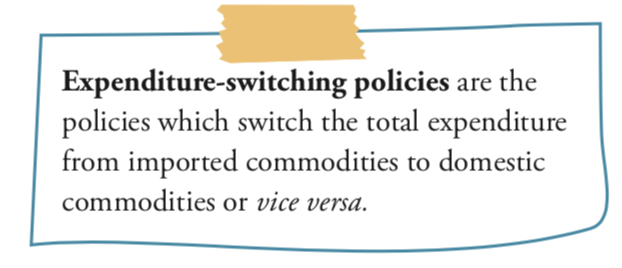
Soru 71
What is the meaning of internal equilibrium of an economy?
Seçenekler
A
Full employment with price stability
B
Full employment under flexible exchange rate system
C
Equilibrium in the balance of payments
D
Stability in the foreign exchange rates
E
Equilibrium in the international trade balance
Açıklama:
If your answer is incorrect, review “The Importance and Scope of International Economics”.
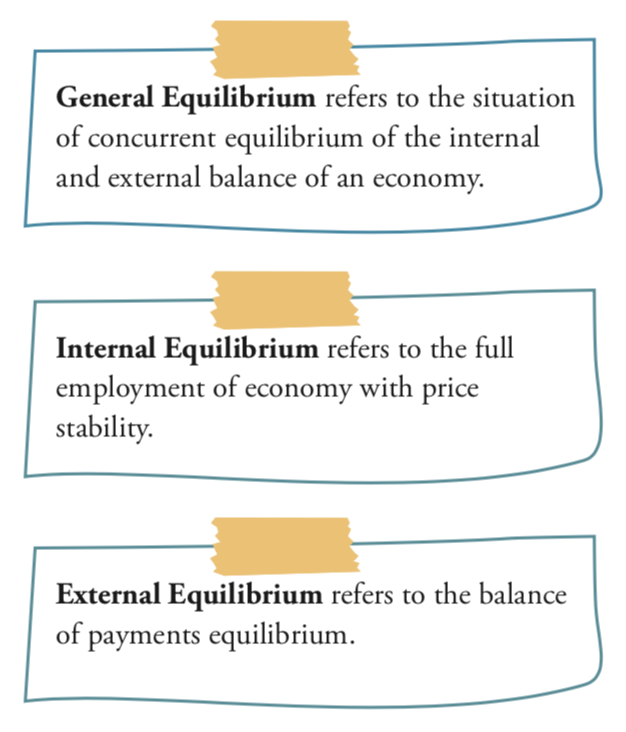
Soru 72
Which term below refers to the situation of concurrent equilibrium of the internal and external balance of an economy?
Seçenekler
A
Internal equilibrium
B
General equilibrium
C
Singular equilibrium
D
Exhaustive equilibrium
E
External equilibrium
Açıklama:
If your answer is incorrect, review “The Importance and Scope of International Economics”.
Soru 73
What is the absence of international trade called?
Seçenekler
A
Monopoly
B
Autarky
C
Grouchy
D
Oligarchy
E
Droshky
Açıklama:
If your answer is incorrect, review “International Trade Theory”.
Soru 74
What is the term that refers to the boundary between those combinations of commodities and services that can be produced and those that cannot?
Seçenekler
A
Expenditure-switching policies
B
Production possibilities frontier
C
Expenditure-threshold policies
D
Consumption possibilities frontier
E
Expenditure-changing policies
Açıklama:
If your answer is incorrect, review “International Trade Theory”.
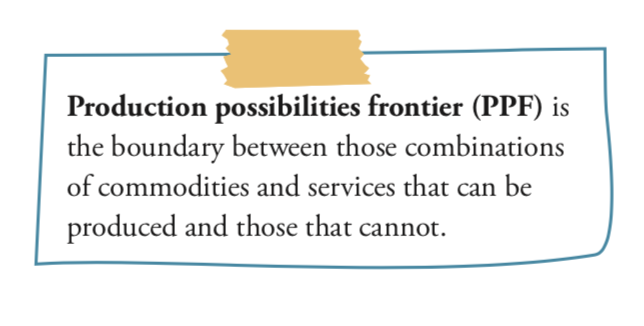
Soru 75
What is the ratio of the export price index of a country to its import price index?
Seçenekler
A
Exchange rate
B
Unemployment ratio
C
Terms of trade
D
Purchasing power parity
E
Factor abundance
Açıklama:
If your answer is incorrect, review “Terms of Trade”.
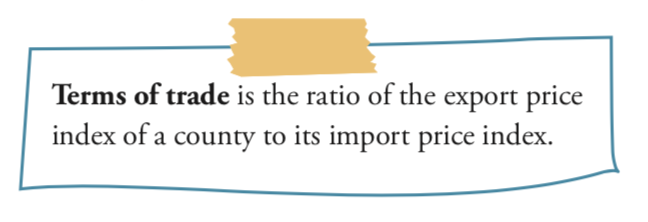
Soru 76
What is the fall in the value of one currency in terms of another currency by the decision of the monetary authority?
Seçenekler
A
Currency appreciation
B
Currency devaluation
C
Currency stability
D
Currency depreciation
E
Currency revaluation
Açıklama:
If your answer is incorrect, review “Foreign Exchange Rates, Foreign Exchange Market and Foreign Exchange Rate Systems”.
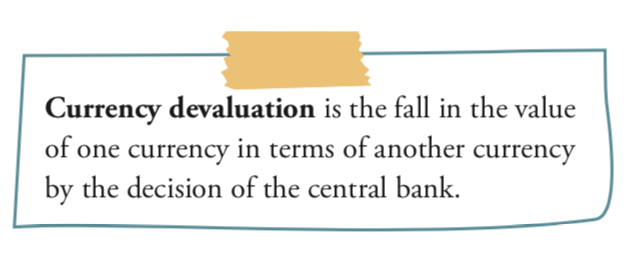
Soru 77
What is the rise in the value of one currency in terms of another currency in the flexible exchange rate system?
Seçenekler
A
Currency appreciation
B
Currency devaluation
C
Currency stabilization
D
Currency depreciation
E
Currency revaluation
Açıklama:
If your answer is incorrect, review “Foreign Exchange Rates, Foreign Exchange Market and Foreign Exchange Rate Systems”.
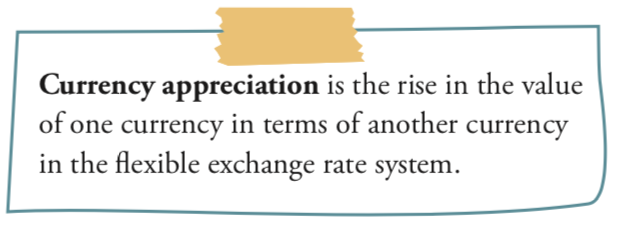
Soru 78
What are the real investments made directly to the firms, capital commodities and land. In foreign direct investments, the control on the investment is in the hands of the investor?
Seçenekler
A
Current account deficit
B
Expenditure-switching policies
C
Foreign direct investments
D
Foreign exchange rate
E
Credit international transactions
Açıklama:
If your answer is incorrect, review "Main Accounts and Functioning of Balance of Payments".
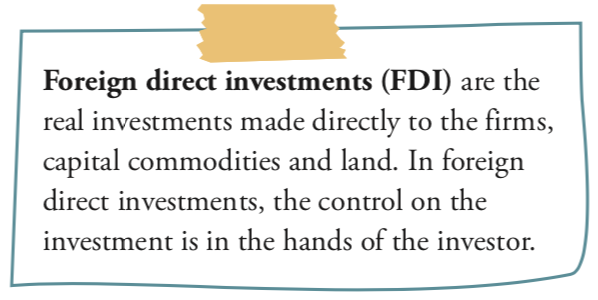
Soru 79
I. taxes
II. open market operations
III. devaluations
IV. trade restrictions
Which of the items given above are the right instruments for expenditure-switching policies?
II. open market operations
III. devaluations
IV. trade restrictions
Which of the items given above are the right instruments for expenditure-switching policies?
Seçenekler
A
I and II
B
II; III and IV
C
III and IV
D
I and III
E
I; II and III
Açıklama:
Last but not least, international economic transactions affect the general equilibrium of an economy. The main aim of the economic policies is to attain the internal equilibrium and external equilibrium at the same time.
General equilibrium is determined by the implementation of two economic policies: (1) expenditure-changing policies, (2) expenditure-switching policies.
Expenditure-switching policies are the policies which change the total expenditure in the expense of imports or domestic commodities. The instruments of the expenditure-switching policies are the trade restrictions, foreign exchange controls, devaluations and revaluations.
General equilibrium is determined by the implementation of two economic policies: (1) expenditure-changing policies, (2) expenditure-switching policies.
Expenditure-switching policies are the policies which change the total expenditure in the expense of imports or domestic commodities. The instruments of the expenditure-switching policies are the trade restrictions, foreign exchange controls, devaluations and revaluations.
Soru 80
The terms of trade of a country are given by the ratio of the price index of its (1)........... to the price index of its (2)........... The ratio is usually multiplied by hundred in order to express the terms of trade in percentages.
Which one of the followings should be substituted into the blanks given above?
Which one of the followings should be substituted into the blanks given above?
Seçenekler
A
(1) exports; (2) imports
B
(1) energy consumption; (2) production
C
(1) energy production; (2) exports
D
(1) total production; (2) total consumption
E
(1) total production; (2) imports
Açıklama:
The terms of trade of a country are defined as the ratio of the price of its export commodity to the price of its import commodity. In a realistic world of many traded commodities, the terms of trade of a country are given by the ratio of the price index of its exports to the price index of its imports. The ratio is usually multiplied by hundred in order to express the terms of trade in percentages.
Soru 81
| Sunland | Lakeland | |
| Corn(kg/hr) | 12 | 4 |
| Wheel(item/hr) | 21 | ……. |
To make the statement above correct, which of the followings should be written into the blank box?
Seçenekler
A
8
B
6
C
4
D
2
E
1
Açıklama:
According to the Table, Sunland has an absolute advantage in both corn and wheel. Based on the theory of absolute advantage, there will be no trade between Sunland and Lakeland. According to the theory of comparative advantage, even if one country is less efficient than the other country in the production of both commodities, there is still a basis for mutually beneficial trade. The absolute disadvantaged country should specialize in the production of the commodity in which its absolute disadvantage is smaller (it is the commodity of its comparative advantage) and export its surplus to the other country then, import the commodity in which its absolute disadvantage is greater (it is the commodity of its comparative disadvantage). We can determine the comparative advantage of Lakeland by comparing the absolute disadvantages in the production of corn and wheel. For Lakeland, the absolute disadvantage in corn production (12:4 = 3) is greater than the absolute disadvantage in wheel production (21:8 =2.625). In other words, the absolute disadvantage is smaller in wheel production for Lakeland, meaning that Lakeland has a comparative advantage in the production of wheel. Other than 8 in the row of wheel and the column of Lakeland, any number given in other choices will not satisfy this case.
Soru 82
Which of the followings is a(n) example of non-tariff restrictions imposed in the national economy?
Seçenekler
A
voluntary export restraints
B
production subsidies
C
import bans
D
import quatas
E
export subsidies
Açıklama:
A non-tariff restriction is any action other than a tariff that restricts international trade. Non-tariff restrictions can be classified into three different categories:
(1) Non-tariff restrictions imposed on imports: Import quotas, import licenses, import bans, customs procedures, administrative fees and duties. This category of non-tariff restrictions are the at-the border restrictions.
(2) Non-tariff restrictions imposed on exports: Export subsidies, voluntary export restraints, export bans, export quotas. This category of non-tariff restrictions are the at-the border restrictions.
(3) Non-tariff restrictions imposed in the national economy: Health standards, sanitary and phyto-sanitary standards, environmental standards, labor standards, product standards, production subsidies, internal charges, etc. This category of non-tariff restrictions are the behind-the border restrictions.
(1) Non-tariff restrictions imposed on imports: Import quotas, import licenses, import bans, customs procedures, administrative fees and duties. This category of non-tariff restrictions are the at-the border restrictions.
(2) Non-tariff restrictions imposed on exports: Export subsidies, voluntary export restraints, export bans, export quotas. This category of non-tariff restrictions are the at-the border restrictions.
(3) Non-tariff restrictions imposed in the national economy: Health standards, sanitary and phyto-sanitary standards, environmental standards, labor standards, product standards, production subsidies, internal charges, etc. This category of non-tariff restrictions are the behind-the border restrictions.
Soru 83
Suppose that the USA is our domestic country while the UK is the foreign:
$ 1 = £ 0.6 → in 2015,
$ 1 = £ 0.7 → in 2016,
Consumer price inflation (2016) in USA → 5%
Consumer price inflation (2016) in UK → 3%
Using the data above, calculate the real exchange rate in 2016?
$ 1 = £ 0.6 → in 2015,
$ 1 = £ 0.7 → in 2016,
Consumer price inflation (2016) in USA → 5%
Consumer price inflation (2016) in UK → 3%
Using the data above, calculate the real exchange rate in 2016?
Seçenekler
A
0.588
B
0.612
C
0.6
D
0.713
E
0.687
Açıklama:
Suppose that the USA is our domestic country while the UK is the foreign:
$ 1 = £ 0.6 → in 2015,
$ 1 = £ 0.7 → in 2016,
Consumer price inflation (2016) in USA → 5%
Consumer price inflation (2016) in UK → 3%
Using the data above, we can calculate the real exchange rate in 2016. In this example, 2015 is our base year so the consumer price index of 2015 will be 100 for both countries:
Rreal =($/£)(Pf/Pd)
Rreal = 0.7(103/105)
Rreal = 0.687
$ 1 = £ 0.6 → in 2015,
$ 1 = £ 0.7 → in 2016,
Consumer price inflation (2016) in USA → 5%
Consumer price inflation (2016) in UK → 3%
Using the data above, we can calculate the real exchange rate in 2016. In this example, 2015 is our base year so the consumer price index of 2015 will be 100 for both countries:
Rreal =($/£)(Pf/Pd)
Rreal = 0.7(103/105)
Rreal = 0.687
Soru 84
 Which of the following is false according to the table above?
Seçenekler
A
Country B has an absolute advantage in both commodities.
B
Country A has an absolute advantage in both commodities.
C
Theory of absolute advantage suggests that there will be no trade between Country A and Country B.
D
Country B has a comparative advantage in the production of wheel.
E
Country A has a comparative advantage in the production of bread.
Açıklama:
According to the table, Country A has an absolute advantage in both commodities. Therefore, an absolute advantage theory says that there will be no trade between Country A and B. however, comparatve advantage theory states that For Country B, the absolute disadvantage in bread production (8:2 = 4) is greater than the absolute disadvantage in wheel production (10:6 =1,6). In other words, the absolute disadvantage is smaller in wheel production for Country B, meaning that it
has a comparative advantage in the production of wheel. In this case, Country A has a comparative
advantage in the production of bread. According to the theory of comparative advantage, there is a
basis for mutually beneficial trade both for Country A and Country B.
has a comparative advantage in the production of wheel. In this case, Country A has a comparative
advantage in the production of bread. According to the theory of comparative advantage, there is a
basis for mutually beneficial trade both for Country A and Country B.
Soru 85
Which of the following is one of the expenditure switching policies?
Seçenekler
A
Open market operations
B
Trade restrictions
C
Taxes
D
Reserve requirements
E
Public expenditures
Açıklama:
Expenditure switching policies are those that include to affect preferences among domestically or externally produced goods and services.
Soru 86
Which of the following refers to autarky?
Seçenekler
A
Closed economy
B
Export leading economic growth
C
Flexible Exchange rates
D
Absence of taxes
E
Presence of export and import
Açıklama:
Autarky is an economic environment in which no international trade occurs.
Soru 87
Suppose that rental price of capital to the price of labor time is lower in Country A than in Country B. On the other hand, the ratio of the price of labor time to the rental price of capital is lower in Country B than in Country A. Which of the following is true in this case?
Seçenekler
A
Country A is labor abundant.
B
Country B is labor abundant.
C
Country A has a comparative advantage in capital intensive product.
D
Country B has a comparative advantage in labor intensive product.
E
Both countries has a comparative advantage in labor intensive product.
Açıklama:
Country A is the capital-abundant country if the ratio of the rental price of capital to
the price of labor time (PK /PL) is lower in Country A than in Country B. On the other hand, Country B is the labor-abundant country if the ratio of the price of labor time to the rental price of capital (PL/PK ) is lower in Country B than in Country A. The factor abundance of the two countries are expressed below:
Country A is capital abundant and Country B is labor abundant.
Along with the factor intensity and factor abundance data derived from the Heckscher-Ohlin theory, we determine that Country A has a comparative advantage in labor şntensive product whileCountry B has a comparative advantage in capital intensive product.
the price of labor time (PK /PL) is lower in Country A than in Country B. On the other hand, Country B is the labor-abundant country if the ratio of the price of labor time to the rental price of capital (PL/PK ) is lower in Country B than in Country A. The factor abundance of the two countries are expressed below:
Country A is capital abundant and Country B is labor abundant.
Along with the factor intensity and factor abundance data derived from the Heckscher-Ohlin theory, we determine that Country A has a comparative advantage in labor şntensive product whileCountry B has a comparative advantage in capital intensive product.
Soru 88
What is the tax or duty leived on traded commodities as they cross the national boundry?
Seçenekler
A
Barriers to entry
B
Export subsidies
C
Quotas
D
Restrictions on export
E
Tariff
Açıklama:
A tax or duty that is leived on internationally traded goods and services is called as tariff.
Soru 89
I. Depreciation
II. Appreciation
III. Devaluation
Which of the above listed changes could be seen in the fixed foreign Exchange rate regime?
II. Appreciation
III. Devaluation
Which of the above listed changes could be seen in the fixed foreign Exchange rate regime?
Seçenekler
A
Only I
B
Only II
C
Only III
D
I and II
E
I, II and III
Açıklama:
Depreciation and appreciation of a domestic currency are possible in the flexible FX regime while devalution or revaluation is only possible in the fixed FX regime.
Soru 90
Which of the following is the summary statement of all economic transactions made by a foreign currency?
Seçenekler
A
Central Bank's balance sheet
B
Treasury's balance sheet
C
Government budget
D
Balance of payments
E
Interntional reserve position
Açıklama:
Balance of payments refers to all international transactions of a country.
Soru 91
Which of the following non-tariff restrictions can be considered as 'behind-the border restrictions'?
Seçenekler
A
export subsidies
B
import bans
C
import quotas
D
export quotas
E
production subsidies
Açıklama:
Non-tariff restrictions imposed in the national economy: Health standards, sanitary and
phyto-sanitary standards, environmental standards, labor standards, product standards, production subsidies, internal charges, etc. This category of non-tariff restrictions are the behind-the border restrictions.
phyto-sanitary standards, environmental standards, labor standards, product standards, production subsidies, internal charges, etc. This category of non-tariff restrictions are the behind-the border restrictions.
Soru 92
Suppose that the free trade price of a commodity is 10 TL. Government imposes the import tariff that increases domesic price from 10 TL to 18 TL. Suppose that after imposing the import tariff, the domestic producers increase their production from 3 tons to 7 tons. Nevertheless, the domestic consumers decrease their consumption from 21 tons to 15 tons because of the domestic price increase. Which of the following is equal to the tariff revenue in this case?
Seçenekler
A
48
B
52
C
64
D
70
E
72
Açıklama:
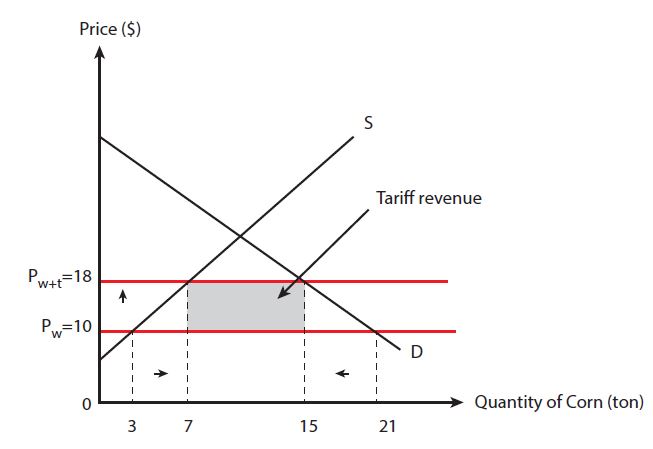 This is the graphical representation of the situation in the question. The shaded area gives the tariff revenue and is equal to (18-10)=8*8(15-7)=64 TL
Soru 93
Which of the following refers to real investments made directly to the firms, capital commodities and land?
Seçenekler
A
Portfolio investments
B
Stock market investments
C
Cash investments
D
Foregin direct investments
E
Deposit investments
Açıklama:
Foreign direct investments (FDI) are the real investments made directly to the firms, capital commodities and land. In foreign direct investments, the control on the investment is in the hands of the investor.
Soru 94
The CPF(consumption possibilities frontier)of a country is at an ........ level than its PPF(production possibilities frontier) with international trade.
Seçenekler
A
interior
B
outer
C
lower
D
equilibrium
E
higher
Açıklama:
The CPF(consumption possibilities frontier)of a country is at an outer level than its PPF(production possibilities frontier) with international trade.
This means more consumption possibilities.
This means more consumption possibilities.
Soru 95
The terms of trade (TOT) of a country are given by the ratio of the price index of its ...... to the price index of its .......
Seçenekler
A
imported goods / exported goods
B
imports / exports
C
domestic goods / foreign goods
D
foreign goods / domestic goods
E
exports / imports
Açıklama:
- The terms of trade of a country are given by the ratio of the price index of its exports to the price index of its imports.
- The ratio is usually multiplied by a hundred in order to express the terms of trade in percentages.
The terms of trade of a country are given by the ratio of the price index of its exports to the price index of its imports.
Soru 96
Why the theory of absolute advantage and the theory of comparative advantage are criticized?
Seçenekler
A
They give importance to production.
B
They underline consumer preferences.
C
They state that trade barriers are necessary.
D
They explain the behavior of the demand side.
E
They support capital accumulation.
Açıklama:
- The theory of absolute advantage and the theory of comparative advantage are criticized for being supply oriented.
- After the addition of demand by the standard theory of international trade, the analysis became more realistic.
- The demand is exhibited by the community indifference curves while the supply is represented by the PPFs.
- Thus, the standard theory of international trade has been introduced.
Soru 97
When the cost of producing a unit of a commodity ........ as its output rate ........, this creates economies of scale.
Seçenekler
A
increases / increases
B
falls / falls
C
falls / increases
D
increases / falls
E
unchange / falls
Açıklama:
- Economies of scale exist when the cost of producing a unit of a commodity falls as its output rate increases.
- In other words, it features of a firm’s technology that leads to a falling long-run average cost as output increases
Soru 98
What is the difference between the nominal exchange rate and the real exchange rate?
Seçenekler
A
The level of terms of trade in both countries
B
The level of technology in both countries
C
GDP deflator inflation in both countries
D
producer price inflation in both countries
E
consumer price inflation in both countries
Açıklama:
- The real exchange rate is the rate that considers the price differences, or in other words, the inflation in both countries.
- The real exchange rate is determined by the usage of the consumer price index in the two countries.
- The real exchange rate is the nominal exchange rate weighted by the consumer price index.
- We should divide the consumer price index of the foreign country to the consumer price index of the domestic country, and then, multiply the division by the nominal exchange rate
The real exchange rate is the rate that considers the price differences, or in other words, the consumer price inflation in both countries.
Soru 99
Which is the following describe the limits to the consumption choices of a household?
Seçenekler
A
Consumption possibilities frontier
B
Production possibilities frontier
C
General Equilibrium
D
Internal Equilibrium
E
External Equilibrium
Açıklama:
If your answer is incorrect, review “International Trade Theory”.
Consumption possibilities frontier or the budget line describes the limits to the consumption choices of a household.
Consumption possibilities frontier or the budget line describes the limits to the consumption choices of a household.
Soru 100
Which is the boundary between those combinations of commodities and services that can be produced and those that cannot?
Seçenekler
A
Consumption possibilities frontier
B
Production possibilities frontier
C
General Equilibrium
D
Internal Equilibrium
E
External Equilibrium
Açıklama:
If your answer is incorrect, review “International Trade Theory”.
Production possibilities frontier (PPF) is the boundary between those combinations of commodities and services that can be produced and those that cannot.
Production possibilities frontier (PPF) is the boundary between those combinations of commodities and services that can be produced and those that cannot.
Soru 101
Who is known as the founder for the theory of absolute advantage?
Seçenekler
A
Eli Heckscher
B
Bertil Ohlin
C
Adam Smith
D
Alfred Marshall
E
David Ricardo
Açıklama:
If your answer is incorrect, review “Early Trade Theories”.
The earliest international trade theory that proves a mutually beneficial trade is the theory of Adam Smith, namely the theory of absolute advantage.
The earliest international trade theory that proves a mutually beneficial trade is the theory of Adam Smith, namely the theory of absolute advantage.
Soru 102
Which of the following is the nominal exchange rate weighted by the consumer price index of the two countries?
Seçenekler
A
Nominal exchange rate
B
Real exchange rate
C
Central bank exchange rate
D
Currency appreciation
E
Currency revaluation
Açıklama:
If your answer is incorrect, review “Foreign Exchange Rates, Foreign Exchange Market and Foreign Exchange Rate Systems”.
Real exchange rate is the nominal exchange rate weighted by the consumer price index of the two countries.
Real exchange rate is the nominal exchange rate weighted by the consumer price index of the two countries.
Soru 103
Which of the following is the rise in the value of one currency in terms of another currency in the flexible exchange rate system?
Seçenekler
A
Currency appreciation
B
Currency revaluation
C
Nominal exchange rate
D
Real exchange rate
E
Central bank exchange rate
Açıklama:
If your answer is incorrect, review “Foreign Exchange Rates, Foreign Exchange Market and Foreign Exchange Rate Systems”.
Currency appreciation is the rise in the value of one currency in terms of another currency in the flexible exchange rate system.
Currency appreciation is the rise in the value of one currency in terms of another currency in the flexible exchange rate system.
Soru 104
If the full employment of economy with price stability is established at the same time what type of equilibrium is established in this economy?
Seçenekler
A
General Equilibrium,
B
External Equilibrium,
C
Internal Equilibrium,
D
Multiple equilibria,
E
Market equilibrium
Açıklama:
THE IMPORTANCE AND SCOPE OF INTERNATIONAL ECONOMICS
international economic transactions affect the general equilibrium of an economy. The main aim of the economic policies is to attain the internal equilibrium and external equilibrium at the same time. The concurrent equilibrium of the internal and external equilibrium is called general equilibrium of an economy. Internal equilibrium refers to full employment with price stability. On the other hand, external equilibrium refers to equilibrium in the balance of payments.
General Equilibrium refers to the situation of concurrent equilibrium of the internal and external balance of an economy.
Internal Equilibrium refers to the full employment of economy with price stability.
External Equilibrium refers to the balance of payments equilibrium.
General equilibrium is determined by the implementation of two economic policies: (1) expenditure-changing policies, (2) expenditure-switching policies. In other words, internal equilibrium and external equilibrium is achieved by an effective implementation of the expenditure-changing and expenditure-switching policies.
international economic transactions affect the general equilibrium of an economy. The main aim of the economic policies is to attain the internal equilibrium and external equilibrium at the same time. The concurrent equilibrium of the internal and external equilibrium is called general equilibrium of an economy. Internal equilibrium refers to full employment with price stability. On the other hand, external equilibrium refers to equilibrium in the balance of payments.
General Equilibrium refers to the situation of concurrent equilibrium of the internal and external balance of an economy.
Internal Equilibrium refers to the full employment of economy with price stability.
External Equilibrium refers to the balance of payments equilibrium.
General equilibrium is determined by the implementation of two economic policies: (1) expenditure-changing policies, (2) expenditure-switching policies. In other words, internal equilibrium and external equilibrium is achieved by an effective implementation of the expenditure-changing and expenditure-switching policies.
Soru 105
The situation of concurrent equilibrium of the internal and external balance of an economy is referred as what type of equilibrium in an economy?
Seçenekler
A
General Equilibrium,
B
External Equilibrium,
C
Internal Equilibrium,
D
Multiple equilibria,
E
Market equilibrium
Açıklama:
THE IMPORTANCE AND SCOPE OF INTERNATIONAL ECONOMICS
international economic transactions affect the general equilibrium of an economy. The main aim of the economic policies is to attain the internal equilibrium and external equilibrium at the same time. The concurrent equilibrium of the internal and external equilibrium is called general equilibrium of an economy. Internal equilibrium refers to full employment with price stability. On the other hand, external equilibrium refers to equilibrium in the balance of payments.
General Equilibrium refers to the situation of concurrent equilibrium of the internal and external balance of an economy.
Internal Equilibrium refers to the full employment of economy with price stability.
External Equilibrium refers to the balance of payments equilibrium.
General equilibrium is determined by the implementation of two economic policies: (1) expenditure-changing policies, (2) expenditure-switching policies. In other words, internal equilibrium and external equilibrium is achieved by an effective implementation of the expenditure-changing and expenditure-switching policies.
international economic transactions affect the general equilibrium of an economy. The main aim of the economic policies is to attain the internal equilibrium and external equilibrium at the same time. The concurrent equilibrium of the internal and external equilibrium is called general equilibrium of an economy. Internal equilibrium refers to full employment with price stability. On the other hand, external equilibrium refers to equilibrium in the balance of payments.
General Equilibrium refers to the situation of concurrent equilibrium of the internal and external balance of an economy.
Internal Equilibrium refers to the full employment of economy with price stability.
External Equilibrium refers to the balance of payments equilibrium.
General equilibrium is determined by the implementation of two economic policies: (1) expenditure-changing policies, (2) expenditure-switching policies. In other words, internal equilibrium and external equilibrium is achieved by an effective implementation of the expenditure-changing and expenditure-switching policies.
Soru 106
General equilibrium is determined by the implementation which of the two following economic policies?
I. Expenditure-changing policies,
II. expenditure-switching policies,
III. expansionary expenditure policies,
IV. Contractionary expenditure policies,
I. Expenditure-changing policies,
II. expenditure-switching policies,
III. expansionary expenditure policies,
IV. Contractionary expenditure policies,
Seçenekler
A
I and III
B
I and IV
C
II and III
D
I and II
E
III and IV
Açıklama:
THE IMPORTANCE AND SCOPE OF INTERNATIONAL ECONOMICS
General equilibrium is determined by the implementation of two economic policies: (1) expenditure-changing policies, (2) expenditure-switching policies. In other words, internal equilibrium and external equilibrium is achieved by an effective implementation of the expenditure-changing and expenditure-switching policies.
General equilibrium is determined by the implementation of two economic policies: (1) expenditure-changing policies, (2) expenditure-switching policies. In other words, internal equilibrium and external equilibrium is achieved by an effective implementation of the expenditure-changing and expenditure-switching policies.
Soru 107
At the autarky, which of the following statement is correct?
Seçenekler
A
production possibilities frontier (PPF) and the consumption possibilities frontier (CPF) of a country are different,
B
production possibilities frontier (PPF) is larger (an outer level) than the consumption possibilities frontier (CPF) of a country,
C
production possibilities frontier (PPF) is smaller (an interior level) the consumption possibilities frontier (CPF) of a country,
D
production possibilities frontier (PPF) and the consumption possibilities frontier (CPF) of a country are convex,
E
production possibilities frontier (PPF) and the consumption possibilities frontier (CPF) of a country are identical
Açıklama:
INTERNATIONAL TRADE THEORY
At the autarky, production possibilities frontier (PPF) and the consumption possibilities frontier (CPF) of a country are identical. In other words, production and consumption points are the same and they are both on the same frontier. It is impossible to consume at an outer point of the PPF. Nevertheless, international trade enables consumers to consume at a point which is outer than the PPF. It means that the CPF of a country is at an outer level than its PPF with international trade.
At the autarky, production possibilities frontier (PPF) and the consumption possibilities frontier (CPF) of a country are identical. In other words, production and consumption points are the same and they are both on the same frontier. It is impossible to consume at an outer point of the PPF. Nevertheless, international trade enables consumers to consume at a point which is outer than the PPF. It means that the CPF of a country is at an outer level than its PPF with international trade.
Soru 108
For a country, the ratio of the price of its export commodity to the price of its import commodity is defined as?
Seçenekler
A
The domestic trade,
B
The terms of trade
C
The external trade
D
The volume of trade
E
The direction of trade
Açıklama:
Terms of Trade
The terms of trade of a country are defined as the ratio of the price of its export commodity to the price of its import commodity. In our hypothetical world of two countries and two commodities, the exports of a country are the imports of its trade partner. Thus, the terms of trade of the latter are equal to the inverse or reciprocal, of the terms of trade of the former. If we take our hypothetical world with Sunland and Lakeland as an example, Pc/Pw is the terms of trade of Sunland since it gives the ratio of the price of its export commodity, corn to the price of its import commodity, wheel. On the other hand, Pc/Pw is the terms of trade of Lakeland since it gives the ratio of the price of its export commodity, wheel to the price of its import commodity, corn. In a realistic world of many traded commodities, the terms of trade of a country are given by the ratio of the price index of its exports to the price index of its imports. The ratio is usually multiplied by hundred in order to express the terms of trade in percentages.
The terms of trade of a country are defined as the ratio of the price of its export commodity to the price of its import commodity. In our hypothetical world of two countries and two commodities, the exports of a country are the imports of its trade partner. Thus, the terms of trade of the latter are equal to the inverse or reciprocal, of the terms of trade of the former. If we take our hypothetical world with Sunland and Lakeland as an example, Pc/Pw is the terms of trade of Sunland since it gives the ratio of the price of its export commodity, corn to the price of its import commodity, wheel. On the other hand, Pc/Pw is the terms of trade of Lakeland since it gives the ratio of the price of its export commodity, wheel to the price of its import commodity, corn. In a realistic world of many traded commodities, the terms of trade of a country are given by the ratio of the price index of its exports to the price index of its imports. The ratio is usually multiplied by hundred in order to express the terms of trade in percentages.
Ünite 8
Soru 1
Which of the following is used as a proxy for the measurement of the value of the economic activity?
Seçenekler
A
Production speed
B
Inflation rate
C
GDP
D
Interest rate
E
Production cost
Açıklama:
Economic growth is simply defined as the percentage increase in the value of economic activity from a period to another period of time. Generally, the time period is taken as quarterly, semi-annually and annually in the calculations of the changes in economic activity. For the measurement of the value of the economic activity, generally the gross domestic product (GDP) of the country is used as a proxy.
Soru 2
Which of the following variables do you need to calculate the annual growth rate for 2018?
Seçenekler
A
Production limits
B
The capacity of employees
C
The number of the active firms
D
Growth rate of the country
E
Annual growth rate for 2017
Açıklama:
Annual growth rate for 2017
Soru 3
Which of the following statement explains the reason for nominal growth rates are bigger than the real growth rates?
Seçenekler
A
the difference represents the value changes of money
B
the difference represents the price changes in the time period.
C
the difference represents the different values of the physical capital
D
the difference represents the growth rate of the country
E
the difference represents the differences in climate conditions
Açıklama:
By comparing the nominal and real growth rates, we can easily notice that the real growth rates are smaller than the nominal growth rates and the difference represents the price changes in the time period.
Soru 4
According to growth accounting equation, which of the following is the main sources of growth?
Seçenekler
A
Country’s quality of the natural resources
B
Money flow growth
C
Capital diferences
D
Labor input growth
E
Capital quality growth
Açıklama:
The growth accounting shows that the main sources of economic growth are the productivity growth, capital input growth, and labor input growth.
Soru 5
According to Harrod-Domar Growth model what is the reason for the time period of t, It = St?
Seçenekler
A
The economy is a closed one
B
Some firms are able to invest
C
Households are for labor only
D
Labor’s quality is low
E
Capital flow is low
Açıklama:
In a two sector economy consisting of households and firms, the national income equation in the model for the time period of t is written as:
Yt = Ct + St (8.4)
where Yt=GDP, Ct=Consumption and St=Saving. Since the economy is a closed one, the equilibrium in this simple closed economy requires investment is equal to savings, which is shown in equation (8.5) as:
It = St
Yt = Ct + St (8.4)
where Yt=GDP, Ct=Consumption and St=Saving. Since the economy is a closed one, the equilibrium in this simple closed economy requires investment is equal to savings, which is shown in equation (8.5) as:
It = St
Soru 6
Which of the following are common assumptions in Harrod-Domar and Solow models?
Seçenekler
A
The economy is a closed one
B
Some firms are able to invest
C
Households are for labor only
D
Labor’s quality is low
E
Capital flow is low
Açıklama:
The Assumptions of the Solow Growth Model
- The economy consists of one sector producing one good which is used for either investment or consumption,
- It is closed economy without government,
- Since the economy is a closed one, then the saving is equal to investment,
- The economy is always producing its potential which is the full employment level of output,
- In the model, the rate of technological growth, population growth and the
Soru 7
In order to boost economic growth which policies should be taken by governments?
Seçenekler
A
Increasing the quality of education
B
Applying expanded monetary policiy
C
Raising wages
D
Raising real interest rate
E
Encouraging the firms to put more investment
Açıklama:
All growth models mentioned emphasize the importance of saving rate in economic growth. So, there is a need for the government policies to improve the saving rates. Saving rate can be increased by raising the real interest rate. Increase in real interest rate encourages savers for saving. However, it should be noticed that the empirical study results show that the response of saving to changes in the real interest rate seems to be small. Another way to increase national saving is to increase government saving.
Soru 8
One way of increasing the national saving is increasing the real interest rates. What is the other way to increase national savings?
Seçenekler
A
Increasing the quality of education
B
Applying expanded monetary policiy
C
Raising real interest rate
D
Encouraging the firms to put more investment
E
Raising government savings
Açıklama:
All growth models mentioned emphasize the importance of saving rate in economic growth. So, there is a need for the government policies to improve the saving rates. Saving rate can be increased by raising the real interest rate. Increase in real interest rate encourages savers for saving. However, it should be noticed that the empirical study results show that the response of saving to changes in the real interest rate seems to be small. Another way to increase national saving is to increase government saving.
Soru 9
- Economic growth is a broader concept than economic development.
- Economic growth reflects social and economic progress and requires economic development.
- Economic growth is a vital and necessary condition for development.
- Economic growth is not a sufficient condition, as it cannot guarantee development.
Which of the above statements is true about economic development?
Seçenekler
A
I-III
B
III-IV
C
II-III
D
I-II
E
I-IV
Açıklama:
Economic development is a broader concept than economic growth. Economic development reflects social and economic progress and requires economic growth. Economic growth is a vital and necessary condition for development, but it is not a sufficient condition, as it cannot guarantee development.
Soru 10
Which of the following criticisms against the use of HDI is arbitrary?
Seçenekler
A
The HDI index does not distinguish between different rates of development within a country such as between urban and traditional rural communities.
B
Giving equal weight to the three main components.
C
Development is largely about freedom, but the index does not directly measure this.
D
It uses GDP per capita, but there is no indication of the distribution of income in the country.
E
The HDI excludes many aspects of economic and social life that could be regarded as contributing to or constraining development, such as crime, corruption, poverty, deprivation, and negative externalities.
Açıklama:
There are a number of criticisms against the use of HDI to represent the economic development, including:
- The HDI index does not distinguish between different rates of development within a country such as between urban and traditional rural communities.
- Giving equal weight to the three main components is rather arbitrary.
- Development is largely about freedom, but the index does not directly measure this.
- It uses GDP per capita, but there is no indication of the distribution of income in the country.
- The HDI excludes many aspects of economic and social life that could be regarded as contributing to or constraining development, such as crime, corruption, poverty, deprivation, and negative externalities.
Soru 11
I. Economic growth is the percentage increase in the gross domestic product of a nation from a period to another period of time.
II. The real economic growth is the percentage change in real GDP from a period to another.
III. Economic growth can only be positive.
What can be said to be true about economic growth?
II. The real economic growth is the percentage change in real GDP from a period to another.
III. Economic growth can only be positive.
What can be said to be true about economic growth?
Seçenekler
A
Only I
B
Only II
C
I and II
D
I and III
E
II and III
Açıklama:
Economic growth is the percentage increase in the gross domestic product of a nation from a period to another period of time. Economic growth can be positive or negative. If the change in GDP from a year to another year is positive, we say that economic growth is positive or there is economic expansion. The real economic growth, then, is the percentage change in real GDP from a period to another.
The answer is C.
The answer is C.
Soru 12
Which of the choices contains all of the factors of production?
Seçenekler
A
Land and labor
B
Capital and labor
C
Capital, labor, and the entrepreneurship
D
Capital, labor, and natural resources
E
Capital, labor, natural resources, and the entrepreneurship
Açıklama:
Factors of production are the inputs used in the production process. They are the physical capital
(K), labor (L), natural resources (raw materials, land, energy, etc.) and the entrepreneurship.
(K), labor (L), natural resources (raw materials, land, energy, etc.) and the entrepreneurship.
Soru 13
I. The production function is an expression that relates the total output produced to the quantities of inputs used.
II. The production function slopes upward, indicating with given A and L, the more the capital input is used, the more output is produced.
III. As the capital input decreases by the same amount, the contribution of incremental capital to total output decreases in comparison.
What can be said to be true about the production function?
II. The production function slopes upward, indicating with given A and L, the more the capital input is used, the more output is produced.
III. As the capital input decreases by the same amount, the contribution of incremental capital to total output decreases in comparison.
What can be said to be true about the production function?
Seçenekler
A
Only I
B
Only II
C
I and II
D
I and III
E
II and III
Açıklama:
The production function is an expression that relates the total output produced to the quantities of inputs used. The production function slopes upward, meaning it is positively sloped. It indicates that, with given A and L, the more the capital input is used, the more output is produced. The slope of production function becomes flatter as capital input rises. This property says that as the capital input increases by the same amount, the contribution of incremental capital to total output decreases compared to the previous ones. Thus, the capital input is subject to the law of diminishing marginal product of capital.
The answer is C.
The answer is C.
Soru 14
I. Supply shocks are the shocks that cause the change in an economy’s production function.
II. The negative (adverse) supply shocks cause the upward shift of the production function.
III. Supply shocks cause not a movement along with the production function but they cause the shift of the production function.
What can be said to be true about supply shocks?
II. The negative (adverse) supply shocks cause the upward shift of the production function.
III. Supply shocks cause not a movement along with the production function but they cause the shift of the production function.
What can be said to be true about supply shocks?
Seçenekler
A
Only I
B
Only II
C
I and II
D
I and III
E
II and III
Açıklama:
Supply shocks are the shocks that cause the change in an economy’s production function. Supply shocks cause not a movement along with the production function but they cause the shift of the production function. Positive productivity shocks cause an upward shift of the production function, resulting in a higher output production with the given amounts of capital and labor inputs. On the other hand, the negative (adverse) supply shocks cause the downward shift of the production function.
The answer is D.
The answer is D.
Soru 15
If a country’s annual average per capita income growth rate is x = 7 per cent how many years later will the living standard of that country double?
Seçenekler
A
10
B
15
C
20
D
25
E
30
Açıklama:
The rule of 70 allows us to easily calculate how much it takes for a variable to double itself. If a variable grows at a pace of x per cent per year, then it will take approximately 70/x years for that variable to double in value.
For the country mentioned the pace of growth is 7 percent which would mean, according to the rule of 70 the living standards will double in 70/7=10years.
The answer is A.
For the country mentioned the pace of growth is 7 percent which would mean, according to the rule of 70 the living standards will double in 70/7=10years.
The answer is A.
Soru 16
I. The Harrod-Domar growth model relates an economy’s growth rate to its capital stock.
II. The Harrod-Domar growth model assumes an endogenous rate of labor force growth.
III. Positive changes in investment spending cause an increase in an economy’s productive capacity.
What can be said to be true about The Harrod-Domar Growth Model?
II. The Harrod-Domar growth model assumes an endogenous rate of labor force growth.
III. Positive changes in investment spending cause an increase in an economy’s productive capacity.
What can be said to be true about The Harrod-Domar Growth Model?
Seçenekler
A
Only I
B
Only II
C
I and II
D
I and III
E
II and III
Açıklama:
The Harrod-Domar growth model is a very simple model to present the determinants of economic growth. It was developed by Harrod (1939, 1948) and Domar (1946, 1947) independently.
The model relates an economy’s growth rate to its capital stock and it emphasizes how positive changes in investment spending cause an increase in an economy’s productive capacity. The model assumes an exogenous rate of labor force growth (n), a given technology exhibiting fixed factor proportions, namely a constant capital-labor ratio, and as a result a fixed capital-output ratio. The answer is D.
The model relates an economy’s growth rate to its capital stock and it emphasizes how positive changes in investment spending cause an increase in an economy’s productive capacity. The model assumes an exogenous rate of labor force growth (n), a given technology exhibiting fixed factor proportions, namely a constant capital-labor ratio, and as a result a fixed capital-output ratio. The answer is D.
Soru 17
I. Economic development reflects social and economic progress and requires economic growth.
II. Economic growth is a vital, necessary and sufficient condition for economic development.
III. Economic growth includes improvements in the standard of living through the creation of jobs and other conditions.
What can be said about economic development?
II. Economic growth is a vital, necessary and sufficient condition for economic development.
III. Economic growth includes improvements in the standard of living through the creation of jobs and other conditions.
What can be said about economic development?
Seçenekler
A
Only I
B
Only II
C
Only III
D
I and II
E
I and III
Açıklama:
Economic development is a broader concept than economic growth. Economic growth is the percentage change in the GDP of a country from a year to another year. However, economic development reflects social and economic progress and requires economic growth. Economic growth is a vital and necessary condition for development, but it is not a sufficient condition as it cannot guarantee development. Economic development, besides economic growth, includes the improvements in the standard of living through the creation of jobs, the support of the innovation and new ideas, the creation of higher wealth, and the creation of overall better quality of life.
The answer is A.
The answer is A.
Soru 18
Which of the given statements is among the assumpstions of the Solow Growth Model?
Seçenekler
A
The economy consists of several sectors producing one good which is used for either investment or consumption.
B
It is a closed economy without government
C
It is an open economy without government.
D
In the economy, its saving is greater than its investment.
E
The economy is always producing under its potential which is the full employment level of output.
Açıklama:
The Assumptions of the Solow Growth Model
• The economy consists of one sector producing one good which is used for either investment or consumption,
• It is closed economy without government,
• Since the economy is a closed one, then the saving is equal to investment,
• The economy is always producing its potential which is the full employment level of output,
• In the model, the rate of technological growth, population growth and the depreciation rate of capital are all determined exogenously
The answer is B.
• The economy consists of one sector producing one good which is used for either investment or consumption,
• It is closed economy without government,
• Since the economy is a closed one, then the saving is equal to investment,
• The economy is always producing its potential which is the full employment level of output,
• In the model, the rate of technological growth, population growth and the depreciation rate of capital are all determined exogenously
The answer is B.
Soru 19
I. For capital-labor ratio, k, below k*, the saving is > the amount of investment needed to keep k constant, so the capital-labor ratio, k falls.
II. At this level of capital per worker, k*, the output per worker is y*=f (k*), and the consumption per worker is c*=f (k*)-(n+d)k*.
III. For capital-labor ratio, k above k*, the saving is < the amount of investment needed to keep k
constant, so capital-labor ratio, k rises.
What can be said to be true about the Capital-Labor Ratio in the Steady State?
II. At this level of capital per worker, k*, the output per worker is y*=f (k*), and the consumption per worker is c*=f (k*)-(n+d)k*.
III. For capital-labor ratio, k above k*, the saving is < the amount of investment needed to keep k
constant, so capital-labor ratio, k rises.
What can be said to be true about the Capital-Labor Ratio in the Steady State?
Seçenekler
A
Only I
B
Only II
C
I and II
D
I and III
E
II and III
Açıklama:
At this level of capital per worker, k*, the output per worker is y*=f (k*), and the consumption per worker is c*=f (k*)-(n+d)k*.This is the only level of capital-labor ratio at the steady-state because if k begins at some level other than k*, it will move toward k*. For capital-labor ratio, k, below k*, the saving is > the amount of investment needed to keep k constant, so the capital-labor ratio, k rises. For capital-labor ratio, k above k*, the saving is < the amount of investment needed to keep k constant, so capital-labor ratio, k falls.
The answer is B.
The answer is B.
Soru 20
"The _________is defined as the market value of all final goods and services produced within a country in a given period of time, say, in a year."
Which of the following can be used to complete the sentence above?
Which of the following can be used to complete the sentence above?
Seçenekler
A
Economic growth
B
GPD
C
Growth rate
D
Steady state
E
Golden rule of consumption
Açıklama:
The GDP is defined as the market value of all final goods and services produced within a country in a given period of time, say, in a year.
Soru 21
I- It can rise due to increases in the overall prices of goods and services in the economy
for the measurement period.
II- It can grow due to increases in the quantity of goods and services produced
in the economy for the time period.
III- It can be both positive and negative.
Which of the following is true about the GPD?
for the measurement period.
II- It can grow due to increases in the quantity of goods and services produced
in the economy for the time period.
III- It can be both positive and negative.
Which of the following is true about the GPD?
Seçenekler
A
I
B
II
C
I and II
D
II and III
E
I, II and III
Açıklama:
The GDP can rise from one year to the next for two different reasons: first of all, it can rise due to increases in the overall prices of goods and services in the economy
for the measurement period. Secondly, it can grow due to increases in the quantity of goods and services produced in the economy for the time period.
for the measurement period. Secondly, it can grow due to increases in the quantity of goods and services produced in the economy for the time period.
Soru 22
What are the inputs used in the production process called as?
Seçenekler
A
Factors of production
B
Economic growth
C
GPD
D
Real output
E
Quantities of input
Açıklama:
Factors of production are the inputs used in the production process. They are the physical capital (K), labor (L), natural resources (raw materials, land, energy, etc.) and the entrepreneurship.
Soru 23
Which of the following is an expression that relates the total output produced to the quantities of inputs used?
Seçenekler
A
Economic growth
B
The GPD
C
The production function
D
Factors of production
E
The marginal product of capital
Açıklama:
The production function is an expression that relates the total output produced to the quantities of inputs used.
Soru 24
Which of the following is the increase (change) in the output produced that results in one-unit increase (change) in labor input?
Seçenekler
A
The marginal product of capital
B
The production function
C
The marginal product of labor
D
Supply shocks
E
The rule of 70
Açıklama:
The marginal product of labor is the increase (change) in the output produced that results in one-unit increase (change) in labor input.
Soru 25
"________ are the shocks that cause the change of an economy’s production function."
Which of the following can be used to complete the sentence above?
Which of the following can be used to complete the sentence above?
Seçenekler
A
Supply shocks
B
The marginal product of labor
C
The marginal product of capital
D
The production function
E
Economic growth
Açıklama:
Supply shocks are the shocks that cause the change of an economy’s production function.
Soru 26
According to the research results from World Bank, which of the following countries has the highest rate of GPD in 2017?
Seçenekler
A
India
B
Mexico
C
Spain
D
United States
E
Brazil
Açıklama:
The United States has the highest rate of GPD with 52194.8858.
Soru 27
According to the research results from World Bank, which of the following countries has the lowest rate of GPD in 2017?
Seçenekler
A
The United States
B
Turkey
C
Russia
D
Indonesia
E
Zimbabwe
Açıklama:
Zimbabwe has the lowest rate of GPD with 908.82998 in 2017.
Soru 28
Which of the following is not among the Assumptions of the Solow Growth Model?
Seçenekler
A
The economy consists of one sector producing one good which is used for either investment or consumption
B
It is an open economy with government
C
Since the economy is a closed one, then the saving is equal to investment
D
In the model, the rate of technological growth, population growth and the depreciation rate of capital are all determined exogenously.
E
The economy is always producing its potential which is the full employment level of output
Açıklama:
The Assumptions of the Solow Growth Model
• The economy consists of one sector producing one good which is used for either investment or consumption,
• It is closed economy without government, • Since the economy is a closed one, then the
saving is equal to investment,
• The economy is always producing its
potential which is the full employment
level of output,
• In the model, the rate of technological
growth, population growth and the depreciation rate of capital are all determined exogenously.
• The economy consists of one sector producing one good which is used for either investment or consumption,
• It is closed economy without government, • Since the economy is a closed one, then the
saving is equal to investment,
• The economy is always producing its
potential which is the full employment
level of output,
• In the model, the rate of technological
growth, population growth and the depreciation rate of capital are all determined exogenously.
Soru 29
Which of the following is not among the very high ranked countries in terms of HDI figures?
Seçenekler
A
Australia
B
Norway
C
Denmark
D
Netherlands
E
Yemen
Açıklama:
Very High Ranked Countries
HDI - Very High (>0.8) The selected countries include: Norway, Australia, Switzerland, Denmark, Netherlands, Germany, Ireland, United States, Canada, New Zealand, Singapore, Hong Kong, Liechtenstein, Sweden, United Kingdom, Iceland, Russia.
HDI - Very High (>0.8) The selected countries include: Norway, Australia, Switzerland, Denmark, Netherlands, Germany, Ireland, United States, Canada, New Zealand, Singapore, Hong Kong, Liechtenstein, Sweden, United Kingdom, Iceland, Russia.
Soru 30
What is the percentage increase in the gross domestic product of nation from a period to another period of time?
Seçenekler
A
Economic growth
B
Economic development
C
Inflation
D
Interest rate
E
Exchange rate
Açıklama:
Economic growth is the percentage increase in the gross domestic product of nation from a period to another period of time. Correct answer is A.
Soru 31
For a country, the values of real GDP in 2018 and 2019 are 1000 and 1100 dollars respectively and the growth rate of population is 10% during the period. What is the growth rate GDP per capita from 2018 to 2019?
Seçenekler
A
4%
B
5%
C
0%
D
-4%
E
-5%
Açıklama:
Economic growth is 10% and growth rate of population is also 10%. Correct answer is C.
Soru 32
What is the change in output produced that results in one unit increase (change) in the capital stock?
Seçenekler
A
The marjinal product of labor
B
The marjinal product of land
C
The marjinal product of capital
D
The marjinal product of energy
E
The marjinal product of entrepreneurship
Açıklama:
The marginal product of capital is the change in output produced that results in one unit increase (change) in the capital stock. Correct answer is C.
Soru 33
What is the increase in the output produced that results in one-unit increase in labor input?
Seçenekler
A
The marjinal product of capital
B
The marjinal product of land
C
The marjinal product of energy
D
The marjinal product of labor
E
The marjinal product of entrepreneurship
Açıklama:
The marginal product of labor is the increase (change) in the output produced that results in one-unit increase (change) in labor input. Correct answer is D.
Soru 34
Let’s say a country’s annual average per capita income growth rate is x = 0,7 per cent. How long does it take (in years) for the living standards of the people in this country to be doubled?
Seçenekler
A
60
B
70
C
80
D
90
E
100
Açıklama:
The rule 70 says that; 70/0.70 = 100.
Correct answer is E.
Correct answer is E.
Soru 35
Let’s say a country’s annual average per capita income growth rate is x = 0,1 per cent. How long does it take (in years) for the living standards of the people in this country to be doubled?
Seçenekler
A
700
B
600
C
500
D
400
E
300
Açıklama:
The rule 70 says 70/0.10 = 700.
Correct answer is A.
Correct answer is A.
Soru 36
Which of followings is the growth equation of Harrod-Domar model?
Seçenekler
A
g = v / s
B
g = s / v
C
g = c / v
D
g = v / c
E
g = s / c
Açıklama:
In case of ignoring the depreciation rate in the Harrod-Domar model, the growth
equation can be represented as g = s / v. Correct answer is B.
equation can be represented as g = s / v. Correct answer is B.
Soru 37
Which of followings is not a assumption of the Solow growth model?
Seçenekler
A
The economy consists of one sector producing one good which is used for either investment or consumption.
B
It is closed economy without government.
C
Since the economy is a closed one, then the saving is equal to consumption.
D
Since the economy is a closed one, then the saving is equal to investment.
E
The economy is always producing its potential which is the full employment level of output.
Açıklama:
The Assumptions of the Solow Growth Model:
• The economy consists of one sector producing one good which is used for either investment or consumption,
• It is closed economy without government,
• Since the economy is a closed one, then the saving is equal to investment,
• The economy is always producing its potential which is the full employment level of output,
• In the model, the rate of technological growth, population growth and the depreciation rate of capital are all determined exogenously.
Correct answer is C.
• The economy consists of one sector producing one good which is used for either investment or consumption,
• It is closed economy without government,
• Since the economy is a closed one, then the saving is equal to investment,
• The economy is always producing its potential which is the full employment level of output,
• In the model, the rate of technological growth, population growth and the depreciation rate of capital are all determined exogenously.
Correct answer is C.
Soru 38
Which of the followings refers to the level of the capital labor ratio that maximizes the consumption per worker in the steady state?
Seçenekler
A
Golden rule capital land ratio
B
Golden rule capital energy ratio
C
Golden rule capital raw materials ratio
D
Golden rule capital labor ratio
E
Golden rule capital entrepreneurship ratio
Açıklama:
Golden Rule capital labor ratio refers to the level of the capital labor ratio that maximizes the consumption per worker in the steady state. Correct answer is D.
Soru 39
Which of following countries is very high ranked in Human Development Index in 2015?
Seçenekler
A
Uruguay
B
Moldova
C
Egypt
D
Nigeria
E
Norway
Açıklama:
HDI - Very High (>0.8) The selected countries include: Norway, Australia, Switzerland, Denmark, Netherlands, Germany, Ireland, United States, Canada, New Zealand, Singapore, Hong Kong, Liechtenstein, Sweden, United Kingdom, Iceland, Russia. Correct answer is E.
Soru 40
Which of the following statements is not correct?
Seçenekler
A
The main sources of economic growth are discovered by benefiting from the production function.
B
The Harrod-Domar model is a simple model that relates an economy’s growth rate to its capital stock
C
The Solow growth model implies that the rate of productivity improvement is the dominant factor determining how quickly living standards rise.
D
The endogenous growth theories better explains the international differences in living standards, but it cannot account for the persistence of economic growth.
E
In the Solow model, the saving rate does not affect the long-run economic growth rate and growth rate of output per worker.
Açıklama:
The augmented Solow model better explains the international differences in living standards, but it cannot account for the persistence of economic growth.
Soru 41
............... is an expression that relates the total output produced to the quantities of inputs used?
Seçenekler
A
Economic growth
B
The production function
C
Factors of production
D
The marginal product of labor
E
Output elasticity
Açıklama:
The production function is an expression that relates the total output produced to the quantities of inputs used.
Soru 42
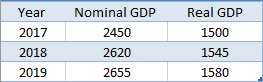 The chart indicates the nominal GDP and real GDP of Country X in years 2017-2019. What is the annual economic growth rate of Country X for 2018?
Seçenekler
A
2.0%
B
2.5%
C
3.0%
D
3.5%
E
4.0%
Açıklama:
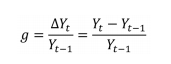 Therefore g=(1545-1500)/1500=0.03
Soru 43
What is the annual average per capita income growth rate of a country that is expected to double the living standards of its people in 14 years?
Seçenekler
A
0.05%
B
0.1%
C
1%
D
5%
E
10%
Açıklama:
The rule of 70 allows us to easily calculate how much it takes for a variable to double itself. If a variable grows at a pace of x percent per year, then it will take approximately (70/x) years for that variable to double in value.
70/x=14, Then x=5 percent
70/x=14, Then x=5 percent
Soru 44
I. Institutions
II. Geography
III. Sustained technological progress
IV. Rates of accumulation of human capital
Which of the above are determinants of long-run economic growth?
II. Geography
III. Sustained technological progress
IV. Rates of accumulation of human capital
Which of the above are determinants of long-run economic growth?
Seçenekler
A
I and IV
B
III and IV
C
I, II and IV
D
II, III and IV
E
I, II, III and IV
Açıklama:
The economic theory and empirical results imply that the determinants of long-run economic growth are the rates of accumulation of human and physical capital together with sustained technological progress. Besides these factors, also, geography, integration and institutions play an important role.
Soru 45
What is the difference between economic growth and economic development?
Seçenekler
A
Economic development focuses on economical indicators whereas economic growth takes social progress into account as well.
B
As a broader concept economic development reflects social and economic progress and requires
economic growth.
economic growth.
C
Economic growth is calculated considering nominal GDP whereas economic development formula uses real GDP.
D
Economic growth takes infrastructure improvements into consideration whereas economic development only deals with improvements in health and education.
E
Economic growth and economic development are synonyms and used interchangeably.
Açıklama:
Economic development is a broader concept than economic growth. Economic development reflects social and economic progress and requires economic growth. Economic growth is a vital and necessary condition for development, but it is not a sufficient condition as it cannot guarantee development.
Soru 46
Which of the following statements is not always true for a country with an HDI above 0.8?
Seçenekler
A
The country ranks "very high" in economic development.
B
The country has high economic growth.
C
The country has a high adult literacy rate.
D
The country has an equal distribution of income.
E
Citizens of the country have a high standard of living.
Açıklama:
HDI uses GDP per capita, but there is no indication of the distribution of income in the country. Such an implication cannot be made based only on HDI value.
Soru 47
I. An increase in saving rate (s) causes capital per worker to fall.
II. An increase in productivity causes long-run output per worker to rise.
III. An increase in the rate of population growth causes consumption per worker to fall.
Which of the statements above is true?
II. An increase in productivity causes long-run output per worker to rise.
III. An increase in the rate of population growth causes consumption per worker to fall.
Which of the statements above is true?
Seçenekler
A
Only I
B
Only II
C
I and II
D
II and III
E
I and III
Açıklama:
An increase in saving rate (s) causes capital per worker to rise (not fall) as higher saving allows for more investment and a larger capital stock.
Soru 48
How does an increase in the rate of population growth (n) affect long-run output, consumption, and capital per worker, and why?
Seçenekler
A
Fall - With higher population growth more output must be used to equip new workers with
capital, leaving less output available for consumption or to increase capital per worker.
capital, leaving less output available for consumption or to increase capital per worker.
B
Fall - With higher population growth a higher steady state capital-labor ratio is achieved, causing a lower output per worker.
C
No effect - There is no correlation between them.
D
Rise - With higher population growth savings increase causing a larger capital stock and allowing more investment
E
Rise - With higher population growth human capital increases and therefore capital stock and productivity increase as well.
Açıklama:
An increase in the rate of population growth causes long-run output, consumption, and capital per worker to fall because with higher population growth more output must be used to equip new workers with capital, leaving less output available for consumption or to increase capital per worker.
Soru 49
I. The model assumes a fixed capital-output ratio
II. The model assumes zero substitutability between capital and labor
III. The model assumes that inflows would go into investment one to one
Which of the above can be considered as shortcomings of the Harrod-Domar model?
II. The model assumes zero substitutability between capital and labor
III. The model assumes that inflows would go into investment one to one
Which of the above can be considered as shortcomings of the Harrod-Domar model?
Seçenekler
A
Only I
B
I and II
C
I and III
D
II and III
E
I, II and III
Açıklama:
According to Snowdon and Vane (2005) the model has many shortcomings. Firstly, the model assumes a fixed capital-output ratio. The second weakness of the model is in the requirements financing gap in case of a low actual savings ratio relative to desired levels. The model assumes that inflows would go into investment one to one. Also, the model assumes zero substitutability
between capital and labor.
between capital and labor.